
Are you considering adding an Orpington rooster to your backyard flock, but not sure where to start? Or perhaps you’re already raising this charming breed and want to learn more about their unique characteristics and benefits. Either way, you’re in luck! In this article, we’ll delve into the wonderful world of Orpington roosters, exploring everything from their health considerations and temperament to breeding and showing techniques.
We’ll also discuss the joys of raising these beloved birds as pets or for egg production, including tips on how to create a happy and healthy environment. Whether you’re a seasoned chicken enthusiast or just starting out, this guide will provide expert insights into the Orpington breed, helping you make informed decisions about your flock. So let’s get started!
Characteristics and Origin of the Orpington Rooster
When it comes to understanding what makes your Orpington rooster so lovable, let’s start by exploring their unique characteristics and origins.
Physical Description and Temperament
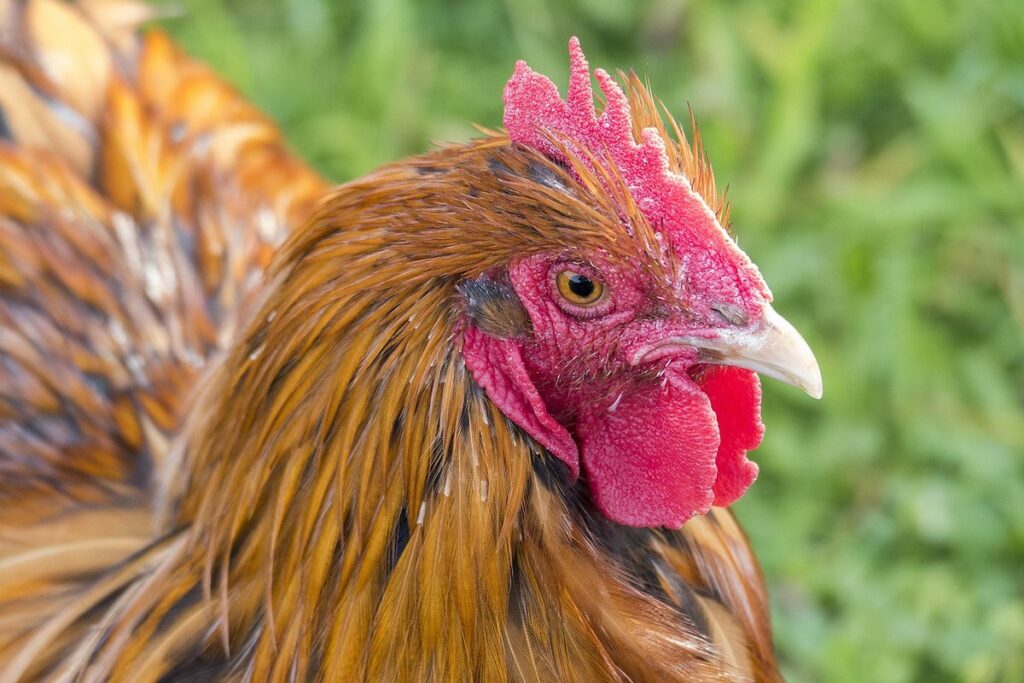
The Orpington rooster is a stunning sight to behold, with its fluffy plumage and gentle demeanor. When it comes to physical characteristics, the Orpington rooster is slightly larger than its hens, weighing between 8-12 pounds and standing at about 26 inches tall. Their feathers are soft and silky, with a beautiful golden-brown hue that’s simply irresistible.
But what truly sets the Orpington rooster apart is its temperament. These birds are known for their friendly and docile nature, making them an excellent choice for backyard flocks or family farms. They’re relatively quiet, too – you won’t have to worry about loud crowing all day long! In fact, many owners report that their Orpington roosters are more like big, fluffy companions than traditional farm birds.
One key thing to note is that Orpington roosters can be quite affectionate and love human interaction. They’ll often follow you around the yard or even come running when they hear your voice. This makes them an excellent choice for families with children who want a gentle and loving companion animal.
History and Development of the Breed
The Orpington breed has its roots in England, dating back to the mid-19th century. It was first developed by William Cook, a British poultry farmer and breeder. Cook aimed to create a dual-purpose breed that excelled both as a layer and meat producer. He crossed various breeds, including the Langshan and the Sussex, to achieve this goal.
The result of his efforts was the Orpington, which quickly gained popularity due to its unique characteristics. One key factor contributing to its success was its exceptional egg-laying capacity, with hens producing around 200-220 eggs per year. Additionally, the breed’s rich, chocolate-brown plumage and friendly temperament made it an instant favorite among poultry enthusiasts.
The Orpington’s rise in popularity can be attributed to several factors. Its adaptability to various climates and living conditions made it a suitable choice for farmers worldwide. Furthermore, its ability to thrive on both pasture and confinement diets added to its appeal. As the breed gained international recognition, it became clear that the Orpington was here to stay, and its influence can still be seen in many modern breeds today.
Benefits of Keeping an Orpington Rooster as a Pet or for Backyard Flocks
One of the biggest advantages of owning an Orpington rooster is its friendly and docile nature, making it a great addition to any backyard flock. Let’s explore some of the key benefits of keeping an Orpington rooster as a pet or for your chickens.
Advantages of Raising Orpingtons
Raising an Orpington rooster can be a delight for backyard flock owners and pet keepers alike. One of the most significant advantages is their friendly nature. Unlike some other breeds, Orpingtons are known to be docile and gentle, making them perfect for families with children or households where interaction with chickens is desired.
Another benefit is the ease of handling. Due to their calm temperament, Orpington roosters can be handled regularly without causing stress to both the bird and its owner. This characteristic makes them ideal for those new to raising backyard chickens, as it allows owners to become comfortable with handling birds while minimizing the risk of injury.
Additionally, these birds are relatively quiet, producing less noise compared to other breeds. For homeowners living in residential areas or with nearby neighbors, this feature can be a significant advantage in terms of maintaining a peaceful environment. Overall, raising an Orpington rooster can be a rewarding experience for those seeking a friendly and low-maintenance pet chicken option.
Space and Care Requirements
When it comes to keeping an Orpington rooster as a pet or in a backyard flock, providing adequate space and care is crucial for its overall health and well-being. A minimum of 2-3 square feet per bird inside the coop and 8-10 square feet outside per bird is recommended to allow for comfortable movement and exercise.
In terms of coop size, consider building or purchasing a spacious coop with enough ventilation to keep your Orpington rooster cool during hot summer months. Add windows or vents to ensure proper airflow and make cleaning easier. For a single Orpington rooster, a 4×4 foot coop would be an ideal size.
As for dietary needs, Orpington roosters require a balanced diet rich in protein, calcium, and vitamins. Provide a high-quality layer feed as the main staple, supplemented with fruits, vegetables, and grains like oats or barley. Avoid overfeeding, as this can lead to obesity and related health issues. Fresh water should always be available, and consider providing a shallow dish for your Orpington rooster’s favorite treats, such as mealworms or sunflower seeds.
Health Considerations for Orpington Roosters
When it comes to your beloved Orpington rooster, health considerations are crucial to ensure they live a long and happy life, free from common breed-specific issues. Let’s explore some key factors to keep in mind.
Common Health Issues Affecting the Breed
Orpington roosters are prone to several health issues that can affect their quality of life and longevity. One common problem is obesity, which can lead to a range of secondary conditions such as heart disease, diabetes, and joint problems. This is often caused by overfeeding or providing too many treats, so it’s essential to monitor your rooster’s diet and ensure he gets regular exercise.
Heat stress is another issue that Orpingtons are susceptible to, particularly in warm climates or during heatwaves. Symptoms include panting, lethargy, and loss of appetite, so it’s crucial to provide a cool, shaded area for them to retreat to when temperatures soar.
Additionally, Orpington roosters can be prone to diseases specific to this breed, such as respiratory problems and fungal infections. Regular health checks and parasite control measures are vital to maintaining their overall well-being. Keep an eye out for signs of illness, such as discharge from the eyes or nostrils, coughing, or changes in droppings.
By being aware of these potential issues and taking preventative steps, you can help keep your Orpington rooster healthy and happy for years to come.
Tips for Maintaining Good Health
When it comes to maintaining good health in Orpington roosters, there are several key considerations to keep in mind. First and foremost, a regular vaccination schedule is essential to protect against diseases such as Marek’s disease and Newcastle disease. Consult with a veterinarian to determine the best vaccination protocol for your flock.
In addition to vaccinations, parasite control is also crucial. Orpington roosters can be susceptible to internal parasites such as worms, so it’s essential to monitor their health closely and administer deworming medication as necessary. Regularly inspecting the coop and run for signs of pests such as mites, lice, and fleas is also important.
Regular veterinary check-ups are also vital to maintaining good health in Orpington roosters. Schedule annual check-ups with a veterinarian to monitor their overall health and catch any potential issues early on. During these visits, be sure to ask questions about your rooster’s specific needs and receive guidance on how to keep them healthy and thriving.
By following this comprehensive approach to health care, you can help ensure that your Orpington roosters live long, happy, and healthy lives.
Breeding and Hatching Orpington Roosters
When it comes to breeding and hatching your own Orpington roosters, understanding their reproductive habits is crucial for success. In this section, we’ll walk you through the process of raising healthy chicks from these lovable birds.
Choosing the Right Breeders or Hatchery
When purchasing an Orpington rooster for breeding purposes, it’s crucial to choose reputable breeders or hatcheries. A reputable breeder or hatchery will not only provide you with a healthy and well-socialized bird but also ensure the genetic integrity of your flock.
To find a trustworthy breeder or hatchery, research their reputation online by reading reviews and testimonials from other customers. Check for certifications such as American Poultry Association (APA) or Poultry Club of Great Britain (PCGB), which verify the birds’ authenticity and quality. You can also ask for references from friends, family, or fellow breeders who have had positive experiences with the breeder.
Another essential aspect is to check the health clearances of the parents, including their vaccination records and genetic testing results. This information will give you an idea of the bird’s potential health issues and enable you to make informed decisions about your breeding program.
Ultimately, working with a reputable breeder or hatchery ensures that you’re investing in high-quality birds that will enhance your flock’s overall health and fertility.
Techniques for Artificial Incubation and Hand-Raising Chicks
Artificial incubation and hand-raising chicks is a rewarding experience that requires attention to detail and proper care. When setting up an incubator for Orpington rooster eggs, make sure it’s specifically designed for chickens, as some models can be too large or too small for their needs. Fill the water reservoir with clean water and set the temperature between 99-100°F (37-38°C) for the first 24 hours.
Once you’ve successfully hatched your chicks, transfer them to a brooder with adequate ventilation, heat, and humidity control. Provide a starter diet of starter crumbles or mash, supplemented with vitamin and mineral drops specifically formulated for young chickens. Monitor their temperature closely, aiming for around 90-95°F (32-35°C) until they’re about two weeks old.
Keep the brooder clean by removing soiled bedding daily, disinfecting food and water dishes regularly, and ensuring fresh water at all times. As the chicks grow, gradually increase their exposure to light by adding a timer or adjusting the lamp’s position to simulate a natural day-night cycle.
Showing and Judging Orpington Roosters in Poultry Competitions
If you’re new to poultry competitions, or just want to show off your Orpington rooster’s unique charm, this section covers the ins and outs of competing successfully. We’ll guide you through what judges look for in an Orpington rooster.
Preparing Your Bird for Competition
Preparing your Orpington rooster for a poultry competition requires attention to detail and some specific techniques. First and foremost, ensure your bird is in top physical condition by providing a balanced diet and regular exercise. A clean and healthy bird will always make a better impression on the judges.
When it comes to trimming, keep it minimal and natural-looking. Remove any stray or loose feathers around the face, beak, and legs, but avoid over-trimming which can lead to stress and discomfort for your bird. For showing purposes, you’ll want to emphasize your rooster’s best features, such as a well-defined comb, wattle, and tail.
During the trimming process, use sharp clippers or scissors specifically designed for poultry grooming. Be cautious not to cut too close to the skin, and work carefully around sensitive areas like the eyes and nostrils. Practice makes perfect, so start with small sessions and gradually build up your skills.
Some key things to remember: cleanliness is crucial – keep all equipment and your bird’s living space spotless; use a mirror to inspect hard-to-reach areas; and don’t over-groom – less is often more when it comes to presenting your Orpington rooster.
Tips for Successful Showmanship
When it comes to showing an Orpington rooster in a poultry competition, showmanship is just as important as the bird’s appearance and characteristics. To stand out from the crowd and win top honors, you need to demonstrate excellent handling skills and be able to confidently present your rooster to the judges.
Here are some tips for successful showmanship:
Make sure you know the breed standard inside and out, so you can articulate your rooster’s unique features and characteristics to the judges. Practice presenting your bird in front of friends or family members before the competition to build confidence.
Pay attention to grooming – a clean and well-groomed rooster will always make a good impression on the judges. This includes making sure his beak is trimmed, his feathers are clean and free from matting, and his comb is neatly trimmed.
Develop a routine for handling your rooster that showcases his natural movement and behavior. Practice walking him through gates, into enclosures, and around show rings to build muscle memory.
By following these tips, you’ll be well on your way to showcasing your Orpington rooster’s best qualities and impressing the judges with your expertise and confidence.
Raising Orpington Roosters from Chickens: A Step-by-Step Guide
Raising an Orpington rooster from a chick requires patience and dedication, but with the right guidance, you can help him grow into a friendly and impressive bird. This step-by-step guide will walk you through the process of raising your young rooster.
Day 1-14: Caring for Newborn Chicks
Caring for newborn chicks is an exciting and crucial part of raising Orpington roosters. From day 1 to 14, it’s essential to focus on their feeding, brooding, and health monitoring. On the first day, transfer the chicks to a warm brooder with adequate ventilation, maintaining a temperature around 90°F (32°C) for the first week. Provide starter feed and fresh water at all times.
As you monitor their growth, ensure they have access to grit and oyster shells for healthy digestion. Check on them frequently, especially during the first two weeks, as this is a vulnerable period for chicks. Monitor for signs of illness such as lethargy, labored breathing, or runny eyes. Keep the brooder clean by removing waste daily, and maintain proper humidity levels.
Maintain a consistent routine to help your chicks adjust and grow well. Ensure they receive 24/7 light in the first week and gradually introduce daylight cycles after that. Be prepared for any unexpected situations that may arise during this critical period of their development. With attentive care and proper management, your Orpington rooster chicks will thrive and become healthy, strong birds.
Weeks 2-12: Continued Care and Development
As you continue to care for your Orpington rooster from week 2 onwards, it’s essential to monitor his growth and development closely. During this period, he’ll start to develop his adult plumage, and his comb will begin to take shape.
Keep an eye on his weight, as he should be gaining about 1-2 pounds per week. Make sure he has access to a balanced diet rich in protein and calcium to support his growth. Provide him with a variety of fruits and vegetables, such as leafy greens, carrots, and sweet potatoes, to ensure he’s getting all the necessary nutrients.
As your rooster grows, he’ll start to assert his dominance, so be prepared for some pecking order adjustments among the flock. To prevent any conflicts, make sure you have a sufficient space where your Orpington can roam freely without being crowded by other birds.
Some key milestones to look out for during this period include:
* Around week 6-8, your rooster’s wings will start to grow, and he’ll begin to practice flapping them.
* By week 10-12, his tail feathers should be fully grown, and his comb will be a vibrant red color.
Keep in mind that every bird is different, so be patient and observe your Orpington’s unique development patterns.
Final Tips and Considerations for Orpington Rooster Owners
As you prepare to bring home your friendly Orpington rooster, take a moment to consider these final tips that’ll help ensure a harmonious flock and happy backyard. Here are some essential things to keep in mind.
Common Challenges and Solutions
As an Orpington rooster owner, you may encounter some common challenges that can be managed with the right approach. One of the most significant issues is managing aggression. Some Orpington roosters can become territorial and aggressive, especially if they’re not socialized properly from a young age. To address this, provide your rooster with plenty of space to roam and exercise, and make sure he has access to a safe and quiet area where he can retreat when feeling overwhelmed.
Another challenge you may face is dealing with heat stress. Orpingtons are prone to obesity, which can exacerbate heat-related issues during hot summer months. To mitigate this, ensure your rooster has access to plenty of fresh water at all times, provide him with a balanced diet that’s low in calories but rich in nutrients, and make sure he has a shaded area where he can escape the direct sunlight.
In addition to these specific challenges, some owners may experience difficulties with noise levels. Orpingtons are known for their loud crowing, which can be a concern for neighbors or family members living nearby. To address this, consider providing your rooster with plenty of mental stimulation through activities like foraging or puzzle toys, which can help reduce excessive vocalization.
Future Plans and Upgrades
If you’re thinking of getting an Orpington rooster as a long-term companion, it’s essential to consider future plans and upgrades. As they grow older, Orpingtons can become more aggressive, so it’s crucial to plan for their needs accordingly.
Firstly, ensure that your property is secure, with sturdy fencing that’s at least 6 feet high to prevent escape attempts or unwanted visitors. If you’re planning to integrate your Orpington rooster with other birds, start by introducing them slowly and under close supervision to avoid conflicts.
It’s also wise to consider upgrading your coop or enclosure to provide a safe space for your Orpington as it matures. A minimum of 2 square feet per bird is recommended, but more space can be beneficial for their well-being. Consider adding perches, nesting boxes, and dust baths to create a comfortable environment.
When planning for the future, also think about retirement options. Some owners choose to rehome their Orpington roosters as they age, while others prefer to keep them on-site. Be sure to have a plan in place to ensure your feathered friend receives the care it needs, regardless of its changing circumstances.
Frequently Asked Questions
Can I keep an Orpington rooster as a pet if I have small children?
While Orpingtons are generally gentle, it’s essential to consider the safety of your family when introducing a rooster into your home. If you have young children, it’s crucial to supervise interactions closely and ensure the rooster is well-handled from an early age. With proper care and attention, many families successfully raise Orpington roosters alongside their children.
How do I handle common health issues affecting Orpington roosters?
Common health issues in Orpingtons include obesity, respiratory problems, and heart conditions. Regular exercise, a balanced diet, and regular check-ups with a veterinarian can help prevent or manage these issues. Keep an eye out for signs of illness, such as lethargy, labored breathing, or changes in appetite.
Can I raise an Orpington rooster from a chick?
Yes! With proper care and attention, you can successfully raise an Orpington rooster from a chick. Start by providing a warm, safe environment, with adequate food, water, and shelter. Gradually introduce the chick to the outdoors and other birds in your flock as it grows.
How do I prepare my Orpington rooster for showing in poultry competitions?
To prepare your Orpington rooster for showing, focus on its overall health, grooming, and temperament. Ensure regular vaccinations, a balanced diet, and plenty of exercise. Practice handling and trimming the bird’s feathers to maintain a neat appearance.
Can I breed my own Orpington roosters, or should I purchase from reputable hatcheries?
While experienced breeders can successfully raise their own Orpington roosters, purchasing from reputable hatcheries often ensures consistency in quality, temperament, and genetics. Research local breeders or hatcheries to find the best fit for your needs and goals.