
If you’re an Orpington enthusiast or a seasoned backyard farmer, chances are you’ve had your hands on one (or more) of these lovable birds. However, as much as we adore our feathered friends, caring for an Orpington rooster can be quite different from managing the ladies in the flock. Not only do they require a bit more space and attention to their unique personalities, but they also need specific care when it comes to housing, nutrition, health, and even breeding.
In this article, we’ll cover everything you need to know about successfully raising an Orpington rooster as part of your backyard flock. From providing adequate shelter and perching space to ensuring a balanced diet and monitoring their overall health, we’ve got expert advice on how to keep your rooster happy and thriving. We’ll also dive into the topic of integrating him with the rest of the flock, including tips for breeding and managing his role within the coop.
Characteristics of Orpington Roosters
When it comes to identifying a healthy and happy Orpington rooster, there are several key characteristics to look out for. Knowing these traits will help you recognize your flock’s leader.
Physical Appearance
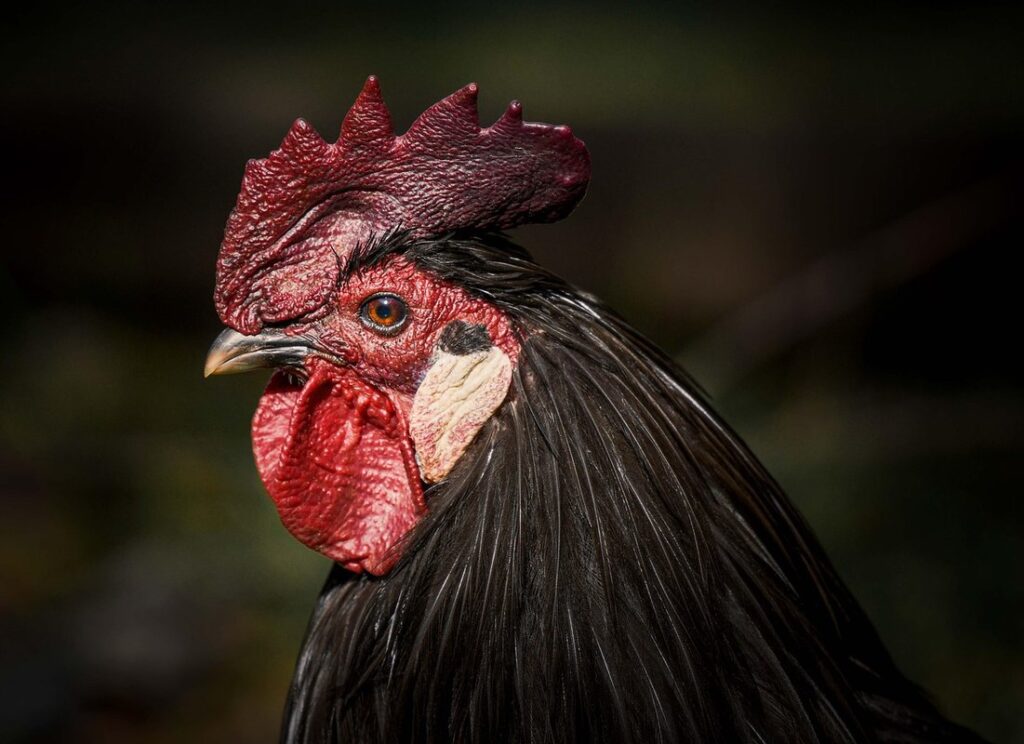
When it comes to physical appearance, Orpington roosters are truly show-stoppers. They have a majestic presence that’s hard to ignore, thanks to their unique characteristics.
In terms of size, Orpington roosters can weigh anywhere from 8-12 pounds (3.6-5.4 kg) and reach heights of around 20-24 inches (51-61 cm). While they’re not the largest breed out there, they make up for it with their impressive plumage. Their feathers are soft and fluffy, with a beautiful, lustrous sheen that catches the light just right.
One of the most distinctive features of Orpington roosters is their beak shape. It’s short, stout, and slightly curved, making them well-suited for scratching up tasty bugs and seeds from the ground. Their comb type is also worth noting – it’s medium-sized and quite dense, with a lovely red color that adds to their overall charm.
If you’re looking to raise Orpington roosters, keep in mind that they do require regular grooming to prevent matting and tangling of their beautiful plumage. Brushing them regularly will help to keep their feathers in top condition, and also reduce the risk of health problems down the line.
Temperament and Personality
Orpington roosters are known for their unique temperament and personality traits that set them apart from other breeds. One of the most notable characteristics is their friendliness. They tend to be docile and calm, making them an excellent choice for families with children or for backyard flocks where social interaction is encouraged.
In fact, Orpington roosters are often described as “gentle giants” due to their large size and gentle nature. However, it’s essential to remember that every rooster has its own personality, and some may exhibit more aggression than others. Experienced breeders recommend introducing young orpington roosters to the flock gradually to prevent territorial behavior.
If you’re new to raising Orpingtons, here are a few tips to help manage their temperament:
• Provide a spacious and safe environment for your Orpington rooster to roam and exercise.
• Establish clear boundaries and rules from an early age to ensure they understand what’s expected of them.
• Be patient and consistent when introducing new birds or animals to the flock, as this can help minimize aggression.
By understanding and working with their natural temperament, you’ll be able to build a strong bond with your Orpington rooster.
Differences Between Sexes
When it comes to Orpington roosters, one of the most common questions is whether males and females exhibit distinct characteristics. We’ll explore these differences in more detail here.
Physical Differences
When it comes to identifying whether an Orpington is male or female, physical differences are quite noticeable. One of the most striking distinctions lies in their plumage. Female Orpingtons tend to have a more even and symmetrical distribution of feathers, while males often display a slight feathering around the neck area.
In terms of size, there’s a subtle difference between the sexes. Males are generally larger than females, with some breeds weighing up to 10 pounds (4.5 kg) or more in comparison to the female’s average weight of about 8-9 pounds (3.6-4 kg). The male’s overall muscular build and broader breast can also give him a more impressive appearance.
Another key differentiator is the comb and wattle, which are usually larger on males than females. While these characteristics might not be as pronounced in every individual bird, they do serve as useful indicators of sex when viewed alongside other features.
Behavioral Differences
When it comes to behavioral differences between male and female Orpington roosters, one of the most notable distinctions is their mating habits. Males tend to be more aggressive when it comes to courtship, often displaying loud crowing, strutting around the yard, and attempting to dominate other birds. In contrast, females are generally less assertive in their pursuit of a mate, instead relying on subtle cues such as wing-fluttering and soft clucking.
In terms of aggression towards humans, male Orpington roosters can be quite protective of their territory and may become aggressive if they feel threatened or scared. However, with proper handling and socialization from an early age, most males will calm down and become gentle companions. Female Orpingtons, on the other hand, are generally more docile and less likely to attack humans unless they’re feeling stressed or in pain.
When it comes to interacting with other birds, male Orpington roosters tend to be dominant and may bully weaker birds. To minimize conflicts, it’s essential to introduce new birds gradually and under close supervision, ensuring that the existing pecking order isn’t disrupted. By doing so, you can create a harmonious and peaceful flock environment where all birds – regardless of sex or temperament – thrive together.
Housing and Space Requirements
When it comes to housing your Orpington rooster, you’ll want to provide a safe and spacious area for him to roam and exercise freely, while also considering his specific needs as a large bird. Let’s discuss the essentials of creating a suitable environment.
Enclosure Size and Setup
When it comes to housing and space requirements for Orpington roosters, one of the most critical factors is enclosure size. A general rule of thumb is to provide at least 2-4 square feet of floor space per bird inside the coop, with a minimum of 8-10 square feet of outdoor run area per rooster.
However, if you’re planning to keep multiple Orpingtons together, you’ll want to increase the indoor and outdoor space accordingly. A good starting point is to aim for at least 4-6 square feet of floor space per bird inside the coop, with a minimum of 12-15 square feet of outdoor run area per rooster.
In terms of coop size, a sturdy, well-ventilated enclosure with adequate nesting boxes and roosting bars is essential. Consider building or purchasing a coop that’s at least 2×3 feet in size to accommodate your Orpington rooster comfortably. Don’t forget to add some extra space for future expansion – you never know when you might want to add more birds to the flock!
Remember, providing ample space and ventilation will help keep your Orpington rooster happy, healthy, and stress-free.
Safety Considerations
When housing an Orpington rooster, it’s essential to consider the safety implications of having such a large bird on your property. One significant concern is escape risks. A mature Orpington rooster can grow up to 5-6 pounds and reach heights of over 2 feet at the shoulder, making them capable of scaling high fences if they’re not secure enough.
To mitigate this risk, make sure you have sturdy fencing around your chicken run that’s a minimum of 3 feet tall. Consider adding hardware cloth or chicken wire with openings no larger than 1 inch to prevent escape attempts. Additionally, ensure all gates are securely locked and consider installing a lock on the coop door to prevent accidental openings.
Another safety concern is damage potential. With their large size and strong legs, Orpington roosters can easily kick open doors or destroy poorly constructed coops. To prevent this, use robust materials for your coop and run, such as wood or metal, and ensure all structures are well-built and securely anchored to the ground. Regularly inspect your housing setup to identify any potential weak points before they become a safety issue.
Nutrition and Health
When it comes to raising an Orpington rooster, providing a balanced diet is crucial for its overall health and well-being. Let’s dive into the importance of nutrition for your feathered friend.
Dietary Needs
When it comes to providing for an Orpington rooster’s dietary needs, understanding its specific requirements is crucial. As a large breed chicken, an adult Orpington rooster requires around 16-20% protein in their diet. You can meet this requirement by offering high-quality commercial layer feed or a balanced homemade mix of grains, proteins, and vegetables.
However, supplementing with treats such as mealworms, sunflower seeds, and oats can provide essential nutrients like calcium, phosphorus, and B vitamins. To avoid nutritional deficiencies, ensure your rooster has access to fresh water at all times and include sources of omega-3 fatty acids in their diet, such as flaxseeds or fish oil.
Some common nutritional deficiencies in backyard chickens include vitamin D3, iron, and zinc. Provide crushed eggshells or dark leafy greens like kale and spinach to boost calcium levels and prevent issues like softening of the bones. By meeting your Orpington rooster’s specific dietary needs, you can help maintain its optimal health and prevent potential health problems.
Common Health Issues
As an Orpington rooster owner, it’s essential to be aware of the common health issues that can affect these beautiful birds. Respiratory problems are a significant concern for Orpingtons, particularly when they’re kept in crowded or poorly ventilated areas. Bumblefoot and other foot-related issues can also arise from standing on wet or dirty surfaces.
Feather pecking is another issue that Orpington roosters may encounter. This behavior can be caused by boredom, stress, or inadequate nutrition. To prevent feather pecking, ensure your birds have enough space to move around, provide stimulating activities like foraging and scratching posts, and maintain a balanced diet.
Obesity is also a common health issue in Orpington roosters. Overeating can lead to various complications, including heart problems and mobility issues. Monitor your rooster’s food intake and ensure they’re getting regular exercise. Aiming for an ideal weight range will help prevent obesity-related health concerns.
Regular veterinary check-ups are crucial to identifying potential health issues early on. Consult with a poultry-savvy vet to determine the best preventive measures for your Orpington rooster.
Breeding and Raising
When it comes to raising a happy and healthy Orpington rooster, breeding plays a crucial role in his development. Here’s what you need to know about breeding and raising your new feathered friend.
Successful Breeding Strategies
When it comes to breeding Orpington roosters successfully, careful selection and management are key. First, choose compatible pairs by considering factors like temperament, size, and feather quality. A well-matched pair is more likely to produce healthy, robust chicks.
Selecting the right females is crucial for successful breeding. Look for birds that exhibit reproductive readiness through visible signs such as a swollen vent or increased egg-laying frequency. Stress levels should also be managed, as excessive stress can impact fertility and reproduction. Provide a calm and comfortable environment for your breeding pair by maintaining optimal temperatures (around 70-80°F), ensuring adequate ventilation, and minimizing external disturbances.
Monitor the female’s behavior closely for signs of nesting instinct or broodiness, which often signals reproductive readiness. Introduce the rooster to the hen when she is in this stage to ensure successful mating. Regular health checks and monitoring will also help identify any potential issues that may affect breeding success. By carefully selecting pairs and managing their environment, you can increase the chances of producing healthy Orpington chicks.
Rearing Young Roosters
Rearing young Orpington roosters requires careful attention to their needs from hatch to maturity. When you bring home a new batch of day-old chicks, make sure to provide them with a brooder specifically designed for young chickens. The temperature should be around 90-100°F (32-38°C) during the first week, gradually decreasing by 5°F (3°C) each week thereafter.
It’s also crucial to administer vaccinations at the right age. Most breeders vaccinate their chicks against Marek’s disease and Newcastle disease between 1-2 weeks old. Consult with a veterinarian or experienced breeder to determine the best vaccination schedule for your flock.
Socialization is another vital aspect of raising young roosters. Introduce them to various environments, people, and other animals from an early age to help them become confident and calm adults. Spend time with each chick daily, letting it explore its surroundings and getting used to human interaction. This will lay the foundation for a well-adjusted and friendly adult rooster.
By following these guidelines, you’ll be well on your way to raising healthy, well-socialized young Orpington roosters that thrive in their new home.
Integrating the Rooster with the Flock
When introducing a rooster to your existing flock, it’s essential to consider their personalities and temperaments to ensure a harmonious household. This section will guide you through integrating your Orpington rooster into the mix.
Establishing Dominance Hierarchy
When introducing an Orophin rooster to an existing flock, it’s essential to prioritize establishing a dominance hierarchy. This process can be a delicate one, as you’ll want to minimize aggression conflicts and ensure the new bird blends in smoothly.
To begin, consider the age and experience of your current flock. If they’re all young or have never been exposed to a rooster before, it may be wise to introduce them gradually. Start by keeping the new rooster separated from the others for a few days to allow him to settle in and become familiar with his surroundings.
Next, choose a neutral area where you can let the birds interact under close supervision. Monitor their behavior closely, intervening if necessary to prevent any serious conflicts. Be aware that even the friendliest Orophin roosters may assert dominance over hens by establishing a pecking order.
To expedite this process, try introducing multiple birds together or using visual barriers like fencing to create separate areas for them to interact and establish their social hierarchy. With patience and careful observation, your flock should adjust to the new rooster within a few days to weeks, depending on their size and temperament.
Encouraging Positive Interactions
When introducing an Orpington rooster to your flock, it’s essential to encourage positive interactions between him and the hens. One of the most critical factors is providing adequate space for them to live comfortably together. Ensure you have enough room for each bird to roam, exercise, and engage in natural behaviors without feeling crowded or stressed.
Promoting socialization is also vital. Start by introducing the rooster to individual hens under close supervision, allowing them to become familiar with each other’s scents, sounds, and movements. Gradually increase their interactions over time, rewarding good behavior with treats and praise. For instance, if you notice a hen approaching the rooster calmly, be sure to reward her with a treat.
Rewarding good behavior is another key aspect of fostering positive relationships. Positive reinforcement can work wonders in developing trust between the rooster and hens. Set clear expectations for calm behavior around each other, and whenever you observe a rooster and hen interacting peacefully, acknowledge their efforts with rewards.
Frequently Asked Questions
How can I determine if my Orpington rooster is getting enough space to roam?
Make sure your rooster has at least 2-3 square feet of floor space per bird, plus vertical space for perching and climbing. Consider adding a large enclosure or expanding the existing coop to provide ample room for exercise and movement.
What are some common health issues I should be aware of in Orpington roosters?
Common health issues include respiratory problems, brooder pneumonia, and fatty liver syndrome. Regularly check your rooster’s temperature, watch for signs of stress or illness, and maintain good hygiene practices to minimize the risk of these conditions.
Can I integrate a new Orpington rooster into an existing flock with hens?
Yes, but do it slowly and under close supervision to avoid conflicts. Start by introducing them in a separate enclosure and gradually increase their interaction time, monitoring body language and behavior for signs of stress or aggression.
How often should I provide fresh water and food for my Orpington rooster?
Ensure your rooster has access to fresh water at all times, changing it daily if possible. Feed him a balanced diet that includes high-quality pellets, grains, and fruits/vegetables, dividing his daily ration into 2-3 meals to prevent overeating.
What are some signs of a successful breeding program for Orpington roosters?
A successful breeding program should result in healthy chicks with desirable characteristics. Look for clear documentation of lineage, breed standards adherence, and regular health checks to ensure your rooster’s genetic material is strong and disease-free.