
Are you considering adding some new feathered friends to your backyard flock, but can’t decide between two popular breeds: Orpingtons and Australorps? Both are known for their impressive egg-laying abilities and gentle temperaments, making them a great choice for many chicken keepers. However, when it comes to specific needs and preferences, each breed has its unique characteristics that set it apart from the other. In this article, we’ll delve into the key differences between Orpingtons and Australorps, covering their egg-laying abilities, temperaments, physical characteristics, and more. Whether you’re a seasoned chicken enthusiast or just starting out, this comparison will help you make an informed decision and choose the breed that suits your needs and preferences best. Let’s explore what makes each of these breeds special and see which one might be right for you!
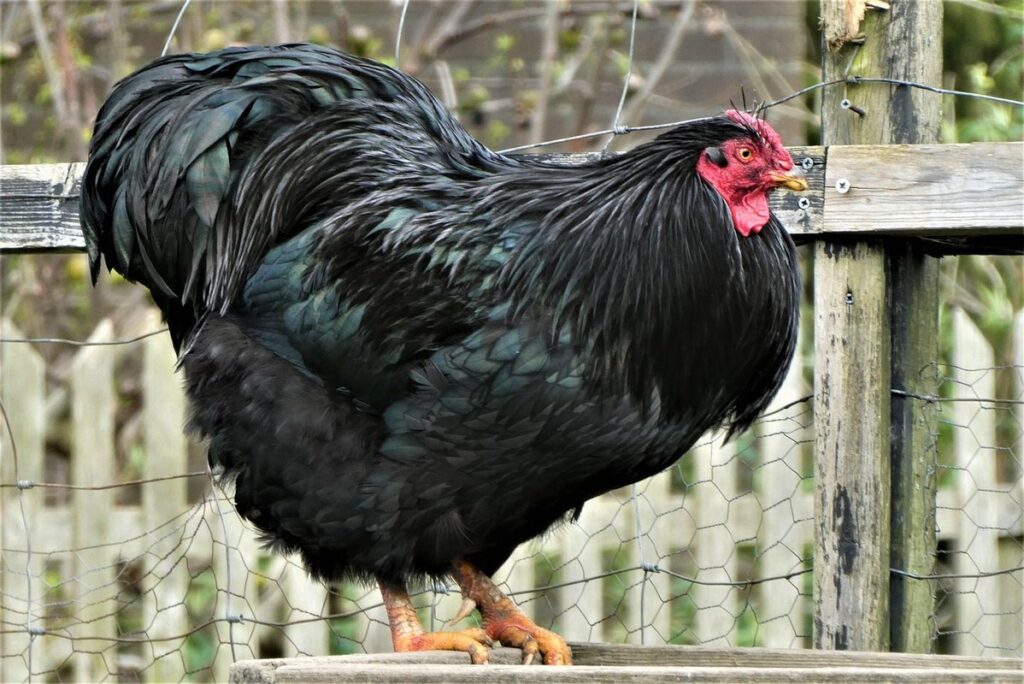
Introduction to Orpington and Australorp Breeds
Let’s start by getting familiar with two of the most popular chicken breeds: Orpingtons and Australorps. We’ll dive into their origins, characteristics, and what makes them unique.
History of Orpington and Australorp Breeds
The origins of Orpington and Australorp breeds date back to the 19th century. The Orpington breed was developed in England in 1886 by William Cook, a British poultry breeder. He aimed to create a friendly, hardy chicken that could thrive on small farms. The resulting bird was the Black Orpington, known for its rich plumage and docile nature. Over time, other colors were introduced, including buff, white, and spangled.
The Australorp breed has its roots in Australia, where it was developed from British Orpington stock. In the early 20th century, Australian farmers sought a chicken that could withstand harsh climates and produce high-quality eggs. The resulting bird was the Australorp, renowned for its impressive egg-laying abilities and robust constitution. Today, both breeds are popular worldwide for their friendly nature and excellent egg production.
Both breeds have undergone significant changes since their inception but retain their unique characteristics. The Orpington’s focus on temperament has made it a favorite among backyard chicken keepers, while the Australorp’s emphasis on productivity has earned it a reputation as an ideal commercial breed.
Overview of Key Similarities and Differences
When it comes to choosing between Orpington and Australorp breeds, understanding their similarities and differences is crucial. Both breeds share some striking similarities, particularly when it comes to temperament. They are both known for being friendly, gentle, and easy-going, making them an excellent choice for families with children or as pets in small backyards.
One of the key differences between the two breeds lies in their egg-laying abilities. Australorps are renowned for their high egg production, laying up to 200-220 eggs per year, while Orpingtons typically produce around 180-200 eggs annually. This significant difference makes Australorps a popular choice for commercial egg farmers.
In terms of physical characteristics, both breeds have fluffy plumage and come in various colors. However, Orpingtons tend to be larger and more compact, with males weighing up to 14 pounds, while Australorps are slightly smaller, with males weighing around 12-13 pounds.
Orpington Breed Characteristics
The Orpington breed has several distinct characteristics that set it apart from other chicken breeds, making it a popular choice for backyard flocks. From its fluffy plumage to its friendly nature, let’s dive into what makes an Orpington unique.
Temperament and Personality of Orpingtons
When it comes to temperament and personality, Orpingtons are renowned for their gentle nature, making them an excellent choice for families with children. They are known to be docile and laid-back, which is a significant advantage over other breeds that may be more high-strung or nervous. However, this laid-back attitude can sometimes make them prone to obesity if they don’t receive regular exercise.
One of the key strengths of Orpingtons is their ability to adapt to various living situations. Whether you live in a small apartment or a spacious farm, Orpingtons are happy to adjust to their environment and make themselves at home. They also have a strong attachment to their owners, which makes them loyal companions.
On the other hand, one of the potential weaknesses of Orpingtons is their tendency to forage and overeat if given the opportunity. This means that as an owner, it’s essential to monitor their food intake and provide regular exercise to keep them healthy and happy. With proper care and attention, however, Orpingtons make wonderful pets that bring joy and companionship to many families.
Egg-Laying Abilities of Orpingtons
When it comes to egg-laying abilities, Orpingtons are known for their moderate production levels. On average, a healthy Orpington hen will lay around 200-220 large brown eggs per year. However, this number can vary depending on several factors, including nutrition, health, and genetics.
Proper nutrition is essential for maintaining optimal egg-laying abilities in Orpingtons. Ensure they have access to a balanced diet rich in protein, calcium, and other essential nutrients. A well-managed flock with adequate feeding practices can lead to higher production levels. For instance, some breeders report that their Orpingtons lay an average of 250-300 eggs per year under ideal conditions.
Genetics also play a significant role in determining egg-laying capacity. Some bloodlines are bred specifically for their high-production potential, while others may prioritize other traits like temperament or conformation. If you’re looking to maximize egg production from your Orpingtons, consider selecting hens from reputable breeders who specialize in high-producing lines.
Keep in mind that individual performance can vary significantly within a flock, even among birds from the same breeder and bloodline. Monitor your hens’ production closely and make adjustments as needed to optimize their egg-laying potential.
Physical Characteristics of Orpingtons
When it comes to physical characteristics, Orpingtons are easily identifiable due to their impressive features. One of the most notable aspects is their feather length – they have long, fluffy feathers that cover their bodies extensively. In fact, Orpingtons are known for being one of the longest-feathered breeds in the chicken world. This unique trait not only adds to their charm but also provides excellent insulation during harsh weather conditions.
When it comes to plumage color, Orpingtons come in a wide range of colors, including black, white, blue, buff, and spangled. Their beautiful feathers are often described as soft and silken to the touch. Body size is another significant feature – Orpingtons are a medium to large breed, with hens weighing around 8-10 pounds (3.6-4.5 kg) and roosters reaching up to 11-13 pounds (5-5.9 kg). These impressive dimensions make them a popular choice for backyard chicken keepers looking for a sturdy and reliable breed.
In terms of body type, Orpingtons are known for their compact, broad-chested build, which is often described as ‘well-rounded’. This distinctive physique contributes to their overall appearance and makes them a favorite among poultry enthusiasts.
Australorp Breed Characteristics
Let’s dive into the key characteristics of the Australorp breed, including its temperament, egg-laying abilities, and physical features that set it apart from other popular chicken breeds.
Temperament and Personality of Australorps
Australorps are known for their calm and gentle nature, making them an excellent choice for families with children. They are hardy birds that can thrive in a variety of environments, from small backyards to large farms. One of the key strengths of Australorp’s temperament is their ability to adapt to new situations, which makes them relatively easy to integrate into existing flocks.
However, like any breed, they do have some potential weaknesses. Some owners have reported that Australorps can be aloof at times, taking a little longer to warm up to strangers or new environments. This can make it challenging for inexperienced chicken keepers who are looking for a breed that’s easy to handle and interact with.
Despite this, many owners rave about the affectionate side of Australorps, which can be encouraged through regular handling and socialization from an early age. With proper care and attention, these birds can become loyal companions and provide endless entertainment for their owners. If you’re looking for a breed that’s relatively low-maintenance but still offers plenty of personality, the Australorp might be an excellent choice for you.
Egg-Laying Abilities of Australorps
When it comes to egg-laying abilities, Australorps are renowned for their impressive production levels. On average, a healthy Australorp hen can lay around 250-300 large brown eggs per year, making them one of the top-performing breeds in terms of egg production.
However, there are several factors that can influence an individual bird’s egg-laying capacity. For example, nutrition plays a crucial role – ensure your flock is fed a balanced diet rich in protein and calcium to support healthy egg production. Additionally, management practices like providing adequate light, maintaining optimal temperatures, and ensuring proper ventilation can all impact an Australorp’s ability to lay eggs.
It’s also worth noting that egg size can vary depending on the individual bird and breeding line. Some Australorps may produce smaller or larger eggs than others, but a good rule of thumb is to expect large brown eggs with a weight range of 50-60 grams each.
Overall, if you’re looking for a breed that delivers impressive egg numbers, the Australorp is an excellent choice – as long as you provide them with proper care and attention.
Physical Characteristics of Australorps
The Australorp breed is known for its robust and sturdy physique, making them an excellent choice for backyard chicken keepers. One of the most distinctive features of the Australorp breed is their plumage color, which can range from pure white to slate blue or light brown. In terms of feather length, Australorps have a medium-length coat that requires regular maintenance to prevent matting and tangling.
Australorps are one of the larger breeds of chickens, with hens typically weighing between 8-10 pounds (3.6-4.5 kg) and roosters weighing up to 12 pounds (5.4 kg). Their body size is well-proportioned, with a broad chest, strong legs, and a short, sturdy neck. One of the benefits of the Australorp’s larger size is their ability to forage efficiently and lay large eggs, making them a popular choice among egg producers.
When it comes to choosing an Australorp, look for birds with well-developed muscles, clean legs, and a smooth, even coat. Avoid birds with signs of stress or illness, such as labored breathing or droopy wings. By selecting healthy, well-bred Australorps, you can enjoy the benefits of this hardy and productive breed in your backyard flock.
Choosing Between Orpington and Australorp
When it comes down to picking between these two breeds, you’ll want to consider factors like temperament, egg-laying abilities, and overall health. Let’s dive into the key differences that will help make your decision easier.
Factors to Consider When Selecting a Breed
When selecting between an Orpington and an Australorp, there are several factors to consider. First and foremost, think about the climate where you live. Orpingtons thrive in cooler temperatures, making them a great choice for backyard flocks in temperate climates. However, they can be prone to heat stress in warmer environments. On the other hand, Australorps are more tolerant of heat and humidity, making them suitable for regions with high temperatures.
Another crucial consideration is the space available for your flock. Orpingtons require a moderate amount of space to roam, whereas Australorps are relatively compact birds that can thrive in smaller areas. If you have limited space or plan to keep your chickens in a coop, an Australorp might be the better choice.
Lastly, consider your personal preferences and needs. Do you want a bird known for its docile nature and large eggs? Orpingtons fit this description. Are you looking for a breed that’s relatively low-maintenance and easy-going? Australorps are a great option.
Breeder Support and Resources
When choosing between Orpington and Australorp chickens, it’s crucial to find reputable breeders who can provide you with healthy, well-cared-for birds. A good breeder will not only ensure the overall health of their chickens but also be a valuable resource for advice on caring for your new flock.
To find local or online resources, start by asking for referrals from other chicken keepers in your area or online communities. Look for breeders who are active members of poultry associations and have experience with both Orpington and Australorp breeds. Check their websites, social media, or review sites like Cackle Hatchery or My Pet Chicken to see what other customers say about their experiences.
Be wary of breeders who prioritize profits over the health and well-being of their chickens. Red flags include a lack of transparency about genetic diversity, inconsistent chick weights, or inadequate documentation on vaccination records. Always ask questions and look for certifications from organizations like the American Poultry Association to ensure you’re getting high-quality birds from a trustworthy source.
Ultimately, working with a reputable breeder can make all the difference in your success as a chicken keeper. By doing your research and being selective about who you buy from, you’ll be more likely to end up with happy, healthy birds that will thrive in your backyard flock.
Raising Healthy Orpingtons and Australorps
When it comes to raising healthy chickens, understanding the specific needs of your chosen breed is crucial for success. In this section, we’ll cover essential tips for raising thriving Orpingtons and Australorps.
Nutritional Needs and Feeding Guidelines
When it comes to raising healthy Orpingtons and Australorps, providing them with the right nutrition is crucial for their growth and well-being. Both breeds have similar nutritional needs, but they also share some specific requirements that breeders should be aware of.
In terms of dietary recommendations, both Orpingtons and Australorps are considered heavy-eaters and require a high-quality layer feed as their main staple. However, it’s essential to provide them with a balanced diet that includes fresh fruits, vegetables, and whole grains. A good rule of thumb is to offer 1-2 cups of fresh veggies per bird daily, along with 1/4 cup of fresh fruits.
Some potential health concerns to watch out for include obesity, which can be caused by overfeeding or feeding low-quality foods. To prevent this, it’s essential to monitor your birds’ weight and adjust their feed accordingly. Additionally, both breeds are prone to egg-laying issues, such as egg binding, so ensuring they have access to adequate calcium through crushed oyster shells or dark leafy greens is vital.
To ensure your Orpingtons and Australorps are receiving the nutrients they need, consider implementing a gradual transition plan when switching feeds. Start by introducing small amounts of new feed alongside their regular diet for 7-10 days, gradually increasing the proportion until they’re fully adapted. This will help prevent digestive upset and ensure a smooth transition.
By following these nutritional guidelines and being mindful of potential health concerns, you can provide your Orpingtons and Australorps with the best possible start in life.
Health Concerns and Management Strategies
As you raise Orpingtons and Australorps, it’s essential to be aware of the potential health concerns that may arise. Both breeds are prone to specific issues that can impact their overall well-being.
Orpingtons, for instance, tend to struggle with obesity due to their calm and docile nature. They love food and can easily overeat if not monitored closely. To prevent this, make sure to provide a balanced diet and limit treats. Regular exercise is also crucial, so ensure they have enough space to move around.
Australorps, on the other hand, are susceptible to feather pecking, which can lead to stress and self-mutilation if left unchecked. This issue often stems from boredom or lack of stimulation. To manage this problem, provide plenty of toys and activities that challenge their minds. Make sure they have enough space to forage and engage in natural behaviors.
To address these concerns, it’s vital to implement preventative measures early on. Monitor your birds’ behavior and weight closely, and make adjustments as needed. With careful management and attention, you can minimize the risk of these issues and help your Orpingtons and Australorps live long, healthy lives.
Conclusion
Now that you’ve weighed the pros and cons of each breed, it’s time to summarize our findings and help you make a final decision on which hen is right for your flock. Let’s take a closer look at what we’ve learned.
Summary of Key Differences and Recommendations
When it comes down to making a decision between these two beloved breeds, it’s essential to consider your specific needs and circumstances. Here are the key differences and recommendations to help you choose the right breed for you.
In terms of temperament, Orpingtons are known for their gentle and affectionate nature, making them an excellent choice for families with children or for those who want a laid-back companion. Australorps, on the other hand, are also friendly but can be more assertive and confident, which may not suit every household.
In terms of egg-laying ability, both breeds are prolific layers, producing around 200-220 eggs per year. However, Orpingtons tend to start laying earlier in life (around 18-20 weeks) compared to Australorps (24-26 weeks). This might be a deciding factor for those who want an early return on their investment.
Another key difference lies in their growth rates and mature weights. Orpingtons grow relatively slowly, reaching maturity at around 6-8 months, while Australorps are faster growers and reach full size by about 5-6 months. This could be a concern for those with limited space or who prefer a more compact bird.
Ultimately, the decision between an Orpington and an Australorp comes down to your individual needs and preferences. If you prioritize a gentle companion that’s easy to manage, an Orpington might be the better choice. However, if you’re looking for a more confident layer with a slightly faster growth rate, an Australorp could be the way to go.
To ensure success with either breed, make sure to provide them with a balanced diet, plenty of fresh water, and regular social interaction. By understanding their unique characteristics and needs, you’ll be well on your way to raising happy and healthy birds that will reward you with delicious eggs for years to come.
Frequently Asked Questions
Can I keep Orpingtons and Australorps together in the same flock?
While it’s possible to mix breeds, you should consider their temperaments and energy levels when introducing them to each other. Start by keeping them separated for a while to ensure they get along before integrating them into the same coop.
How do I choose between an Orpington or Australorp if my family has young children?
Both breeds are known for being friendly, but consider factors like noise level and energy requirements when selecting a breed that suits your family’s needs. If you have small kids, Australorps might be a better fit due to their more docile nature.
What kind of space do Orpingtons and Australorps need in terms of square footage per bird?
A general rule of thumb is 2-4 square feet per bird inside the coop, with additional space for outdoor runs. However, both breeds are known to thrive in smaller spaces if provided with adequate ventilation, nesting boxes, and feeding areas.
Are Orpingtons or Australorps more resistant to heat stress?
Australorps tend to perform better in warmer climates due to their single-comb structure, which helps them regulate body temperature. However, providing proper shade, ventilation, and hydration is crucial for any breed to prevent heat-related issues.
Can I start with one Orpington or Australorp and add more birds later?
Yes, you can certainly start small and expand your flock as needed. Just ensure you provide enough space, resources, and attention to each bird’s individual needs before adding new members to the flock.