
Are you tired of losing precious eggs or chicks to those silent, winged predators lurking in your backyard? If you’re like many chicken keepers, you’ve probably experienced the frustrating and heartbreaking loss of birds to owl attacks. As a responsible chicken owner, it’s essential to take proactive steps to protect your flock from these skilled hunters.
In this comprehensive guide to owl deterrents, we’ll explore various visual, noise-making, and plant-based solutions that can help keep owls away from your chicken yard. From motion-activated sprinklers to scare balloons and repellent plants, we’ve got you covered with the most effective and easy-to-implement strategies to safeguard your birds. Whether you’re a seasoned farmer or a new backyard chicken keeper, this article will provide you with actionable tips to help you enjoy peace of mind while raising healthy, happy chickens.
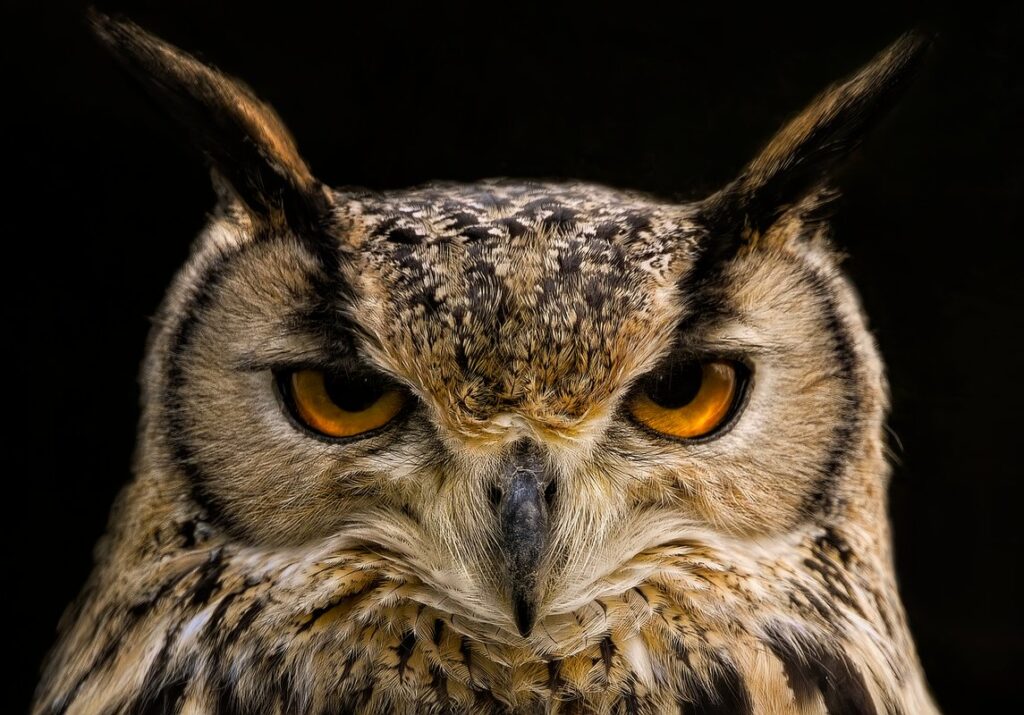
Introduction to Owls and Chickens
If you’re new to raising chickens, it’s essential to understand the role of owls in your yard and why they might be attracted to your flock. Let’s start by exploring the basics of owl behavior and chicken ownership.
Why Owls Pose a Threat to Chickens
Owls are a natural predator of chickens, and it’s not uncommon to see them swooping down on chicken yards in search of an easy meal. But why do owls find chicken yards so attractive? The answer lies in their hunting habits and behavior.
When it comes to hunting, owls are opportunistic feeders, which means they’ll take advantage of whatever food source is readily available. In the case of chickens, a yard filled with clucking birds is like a dinner bell ringing in an owl’s ears. They’re attracted to the sound of chickens, and their keen eyesight allows them to spot potential prey from a distance.
Owls are also intelligent hunters that use stealth and strategy to catch their quarry. They’ll often fly into chicken yards at dusk or dawn when birds are most active, using their silent flight and sharp talons to snatch up unsuspecting hens. If you’ve had chickens attacked by owls before, you know how devastating it can be – not just for the loss of your flock but also for the emotional toll on you as a backyard chicken keeper. To learn more about owl behavior and how to protect your flock, let’s move forward with our comprehensive guide to owl deterrents for chicken yards.
Understanding the Impact of Owl Predation on Your Flock
When you notice an owl lurking around your chicken yard, it’s essential to understand the impact of its predation on your flock. Owl predation can have severe effects on your chickens’ health, productivity, and overall well-being.
Firstly, owl attacks can lead to significant stress levels in your chickens. This stress can compromise their immune system, making them more susceptible to diseases and infections. For instance, a study conducted by the University of California found that stressed birds are three times more likely to contract respiratory diseases like avian influenza.
Owl predation can also impact your flock’s productivity. Chickens under attack may become withdrawn or stop laying eggs altogether. A single lost chicken due to owl predation can be devastating for small-scale farmers, resulting in financial losses and reduced egg production.
To mitigate the effects of owl predation, it’s crucial to prioritize owl deterrents in your chicken yard. This includes using visual deterrents like balloons, shiny reflective surfaces, or predator decoys, as well as modifying your yard with features that make it less appealing to owls. We’ll discuss more on these methods in later sections of this guide.
By understanding the impact of owl predation and taking proactive measures to prevent it, you can create a safer environment for your flock, ensuring their health, productivity, and overall well-being.
Identifying Signs of Owl Activity in Your Chicken Yard
When it comes to protecting your flock from owl attacks, being able to recognize signs of owl activity is crucial. Look out for unusual droppings, feathers, and nesting materials scattered around your chicken yard.
Visual Cues: What to Look for When Inspecting Your Coop or Run
When inspecting your coop or run for signs of owl activity, it’s essential to know what to look for. One common indication is talon marks on feeders, nesting boxes, or walls. These razor-sharp claws can leave behind deep scratches and gashes, often accompanied by a small amount of blood.
Another telltale sign is the presence of feathers, particularly owl feathers with their distinctive shape and texture. You might find them scattered around the coop or run, or even caught in fencing or machinery. Be sure to check for regurgitated pellets as well – these compact, pellet-like masses are a key component of an owl’s digestive system.
When searching for signs of owl activity, pay attention to any areas where chickens congregate, such as nesting boxes or roosting bars. Owls often target these hotspots, and their presence can be reflected in the condition and cleanliness of these areas. By recognizing these visual cues, you’ll be better equipped to identify potential owl problems and take steps towards addressing them effectively.
Auditory and Olfactory Indicators of Owl Presence
When it comes to identifying owl presence in your chicken yard, there are two senses that can provide crucial clues: hearing and smell. Owls are nocturnal hunters, which means they’re most active at night, and as a result, their presence often manifests through auditory signals.
Listen for hooting calls or whistling sounds coming from nearby trees or shrubs. Barn owls, in particular, are known to produce a distinctive screeching sound that’s often repeated, while great horned owls emit a low, hooting call. Keep an ear out for these sounds between dusk and dawn when owl activity is typically highest.
Smell can also indicate owl presence. Owls have a unique scent due to their diet of small mammals and birds, which can leave behind distinctive odors on perches or nesting sites. Look for areas with strong musky or earthy smells, as these could be signs of an owl’s presence. Pay attention to the location of these scents, as they may indicate where owls are roosting or hunting in your yard. By tuning into both auditory and olfactory cues, you can better detect and deter owl activity from your chicken yard.
Choosing Effective Owl Deterrents for Your Chicken Yard
When it comes to protecting your flock from owl attacks, selecting the right deterrent is crucial. Here we’ll explore effective and humane methods to keep owls away from your chicken yard.
Visual Deterrents: Using Light and Motion to Scare Off Owls
Visual deterrents are a creative and non-invasive way to scare off owls from your chicken yard. These devices work on the principle that owls are nocturnal hunters and prefer to hunt under low-light conditions. By disrupting this environment, you can effectively deter them from visiting your coop.
One of the most effective visual deterrents is motion-activated lights. These lights are designed to turn on when they detect movement, startling any potential owl visitors. You can place these lights around the perimeter of your chicken yard or near areas where owls have been spotted previously. Not only do they provide a sudden flash of light, but also help deter other nocturnal predators.
Another option is using owl decoys. These are fake owls designed to mimic the appearance and shape of real owls. Hang them in strategic locations around your chicken yard, making sure they’re visible from a distance. This can confuse potential owls into thinking that the area is already occupied by a rival or predator.
Noise-Making Devices: Creating a Noisy Environment to Repel Owls
Noise-making devices are another popular option for deterring owls from your chicken yard. These devices create a loud noise that can be unpleasant for owls and other birds of prey, making it an effective deterrent method. Ultrasonic repellent emitters and loudspeakers are two common types of noise-making devices used to repel owls.
Ultrasonic repellent emitters use high-frequency sounds inaudible to humans but unpleasant for owls. These devices can be placed around the perimeter of your chicken yard or near areas where owls have been spotted. Some owners report success with these devices, especially when combined with other deterrent methods like visual scarecrows.
However, it’s essential to note that the effectiveness of noise-making devices can vary depending on several factors, such as the device’s quality and placement. To maximize their effectiveness, ensure the devices are placed in areas where owls frequent, and consider using multiple devices for better coverage. Additionally, some owners have found success by setting these devices on a timer to create a consistent and predictable noise pattern that owls can associate with danger.
Plant-Based Owl Deterrents for Your Chicken Yard
If you’re looking for a non-toxic and environmentally friendly solution to keep owls out of your chicken yard, plant-based owl deterrents are definitely worth considering. From hot peppers to garlic plants, we’ll explore some effective options.
Using Herbs and Plants to Repel Owls
If you’re looking for a natural and non-invasive way to keep owls away from your chicken yard, incorporating herbs and plants with owl-repelling properties is an excellent option. One of the most popular choices is lavender, which has been shown to be unappealing to owls due to its strong scent. Planting lavender around the perimeter of your coop or in areas where owls are commonly spotted can help deter them from returning.
Other herbs like mint and rosemary also possess similar properties that may discourage owls from nesting nearby. These plants can be easily incorporated into your garden by planting them in containers or directly into the ground. To maximize their effectiveness, consider placing them in a strategic location where their scent can waft towards potential owl entry points.
When selecting herbs for owl deterrence, be sure to choose varieties that are hardy and well-suited to your climate. By combining these plants with other natural deterrents, you’ll create a multi-layered defense system that will help keep owls at bay and protect your flock.
Creating a Barrier with Thorny Plants or Fencing
When it comes to protecting your chicken yard from owl attacks, creating a barrier around the area is essential. One effective method of doing this is by using thorny plants or fencing to prevent owls from entering. Thorny plants like cacti, rose bushes, and pyracantha are not only aesthetically pleasing but also serve as a natural deterrent for owls.
When selecting thorny plants, consider the mature size of the plant and its placement around your chicken yard. For example, if you have a small yard, choose compact or dwarf varieties that won’t overgrow their space. Also, ensure that the thorns are facing outwards to prevent birds from getting hurt by accidentally flying into them.
Fencing is another effective option for creating a barrier around your chicken yard. Choose a sturdy fence material like wood or metal with openings of 3 inches or less in diameter to prevent owls from squeezing through. Consider adding a top layer of barbed wire or electric fencing to make it even more difficult for owls to fly over the fence.
Remember, the key is to create a seamless barrier that prevents owls from accessing your chicken yard. By combining thorny plants and/or fencing with other owl deterrents like motion-activated sprinklers or ultrasonic repellent devices, you’ll be well on your way to protecting your flock.
Humane Owl Deterrents: Non-Lethal Methods for Coexisting with Owls
You’re looking for non-lethal ways to keep owls away from your chicken yard, and this section shares humane deterrent methods that really work. From visual scarecrows to motion-activated sprinklers, we’ve got you covered!
Using Netting and Coverings to Protect Your Chickens
Protecting your chickens from owl attacks can be a daunting task, but one effective method is using netting and coverings. When it comes to choosing the right type of netting, consider the size of the openings – smaller openings are more effective at keeping owls out. Hardware cloth with 1-inch mesh or poultry netting with 2-inch mesh are excellent options.
In addition to netting, you can also use coverings such as tarps or bird-proof netting to protect your chickens’ roosts and coops. Make sure these materials are securely fastened to prevent owls from simply flying over the top. Some farmers also recommend using a combination of both netting and covering methods for maximum protection.
It’s essential to ensure that any netting or covering material is sturdy enough to withstand wind and weather conditions. You should also consider any gaps or weaknesses in your coop design, as owls can exploit these entry points easily. By taking the time to properly cover and secure your chickens’ living space, you’ll significantly reduce the risk of owl attacks.
Employing Scarecrows or Other Visual Distractions
Using scarecrows or other visual distractions is an effective way to keep owls away from your chicken yard. Owls are attracted to quiet and still environments, which can make them vulnerable to attack if they’re startled by sudden movements. By employing a scarecrow or other visual distraction, you can create the illusion of movement and activity in your yard.
You can create a simple scarecrow using old clothes, straw, and a wooden stake. Place it in an area where owls are most likely to enter your yard. Alternatively, you can use shiny reflective surfaces like aluminum foil or CDs hung from trees to create a visual distraction. Another option is to set up a motion-activated sprinkler that will startle the owl with sudden movement.
To maximize the effectiveness of these methods, place them in areas where owls are most active and consider using multiple scarecrows or visual distractions to cover all entrances to your yard.
Long-Term Solutions: Integrating Owl Deterrents into Your Chicken Yard’s Design
To truly protect your flock, consider integrating owl deterrents into your chicken yard’s design from the outset, including permanent and adjustable features. This ensures a long-term solution for owls.
Incorporating Deterrents into Your Coop or Run Design
When incorporating owl deterrents into your chicken yard’s design, it’s essential to think creatively and strategically. One effective approach is to build in features that discourage owls from roosting or nesting on your property. Consider installing built-in perches or nesting boxes at a safe distance from your coop or run.
These structures can serve as an alternative attraction for owls, redirecting their attention away from your valuable assets. For example, you could install a series of elevated platforms that mimic the appearance and functionality of natural perches found in nearby trees. Alternatively, incorporating artificial nesting boxes with built-in predator guards can deter owls while still providing a safe haven for other birds.
When designing these features, be sure to take into account the specific needs and preferences of your local owl population. For instance, some species may prefer higher perches or more enclosed spaces. By integrating owl deterrents in this thoughtful way, you can create a harmonious balance between protecting your flock and coexisting with these magnificent birds.
Creating a Multi-Layered Defense System Against Owl Predation
When it comes to protecting your chicken yard from owl predation, relying on a single deterrent method is not enough. Owls are intelligent and adaptable birds, and they can quickly learn to overcome individual deterrents. To achieve long-term success, you need to create a multi-layered defense system that combines multiple deterrent methods.
Start by evaluating the strengths and weaknesses of each potential deterrent method, such as visual deterrents like shiny reflective tape or predator decoys, noise-making devices like ultrasonic repellent emitters, or physical barriers like netting or chicken wire. Choose a few methods that complement each other and are likely to be effective against owl predation in your specific area.
For example, you could combine visual deterrents with noise-making devices to create a powerful one-two punch. By placing shiny reflective tape around the perimeter of your yard and using an ultrasonic repellent emitter inside, you can create a multi-sensory experience that deters owls from approaching. Don’t forget to regularly inspect and maintain your deterrent systems to ensure they remain effective over time.
Conclusion and Next Steps
Now that you’ve learned how to keep owls out of your chicken yard, let’s take a look at what’s next: implementing these strategies and maintaining a safe flock.
Reviewing Key Takeaways from This Guide
As you close this comprehensive guide on owl deterrents for chicken yards, take a moment to reflect on the key takeaways that will help you protect your flock. Remember, owl attacks can be devastating, but with the right strategies and knowledge, you can significantly reduce the risk.
Recall that we discussed the importance of identifying owl activity in your area through observation and research. Understanding their behavior patterns is crucial in choosing effective deterrents. From noise-making devices to visual repellents, we explored various methods to scare owls away from your chicken yard.
Also, don’t forget about the importance of securing your coop with strong netting or wire mesh to prevent owl entry. Regular cleaning and maintaining a clean coop environment can also discourage owl visits. In addition, consider using physical barriers like owl-proof fencing around your yard’s perimeter.
Lastly, remember that patience and persistence are key in finding the most effective deterrent for your specific situation. Be prepared to try multiple methods before achieving success. By combining these strategies and staying vigilant, you’ll be better equipped to safeguard your flock from those nocturnal predators.
Final Tips and Recommendations for a Predator-Free Chicken Yard
As you’ve implemented owl deterrents in your chicken yard, it’s essential to maintain a safe and healthy environment for your feathered friends. Regular monitoring of the yard is crucial to ensure that owls don’t return despite your best efforts.
Keep an eye out for signs of owl activity such as owl droppings or feathers around the coop or run. If you notice any, it’s time to revisit your deterrent strategies and make adjustments accordingly.
To prevent future owl infestations, consider implementing a combination of physical barriers, noise-making devices, and visual deterrents that complement each other. For instance, install a motion-activated sprinkler near the coop entrance while also using reflective tape around the run’s perimeter.
Additionally, always follow proper sanitation and hygiene practices when cleaning the coop to prevent attracting rodents and other small mammals that might attract owls.
Frequently Asked Questions
Can I use owl deterrents with other types of birds, like turkeys or ducks?
You can use some owl deterrents for multiple bird species, but it’s essential to choose methods that are effective for your specific flock and environment. For example, visual deterrents like reflective tape or balloons may work well for chickens and turkeys, while noise-making devices might be more suitable for smaller birds like quail.
How often should I reposition owl deterrents to keep them effective?
To maintain the effectiveness of owl deterrents, it’s recommended to rotate or reposition them every 7-10 days. This will prevent owls from becoming accustomed to their location and reduce the likelihood of them adapting to your deterrent methods.
What are some common mistakes people make when setting up owl deterrents in their chicken yard?
Common errors include failing to provide adequate light sources for visual deterrents, neglecting to maintain noise-making devices, or using plants that may not be as effective at repelling owls. Be sure to research and follow the manufacturer’s guidelines for each deterrent method.
Can I use a combination of owl deterrents in my chicken yard?
Yes, combining different types of owl deterrents can create a multi-layered defense system against owl predation. For example, using visual deterrents like netting alongside noise-making devices or plant-based repellents can be an effective approach to protecting your flock.
How long will it take to see results from implementing owl deterrents in my chicken yard?
Results may vary depending on the effectiveness of the deterrent methods and the presence of owls in your area. Some methods, like using motion-activated sprinklers or scare balloons, can provide immediate results, while others, such as incorporating plant-based repellents into your coop design, may take longer to become effective.