
Backyard chicken keeping can be a wonderful hobby, but it also comes with its set of challenges. One common problem many coop owners face is owls swooping in to snatch their prized birds. These majestic creatures may look beautiful, but they’re a force to be reckoned with when it comes to protecting your flock.
If you’re tired of losing birds to owl attacks or want to prevent them from happening in the first place, this article is for you. We’ll delve into various effective ways to deter owls from visiting your coop, including physical barriers, visual deterrents, motion-activated devices, and environmental modifications. Our comprehensive guide will walk you through each method, giving you the confidence to safeguard your birds and enjoy a peaceful backyard chicken-keeping experience. By the end of this article, you’ll be well-equipped to protect your flock from owl threats.
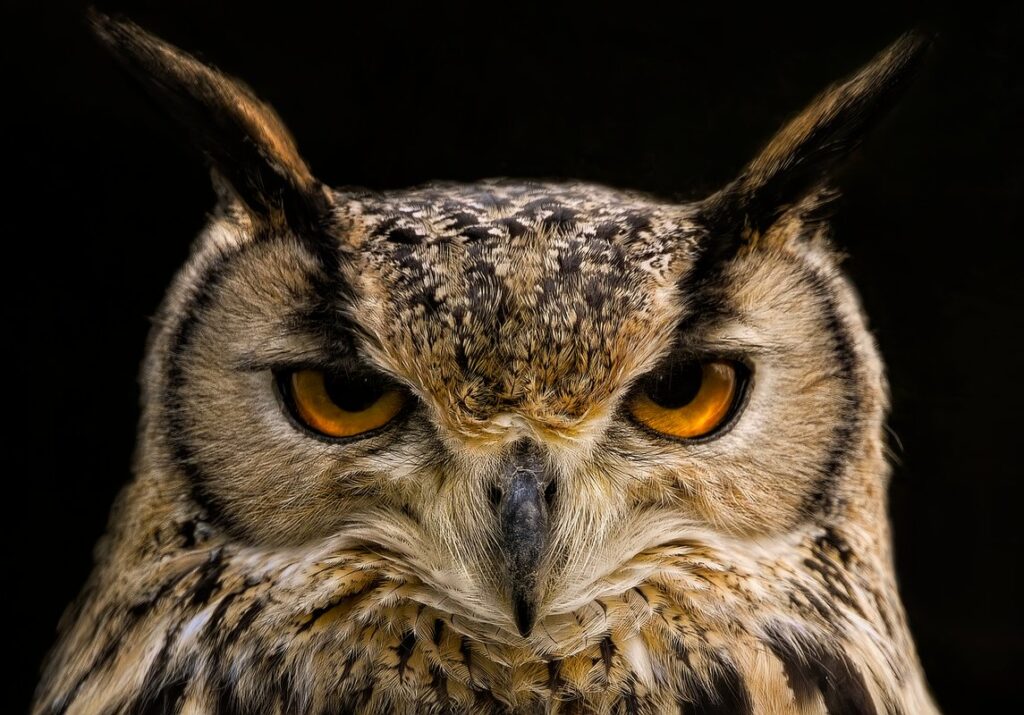
Understanding Owl Behavior and Their Impact on Poultry
Understanding owl behavior is crucial when it comes to protecting your flock, as their nocturnal hunting habits can catch you off guard. Let’s dive into what drives these birds of prey and how they impact your poultry.
Identifying Common Owl Species Found in Backyard Coops
When it comes to protecting your backyard flock from owl attacks, understanding the common species found near coops is crucial. In North America alone, there are over 20 owl species, but some stand out as more prolific predators of poultry.
The Barn Owl, for example, is a frequent visitor to rural areas and backyards alike, often nesting in barns, tree cavities, or even abandoned buildings nearby. Its sharp talons and silent flight make it a formidable hunter, capable of snatching chickens right from under your nose.
Another common species is the Great Horned Owl, which roams urban and rural landscapes alike, preying on small mammals but also known to target poultry when opportunity arises. Its piercing hoot can be heard for miles, serving as both a warning call and an eerie reminder that it’s always lurking nearby.
To identify owls in your area, look for telltale signs such as pellets of fur and bone near nesting sites or the presence of owl droppings with their characteristic shape and size. If you suspect an owl is frequenting your coop, take note of its behavior – does it appear during dawn or dusk when birds are most active? Does it seem to be targeting specific areas around the coop? Armed with this knowledge, you’ll be better equipped to implement effective owl deterrents and safeguard your flock.
Recognizing Signs of Owl Activity Around Your Coop
Recognizing signs of owl activity around your coop is crucial to determine if these birds are a threat to your flock. When owls are present, they leave behind evidence that can be easily identifiable. Start by inspecting the area around your coop for droppings or pellets. Owl droppings are usually tubular in shape and about 1-2 inches long, with a pointed end. They may be grayish-brown in color and often contain small bones and feathers.
If you notice any damage to eggs or chicks, it could indicate owl activity. Owls prey on vulnerable birds like young chickens or those that are isolated from the rest of the flock. Look for any signs of struggle or disturbance around the coop’s entrance or nesting boxes. Finding owl feathers near your coop is another giveaway. Owl feathers are soft and rounded at the ends, unlike the flat edges of chicken feathers.
If you suspect owls are present, check for damaged eggs by carefully inspecting them for cracks or bites. You may also notice that some birds are stressed or hiding more frequently than usual. By being aware of these signs, you can take proactive measures to protect your flock from owl attacks.
Physical Barriers: Deterrents for Coops
When it comes to safeguarding your coop from owl threats, physical barriers can be an effective and easy-to-implement solution. Let’s explore some of these deterrent methods together.
Enclosures with Owl-Proof Netting and Hardware Cloth
When it comes to protecting your flock from owl predators, using netting and hardware cloth is an effective physical barrier solution. These materials can be used to cover coops and enclosures, preventing owls from entering and posing a threat to your birds.
Netting, specifically owl-proof netting, is designed with larger mesh sizes that prevent owls from squeezing through. This type of netting should have openings of at least 2 inches by 4 inches to ensure it’s owl-proof. Covering the coop or enclosure entirely with netting will help keep owls out.
Hardware cloth, on the other hand, is a sturdy metal mesh that can be used for areas where netting isn’t feasible. It’s ideal for covering corners and edges of coops and enclosures. Burying hardware cloth 12 inches underground around the perimeter helps prevent digging owls from getting underneath it.
When installing either type of barrier, ensure it extends at least 3 feet above the coop or enclosure to prevent owls from perching on top of them. Regularly inspecting these barriers for damage is crucial to maintaining their effectiveness in keeping owls away.
Installing Physical Barriers Around Your Coop
When it comes to installing physical barriers around your coop to deter owls, you have several options to consider. One key factor is the height of your fence. Owls are excellent climbers, so a minimum fence height of 6 feet is recommended. However, if you live in an area with frequent owl sightings, consider increasing the height to 8 or even 10 feet.
The width of your fence is also crucial. A narrow fence can be easily bypassed by owls, but a wider fence will make it more difficult for them to fly over. Aim for a fence that is at least 3 feet wide to provide an effective barrier.
In addition to height and width, the material used for your fence can also play a role in deterring owls. For example, chicken wire or netting may not be sufficient as owls can easily tear through them. Instead, opt for sturdy materials like wood or metal that are more difficult for birds to penetrate.
It’s essential to consider the surrounding environment when designing your coop and fence system. Make sure to take into account any nearby trees or structures that an owl might use as a launching point to reach your coop.
Visual Deterrents: Owl-Repellent Materials
To keep those nocturnal predators at bay, consider using owl-repellent materials that disrupt their natural hunting instincts, such as shiny reflective surfaces. These can be an effective addition to your coop’s defenses.
Reflective Surfaces and Mirrors to Intimidate Owls
When it comes to deterring owls from approaching coops, reflective surfaces and mirrors can be an effective visual deterrent. Owls have exceptional eyesight, but they are also wary of shiny objects that reflect light. By strategically placing reflective surfaces or mirrors around the coop, you can create a visual warning system that deters owls from landing nearby.
Choose reflective materials with a high reflective coefficient, such as aluminum foil or polycarbonate sheets. You can attach these to the coop walls, roof, or even place them on stakes surrounding the area. For a more dramatic effect, hang large mirrors or mirrored panels near entry points. The sudden reflection of light and movement will startle owls and make them think twice about approaching.
To maximize effectiveness, ensure that reflective surfaces are installed at an angle to catch the sunlight. This will create a dazzling display of reflected light during the day, while also providing a clear visual warning for owls at night when light is scarce.
Using Owl-Repellent Balloons and Streamers
When it comes to using owl-repellent balloons and streamers, their effectiveness lies in disrupting the owl’s flight pattern. By creating a visual disturbance, these materials can make it difficult for owls to navigate through areas where they are placed.
The movement and reflection of balloons and streamers in the wind can be particularly effective against owls that rely heavily on their exceptional night vision. When an owl swoops down to attack its prey, it’s likely to fly directly at what it perceives as a potential threat – in this case, the reflective surfaces of balloons or streamers.
To use these deterrents effectively, place them strategically around your coop and surrounding areas, taking into account the flight patterns of owls. Positioning balloons and streamers near roosting sites, entry points, and vulnerable areas can help protect your flock from owl attacks. By incorporating owl-repellent balloons and streamers into your defense strategy, you can create a more secure environment for your birds to thrive in.
Motion-Activated Deterrents: Scaring Off Owls
If you’re struggling to protect your flock from these silent hunters, motion-activated deterrents can be a lifesaver in an owl-infested area. Let’s explore how they work to scare off owls effectively.
How Motion-Activated Sprinklers Work as an Owl Deterrent
When it comes to motion-activated sprinklers as an owl deterrent, these devices work by startling owls with sudden water bursts when they enter a designated area. This can be an effective way to scare them away from your coop and protect your flock.
Here’s how it works: the sprinkler is typically placed around the perimeter of the coop or in areas where owls are most likely to land. When an owl approaches, its movement triggers the sprinkler, releasing a brief but sudden burst of water. This shock can be enough to scare the owl away, and even if it’s not, repeated exposure can become habit-forming for these birds.
Some key features to consider when choosing a motion-activated sprinkler include:
* Sensitivity: look for devices with adjustable sensitivity settings so you can tailor them to your specific needs.
* Coverage area: choose a sprinkler that can effectively cover the entire area around your coop.
* Weather resistance: ensure the device can withstand outdoor conditions.
By installing a well-suited motion-activated sprinkler, you can create an effective barrier against owl invasions and safeguard your flock.
Using Ultrasonic Repellent Devices Against Owls
Ultrasonic repellent devices have gained popularity among backyard chicken keepers as an effective way to deter owls from their coops. These devices emit high-frequency sounds that are undetectable to humans and most animals, but unpleasant for owls. The principle behind these devices is simple: by disrupting owl communication, they can drive the birds away.
Here’s how it works: when an owl approaches a coop equipped with an ultrasonic device, it will pick up on the high-frequency sound waves emitted by the device. These sounds are believed to mimic the distress calls of other owls or even a predator, causing the owl to become uneasy and fly away. In some cases, repeated exposure to these sounds can lead to habituation, where the owl learns to associate the area with danger and avoids it altogether.
To effectively use ultrasonic repellent devices against owls, place them around the perimeter of your coop or in areas where owls have been spotted. Make sure to follow the manufacturer’s instructions for placement and settings. With consistent use, these devices can provide a reliable defense against owl attacks, giving you peace of mind knowing your flock is safe from harm.
Environmental Modifications: Owl-Proofing Your Coop
To effectively keep owls out of your coop, making some key environmental modifications can be a crucial step in owl-proofing your backyard flock. This includes strategies for coop layout and design changes.
Landscaping Changes to Reduce Owl Habitat Attraction
When it comes to protecting your flock from owl attacks, modifying your yard’s landscape is an essential step. Owls are attracted to areas with abundant prey and suitable nesting sites. By making a few strategic changes, you can reduce the attractiveness of your coop to these feathered predators.
Firstly, consider the types of trees and shrubs surrounding your coop. Tall trees with dense foliage provide ideal perches for owls, allowing them to scan the area for prey. Remove or trim any trees that are within 10-15 feet of your coop, especially if they have a canopy that stretches over the top. Replace these with shorter, more owl-deterrent species like lavender or rosemary.
Another key consideration is the availability of food sources around your coop. If you’re feeding chickens or other small birds in the yard, consider moving their feeders and waterers to a location farther away from the coop. This will discourage owls from hunting in the area. Additionally, keep the surrounding grass short, as tall grasses can provide cover for owl prey.
By making these simple landscape modifications, you’ll be taking a crucial step in reducing your coop’s appeal to owls and protecting your flock from potential attacks.
Removing Tree Branches and Shrubs to Reduce Perches
When it comes to protecting your flock from owl attacks, one crucial step is often overlooked: removing nearby perches that can serve as landing spots for these birds of prey. Owls are opportunistic hunters, and having a convenient perch nearby makes it much easier for them to swoop in and snatch an unsuspecting chicken.
Take, for example, a nearby shrub or small tree with branches that overhang your coop. If owls can land on these branches and then drop down into the coop, they’re essentially creating their own “owl highway” to get to your birds. By removing these perches, you’re making it much harder for owls to approach your coop.
Consider this: if a branch is within 10 feet of your coop, owls can easily jump from that branch and land right inside the coop. By trimming or removing nearby shrubs and trees with overhanging branches, you can create a “buffer zone” around your coop that makes it more difficult for owls to get close.
To implement this modification, take note of the specific areas where owls are most likely to perch – near food or water sources, or near openings in the coop. Then, prune or remove any shrubs or branches within 10-15 feet of these areas. This simple yet effective change can make a big difference in owl deterrence!
Integrated Pest Management (IPM) Strategies
To keep those owls at bay, you’ll want to learn about effective Integrated Pest Management strategies that complement our recommended deterrents and help maintain a safe coop environment. Let’s explore some practical approaches together!
Combining Deterrent Methods for Maximum Effectiveness
When it comes to protecting your flock from owl attacks, using multiple deterrent methods can be more effective than relying on a single approach. By combining different techniques, you can create a robust defense system that minimizes the risk of predation. Let’s consider some examples: motion-activated sprinklers, which can startle owls with sudden water sprays, paired with shiny reflective tape or aluminum foil strips hung around the coop to disorient them. This combination can be particularly effective as owls rely heavily on visual cues.
Another example is using high-intensity lights, such as LED floodlights, in conjunction with loud noises generated by ultrasonic repellent devices. These methods can help disrupt an owl’s hunting strategy and make your coop less appealing. Remember that every farm or backyard is unique, so it’s essential to experiment and find the right combination of deterrents for your specific situation.
By incorporating multiple owl deterrent methods into your IPM plan, you can significantly reduce the likelihood of an attack. Be sure to regularly monitor and adjust your approach as needed to ensure optimal effectiveness.
Monitoring Your Flock and Adjusting Your Owl Deterrent Strategy
Monitoring your flock and adjusting your owl deterrent strategy is crucial to effectively protecting them from these silent predators. Continuous monitoring allows you to identify early warning signs of an owl presence, such as reduced egg production, dead or missing birds, or increased noise and agitation among the flock.
Start by regularly inspecting your coop’s surroundings, including its roof, walls, and any adjacent areas where owls might roost or perch. Keep a close eye out for any signs of owl activity, like droppings, feathers, or talon marks on trees or structures. If you notice any unusual behavior among the flock, investigate immediately to determine if it’s related to an owl presence.
Adjusting your deterrent strategy requires flexibility and a willingness to try new approaches as needed. Consider factors such as seasonal changes in owl activity, variations in weather patterns, and adjustments to your flock’s size or composition. For example, you might need to increase the effectiveness of your existing deterrents during peak hunting seasons or modify their placement in response to changing wind directions.
Be prepared to make adjustments based on your observations and experience. This could involve switching between different types of owl deterrents, modifying their deployment strategies, or even implementing new methods altogether. Remember that every coop is unique, with its own set of challenges and opportunities for innovation. By continuously monitoring and adapting your strategy, you can stay one step ahead of these nocturnal hunters and keep your flock safe from harm.
Frequently Asked Questions
What should I do if an owl is already nesting near my coop?
Start by carefully observing the owl’s behavior, noting its roosting locations and any specific areas it frequents. Once you have this information, use physical barriers or motion-activated deterrents to secure these entry points, making it difficult for the owl to access your flock.
How often should I check for signs of owl activity around my coop?
Regular monitoring is crucial in preventing owl attacks. Check your coop daily for any signs of owl presence, such as droppings, feathers, or nests. Also, keep an eye out for potential entry points and reinforce them with physical barriers or netting.
Can I use the same deterrent method throughout the year, or do I need to adjust it seasonally?
While some deterrent methods can be effective year-round, others may require seasonal adjustments. For example, if you’re using motion-activated sprinklers during summer months when owls are more active, consider switching to visual deterrents like reflective surfaces and mirrors during winter when owl activity is less frequent.
What’s the most cost-effective way to owl-proof my coop?
The most effective and cost-efficient approach involves combining multiple deterrent methods. Start by installing physical barriers around your coop, then supplement with motion-activated devices or visual deterrents as needed. This multi-faceted approach will provide maximum protection for your flock at a lower overall cost.
Can I use owl-repellent balloons and streamers in small coops?
Yes, these can be an effective deterrent method even in smaller coops. However, consider using them in combination with other methods, as owls may become accustomed to their presence over time. Rotate the location of the balloons or streamers regularly to keep the owl on its toes and maintain maximum effectiveness.