
If you’re a chicken keeper, you know how essential it is to provide your girls with the right nutrients to lay healthy eggs. One crucial aspect often overlooked is eggshell quality. Thin or brittle eggshells can be a sign of calcium deficiency, which affects not only egg production but also your flock’s overall health. That’s where oyster shell grit comes in – a natural and highly effective supplement that boosts calcium levels and improves eggshell strength. In this article, we’ll explore the benefits of using oyster shell grit in chicken feed, from enhanced eggshell quality to reduced disease risk. We’ll also cover how to use it safely and effectively, so you can give your chickens the best possible start.
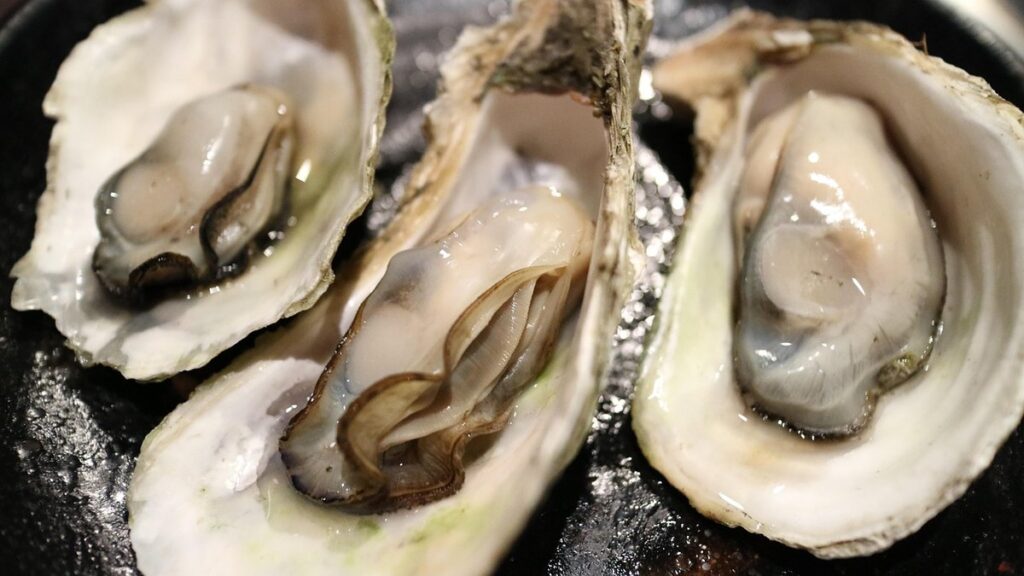
What is Oyster Shell Grit?
Let’s dive into what oyster shell grit is and why it’s a staple supplement for backyard chicken keepers to ensure healthy hens. Essentially, it’s a type of calcium-rich grit made from crushed oyster shells.
Definition and Origins of Oyster Shell Grit
Oyster shell grit is a popular supplement added to chicken feed to support the digestive health and overall well-being of backyard flocks. So, what exactly is oyster shell grit? Simply put, it’s crushed shell material made from the remains of oysters that have been processed into a fine, powdery form.
The origins of oyster shell grit date back to ancient times when farmers would collect shells from the ocean and grind them down into a usable form. Today, this process is largely mechanized, with manufacturers collecting oyster shells from seafood processing plants and then grinding them into a uniform size. The resulting product is often mixed with other minerals or supplements to enhance its nutritional benefits.
Oyster shell grit is particularly useful for chickens because it provides essential calcium and other minerals that help strengthen their eggshells and promote overall health. By adding this supplement to your chicken’s feed, you can enjoy a variety of benefits, including stronger egg shells, improved digestion, and reduced risk of certain diseases.
Benefits for Chicken Health
When it comes to maintaining the overall health and well-being of your chickens, providing them with essential nutrients is crucial. One key component that often gets overlooked is oyster shell grit. Not only does it help support digestive health by grinding down food particles, but it also plays a vital role in improving calcium levels within the flock.
Calcium is an essential mineral for chickens, particularly when it comes to producing strong eggshells. When hens don’t receive adequate amounts of calcium, their eggs may become brittle or thin. Oyster shell grit helps rectify this issue by providing a concentrated source of calcium that can be easily absorbed into the body. As a result, you’ll notice significantly stronger and more robust eggshells.
In addition to improved eggshell quality, oyster shell grit has been shown to reduce the risk of certain diseases in chickens. For instance, gout and kidney stones are often caused by an imbalance of calcium levels within the body. By supplementing with oyster shell grit, you can help mitigate this issue and promote a healthier flock overall.
In terms of practical application, it’s essential to provide oyster shell grit in moderation. A general rule of thumb is to offer 1-2% of the total feed ration as oyster shell grit. Monitor your flock’s health closely and adjust the amount accordingly.
Uses of Oyster Shell Grit in Chicken Feed
Oyster shell grit is a versatile supplement that can be used in various ways to support your chickens’ overall health, from improving eggshell quality to aiding digestion. Let’s explore these practical uses together.
Supplementing Layer Feed
When it comes to supplementing layer feed with oyster shell grit, there are several key considerations to keep in mind. First and foremost, it’s essential to understand the importance of grit for egg-laying hens. Grit helps chickens grind their food in the gizzard, which is a muscular organ located between the stomach and small intestine. This grinding action is crucial for maintaining strong eggshell production.
To use oyster shell grit as a supplement in layer feed, start by adding 2-4% of the total ration to the feed mixture. For example, if you’re feeding your flock 1 pound of feed per day, add 0.02-0.04 pounds of oyster shell grit. You can also mix it directly into their feed or provide a separate dish for them to access throughout the day.
Proper dosing is critical to avoid over-supplementation, which can lead to digestive issues in your flock. Monitor your hens’ egg production and adjust the amount of grit as needed. By incorporating oyster shell grit into their diet, you can expect an improvement in both eggshell quality and overall health.
Adding to Starter Feed
When introducing young chickens to oyster shell grit through their starter feed, you can expect several benefits. For one, oyster shell grit is an essential mineral source that helps support the development of strong bones and teeth in chicks.
Research has shown that including oyster shell grit in starter feed results in improved growth rates. This is because oyster shell grit contains key minerals like calcium and phosphorus that are crucial for bone formation and overall chick health. For instance, a study on broiler chickens found that adding oyster shell grit to their diet led to a significant increase in body weight gain and better bone density.
Another advantage of incorporating oyster shell grit into starter feed is the reduced risk of metabolic bone disease (MBD). MBD is a common issue in young birds, where inadequate calcium intake can lead to softening of bones. By providing oyster shell grit from an early age, you can significantly lower this risk and promote overall health.
It’s essential to introduce oyster shell grit gradually into your chicks’ starter feed. Begin by mixing a small amount (about 1-2%) with their regular feed for the first few weeks. Monitor their response closely and adjust the ratio as needed.
Oyster Shell Grit vs. Other Calcium Sources
When it comes to supplementing your flock’s calcium intake, you may be wondering how oyster shell grit stacks up against other popular sources of this essential nutrient for chickens. Let’s compare the benefits and drawbacks.
Comparison with Crushed Eggshells
While crushed eggshells can be used as a calcium source for chickens, oyster shell grit has several advantages that make it a more popular choice among backyard flock owners. One key difference lies in their nutritional content: oyster shells are higher in calcium carbonate (95-99%) compared to crushed eggshells (around 90%). This means oyster shell grit is more effective at providing the necessary calcium for strong, healthy eggshell production.
In terms of convenience, oyster shell grit has a coarser texture that makes it easier for chickens to digest and absorb. Crushed eggshells, on the other hand, can be finer and may not provide the same level of nutritional value. Additionally, using crushed eggshells can lead to a buildup of calcium in the chicken’s digestive system if fed excessively.
If you do decide to use crushed eggshells, make sure to crush them finely before offering them to your flock. It’s also essential to ensure they are free from any contaminants or debris that may harm your chickens.
Limestone vs. Oyster Shell Grit
When it comes to providing calcium to your flock, you may wonder whether limestone or oyster shell grit is the better choice. While both options are commonly used as calcium sources for chickens, they have distinct differences in terms of their mineral profiles and potential health impacts.
One key distinction between limestone and oyster shell grit lies in their mineral composition. Limestone, which is often sourced from crushed rocks, typically contains a high percentage of calcium carbonate (CaCO3) but may also include other minerals like magnesium and iron. In contrast, oyster shell grit is derived from the shells of oysters and has a more complex mineral profile that includes not only calcium but also other essential nutrients like zinc, copper, and manganese.
Some owners may be drawn to limestone due to its lower cost compared to oyster shell grit. However, using limestone as a sole source of calcium can lead to an imbalance in your flock’s nutrient intake. For instance, the high magnesium content in limestone can potentially cause kidney damage or metabolic disorders in chickens if not balanced with sufficient phosphorus and other minerals.
On the other hand, oyster shell grit offers a more natural and balanced approach to providing calcium to your chickens. Its mineral profile is more closely aligned with their nutritional needs, making it an excellent choice for promoting strong eggshell production, bone growth, and overall health.
Health Considerations for Using Oyster Shell Grit
When using oyster shell grit, it’s essential to consider potential health risks, such as digestive problems and contamination from heavy metals or bacteria. We’ll explore these concerns in more detail below.
Potential Risks of Overconsumption
While oyster shell grit is a nutritious and essential supplement for chickens, there are potential risks associated with overfeeding it. One of the primary concerns is kidney damage caused by excessive calcium intake. When chickens ingest too much oyster shell grit, their kidneys can become overwhelmed trying to process the high levels of calcium, leading to scarring and potentially even failure.
Hypercalcemia, or elevated calcium levels in the blood, is another risk associated with overfeeding oyster shell grit. This condition can cause a range of symptoms including lethargy, depression, and muscle weakness. If left untreated, hypercalcemia can lead to more severe complications such as calcification of joints and organs.
To avoid these risks, it’s essential to monitor your flock’s intake of oyster shell grit closely. A general rule of thumb is to provide 1-2% of the chicken’s diet in oyster shell grit, depending on their age, size, and breed. Regular health checks can also help detect any potential issues early on, ensuring your chickens stay healthy and happy.
Interactions with Other Supplements
When using oyster shell grit as part of your chicken’s diet, it’s essential to consider potential interactions with other supplements or medications. Oyster shell grit can be particularly problematic when combined with high-calcium supplements, such as calcium carbonate or dolomitic limestone.
These combinations can lead to an excessive intake of calcium, causing hypercalcemia in chickens. Symptoms include kidney damage, lethargy, and decreased egg production. To avoid this risk, ensure you’re not over-supplementing your flock’s diet with multiple high-calcium sources.
Additionally, oyster shell grit may interact negatively with medications like tetracyclines and sulfonamides, which require an acidic environment to be effective. The alkalizing properties of oyster shell grit can neutralize the pH in the gastrointestinal tract, reducing the efficacy of these antibiotics.
To mitigate potential interactions, consult with your veterinarian or poultry expert before adding oyster shell grit to your flock’s diet. They can help you create a balanced and safe feeding plan for your chickens.
Tips for Using Oyster Shell Grit Effectively
To get the most out of oyster shell grit, make sure you’re using it correctly by following these essential tips to support your chickens’ health and digestive well-being.
Storage and Handling
When it comes to using oyster shell grit effectively, proper storage and handling are crucial to minimize waste and contamination. To start, store the oyster shell grit in a clean, dry container with a lid that fits tightly. This will prevent moisture from seeping in and causing the grit to become clumpy or develop mold.
Consider keeping a separate bin for each type of grit you have on hand, labeled clearly so you can easily identify what’s inside. When handling oyster shell grit, use clean scoop or tongs to avoid cross-contaminating it with bacteria or other substances that might harm your chickens. Make sure the storage area is well-ventilated and protected from pests.
For optimal results, aim to refill your chickens’ feeders every few days, only dispensing as much grit as they can consume in a short period. This will not only reduce waste but also prevent over-eating and potential health issues caused by excessive consumption of oyster shell grit.
Monitoring Chicken Health
When using oyster shell grit as a supplement, it’s essential to monitor your chickens’ health closely for signs of overconsumption or adverse reactions. Some common issues that may arise from excessive oyster shell grit consumption include:
• Gastrointestinal problems: If your chickens are eating too much oyster shell grit, they may experience gastrointestinal upset, including diarrhea and vomiting.
• Kidney stone formation: The high calcium content in oyster shell grit can increase the risk of kidney stones if consumed excessively.
• Nutrient imbalance: Overt consumption of oyster shell grit can lead to an excessive intake of calcium, which may disrupt the balance of other essential nutrients.
To monitor your chickens’ health effectively, keep a close eye on their behavior and appetite. Look out for signs such as lethargy, loss of appetite, or changes in stool quality. Regularly check your flock’s weight and overall condition to ensure they are not experiencing any adverse effects from the oyster shell grit supplement. If you notice any unusual health issues, consult with a veterinarian promptly.
Frequently Asked Questions
Can I use oyster shell grit for all stages of chicken development?
While oyster shell grit is excellent for layer hens, it’s not designed for chickens under a certain age or breed requirements. Typically, starter feed is formulated to meet the calcium needs of young birds, and adding oyster shell grit too early can lead to an imbalance in their diet. Start supplementing with oyster shell grit when your hens are about 18-20 weeks old and show signs of egg production.
How do I know if my chickens are getting enough calcium from oyster shell grit?
Monitoring your flock’s health is crucial, and a simple way to check for calcium adequacy is through regular eggshell inspections. Strong, thick eggshells indicate sufficient calcium levels. However, it’s also essential to weigh your hens regularly and look out for any signs of malnutrition or disease, such as thinning feathers, weight loss, or pale combs.
Can I mix oyster shell grit with other supplements like crushed limestone?
While it might be tempting to combine different supplements to get the most bang for your buck, it’s generally recommended to stick with a single source of calcium for optimal absorption. Oyster shell grit has been shown to have better bioavailability compared to crushed eggshells or limestone, so using multiple sources may not provide additional benefits.
How long does oyster shell grit typically last?
The shelf life of oyster shell grit is generally good if stored properly in an airtight container away from direct sunlight and moisture. When used as directed, one 5-pound bag can easily supply your flock for several months. However, the actual duration will depend on factors like feeding frequency, coop size, and bird population.
Can I use oyster shell grit as a substitute for crushed eggshells?
While both are calcium-rich supplements, there’s a key difference between the two: bioavailability. Oyster shell grit has been processed to break down the calcium into smaller particles that can be easily absorbed by chickens. Crushed eggshells, on the other hand, may not provide the same level of bioavailability and could potentially lead to digestive issues in your flock.