
If you’re a poultry farmer or keeper, you’ve probably come across two popular ingredients in laying hens‘ feed: oyster shells and grit. But do you know the key differences between them? Choosing the right supplement for your flock’s diet can be crucial for maintaining their health and maximizing productivity. In this article, we’ll delve into the main distinctions between oyster shell and grit, including their calcium content, availability, and cost considerations. We’ll explore why one might be more suitable than the other depending on your specific needs and circumstances. By understanding these differences, you can make an informed decision that supports your birds’ well-being and ensures they continue to lay healthy eggs for years to come.
Introduction to Poultry Nutrition
Let’s start at the beginning and explore the fundamentals of poultry nutrition, which is essential for understanding the role of oyster shell and grit in your flock’s diet. This sets the stage for a detailed comparison of these two supplements.
Importance of Proper Poultry Nutrition
Providing proper poultry nutrition is essential for their overall health and productivity. A well-balanced diet ensures that your birds grow strong, healthy, and maintain optimal egg production. When it comes to layer hens, a calcium-rich diet is crucial to support the formation of strong eggshells. This is where oyster shell and grit come in – two supplements often used to enhance poultry nutrition.
A calcium deficiency can lead to soft-shelled eggs or even reproductive issues in female birds. Oyster shells are a rich source of calcium, making them an ideal supplement for layer hens. However, it’s not just about adding any old calcium source to their feed. The bioavailability of calcium is also crucial – the body needs to be able to absorb and utilize it effectively.
To ensure your birds get the right nutrients, consider the following: provide a balanced layer feed as the main staple, supplement with oyster shells or grit (or both) depending on your flock’s specific needs, and ensure access to fresh water at all times. Regularly monitoring their health and adjusting their diet accordingly will help prevent any potential issues related to nutrition.
Overview of Common Supplements Used in Poultry Feed
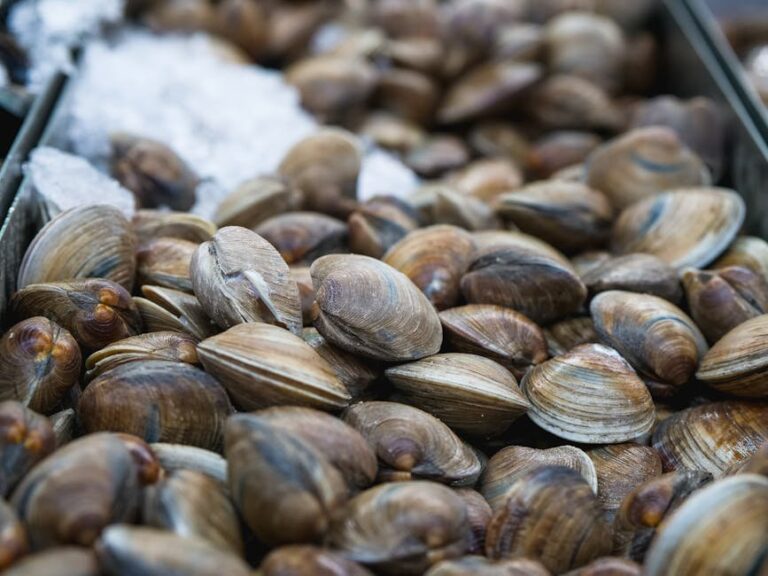
When it comes to poultry feed, several supplements are commonly used to ensure optimal nutrition and health for birds. Among these supplements, oyster shells and grit stand out as crucial components. Oyster shells, derived from oysters, are rich in calcium, an essential mineral for eggshell production and bone development. They also aid in maintaining the pH balance in the digestive system.
Grit, on the other hand, is a coarse material, often made of crushed granite or flint, that helps birds digest their food by grinding it in their gizzards. This process is particularly important for birds that don’t produce strong stomach acids to break down seeds and grains. Both oyster shells and grit are commonly used in poultry feed as they provide essential nutrients and support overall health.
It’s worth noting that some farmers choose to offer these supplements separately, while others mix them into the regular feed. The decision ultimately depends on factors such as the type of birds being raised, their age, and nutritional needs.
What is Oyster Shell?
Let’s get started by exploring what oyster shell actually is and how it differs from grit in terms of composition and benefits for your poultry. We’ll dive into its unique characteristics right now.
Composition and Nutritional Value of Oyster Shells
When it comes to oyster shells as a feed supplement for poultry, their composition and nutritional value are crucial factors to consider. Oyster shells are primarily composed of calcium carbonate (CaCO3), which makes up approximately 95% of their content. This high concentration of calcium is what makes them an excellent source of calcium for poultry.
The calcium content in oyster shells is particularly beneficial for laying hens, as it helps maintain strong eggshell production and promotes overall bone health. In fact, studies have shown that oyster shell supplements can increase eggshell thickness by up to 20% compared to birds not receiving such supplementation.
In addition to their high calcium content, oyster shells also contain other essential minerals like magnesium and phosphorus in smaller quantities. These minerals play a vital role in overall poultry health, including bone growth and development. When choosing an oyster shell supplement for your flock, be sure to select a product that is free of contaminants and additives, ensuring the best possible nutritional value for your birds.
History and Origins of Using Oyster Shells in Poultry Feed
The use of oyster shells as a supplement in poultry feed dates back to ancient times. Archaeologists have found evidence of oyster shell usage in the remains of chicken coops from medieval Europe. During this period, farmers recognized the importance of calcium in maintaining strong eggshell production and overall health.
As farming practices evolved, the use of oyster shells became widespread among commercial poultry producers. By the early 20th century, oyster shells were a common addition to feed mixes for laying hens. The reasoning behind their popularity was twofold: first, they provided an inexpensive source of calcium; second, they served as a natural grit substitute.
Many farmers still swear by the effectiveness of oyster shells in promoting eggshell quality and preventing breakage. For those looking to incorporate oyster shells into their own poultry feed mix, it’s essential to note that only crushed oyster shells are suitable for this purpose. The recommended ratio varies depending on the specific needs of your flock; typically, 2-5% oyster shell content is sufficient. By incorporating this simple yet effective supplement, you can take a proactive approach in supporting the health and productivity of your birds.
What is Grit?
So, you might be wondering what all the fuss is about when it comes to grit as a chicken feed supplement. Let’s start by defining what grit actually is and how it differs from oyster shells.
Types of Grit Used in Poultry Feed
When it comes to poultry feed, there are several types of grit that serve as essential supplements for birds’ digestive health. These hard, small particles help grind food in the gizzard, a muscular organ found in chickens and other birds, which aids in breaking down tough materials like seeds and grains.
The most common types of grit used in poultry feed include granite, limestone, and flint. Granite grit is often preferred for its durability and ability to withstand extreme temperatures without losing its texture or effectiveness. Limestone grit, on the other hand, helps neutralize acidity in the gizzard while providing essential minerals like calcium and phosphorus. Flint grit, a type of volcanic rock, offers high silica content, which can help improve bone density in birds.
When choosing a grit for your poultry feed, consider factors like the bird’s age, breed, and dietary needs. A balanced blend that includes a mix of granite, limestone, or flint grit can provide optimal results. You may also want to supplement with additional minerals or nutrients based on your flock’s specific requirements.
Importance of Grit for Poultry Digestion
When poultry birds ingest their food, it doesn’t come out as smooth as we do. The digestive system of chickens and other birds is different from ours, and it requires a specific component to grind down the food properly – that’s where grit comes in.
Grit plays a crucial role in helping poultry digest their food efficiently. It acts like tiny sandpaper for their gizzard, grinding down seeds, grains, and other hard materials into smaller pieces. This process makes it easier for the bird’s digestive system to break down the nutrients from its diet. Without grit, birds may experience problems such as indigestion, constipation, or even intestinal blockages.
In fact, studies have shown that poultry fed with grit have better overall health and performance compared to those without access to it. Grit is especially important for young chicks, who need it to develop their digestive system properly. A good quality grit should be provided regularly to the birds in a controlled environment.
Oyster Shell vs Grit: Key Differences
When it comes to choosing between oyster shell and grit, understanding their differences is crucial for optimal chicken health and egg production. Let’s dive into the key differences between these two popular supplements.
Calcium Content Comparison
When it comes to choosing between oyster shell and grit for your flock’s health, one key factor is calcium content. Both options provide essential nutrients, but they differ significantly in terms of their calcium levels.
On average, oyster shells contain around 38% calcium by weight, making them an excellent source of this vital mineral. This high concentration helps to promote strong eggshell production and overall bone health in hens. Additionally, oyster shells are often considered a more natural and easily digestible option compared to grit.
In contrast, grit typically contains between 30-40% calcium, although the exact percentage can vary depending on the type and brand. While still a valuable resource for chickens, grit’s lower calcium content may not be as effective in addressing eggshell issues or supporting bone health.
To put this into perspective, consider that hens require about 1 gram of calcium per egg produced to maintain strong shells. With oyster shells offering nearly double the amount of calcium found in grit, it’s clear why many poultry enthusiasts opt for the former when seeking a reliable source of this essential nutrient.
Availability and Cost Considerations
When it comes to choosing between oyster shells and grit for your chickens, availability and cost are crucial factors to consider. The location of your farm or backyard flock plays a significant role in determining the accessibility of these two options.
Oyster shells are widely available at most agricultural suppliers, feed stores, and even some supermarkets. However, their prices can vary depending on the supplier, with some costing upwards of $10 per 50-pound bag. On the other hand, grit is often more readily available, as it’s a common ingredient in many commercial feeds.
When sourcing oyster shells, consider reaching out to local fish markets or seafood suppliers, which may offer them at a lower cost due to their existing supply chain. You can also try online retailers that specialize in agricultural supplies. Keep in mind that shipping costs and delivery times may impact the overall expense.
To make informed purchasing decisions, research local suppliers, compare prices, and consider bulk orders to minimize costs. This will ensure you’re getting the best value for your money while providing a healthy and nutritious supplement for your chickens.
How to Choose Between Oyster Shell and Grit for Your Poultry Flock
Choosing between oyster shell and grit can be overwhelming, but don’t worry, we’ve got you covered – in this section, we’ll help you make an informed decision.
Factors to Consider When Selecting a Supplement
When selecting between oyster shell and grit for your poultry flock, there are several key factors to consider. The first consideration is the type of poultry you’re raising. Different species have unique nutritional needs, and what works for chickens may not work for turkeys or game birds. For example, chickens require a higher calcium content in their diet, making oyster shell a more suitable choice. On the other hand, turkeys and game birds can thrive on grit alone.
Another important factor is the age of your poultry. Young birds need a higher concentration of calcium to support bone growth and development, while older birds can tolerate lower levels of calcium. For instance, if you’re raising young chicks, it’s essential to provide oyster shell until they reach maturity. In contrast, mature hens may only require grit to supplement their natural grinding process.
Additionally, consider the size and breed of your birds. Some breeds, such as large heritage breeds, may require more calcium than smaller commercial breeds.
Tips for Implementing Supplements in Poultry Feed
When incorporating oyster shells and grit into your poultry feed, it’s crucial to ensure consistency and accuracy in dosage. A common mistake is over-supplementing, which can lead to mineral imbalances and negatively impact your birds’ health.
To avoid this, start by consulting the manufacturer’s guidelines for recommended dosages. These will vary depending on the specific supplement and age of your flock. For example, oyster shells are often used in layers to support calcium needs during egg production, while grit is essential for all ages to aid in digestive health.
In practice, you can implement supplements by mixing them into the feed at a consistent rate each day. Consider setting up a designated supplement station or having multiple containers filled with the correct proportions to make it easier to distribute evenly among your flock. Regularly monitoring and adjusting your supplementation plan will also help prevent any potential issues and ensure your birds are receiving the nutrients they need.
Conclusion: Making an Informed Decision on Oyster Shell vs Grit
Now that you’ve weighed the pros and cons of each option, it’s time to consider what matters most for your flock. We’ll summarize key takeaways and help you make a decision with confidence.
Summary of Key Takeaways
In conclusion, understanding the difference between oyster shell and grit is crucial for chicken keepers to make an informed decision about their flock’s health. From our discussion, we know that oyster shell provides essential calcium for egg-laying hens, especially those over 18 months old, while grit aids in digestion by helping grind food in the gizzard.
Key takeaways include:
* Oyster shell is a nutrient-rich supplement specifically formulated for laying hens to prevent or treat calcium deficiency.
* Grit, on the other hand, is an essential component of chicken feed that helps with digestion and grinding food in the gizzard.
* While grit can be used as a substitute for oyster shell, it’s not a direct replacement for nutritional needs.
* Hens over 18 months old require oyster shell to maintain strong eggshell production due to declining calcium levels.
* Provide both oyster shell and grit to your flock as part of their regular feed regimen.
By considering these essential differences, you can ensure your laying hens receive the necessary nutrients for optimal health.
Final Thoughts on Choosing the Right Supplement for Your Poultry Flock
As you weigh the pros and cons of oyster shell vs grit for your poultry flock, it’s essential to remember that choosing the right supplement is not a decision to be taken lightly. Your birds’ health and well-being depend on it, after all! Take the time to carefully consider their individual needs, your farm’s specific circumstances, and the long-term implications of each option.
Consider consulting with other poultry keepers or experts in the field to gain a deeper understanding of what works best for flocks similar to yours. Don’t be afraid to try out small batches or test different combinations before making a large-scale commitment. Remember, it’s not just about saving money or following a popular trend – it’s about giving your birds the best chance at optimal health and productivity.
Ultimately, informed decision-making is key when it comes to choosing between oyster shell and grit for your poultry flock. Take the time to research, evaluate, and weigh your options carefully, and you’ll be rewarded with a happy, healthy flock that thrives under your care.
Frequently Asked Questions
Can I use oyster shell and grit interchangeably for my poultry flock?
No, it’s essential to understand the unique benefits of each supplement and choose the right one based on your birds’ specific needs. Oyster shell is primarily used for its high calcium content to support strong eggshell formation, while grit is crucial for digestive health by helping grind down food in the gizzard.
How long does it take to notice improvements in my hens’ egg production after switching to oyster shell or grit?
The impact of these supplements on egg production can vary depending on factors such as flock age, nutrition quality, and individual bird needs. However, you may start noticing improvements within 2-4 weeks after introducing oyster shell or grit into your birds’ diet.
Can I grind my own oyster shells to save money?
While grinding your own oyster shells might seem cost-effective, it’s essential to ensure the quality and cleanliness of the material. Premade oyster shell supplements are often processed in sterile environments, reducing the risk of contamination and guaranteeing a consistent calcium content.
How do I know if my birds are getting enough grit in their diet?
Monitor your flock’s overall health, including their digestive system, as indicators of sufficient grit intake. Look for signs like reduced egg production, lethargy, or changes in droppings. Consult with a poultry expert to assess the specific needs of your birds and adjust their diet accordingly.
Can I use oyster shell or grit supplements in combination with other feed additives?
While some feed additives may complement the benefits of oyster shell or grit, others might interact negatively. Be cautious when combining supplements, and consult with a veterinarian or poultry expert to ensure you’re not creating potential health risks for your flock.