
If you’re a backyard chicken keeper or farmer looking to improve your flock’s health, you might be wondering about the best ways to support healthy egg production. One often-overlooked solution is incorporating oyster shells into their diet. Oyster shells have been long-recommended for hens, as they provide essential nutrients and minerals that strengthen eggshells and maintain strong bones in laying hens. By adding oyster shells to your flock’s diet, you can expect an increase in the quality and quantity of eggs produced. In this article, we’ll explore the benefits, uses, and best practices for using oyster shells in chicken feed, so you can learn how to give your hens the nutrition they need to stay healthy and productive.
Understanding the Basics of Oyster Shells in Chicken Feed
Oyster shells have been a long-standing supplement in chicken feed, and understanding their basics is crucial for incorporating them into your egg-laying flock’s diet effectively. Let’s dive into what you need to know.
What are Oyster Shells?
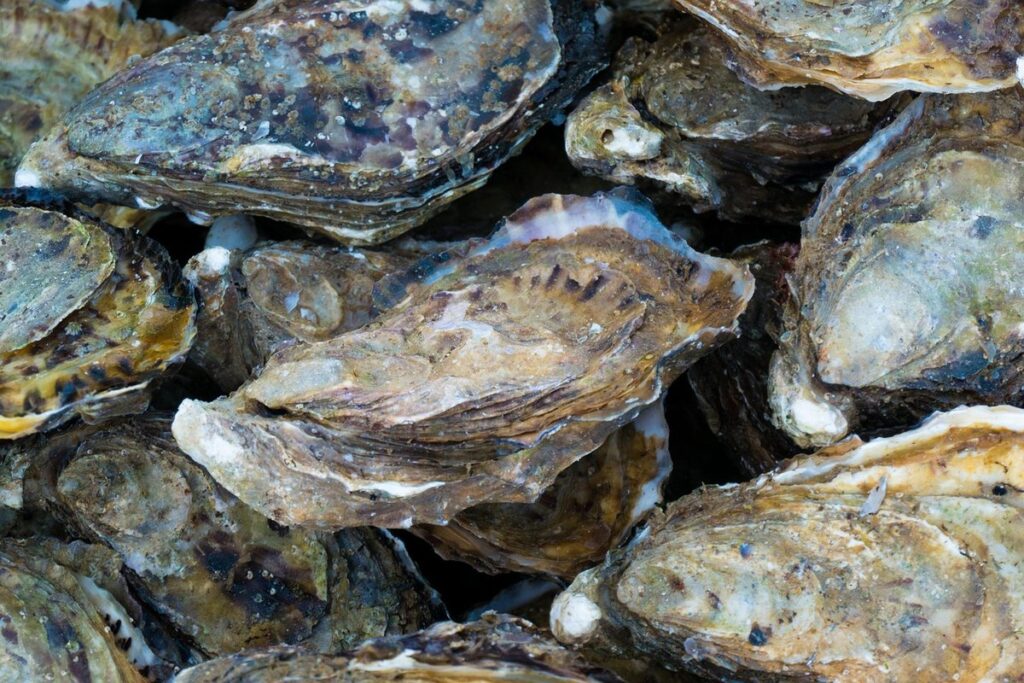
Oyster shells are a nutrient-rich supplement commonly added to chicken feed, particularly for hens that lay eggs. The primary component of oyster shells is calcium carbonate, a naturally occurring mineral that provides an excellent source of calcium for egg-laying birds. As chickens age and their reproductive cycles become more intense, they require higher levels of calcium to produce strong eggshells.
Calcium is essential for the development and hardening of eggshell membranes, ensuring that eggs are not too fragile or prone to cracking. Without sufficient calcium intake, hens may experience issues with eggshell production, leading to weak or misshapen eggs. Oyster shells serve as an ideal supplement to help bridge this nutritional gap.
When choosing oyster shell supplements for your flock, look for products that contain 95% or higher calcium carbonate concentration. This ensures you’re providing the most effective and efficient source of calcium possible.
Why is Calcium Important for Egg Laying Hens?
Calcium is essential for egg-laying hens to produce strong and healthy eggshells. When calcium levels are adequate, it helps to create a hard outer layer that protects the egg from damage during laying. A hen’s body uses this mineral to form the shell, which makes up about 95% of an eggshell.
If calcium is lacking in a hen’s diet, weakened eggshells can result, leading to increased breakage rates and potential health issues for the bird itself. Research suggests that even slight reductions in calcium intake can affect reproductive performance in hens. A study conducted by the University of California found that when calcium levels dropped below 1%, there was a noticeable decrease in egg production.
To ensure your flock receives sufficient calcium, consider adding oyster shell to their feed. Oyster shells are rich in calcium carbonate and provide an easily digestible source of this essential mineral.
How Oyster Shells Support Healthy Egg Production
Oyster shells are a fantastic way to support healthy egg production, and it’s all down to their unique blend of calcium and other essential nutrients. In this section, we’ll explore how oyster shells help keep your hens in top form.
Benefits of Using Oyster Shells for Egg Laying
When you provide oyster shells to your hens, they have several benefits that can improve egg production and overall health. One of the most significant advantages is improved eggshell strength. Oyster shells are rich in calcium carbonate, which helps strengthen eggshells, making them less prone to breakage.
As a result of this increased strength, you may notice an increase in egg production. Hens with access to oyster shells tend to lay more eggs overall, and they also have fewer eggs with cracks or breaks. This can be attributed to the calcium-rich composition of oyster shells that helps maintain strong bones in hens.
Stronger bones are essential for healthy egg laying, as they support the reproductive system and allow for efficient production of eggs. By providing oyster shells, you’re giving your hens a vital source of calcium that supports their overall health and well-being. This can lead to healthier hens with improved fertility rates and better egg quality.
Comparing Oyster Shells to Other Calcium Supplements
When it comes to supporting healthy egg production, oyster shells are often compared to other calcium supplements on the market. But what sets them apart? Let’s take a closer look at the differences between oyster shell and other popular calcium options.
Some farmers may consider using ground limestone or dolomitic limestone as an alternative to oyster shells. However, these products have lower bioavailability rates than oyster shells, meaning less of their nutritional content is actually absorbed by the birds. Additionally, they often contain magnesium and potassium, which can be detrimental to egg production in excess amounts.
On the other hand, oyster shell supplements have been shown to have a high absorption rate, with up to 90% of their calcium content being utilized by the bird’s body. This is due in part to the unique combination of minerals found in oyster shells, including zinc and iron, which support immune function and overall health.
In terms of cost-effectiveness, oyster shell supplements are often priced competitively with other calcium options on the market. However, their long-term benefits to egg production and bird health may far outweigh any initial costs. By incorporating oyster shells into your flock’s diet, you can help ensure a steady supply of healthy, high-quality eggs for years to come.
Choosing the Right Type of Oyster Shell for Your Flock
When it comes to supplementing your flock’s calcium intake, selecting the right type of oyster shell is crucial. Let’s explore the key considerations for choosing the best oyster shell for your laying hens.
Types of Oyster Shells Available
When it comes to providing your flock with oyster shell supplements, you have several options to choose from. Each type of oyster shell has its unique characteristics and advantages that can benefit your hens’ health and egg production.
Ground oyster shells are a popular choice among chicken keepers due to their ease of use. They can be added directly to the feed or mixed with other supplements. Ground oyster shells are also more cost-effective compared to other types, making them an excellent option for large flocks. However, they may not provide the same level of calcium absorption as crushed or whole oyster shells.
Crushed oyster shells, on the other hand, offer a higher surface area than ground oysters, allowing for better calcium absorption in your hens’ bodies. This type is ideal for smaller flocks or when you need to provide an extra boost of calcium during molting seasons.
Whole oyster shells are often preferred by chicken keepers who want to mimic the natural behavior of their birds pecking at oysters. These shells provide a more gradual release of calcium, allowing your hens to absorb it naturally over time. Additionally, they can be used as a treat or reward during training sessions.
Factors to Consider When Selecting an Oyster Shell Supplement
When selecting an oyster shell supplement for your flock, there are several factors to consider to ensure you’re providing the best nutrition possible. First and foremost, look for high-quality supplements that are made from pure, natural oyster shells. Avoid products that contain fillers or additives, as these can be detrimental to your hens’ health.
Check the label for purity percentages – a good supplement should contain at least 95% calcium carbonate, which is the primary source of calcium in oyster shell. Be wary of supplements with low purity levels, as they may not provide the necessary nutrition for your flock.
Consider the nutritional content of the supplement as well. Look for products that are rich in other essential minerals like magnesium and phosphorus, which are also important for eggshell production. Also, be mindful of any potential allergens or sensitivities that may affect individual hens in your flock.
Tips for Incorporating Oyster Shells into Your Chicken Feed
When adding oyster shells to your chicken’s feed, consider a few simple steps to ensure you’re giving them what they need to thrive and lay healthy eggs. Follow these practical tips to get started.
How to Mix Oyster Shells with Other Ingredients
When mixing oyster shells with other ingredients in chicken feed, it’s essential to follow the right ratios and guidelines to ensure your hens receive a balanced diet. Start by calculating the daily calcium needs of your flock based on their age, size, and egg production levels. A general rule of thumb is to provide 1-2% oyster shells by weight in the total feed mix.
To achieve this ratio, you can add crushed or powdered oyster shells directly to the feed or use an oyster shell supplement. Mix them well with other dry ingredients like grains, seeds, and vitamins. For example, if your flock consists of 10 hens and each needs about 1% calcium, you’ll need approximately 28-30 grams of oyster shells per day.
Remember that over-supplementation can lead to imbalanced nutrient intake. To avoid this, incorporate oyster shells in moderation, ideally during the early stages of laying or for birds under stress. Monitor your flock’s overall health and adjust the ratio as needed based on individual needs and performance.
Common Mistakes to Avoid When Using Oyster Shells
When using oyster shells to support egg-laying hens, it’s easy to get caught up in enthusiasm and make some common mistakes. Overusing oyster shells can lead to an imbalance of calcium in the diet, causing kidney damage or other health issues. On the other hand, underusing them might not provide enough calcium for strong eggshell production.
To avoid these pitfalls, start by determining your flock’s individual needs. A general rule of thumb is 1-2% oyster shell per hen’s daily feed intake. This may vary depending on factors like breed, age, and nutritional requirements. Monitor your hens’ overall health and adjust the amount accordingly. For instance, if you notice an increase in soft-shelled eggs or brittle beaks, it might be a sign that your flock needs more calcium.
Another mistake is to mix oyster shells with grains or other supplements without measuring their exact proportions. This can lead to inconsistent nutrient intake and undermine the effectiveness of the oyster shells. To ensure accuracy, place a separate container filled with oyster shells near the feeders for hens to access freely.
Additional Tips for Supporting Egg Laying Hens’ Health
To keep your girls happy and healthy, consider these extra tips for providing optimal care when supplementing with oyster shell. This includes monitoring their calcium levels and adjusting feeding schedules accordingly.
Importance of a Balanced Diet and Regular Grooming
When it comes to supporting the health of egg laying hens, many owners overlook two crucial aspects: providing a balanced diet and regular grooming. A well-rounded diet is essential for maintaining the overall health and vitality of your hens. Common dietary mistakes to avoid include over-reliance on layer feed, which can lead to nutrient deficiencies and imbalanced gut bacteria. Instead, supplement with oyster shell to provide a rich source of calcium, essential for strong eggshell production.
Regular grooming is also vital for maintaining your hens’ health. Make sure to provide regular access to dust baths, which help remove dirt and parasites from their feathers. Also, trim your hens’ beaks regularly to prevent overgrowth, which can lead to stress and discomfort. By incorporating these simple practices into your care routine, you’ll be able to identify potential health issues early on, allowing for prompt intervention and minimizing the risk of more serious problems.
Maintaining Clean Living Conditions and Providing Adequate Space
When it comes to supporting healthy egg production in hens, maintaining clean living conditions is crucial. A dirty and cluttered coop can lead to stress, disease, and parasites, which can negatively impact egg quality and quantity. Regularly clean the coop by removing soiled bedding, disinfecting surfaces, and replenishing fresh bedding material like pine shavings or straw.
Providing adequate space for your hens is also essential. Chickens need room to move around, stretch their wings, and engage in natural behaviors like foraging and dust bathing. A general rule of thumb is to provide at least 2-4 square feet of space per hen inside the coop, with an additional 8-10 square feet of outdoor access. This will help reduce stress and aggression among your flock.
Reducing stress is another key factor in supporting healthy egg production. Hens under chronic stress may experience a drop in egg production or even stop laying eggs altogether. To minimize stress, provide a balanced diet, plenty of fresh water, and regular exercise opportunities through free-range access. By attending to these essential needs, you’ll be well on your way to raising happy, healthy hens that thrive on oyster shell supplements.
Frequently Asked Questions about Oyster Shells and Egg Laying Hens
If you’re considering using oyster shell for your egg laying hens, you likely have some questions about its benefits and how it works. Below, we address some of the most common concerns.
Common Concerns and Misconceptions
Some people might be hesitant to add oyster shells to their hens’ feed due to concerns about the quality of the eggs produced. However, oyster shells have been safely used for decades as a calcium supplement in chicken feed without compromising egg quality. In fact, many commercial egg farms use oyster shells to improve shell thickness and reduce breakage.
Another common misconception is that oyster shells are only suitable for hens producing white eggs. This isn’t the case – oyster shells can be beneficial for both white- and brown-egg layers. The main goal of using oyster shells is to provide a readily available source of calcium, which is essential for strong eggshell production.
Some might also wonder about the availability of oyster shells in their area or worry that they’re too expensive compared to other calcium supplements. Fortunately, you can easily find crushed oyster shell at most feed stores or online, and it’s often priced similarly to other types of grit or oyster shell products.
If you do decide to use oyster shells for your hens, be sure to introduce them gradually into their diet to avoid digestive upset. A good starting point is to add about 1-2% crushed oyster shell to your hens’ feed. You can also mix it in with other supplements or treats as a calcium-rich snack.
Where to Find Reliable Information on Using Oyster Shells for Egg Laying Hens
When it comes to using oyster shells for egg laying hens, you’ll want to rely on credible sources of information. Here are some trusted websites and resources where you can find valuable insights:
Some excellent online forums for chicken keepers include BackYard Chickens and The Chicken Chick Forum, where experienced owners share their knowledge and experiences with oyster shell use. Additionally, the National Poultry Board website offers a wealth of information on poultry health and nutrition.
For written guides and books, consider “The Small-Scale Poultry Flock” by Harvey Ussery, which provides comprehensive advice on raising healthy chickens. The book covers topics such as feed management, including using oyster shells to support calcium intake in hens.
When searching for information online, look for sources that cite scientific studies or provide expert opinions from veterinarians or poultry nutritionists. You can also check websites of reputable egg producers and suppliers who specialize in oyster shell products. Some well-known brands include Purina and Manna Pro, which offer high-quality oyster shells specifically designed to support calcium needs in laying hens.
By consulting these sources, you’ll be able to make informed decisions about using oyster shells for your flock’s health and egg production.
Frequently Asked Questions
Can I use oyster shells as a substitute for other calcium supplements?
Yes, oyster shells are an excellent source of natural calcium that can be used as a direct substitute for other calcium supplements like crushed eggshells or limestone. When choosing between types, consider the ease of digestion and nutrient bioavailability.
How much oyster shell should I add to my flock’s diet per day?
The recommended amount of oyster shells to add to your flock’s diet varies based on factors such as age, breed, and feeding frequency. As a general guideline, 1/4 cup of crushed oyster shells is sufficient for a small flock (5-10 hens). Adjust according to individual bird needs.
Will adding oyster shells affect the taste or texture of my eggs?
When incorporated into their diet correctly, oyster shells should not significantly alter the taste or texture of your eggs. Ensure you’re following proper mixing instructions and monitoring your flock’s response.
Can I use oyster shells for chickens that are not egg-layers yet?
While oyster shells are specifically formulated to support calcium levels in egg-laying hens, they can also be beneficial for younger birds as part of a balanced diet. Consult with a poultry expert or veterinarian for specific advice on using oyster shells during the growth phase.
How do I store and maintain oyster shells after opening?
For maximum shelf life, store opened oyster shells in an airtight container to prevent moisture absorption. Keep them away from direct sunlight and heat sources, ideally in a cool, dry location like a cupboard or pantry. Regularly inspect your stored oyster shells for signs of spoilage or contamination.