
If you’re new to the world of backyard chickens, or an experienced breeder looking for a charming addition to your flock, chances are you’ve heard of the Partridge Cochin Bantam. This delightful breed has captured the hearts of many with its unique appearance and friendly temperament. But what makes the Partridge Cochin Bantam truly special? In this comprehensive guide, we’ll delve into the history and characteristics of this beloved breed, covering everything from their origins to tips on care, breeding, and showing. Whether you’re looking to bring home a new pet or simply want to learn more about these charming birds, we’ve got you covered. With our expert insights, you’ll be well-equipped to make informed decisions when it comes to bringing the Partridge Cochin Bantam into your life.
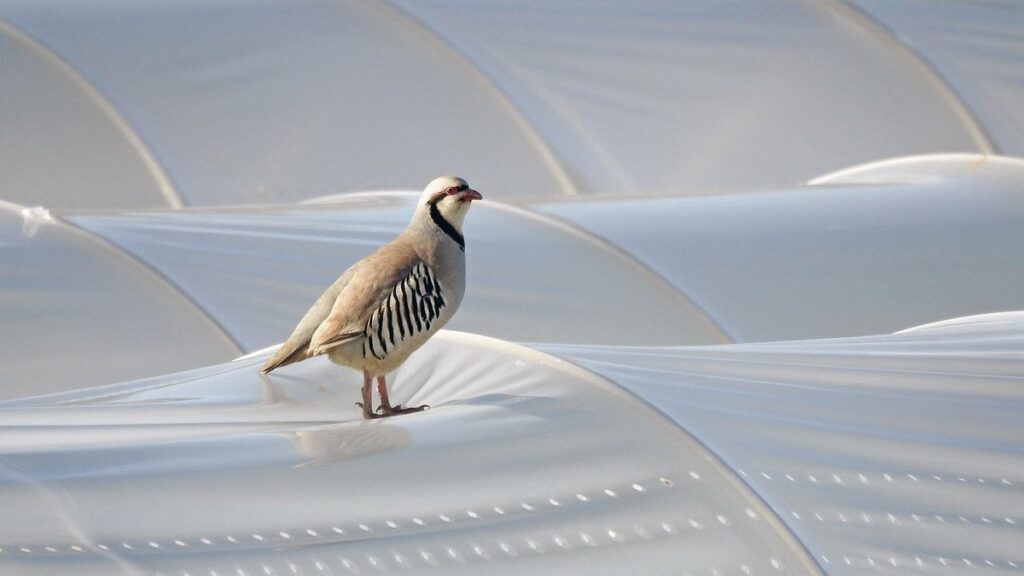
Introduction to the Partridge Cochin Bantam
Let’s start by getting familiar with the beautiful Partridge Cochin Bantam, a charming breed known for its rich history and stunning plumage. This section will explore their origins and unique characteristics.
Brief History of the Breed
The Partridge Cochin Bantam breed has its roots in the 19th century, emerging from the Cochins and Malaysian Comb breeds. These early ancestors were known for their sturdy build and unique characteristics, such as feathered legs and a distinctive comb.
As breeders began to select and refine these traits, the Partridge Cochin Bantam started to take shape. They developed a compact, rounded body with a short back and broad breast. The plumage became more vibrant, featuring intricate patterns of gold, silver, and copper.
By the early 20th century, the breed had gained recognition in poultry clubs and exhibitions, earning accolades for its striking appearance and charming personality. One of the key characteristics that set the Partridge Cochin Bantam apart is its compact size – hens typically weigh between 1.5-2 pounds, making them an ideal choice for backyard flocks or small farm settings.
In fact, their modest size allows them to thrive in even the smallest spaces, while their calm and docile nature makes them an excellent addition to families with children or pets.
Physical Characteristics of the Breed
The Partridge Cochin Bantam’s physical characteristics are truly one of its most endearing features. One of the breed’s most distinctive traits is its plumage, which can vary in color depending on whether you’re looking at a male or female bird. Males have a rich brown plumage with intricate black and gold markings, while females have a softer, more subdued appearance with shades of buff and grey.
In terms of beak shape, the Partridge Cochin Bantam has a distinctive curved beak that’s well-suited to pecking at grain and other small foods. Their beaks are also relatively short compared to some other breeds, which can make them look almost comical.
When it comes to body size, the Partridge Cochin Bantam is actually one of the smaller bantam breeds out there – weighing in around 1-2 pounds (0.5-1 kg) and standing about 10 inches (25 cm) tall at the shoulder. Despite their small stature, however, they’re known for being friendly, outgoing birds that pack a big personality into a tiny package.
Whether you’re looking to add some visual interest to your backyard or simply want a low-maintenance pet that’s easy to care for, the Partridge Cochin Bantam is definitely worth considering. With their unique looks and charming personalities, they’re sure to win over even the most discerning poultry enthusiasts!
Temperament and Personality
When it comes to partridge cochin bantams, understanding their temperament and personality is key to building a strong bond between you and your feathered friend. They can be quite lively and affectionate companions.
Understanding the Nature of Partridge Cochins
Partridge Cochins are known for their charming and affectionate nature. They make excellent pets due to their docile temperament, which makes them suitable for families with children. One of the key characteristics of this breed is their friendliness, they tend to be approachable and willing to interact with people.
Their adaptability to different environments is another impressive trait. Partridge Cochins can thrive in various living conditions, from small apartments to large backyards. This flexibility makes them an excellent choice for owners who live in cities or rural areas. They are also relatively quiet birds, which is a bonus for city dwellers.
To ensure you get the best out of your Partridge Cochin’s personality, it’s essential to provide them with adequate social interaction and mental stimulation. Spend time with your bird daily, engage in activities such as grooming and playtime. Provide a balanced diet that includes fruits, vegetables, and high-quality pellets.
Keep in mind that every Partridge Cochin is unique, so be patient and observe their individual personality traits. With proper care and attention, these birds can become loving companions, entertaining you with their antics and charming you with their gentle nature.
Handling and Socialization
When it comes to handling and socializing young Partridge Cochins, it’s essential to establish trust and build a strong bond with these birds. Start by gently picking up your chick, making sure to support its body and wings, and place it on your lap or in a towel for comfort. This helps them become familiar with human touch and scent.
Begin socialization early, around 3-4 weeks of age, by exposing your Partridge Cochin to various sounds, sights, and experiences that will help them develop confidence and calmness in new situations. Gradually introduce new environments, people, and other animals to prevent overwhelming or stressing the bird.
Establish a daily routine of gentle handling, feeding, and interaction, which can include activities like nail trimming, beak maintenance, and wing clipping. Be patient and consistent, as building trust takes time. Reward your Partridge Cochin with treats and praise for calm behavior during these interactions.
Health and Hygiene
Keeping your partridge cochin bantam healthy is crucial, so let’s dive into the importance of regular health checks and proper hygiene practices in their coop.
Common Health Issues in Partridge Cochins
Partridge Cochins are generally a hardy breed, but like all birds, they can be prone to certain health issues. One of the most common problems affecting this breed is respiratory issues. These can range from mild bronchitis to more serious conditions such as pneumonia. Factors that contribute to these issues include poor ventilation, humidity, and exposure to dust.
Another issue that affects Partridge Cochins is feather pecking. This behavior is often a sign of boredom or nutritional deficiencies in the flock. To prevent feather pecking, provide plenty of toys and activities to keep your birds stimulated. Also, ensure their diet includes essential nutrients such as calcium and vitamin A.
Reproductive disorders are another common problem affecting Partridge Cochins. Some owners may experience difficulty breeding this breed due to issues with fertility or egg-laying problems. If you’re having trouble breeding, it’s a good idea to consult with an experienced breeder or veterinarian for advice.
Regular check-ups with a veterinarian can help prevent and diagnose these health issues early on.
Maintaining Good Health through Diet and Environment
When it comes to maintaining good health through diet and environment for your Partridge Cochins, there are several key factors to consider. First and foremost, providing a balanced diet is crucial. Offer high-quality commercial pellets as the main staple, supplemented with fresh fruits and vegetables such as leafy greens, carrots, and apples. A calcium-rich feed or crushed eggshells can also help promote strong bone growth.
Maintaining a clean living space is equally important. Ensure that their coop is well-ventilated and free from dampness to prevent respiratory issues. Change the bedding material frequently, using materials like wood shavings or straw that are easy to clean and dry. Also, keep the coop off the ground to prevent moisture accumulation and insect infestation.
Regular cleaning of the run area should also be part of your routine. Remove any debris, droppings, or uneaten food daily to maintain hygiene and prevent the spread of diseases. Regularly disinfect all surfaces with a solution of 1 part white vinegar to 9 parts water.
Breeding and Raising Partridge Cochins
When it comes to breeding and raising partridge cochin bantams, it’s essential to understand their unique needs and characteristics. This section will walk you through the process of successfully raising healthy and happy birds.
Selecting Mates and Breeding Strategies
When it comes to breeding Partridge Cochins, selecting suitable mates is a crucial step. You’ll want to choose birds that possess the desired traits and characteristics you’re aiming for in your flock. This means considering factors such as plumage quality, feather pattern, size, and temperament.
Inbreeding, or mating birds that are closely related, can be beneficial in preserving specific traits within a line, but it’s essential to exercise caution when doing so. Linebreeding, which involves breeding birds with a common ancestor, is often used to introduce new genetics while still maintaining the desired characteristics of your breed. This strategy helps avoid the risks associated with inbreeding, such as reduced fertility and increased susceptibility to disease.
It’s also important to consider the sex ratio when selecting mates. Typically, you’ll want to have a mix of males and females in your breeding program to maintain genetic diversity and reduce the risk of genetic disorders. When introducing new birds to your flock, be sure to keep detailed records of their ancestry and traits to help guide future breeding decisions.
Caring for Chicks and Pullets
When it comes to caring for young Partridge Cochin chicks and pullets, it’s essential to provide them with a nurturing environment that meets their unique needs. From the moment they hatch, these little birds require a balanced diet rich in protein, calcium, and other essential nutrients.
As a breeder or owner of Partridge Cochins, you should know that starter feed specifically formulated for young chicks is a must-have during the first few weeks of life. Look for feeds with 18-20% protein content to support rapid growth and development. Provide fresh water at all times, and make sure the feeding area is clean and easily accessible.
As your chicks grow into pullets (young hens), you can gradually introduce layer feed (16% protein) around 4-5 weeks of age. Remember to provide adequate space for exercise, dust bathing, and socialization with other birds. A good rule of thumb is to allocate at least 3-4 square feet per bird inside the coop and 8-10 square feet in the run.
It’s also crucial to maintain a clean and well-ventilated environment, free from drafts and extreme temperatures. Make sure your chicks’ living space is warm enough (around 90°F) during the first few days after hatching and gradually reduce it as they grow. By paying attention to these specific needs, you’ll set your Partridge Cochin chicks and pullets on a path for strong growth, good health, and a long, happy life.
Show Preparation and Exhibition
Now that you’ve learned about the history, temperament, and care of your Partridge Cochin Bantam, let’s move on to preparing them for a show. This section will cover everything from grooming to presentation tips.
Preparing Your Bird for the Show Ring
Preparing for the show ring requires attention to grooming and training. Start by getting your Partridge Cochin Bantam accustomed to being handled regularly, making it easier to move them around during exhibitions. Practice handling sessions should be gentle but firm, aiming for 10-15 minutes a day.
Grooming is another crucial aspect of preparing your bird for the show ring. Familiarize yourself with the breed standard and pay attention to every detail, including plumage, posture, and beak alignment. Trimming nails and beaks regularly will also help maintain your Partridge Cochin’s appearance.
For exhibition purposes, birds are often required to stand on a pedestal or in a show cage. You’ll need to get your bird comfortable with these environments through gradual exposure and training. Start by introducing the pedestal or cage in short sessions, rewarding calm behavior with treats and praise.
To avoid any last-minute surprises, practice posing your Partridge Cochin Bantam before an actual show. This will help you gauge its behavior and adjust accordingly to ensure a confident display.
Tips for Successful Showing
When it comes to showing your Partridge Cochin Bantam, preparation and mental toughness are key. Before entering the show ring, make sure you’ve familiarized yourself with the breed standard for the American Bantam Association or the American Poultry Association, depending on which organization is hosting the event.
As you present your bird in front of judges, be prepared to handle potential criticism and feedback. Some judges may have differing opinions about your bird’s color pattern, comb shape, or size. Instead of taking it personally, use this as an opportunity to learn and improve for future shows.
To build resilience, practice active listening by asking the judge questions and seeking clarification on their feedback. Focus on constructive criticism that can help you refine your breeding program or make informed decisions about future purchases. Remember, the goal is not to win at all costs but to showcase your bird’s unique qualities while continually striving for excellence in breeding.
Conclusion and Final Thoughts
As you conclude our exploration of the delightful Partridge Cochin Bantam, let’s take a moment to recap the key takeaways from your newfound knowledge. We hope you’ll find these insights valuable for years to come!
Recap of Key Takeaways
As we come to the end of our journey into the wonderful world of Partridge Cochins Bantams, let’s take a moment to recap the key takeaways from this article. By now, you should have a solid understanding of these charming birds’ unique characteristics, temperaments, and care requirements.
One of the most significant points we’ve discussed is the importance of proper nutrition for your Partridge Cochin Bantam. A balanced diet rich in protein, calcium, and essential vitamins will help maintain their stunning plumage, energetic personalities, and overall health. Don’t forget to provide a varied source of entertainment, such as scratching posts, toys, and exercise equipment, to keep them engaged and stimulated.
In terms of housing, it’s crucial to create a spacious, well-ventilated coop with adequate perches and nesting boxes for your flock. A quiet, predator-free area will ensure they feel safe and secure, allowing them to thrive under your care.
To sum up, owning Partridge Cochin Bantams is all about providing attention to detail and meeting their specific needs. By following these key takeaways, you’ll be well on your way to creating a happy, healthy environment for your feathered friends to flourish in.
Encouragement to Learn More
As you’ve now gained a deeper understanding of the Partridge Cochin Bantam’s unique characteristics and charm, we hope this newfound appreciation has sparked a desire to continue learning more about this delightful breed. The world of chicken keeping is vast and fascinating, with each breed offering its own distinct history, personality, and quirks.
If you’re eager to delve deeper into the Partridge Cochin Bantam’s specific needs, habits, and traits, there are numerous resources available to guide your learning journey. Online forums and social media groups dedicated to chicken enthusiasts offer a wealth of knowledge, as well as opportunities to connect with fellow breeders and owners who can share their experiences and insights.
To further enhance your understanding, consider joining local clubs or organizations focused on poultry keeping. These communities provide a platform for hands-on learning, allowing you to observe and interact with Partridge Cochin Bantams in person. By engaging with experts and enthusiasts alike, you’ll be well-equipped to provide the best possible care for your feathered friends.
Remember, there’s always more to discover about these captivating birds, and we encourage you to keep exploring!
Frequently Asked Questions
How do I introduce a Partridge Cochin Bantam to my existing flock?
Introducing a new bird to your flock requires patience, planning, and proper supervision. Start by keeping the birds separated for a few days before introducing them to each other under close observation. Monitor their behavior, and if you notice any signs of stress or aggression, intervene promptly. Reward calm behavior with treats to encourage a peaceful integration.
What are some common health issues in Partridge Cochins, and how can I prevent them?
Common health issues in Partridge Cochins include respiratory problems, obesity, and feather pecking. To prevent these issues, provide your birds with plenty of space to move around, fresh air, and a balanced diet. Regularly clean their coop and run to maintain good hygiene. Monitor their weight and adjust their food accordingly.
Can I breed Partridge Cochins without any prior experience in chicken breeding?
While it’s possible to breed Partridge Cochins without extensive experience, doing so may lead to complications. It’s essential to understand the basic principles of breeding, including selection criteria, genetics, and health considerations. If you’re new to breeding, consider starting with a mentor or seeking guidance from an experienced breeder.
How often should I handle my Partridge Cochin Bantams for socialization?
Socialization is crucial in developing a friendly temperament in your birds. Handle them daily, but be gentle and mindful of their individual personalities. Aim for short handling sessions (5-10 minutes) to prevent stressing the bird. Increase handling time as they become more confident and calm.
What are some essential tips for preparing my Partridge Cochin Bantams for showing?
To prepare your birds for showing, focus on grooming, training, and physical conditioning. Start by maintaining a clean and well-maintained coop and run. Brush their feathers regularly to develop a glossy coat. Train them to walk on a leash and get accustomed to wearing show harnesses. Feed a balanced diet that promotes healthy growth and development.