
As a backyard chicken keeper or small-scale farmer, you know that happy and healthy hens are essential to producing nutritious eggs. But did you know that pasture management can make all the difference in your flock’s well-being? By providing your chickens with access to diverse forages and allowing them to roam freely, you’re not only improving their lives but also increasing the nutrient content of their eggs. Effective pasture management is key to creating a thriving ecosystem where your chickens can forage and exercise to their heart’s content. In this article, we’ll delve into the importance of pasture management for chickens, explore ways to increase forage diversity, and discuss how it can boost soil health and overall egg quality. By implementing these simple yet impactful strategies, you can raise happy, healthy hens that produce eggs packed with goodness.
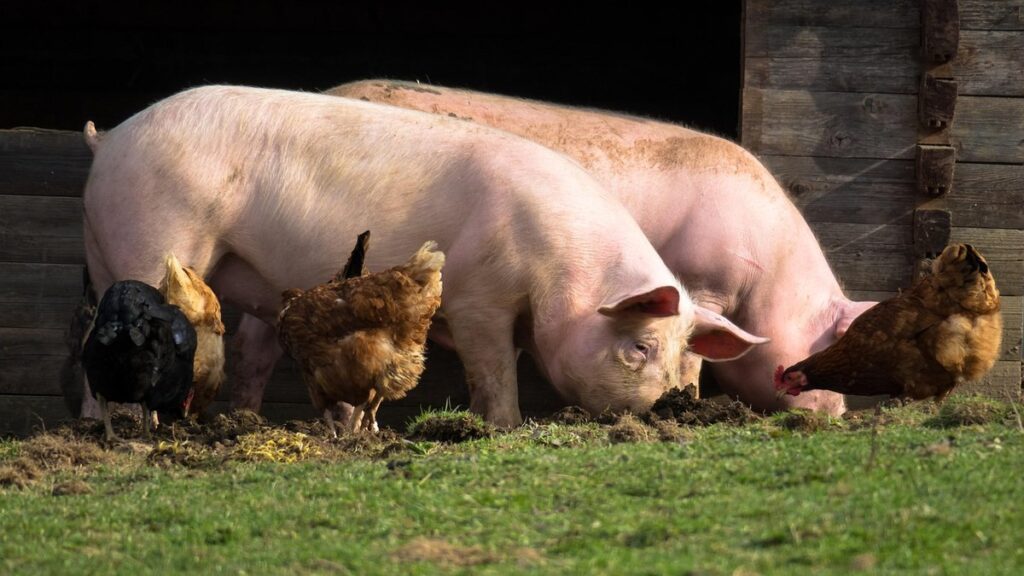
Benefits of Managed Pastures for Chickens
Managed pastures offer numerous advantages for chicken owners, from improved egg quality to enhanced bird health and reduced parasite issues. Let’s explore these benefits in more detail.
Increased Forage Diversity
Rotating pastures is a crucial practice for managed pastures, and it has a direct impact on the diversity of plants that grow there. By changing the grazing area regularly, you’re creating an environment where multiple plant species can thrive, which benefits chicken health and flavor.
When chickens are exposed to a diverse range of plants, they’re more likely to have access to essential nutrients, vitamins, and minerals. This variety in their diet promotes better digestive health, stronger immune systems, and even reduces the risk of disease. Moreover, a diverse forage selection can enhance the nutritional value of eggs produced on your farm.
Incorporating rotational grazing also supports biodiversity in the ecosystem. As different plant species grow and thrive in turn, they contribute to a richer soil environment, which fosters beneficial microorganisms that help break down nutrients. This synergy promotes a healthier pasture ecosystem overall, providing optimal conditions for chickens to roam and feed freely.
To implement a rotational grazing system on your farm, identify areas with varying levels of sunlight, moisture, and soil quality. Gradually introduce different plant species, such as grasses, legumes, or wildflowers, into each area.
Improved Soil Health
When you manage pastures for your chickens, one of the most significant benefits is improved soil health. This might seem like a minor consideration at first, but it’s essential for maintaining healthy, thriving birds and a robust ecosystem.
Managed pastures significantly reduce erosion by breaking up compacted soil and allowing water to penetrate more easily. This means that instead of washing away topsoil during heavy rainfall or irrigation events, the ground absorbs the excess moisture, keeping your pasture intact and fertile. The result is a reduced need for expensive fertilizers and amendments, as the soil retains its natural nutrient content.
Another benefit is improved water retention, which allows plants to grow deeper roots and access more nutrients. This, in turn, enhances nutrient cycling – the process by which nutrients are transferred between living organisms and the environment. By promoting healthy microbial activity, managed pastures create a self-sustaining ecosystem where your chickens can thrive without depleting the land’s resources.
When you prioritize soil health, it has a ripple effect that benefits both your flock and the environment. With less erosion and healthier plants, your pasture becomes more resilient to pests and diseases, reducing reliance on pesticides and other chemicals. This approach also encourages biodiversity, supporting a wider range of beneficial insects, pollinators, and microorganisms that all contribute to a balanced ecosystem.
Enhanced Nutrient Content in Eggs
When you choose to raise chickens on pasture, you’re not only giving them a healthy environment, but also providing your family with eggs that are packed with more nutrients than those from conventionally raised hens. The key here is the diet of these birds – they forage freely, eating an incredible variety of fresh plants, insects, and worms.
This diverse diet leads to higher levels of omega-3 fatty acids in their eggs, which is essential for heart health and brain function. You’ll also notice a boost in vitamins A and E, crucial antioxidants that protect against cell damage. In fact, studies have shown that pasture-raised egg yolks contain up to 20% more vitamin A than those from cage-raised hens.
To put this into perspective, consider the following nutrient levels: pasture-raised eggs tend to have around 10-15 mg of omega-3 fatty acids per large egg, compared to just 2-5 mg in conventionally raised eggs. With these incredible nutritional benefits, it’s clear that raising your chickens on pasture is a worthwhile investment for both their health and yours.
Pasture Planning and Design
When it comes to creating a thriving pasture for your flock, careful planning is essential. This section will walk you through the key considerations for designing a successful pasture system.
Assessing Your Property’s Suitability
When it comes to creating a thriving pasture for your chickens, assessing your property’s suitability is a crucial step. Before you start planning, take some time to evaluate your land and consider its climate, topography, and existing vegetation.
Climate plays a significant role in determining what type of pasture will thrive on your land. For example, if you live in an area with hot summers and cold winters, you’ll want to choose plants that are drought-tolerant and can withstand frost. Research the average temperature ranges and precipitation levels for your area to determine which grasses and legumes will do well.
Topography is also important to consider. A gentle slope can be ideal for a pasture, as it allows water to drain easily and prevents erosion. However, if your land is steep or rocky, you may need to choose plants that are more adaptable to challenging conditions.
Existing vegetation is another factor to consider. While it’s tempting to clear out existing growth and start from scratch, this can be a costly and time-consuming process. Instead, identify the types of plants already growing on your property and see if they can be incorporated into your pasture design. This will not only save you money but also create a more biodiverse ecosystem for your chickens.
Pasture Size and Layout Considerations
When designing your chicken pasture, it’s essential to consider its optimal size and layout to ensure efficient use of space and minimize waste. A general rule of thumb is to provide at least 2-4 square feet per bird inside the coop and 8-10 square feet outside in the run or pasture area. However, this can vary depending on factors like breed, age, and climate.
A well-designed pasture layout should include sections for feeding, watering, and waste management. Consider a “keyhole” design, where the birds have access to a narrow path that allows them to move freely while keeping predators out. This layout also enables you to easily collect manure and maintain the area.
When integrating other farm activities into your pasture design, think about how to utilize space efficiently. For example, consider incorporating a composting area or a small garden within the pasture fence. By doing so, you’ll not only reduce waste but also create a more diverse and productive ecosystem for your birds. This approach can help minimize the overall footprint of your farm operations while promoting sustainability.
Implementing a Pasture Management Plan
Now that you’ve assessed your flock’s grazing needs, it’s time to put a pasture management plan into action, ensuring optimal forage quality and health. This section will guide you through practical implementation steps.
Establishing Rotational Grazing Systems
Establishing a rotational grazing system is a game-changer for chicken pasture management. By dividing your land into smaller paddocks and moving your flock from one to another on a regular basis, you’ll create a more diverse and resilient ecosystem. This approach mimics nature’s way of grazing, where animals only spend a short time in one spot before moving on.
To set up rotational grazing, start by surveying your land and identifying the most suitable areas for paddocks. Consider factors like soil quality, water access, and sunlight exposure. Next, create a grid system using fencing to divide the paddocks. This will allow you to easily move your flock between areas and ensure they’re always getting fresh, green grass.
Remember to also install watering systems in each paddock, so your chickens have access to clean drinking water at all times. When planning your paddock layout, aim for a minimum of 4-6 paddocks per acre, allowing you to rotate your flock every 2-3 days. This frequency will help maintain pasture health and prevent overgrazing.
Monitoring and Adjusting Your Plan
Regular monitoring is key to maintaining a healthy and thriving pasture for your chickens. Start by observing your flock’s behavior daily, looking for signs of stress or discomfort such as feather pecking or pacing. Take note of the pasture’s condition, checking for weeds, bare spots, and areas where your girls may be congregating.
Monitor soil quality by testing its pH levels annually, ensuring they remain within a suitable range for your specific climate and region. Regularly inspect the pasture for signs of nutrient depletion, such as yellowing grass or reduced growth rates. If you notice any issues, adjust your rotation schedule to give the affected areas more time to recover.
To fine-tune your plan, keep records of your flock’s weight gain, egg production, and overall health. Use this data to identify patterns and make informed decisions about pasture management, such as adjusting grazing times or introducing new forages. Remember that every season brings unique challenges; stay attuned to changing conditions and be prepared to adapt your approach accordingly.
By staying vigilant and making adjustments as needed, you’ll create a sustainable and thriving ecosystem for your chickens.
Pasture Maintenance and Management Techniques
Now that we’ve discussed how to set up a thriving pasture, let’s dive into some essential maintenance and management techniques to keep your flock happy and healthy. Effective management will also boost your yields and reduce expenses.
Rest and Recovery Strategies
Resting pastures between grazing cycles is just as crucial for chicken health and productivity as providing nutritious food. Allowing a pasture to recover and rejuvenate after being grazed helps maintain soil quality, prevents overgrazing, and promotes healthy vegetation growth.
When managing the rest period, consider dividing your pastures into smaller sections or paddocks. This allows you to move chickens from one area to another without disrupting the entire pasture’s recovery process. For example, if you’re running a flock of 100 chickens, divide them into two groups and graze each group in separate areas for three to four days before switching them.
During this time, observe your pastures closely and assess their condition. If needed, remove weeds or debris that may hinder healthy growth. Once the pasture is ready, move the chickens back onto it for another grazing cycle. Regularly rotating your flock between different paddocks will maintain soil fertility, promote biodiversity, and ensure optimal nutrition for your chickens.
Handling Manure and Waste
Handling manure and waste from pastured chickens is a crucial aspect of maintaining a healthy and sustainable pasture ecosystem. One effective method for managing chicken manure is through composting. By collecting the manure and mixing it with other carbon-rich materials like straw or hay, you can create a nutrient-rich fertilizer that can be used to support plant growth.
Composting also helps to reduce odors and moisture levels on the pasture, minimizing the risk of attracting pests and diseases. To set up a composting system, start by collecting the manure in a designated area and layering it with carbon-rich materials. Add bulking agents like straw or shredded newspaper to absorb excess moisture and improve airflow.
Some farmers also choose to spread chicken manure directly on fields as a natural fertilizer. This method is particularly effective for pastures with poor soil quality, where additional nutrients are necessary to support plant growth. However, be sure to follow proper safety guidelines when handling and spreading manure to avoid contamination risks.
When used as fertilizer, the key is to apply it in moderation, taking care not to over-fertilize the pasture. A general rule of thumb is to use about 1/4 inch of manure per month, spread evenly across the pasture. By implementing these best practices, you can effectively manage chicken waste and create a thriving, productive pasture ecosystem.
Challenges and Solutions in Pasture Management
As you work towards creating a thriving pasture for your chickens, it’s essential to anticipate and address potential challenges that may arise. Let’s dive into common issues and practical solutions to keep your flock happy and healthy.
Common Issues with Pasture-Fed Chickens
When it comes to raising pasture-fed chickens, there are several common issues that can arise. Predators such as coyotes, foxes, and hawks pose a significant threat to chicken health and productivity. To mitigate this risk, consider using electric fencing or netting around the coop and run areas. Additionally, keep an eye out for signs of predation, such as torn mesh or feathers scattered about.
Parasites like mites, lice, and fleas can also wreak havoc on your flock’s health. Regular cleaning and disinfection of coops and runs, as well as using diatomaceous earth to control pests, can help prevent infestations. It’s also essential to monitor your birds’ behavior and check for signs of parasites like excessive scratching or feather loss.
Diseases such as avian influenza and salmonella can spread quickly through a flock. Practice good biosecurity by limiting human interaction with the birds, washing hands thoroughly before and after handling them, and isolating new birds for a minimum of 30 days to prevent cross-contamination.
Integrating Technology for Improved Efficiency
In today’s fast-paced farming landscape, technology has become an essential tool for efficient pasture management. When it comes to chicken pastures, leveraging technology can help streamline tasks, monitor animal health, and optimize resource use. One of the most significant advantages of incorporating technology is the ability to track key metrics remotely.
For instance, apps like PastureMap and Farm Works allow farmers to monitor weather conditions, soil moisture levels, and even track animal movement patterns on their pastures. These tools enable data-driven decision-making, allowing you to make informed decisions about grazing rotations, fertilization schedules, and water usage.
Sensor technology can also be integrated into pasture management systems to collect real-time data on factors like temperature, humidity, and light exposure. This data can help identify potential health risks for your flock, ensuring prompt intervention when necessary.
By embracing technology in pasture management, you’ll not only enhance efficiency but also improve the overall well-being of your chickens. It’s time to get familiar with the tech tools available and start exploring how they can benefit your chicken farm.
Conclusion: The Value of Pasture Management for Chickens
In conclusion, implementing pasture management for your chickens can have a significant impact on their health and well-being. By allowing them to roam freely and forage for food, you’re providing them with essential nutrients and mental stimulation. This, in turn, leads to happier and healthier birds. As a result, you’ll likely see an improvement in egg production and quality.
Not only will your chickens benefit from pasture management, but it’s also a more sustainable and environmentally friendly approach compared to traditional methods. With a little planning and creativity, you can create a thriving pastured poultry system that benefits both your flock and the planet. So, take the first step towards giving your chickens the best possible life – invest in pasture management today!
Frequently Asked Questions
What are the ideal pasture size and layout considerations for a small-scale chicken farm?
The ideal pasture size will depend on several factors, including the number of chickens you’re raising, their age and breed, and the type of crops being grown. A general rule of thumb is to provide at least 2-4 square feet of space per bird. Consider dividing larger pastures into smaller sections or “cells” to promote forage diversity and rotation.
How often should I rotate my pastures to maintain optimal forage diversity?
Rotating your pastures regularly is crucial for maintaining diverse plant species and preventing overgrazing. A common practice is to rotate pastures every 7-10 days, but this can vary depending on factors like climate, soil type, and chicken breed.
Can I use existing grasslands or fields without preparing them first, or do I need to establish new pasture?
Yes, you can use existing grasslands or fields as a starting point for your pastures. However, it’s essential to assess the current state of your land, including its soil quality, slope, and existing vegetation, before introducing chickens.
How do I balance pasture rotation with rest periods to avoid overgrazing and allow plants to recover?
To balance pasture rotation with rest periods, consider implementing a rotational grazing system that involves dividing pastures into sections for grazing and then allowing those sections to rest and recover. This can be done using fencing or other management strategies.
What are some common issues I might encounter when transitioning my chickens to managed pastures, and how do I address them?
Common issues when transitioning to managed pastures include parasite infestations, overgrazing, and decreased forage quality. To address these challenges, monitor your flock’s health closely, maintain accurate records of pasture rotation and grazing patterns, and be prepared to adjust your management plan as needed.