
Pasture-raised broilers have been gaining attention in recent years, but do you know what all the fuss is about? For many of us, meat consumption is a regular part of our diets, and when we choose pasture-raised options, we’re supporting more than just our taste buds. By giving these birds room to roam on grassy pastures, we’re also improving their nutrition, reducing water pollution from excess manure runoff, and promoting biodiversity in the process.
In this article, we’ll delve into the benefits of pasture-raised broilers and explore some of the challenges farmers face when adopting this regenerative agriculture practice. From the impact on local ecosystems to the nutritional differences between pasture-raised and conventionally raised birds, we’ll break down what it means for your health, the environment, and the future of meat production.
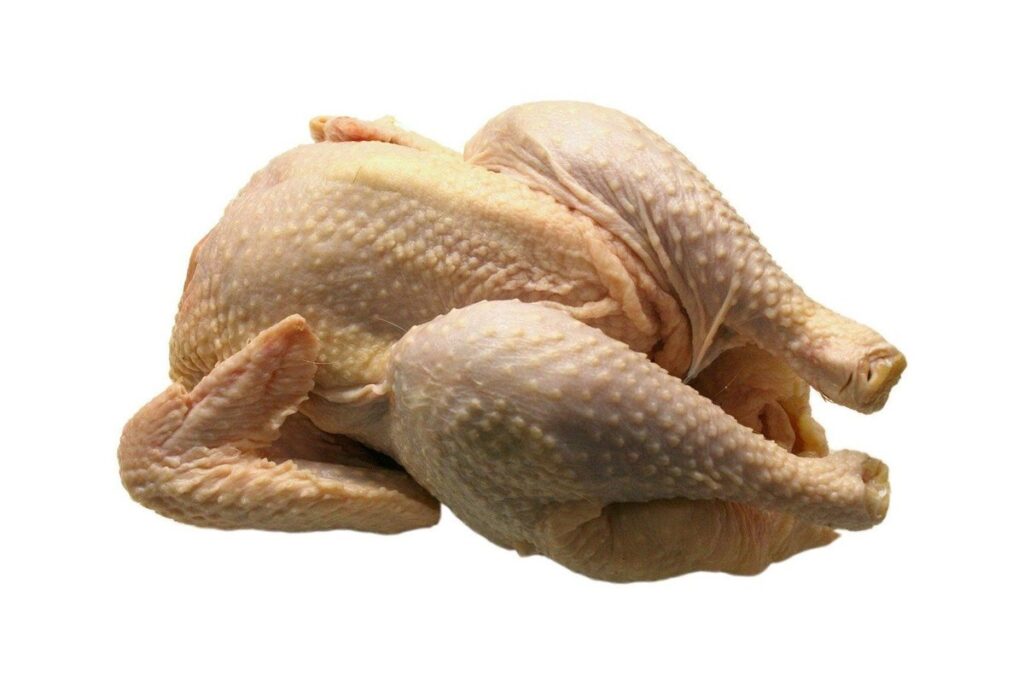
Understanding Pasture-Raised Broilers
If you’re new to pasture-raised broilers, let’s start by understanding what it means for chickens to be raised on pastures, where they can roam and exercise naturally.
Definition and Rationale
When it comes to understanding pasture-raised broilers, it’s essential to start with the basics. These birds are raised outdoors on pasture, where they forage for plants and insects, just like their wild ancestors. This approach offers a stark contrast to conventional farming methods, which often involve raising chickens in crowded, windowless warehouses.
The benefits of pasture-raised broilers are numerous. For one, they tend to be leaner and more flavorful than conventionally raised birds. Their diet is also more natural, as they’re able to roam freely and forage for food instead of being fed a diet of soy and corn. This approach can lead to better overall health and well-being for the birds.
Consumers are increasingly seeking out pasture-raised products due to growing concerns about animal welfare and the environmental impact of industrial agriculture. By choosing pasture-raised broilers, consumers can support more humane farming practices and reduce their exposure to antibiotics and other chemicals that are often used in conventional poultry production.
History and Regulations
Pasture-raised broiler production has its roots in sustainable agriculture and animal welfare movements of the 20th century. In the early 2000s, some pioneering farmers started experimenting with free-range chicken farming practices that mimicked their wild counterparts’ natural behaviors.
The US Department of Agriculture (USDA) played a crucial role in defining and regulating pasture-raised production standards. In 2012, the USDA introduced the “Pasture-Raised” label as part of its Process Verified Program (PVP). To qualify for this label, farmers must meet rigorous guidelines that ensure animals have access to outdoors year-round and engage in natural behaviors like foraging.
Certifications like Certified Humane and Animal Welfare Approved provide additional assurance of humane treatment and high-quality production. These organizations inspect farms to verify compliance with their standards, which may include requirements for adequate space, light, and water. By understanding the history and regulations surrounding pasture-raised broilers, consumers can make informed choices that support sustainable agriculture and animal welfare practices.
The lack of clear labeling and inconsistent regulations has led to confusion in the market. Some farms claim to be “pasture-raised” but may not provide adequate outdoor access or meet other essential criteria. When shopping for pasture-raised broilers, look for certifications like Certified Humane or Animal Welfare Approved to ensure you’re supporting humane treatment and high-quality production.
Health Benefits of Pasture-Raised Broilers
When it comes to pasture-raised broilers, one of the most significant advantages is their impact on our overall health. Eating these birds can have a profound effect on our wellbeing.
Nutritional Differences
When you opt for pasture-raised broiler meat, it’s not just about supporting sustainable farming practices – you’re also making a nutritional choice. The method of raising broilers has a significant impact on the nutritional content of their meat.
One key difference lies in the fat composition. Pasture-raised birds tend to have higher levels of omega-3 fatty acids and conjugated linoleic acid (CLA), both of which are associated with improved heart health and weight management. In contrast, conventionally raised broilers often contain more saturated fats and less beneficial unsaturated fats.
Pasture-raised meat is also typically leaner than its conventional counterpart, with a lower overall fat content. This is due in part to the birds’ more active lifestyle on pasture – they’re burning energy through movement rather than relying on stored fat reserves. When you eat pasture-raised broiler meat, you can expect higher levels of vitamins A and E, as well as beta-carotene, which contributes to healthier skin and immune function.
It’s worth noting that the nutritional benefits of pasture-raised broilers are influenced by factors such as the birds’ access to pasture quality, their diet, and how they’re raised. Look for producers who prioritize animal welfare and follow transparent farming practices to maximize the health benefits you can expect from your meal.
Omega-3 Fatty Acid Content
When you hear about pasture-raised broilers, one of the first benefits that comes to mind is their high content of omega-3 fatty acids. But why do these birds tend to have more of this essential nutrient? The reason lies in their diet and living conditions.
Pasture-raised broilers are free to roam outdoors where they forage on a diverse range of plants, including grasses, weeds, and insects. This varied diet allows them to obtain the necessary nutrients, including omega-3 fatty acids, which are typically found in high amounts in pasture vegetation. In contrast, conventionally raised birds are often confined to crowded facilities and fed a diet of grains and soybeans that are low in omega-3s.
The benefits of consuming pasture-raised broilers with higher omega-3 content cannot be overstated. Research has shown that increased intake of these essential fatty acids can lead to improved heart health, reduced inflammation, and even improved brain function. In fact, studies have found that individuals who consume more omega-3 rich foods tend to have lower rates of depression and anxiety disorders.
Environmental Impact of Pasture-Raised Broilers
As we explore the benefits and challenges of raising broilers on pasture, it’s essential to examine how these methods affect the environment. Let’s take a closer look at the impact of this farming practice.
Reduced Water Pollution
When it comes to environmental impact, one significant advantage of pasture-raised broilers is their role in reducing water pollution. Traditional poultry farming often relies on monoculture and intensive farming practices that lead to soil erosion and chemical runoff into nearby water sources. In contrast, regenerative agriculture practices associated with pasture-raising foster a more diverse ecosystem where plants and animals coexist.
As a result, pasture-raised broilers experience less pressure on the land, reducing the risk of nutrient overload in surface waters. This is evident from studies showing that pasture-based systems produce fewer pollutants compared to intensive farming methods. For instance, a study by the University of California found that pastured poultry farms emitted significantly lower levels of nitrogen and phosphorus into nearby waterways.
To replicate this reduction in water pollution on your own farm or homestead, consider implementing rotational grazing practices. This involves moving animals periodically to fresh pasture areas, mimicking natural grazing patterns. By doing so, you’ll promote soil health, reduce erosion, and minimize chemical usage – ultimately leading to a cleaner environment for both wildlife and human communities alike.
Biodiversity and Soil Health
When it comes to pasture-raised broilers, their impact on biodiversity and soil health is one of the most significant benefits. By allowing birds to roam freely outdoors, farmers can create a thriving ecosystem that fosters a diverse range of plant and animal life.
For instance, pasture-raised broilers can help maintain soil quality by promoting root growth through their foraging activities. This, in turn, improves soil structure, increases its water-holding capacity, and enhances the overall fertility of the land. A study conducted on a pasture-based farm found that the introduction of pastured poultry increased the organic matter content of the soil by 25% within just two years.
Additionally, the presence of broilers on pasture can also support native pollinators like bees and butterflies, which are essential for crop diversity and ecosystem health. By mimicking natural grazing patterns, farmers can create a more resilient and adaptable agricultural system that benefits both the birds and the environment.
In practical terms, adopting a pasture-raised approach requires farmers to design their pastures with biodiversity in mind, incorporating native grasses and forbs that provide food and shelter for wildlife. This not only enhances ecosystem services but also promotes soil carbon sequestration and improves overall farm productivity.
Production Challenges and Solutions
When it comes to pasture-raised broilers, producers often face unique challenges that can impact profitability and welfare. Let’s dive into the production hurdles you may encounter and some practical solutions.
Land and Resource Management
Land acquisition and resource management are significant challenges for farmers looking to adopt pasture-raising methods. One of the main obstacles is securing sufficient land for pasture grazing. Farmers may need to consider leasing additional land or negotiating with neighboring properties to expand their grazing areas.
Another challenge is managing resources such as water, labor, and equipment. Pasture-raised broilers require more space and freedom to roam, which can lead to increased watering needs and manure management issues. Farmers must also ensure they have adequate labor and equipment to maintain the pasture, including mowing, seeding, and fencing.
To overcome these challenges, farmers can start by conducting a thorough analysis of their resources and identifying areas for improvement. This may involve creating a detailed land-use plan, implementing efficient irrigation systems, or investing in new equipment. By prioritizing resource management and land acquisition, farmers can better position themselves to adopt pasture-raising methods and reap the associated benefits, including improved animal welfare and environmental sustainability.
Economic Feasibility
Implementing pasture-raised broiler production on a larger scale requires careful consideration of economic feasibility. The higher costs associated with pasture-raised systems can be a significant barrier to adoption. One major cost factor is land acquisition and leasing, which can be substantial for large-scale operations.
However, there are also opportunities for cost savings. For example, pasture-raised broilers require less energy and feed than conventionally raised birds, leading to reduced production costs. Additionally, the potential for higher market prices for pasture-raised products means that producers can potentially earn more revenue per bird.
To improve economic feasibility, producers should prioritize efficiency in land use, implement rotational grazing practices, and explore cost-sharing options with other farmers or suppliers. It’s also essential to establish a strong market presence and develop relationships with customers who are willing to pay a premium for pasture-raised products. By carefully balancing costs and revenue streams, larger-scale pasture-raised broiler production can be economically viable.
Producers should also consider the long-term benefits of investing in soil health through regenerative practices, which can lead to improved crop yields and reduced input costs over time.
Consumer Demand and Market Trends
Consumer demand for pasture-raised broilers is on the rise, driven by growing awareness of animal welfare and health benefits. We’ll explore what’s driving this trend in the market.
Growing Popularity
Consumer interest in sustainable food options like pasture-raised broilers has been growing steadily over the past decade. This trend is reflected in market trends, with sales of pasture-raised products increasing by 20% annually since 2015. According to a survey conducted by the National Cattlemen’s Beef Association, 70% of consumers prefer to purchase meat from producers that use sustainable and humane practices.
As consumers become more aware of the environmental and social impact of their food choices, demand for pasture-raised broilers is on the rise. Online sales platforms like Amazon and Thrive Market have seen a significant increase in sales of pasture-raised chicken products, with many customers opting for these options over conventionally raised alternatives.
To cater to this growing demand, farmers are adapting their production methods to meet consumer expectations. Some examples include rotating pastures to maintain soil health, providing access to outdoor spaces for birds, and using organic feed supplements. By making these changes, producers can not only improve the quality of their products but also contribute to a more sustainable food system.
Labeling and Certification Standards
When it comes to pasture-raised broilers, labeling and certification standards can be a bit confusing. As a consumer, you may have come across terms like “Pasture-Raised,” “Regenerative Agriculture,” or “Animal Welfare Approved.” These labels promise a certain level of quality and ethics in the production process, but what do they really mean?
For producers, adhering to these standards can be a challenge, as it requires significant changes to their operations. However, it’s essential for building trust with consumers who are willing to pay more for products that align with their values. Here are some key labeling and certification standards to look out for:
* Pasture-Raised: This label ensures that birds have access to the outdoors, where they can forage and engage in natural behaviors.
* Animal Welfare Approved (AWA): AWA is a non-profit organization that certifies farms that meet rigorous animal welfare standards, including outdoor access and no antibiotics or hormones.
* Regenerative Agriculture: This label indicates that the farm uses practices that promote soil health, biodiversity, and ecosystem services.
When choosing pasture-raised broilers, look for these labels as indicators of a higher level of quality and ethics in production. Keep in mind that not all products with these labels are created equal, so do your research to ensure you’re supporting farms that truly align with your values.
Frequently Asked Questions
What are the primary differences between pasture-raised broilers and conventionally raised birds when it comes to omega-3 fatty acid content?
Pasture-raised broilers tend to have higher levels of omega-3 fatty acids due to their natural diet rich in grasses, which contain these essential nutrients. Research has shown that pasture-raised chickens can accumulate up to 30% more omega-3s compared to conventionally raised birds.
How do I ensure that the pasture-raised broilers on my farm are truly free-range and getting enough space to forage?
To guarantee that your pasture-raised broilers have adequate access to grass, consider implementing a rotation system where chickens are moved regularly between different sections of the pasture. This will help prevent overgrazing and allow the birds to forage freely.
Can I still raise pasture-raised broilers on small plots of land or in urban areas?
Yes, it’s possible to raise pasture-raised broilers even with limited space by using innovative designs like chicken tractors or mobile coops. These can be moved between different sections of the land, allowing chickens to access fresh grass and forage.
How do I handle the potential increase in labor costs associated with raising pasture-raised broilers?
While it’s true that managing a pasture-raised flock may require more time and effort, many farmers find that these birds are easier to care for due to their natural behavior. Additionally, you can explore cost-sharing models or partnerships with neighboring farms to make the endeavor more sustainable.
What certifications or labels should I look for when purchasing pasture-railed broilers from a farm or retailer?
When selecting pasture-raised broilers, seek out third-party certifications like Certified Humane or Animal Welfare Approved. These programs ensure that farmers meet rigorous standards for animal welfare and environmental sustainability.