
If you’re raising backyard chickens, providing a safe haven for them to roam and thrive is crucial. But did you know that giving your flock access to a pasture shelter can be just as important? It’s not just about keeping them dry in the rain – a well-designed shelter can protect your chickens from predators, reduce stress, and even improve their overall health.
In this article, we’ll take a closer look at the benefits of providing a pasture shelter for your chickens. We’ll cover everything from designing and building an effective shelter to implementing it on your land with minimal fuss. Whether you’re a seasoned farmer or just starting out, you’ll learn how to create a haven that will keep your flock happy and healthy all year round. By investing in a good pasture shelter, you can enjoy the many rewards of raising backyard chickens – more eggs, less stress, and a happier flock!
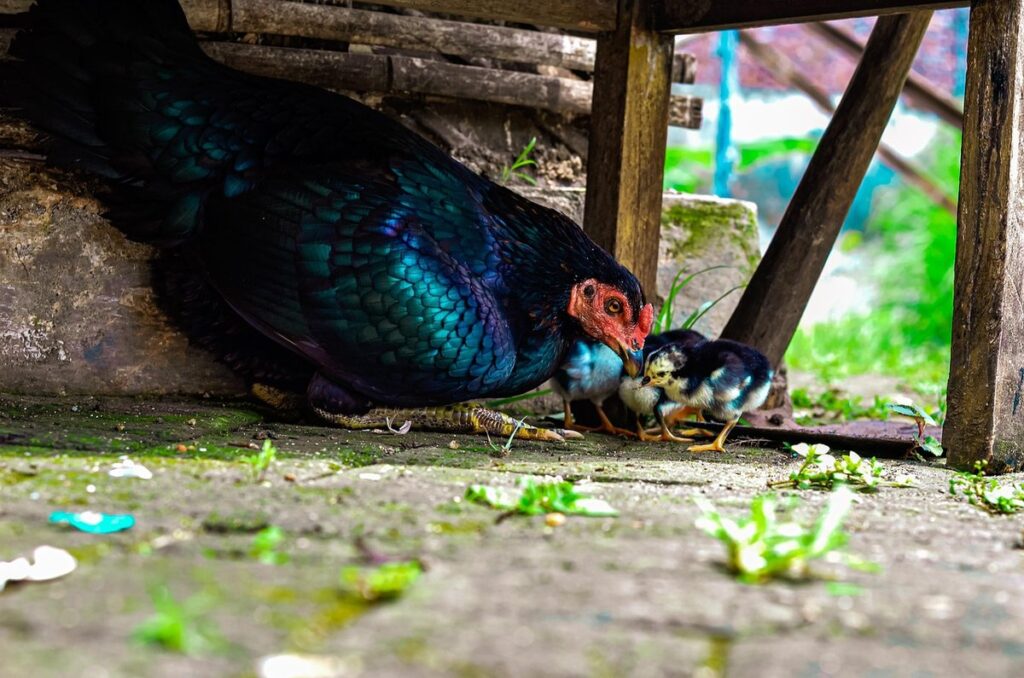
Benefits of Providing a Pasture Shelter for Chickens
Providing a pasture shelter for your chickens can bring numerous benefits to their health and well-being, from protection to increased egg production. We’ll explore these advantages in more detail below.
Protection from Predators and Harsh Weather Conditions
Providing a pasture shelter for chickens is not just about giving them a place to rest; it’s also crucial for their protection from predators and harsh weather conditions. Chickens are vulnerable to attacks by foxes, coyotes, hawks, and other birds of prey that can swoop in and snatch them up. A sturdy pasture shelter with secure openings and enclosing walls can serve as a safe haven for your flock.
In extreme weather conditions, such as heavy rain, snow, or scorching sun, chickens need protection from the elements to stay healthy and thrive. A well-designed pasture shelter can shield them from wind, rain, and snow, keeping them dry and comfortable. On hot days, it provides shade and relief from the direct sunlight.
To protect your flock from predators, consider adding a secure roof or netting around the shelter, and ensure that all openings are small enough to prevent any predator from getting inside. For weather protection, you can opt for a waterproof roofing material and use natural materials like straw or hay to insulate the shelter.
Reduced Stress and Improved Health
Providing a pasture shelter for chickens can have a significant impact on their stress levels and overall health. When exposed to harsh weather conditions such as intense sunlight, heavy rainfall, or extreme temperatures, chickens can become stressed, which can weaken their immune system and make them more susceptible to diseases.
A well-designed pasture shelter protects your flock from these elements, providing a safe haven for them to retreat to during adverse weather conditions. This not only reduces stress but also helps prevent heat stress-related issues like sunburn and eye damage in the summer months, as well as frostbite and respiratory problems in the winter.
Furthermore, a secure pasture shelter can help prevent predators from attacking your chickens, which is especially important if you live in an area with high predator activity. By shielding your flock from these threats, you can significantly reduce the risk of disease and injury-related stress on your chickens, ultimately contributing to their improved health and well-being.
Enhanced Flock Management
Having a designated area for flock management is essential when it comes to maintaining the health and well-being of your chickens. A pasture shelter can provide an ideal space for vaccinations, beak trimming, and parasite control – all crucial aspects of flock management.
When it’s time for vaccinations, having a contained area within the pasture shelter ensures that your birds are safely and easily accessible for vet visits. This eliminates the need to round up loose birds or worry about them escaping while being vaccinated. Regular vaccinations protect against diseases like Marek’s disease and avian influenza, which can be devastating to flock health.
Beak trimming is another critical aspect of flock management that benefits from a designated area within the pasture shelter. Trimming your chickens’ beaks helps prevent overgrowth, which can lead to cannibalism and stress among birds. This process should be done carefully and humanely, taking into account individual bird needs.
Parasite control is also facilitated by having a contained space for treating birds. Medications can be safely administered within the shelter, minimizing the risk of birds escaping or being injured during treatment.
Types of Pasture Shelters for Chickens
When it comes to providing a safe and comfortable space for your chickens to roam, choosing the right type of pasture shelter is crucial. We’ll explore the different options available to suit various needs and flock sizes.
Wooden Coop Options
When it comes to providing protection and shelter for your flock, wooden coops are an excellent option. You can choose from a variety of pre-fabricated coops or opt for DIY kits that allow you to get creative with the design.
Prefabricated wooden coops offer ease and convenience, as they’re ready-to-assemble and usually made from durable materials like cedar or pine. Some popular brands even provide features like ventilation systems and windows to ensure your chickens stay healthy and comfortable. A well-known example is the Meyer Hatchery’s coop, which provides ample space for hens and roosting bars.
For those on a tighter budget or looking for a more personalized touch, DIY kits are an excellent alternative. These usually include pre-cut wood pieces, hardware, and instructions to build your coop from scratch. Websites like Ana White provide free plans for chicken coops, ranging from simple 4×6 ft designs to larger, more elaborate structures.
Regardless of whether you choose pre-fab or DIY, make sure to consider factors like weather resistance, predator protection, and ventilation when selecting or building your wooden coop. With proper planning and design, a well-built wooden coop can provide years of safe and comfortable shelter for your flock.
Plastic or Metal Coop Options
When it comes to choosing a coop material for your pasture shelter, you’ll likely come across two popular options: plastic and metal. Both have their advantages and disadvantages that are worth considering.
Plastic coops offer a lightweight and easy-to-assemble option, making them perfect for beginners or those with limited space. They’re also relatively inexpensive upfront, often costing between $50 to $200 depending on the size. However, they may not be as durable as metal coops and can become brittle in extreme weather conditions.
On the other hand, metal coops are built to last, providing excellent protection from predators and harsh weather. They’re available in various materials such as galvanized steel or aluminum and often come with a more substantial price tag – typically ranging from $200 to $1,000 or more. Regular maintenance is also necessary to prevent rust and ensure the coop remains secure.
Ultimately, your decision should be based on your specific needs and preferences. If you prioritize affordability and ease of assembly, plastic may be the way to go. But if you’re willing to invest in a long-lasting solution that provides superior protection for your flock, metal is a better choice.
Natural Shelter Options
When it comes to providing natural shelter options for your chickens on pasture, you don’t necessarily need to rely on man-made structures. Trees, bushes, and windbreaks can offer excellent protection from the elements, helping to create a safe and stress-free environment for your flock.
Trees with dense foliage or leafy branches can provide a canopy of shade, shielding chickens from harsh sunlight and reducing heat stress during summer months. Consider planting native tree species that are well-suited to your climate and region. For example, willow trees or poplar trees can offer a natural sheltered area for your chickens to roost.
Bushes with thick stems and dense foliage, such as shrub willows or hazelnuts, can also serve as a windbreak, protecting chickens from strong winds and cold drafts. When selecting natural shelter options, consider the mature size of the plants and how they’ll fit into your pasture layout. Place them strategically to create a safe haven for your flock.
By incorporating natural shelter options like trees and bushes into your pasture design, you can reduce the need for man-made structures while still providing your chickens with the protection they need.
Designing an Effective Pasture Shelter
When it comes to designing a pasture shelter for your flock, it’s essential to consider factors that promote comfort, safety, and ease of use. A well-designed shelter can make all the difference in maintaining happy and healthy chickens.
Space Requirements
When it comes to designing an effective pasture shelter for your flock, one crucial aspect to consider is space requirements. The amount of space needed will depend on several factors, including the population density and breed size.
A general rule of thumb is to provide at least 3-4 square feet of inside space per chicken, depending on the breed’s size. For example, larger breeds like Orpingtons or Brahmas require more space, while smaller breeds like Leghorns can do with less. If you’re housing a mixed flock, it’s better to err on the side of caution and provide more space.
Considerations should also be made for feeding and nesting areas within the shelter. A good guideline is to allocate 1-2 square feet per chicken for these purposes. This will ensure that your birds have enough room to move around comfortably, reducing stress and aggression. Remember, a well-designed pasture shelter is not just about providing protection from the elements; it’s also about creating a healthy environment for your flock to thrive in.
Ventilation and Insulation
When it comes to designing an effective pasture shelter for your chickens, ventilation and insulation are two critical components that often get overlooked. However, proper airflow and temperature regulation can make all the difference in maintaining a healthy environment within the shelter.
Proper ventilation is essential to remove moisture-laden air, which can lead to ammonia buildup and stress on your flock. Aim to provide about 10-15 square feet of floor space per chicken, with adequate window openings (at least one-third of the total wall area) for airflow. Consider installing adjustable vents or windows that can be opened during hot summer months to allow fresh air to circulate.
Insulation is equally important to regulate temperature extremes and reduce heat loss in cold weather. Use breathable materials like straw or shredded newspaper, which allow moisture to escape while keeping drafts out. You can also install insulation boards made from recycled denim or foam board insulation for added protection. By incorporating both ventilation and insulation into your design, you’ll create a comfortable environment that promotes the well-being of your flock.
Drainage and Accessibility
When designing an effective pasture shelter for your chickens, it’s essential to consider two critical aspects: drainage and accessibility. A well-designed shelter should allow for easy cleaning and maintenance to keep your flock healthy and happy.
Adequate drainage is crucial to prevent water accumulation and subsequent health issues. Standing water can lead to bacterial growth, attracting pests and creating a breeding ground for disease-carrying organisms. Ensure that the floor of your pasture shelter has a slight incline or slope to allow water to flow freely outside. You can also install a French drain system to direct excess water away from the shelter.
Easy accessibility is equally important. Make sure you can enter the shelter comfortably with all necessary cleaning tools and supplies. Consider installing large enough doors that are easy to open and close, allowing for effortless cleaning of the entire area. A well-maintained pasture shelter not only benefits your chickens but also helps prevent the spread of diseases and parasites.
By incorporating these design elements, you’ll create a welcoming and safe space for your flock, making it easier to maintain their overall health and well-being.
Building Materials for Pasture Shelters
When it comes to building a sturdy and weather-resistant pasture shelter, selecting the right materials is crucial. We’ll explore your options for durable yet affordable building materials in this section.
Durability and Maintenance Requirements
When it comes to building a pasture shelter for your chickens, choosing materials that are durable and require minimal maintenance is crucial. Different building materials offer varying levels of durability and upkeep needs.
Wooden shelters can be an attractive option, but they may require more maintenance than other materials. To extend the lifespan of wooden structures, use rot-resistant woods like cypress or redwood for framing and siding. Regularly inspect and seal any wood surfaces to protect against moisture and pests. However, wooden shelters can also be prone to insect infestations and decay.
Metal and plastic shelters are often more durable and low-maintenance alternatives. Metal options can withstand harsh weather conditions and last longer with less upkeep. They may require occasional cleaning and rust prevention measures. Plastic materials, on the other hand, are resistant to rot, mold, and mildew but may become brittle over time due to sun exposure.
When selecting building materials for your pasture shelter, consider factors like climate, budget, and ease of maintenance. Assess your local weather conditions and choose materials that can withstand extreme temperatures and precipitation levels.
Budget-Friendly Options
Building a pasture shelter for your chickens doesn’t have to break the bank. There are plenty of budget-friendly options to consider, from repurposed materials to DIY projects that can save you money without sacrificing quality.
One popular option is using reclaimed wood or salvaged pallets to build your shelter. Not only is this an eco-friendly choice, but it’s also a cost-effective one. You can find these materials at little to no cost by visiting local salvage yards or Habitat for Humanity ReStores. Just be sure to clean and disinfect them before use.
Another DIY project idea is using tarps or polyethylene sheeting as a temporary shelter solution. These waterproof materials can provide protection from the elements during harsh weather conditions, and they’re often inexpensive to purchase. You can even repurpose old tarps from gardening projects or camping trips.
If you’re handy with tools, consider building a simple coop using basic lumber and wire mesh. This will not only save you money but also give your chickens a sturdy and secure shelter. Remember to choose materials that are easy to clean and maintain, such as plywood or oriented strand board (OSB).
Sustainability Considerations
When it comes to building materials for pasture shelters, it’s essential to consider sustainability. Eco-friendly options not only reduce the carbon footprint but also promote a healthier environment for your flock.
Reclaimed and recycled materials are an excellent choice. For example, you can repurpose old pallets or fencing to create a shelter frame. This not only reduces waste but also adds character to your pasture shelter. Another option is using locally sourced and sustainable wood, such as cedar or cypress, which are resistant to rot and insects.
When selecting building materials, look for certifications like FSC (Forest Stewardship Council) or SFI (Sustainable Forestry Initiative), which ensure that the wood is harvested from responsibly managed forests. Additionally, consider using natural paints and coatings instead of chemicals, which can harm your flock and contaminate the soil.
Remember to also choose materials that are durable and long-lasting, reducing the need for frequent replacements and waste generation. By incorporating eco-friendly building materials into your pasture shelter design, you’ll not only contribute to a more sustainable environment but also create a safe and healthy space for your chickens to thrive.
Implementing Pasture Shelter in Your Flock
Now that you’ve learned how to create a chicken-friendly pasture, it’s time to think about providing them with shelter from the elements. This section will walk you through designing and building a safe haven for your flock.
Integrating the Shelter into Existing Infrastructure
When integrating a pasture shelter into your existing infrastructure, it’s essential to consider how the new structure will fit seamlessly with your existing fencing, coop, and run. This may require some planning and creativity, but with a few simple steps, you can create a cohesive and functional system.
To begin, assess your current setup and identify any areas where the shelter can be easily incorporated. Consider the size of the shelter and how it will fit through existing gates or openings in fencing. You may need to adjust the location of the shelter slightly to accommodate this, but with some flexibility, you can create a smooth transition.
For example, if your existing coop has a removable panel, you can attach the shelter’s door to this panel, creating an easy entrance and exit point for the chickens. Alternatively, if your run is enclosed by fencing, you can integrate the shelter into the existing fence line, using posts or gates to secure it in place.
By thinking ahead and planning carefully, you can create a harmonious balance between old and new infrastructure, resulting in a stress-free and efficient system that benefits both your chickens and your workload.
Transitioning Chickens to the New Shelter
When introducing a new shelter to your flock, it’s essential to do so gradually to prevent stress and ensure a smooth transition. Chickens can be creatures of habit, and sudden changes in their environment can lead to anxiety and reduced egg production.
Begin by placing the shelter near the existing coop or run, allowing the chickens to become familiar with its presence over several days. You can start by offering treats or scratch grains inside the shelter to entice them to explore it voluntarily.
Next, block off access to the shelter during the day but allow the chickens to roost in it at night. This will help them associate the shelter with a safe place to rest and relax. Over time, you can gradually increase their access to the shelter, eventually making it their permanent home.
Remember to monitor your flock’s behavior and adjust the transition process as needed. With patience and careful planning, your chickens should adapt quickly to their new shelter, benefiting from its protection and comfort.
Monitoring and Maintenance
Monitoring and maintaining your pasture shelter is an ongoing process that requires regular attention to ensure it remains safe and functional for your flock. As you continue to use the shelter, keep an eye out for signs of wear and tear, such as loose boards or sagging roofs.
Regular inspections should be conducted at least once a week, ideally after heavy rainfall or strong winds. Check for any damage or weaknesses in the structure, including the fencing that surrounds the shelter. Make sure all gates are secure and functioning properly to prevent escape attempts by your chickens.
In addition to visual checks, also keep an ear out for unusual noises coming from the shelter, such as creaking or groaning sounds that may indicate structural issues. Keep a maintenance log to track any repairs or replacements made to the shelter, including the frequency of cleaning and disinfecting.
To extend the lifespan of your pasture shelter, consider incorporating features like automatic doors or self-closing gates to reduce wear on the structure over time. By prioritizing regular monitoring and maintenance, you can ensure your flock remains safe and healthy within their sheltered haven.
Pasture Shelter Safety Features
When it comes to providing a safe haven for your flock, pasture shelter safety features are crucial to consider. Let’s dive into the essential elements that ensure your chickens’ comfort and security.
Enclosure Requirements
When it comes to building a pasture shelter for your chickens, enclosing the area is crucial to prevent predators from getting inside. This enclosure should be designed with predator-proofing measures in mind to ensure the safety of both your flock and their home.
One essential feature of an enclosure is wire mesh or hardware cloth, which should cover all sides, including the top, to prevent raccoons, opossums, and other climbers from getting inside. Hardware cloth, in particular, is a popular choice due to its durability and ability to withstand harsh weather conditions. When selecting wire mesh, ensure it has openings of no more than 1 inch (2.5 cm) in diameter to prevent even the smallest predators from squeezing through.
When building or purchasing an enclosure, make sure to also consider any vulnerable areas such as gaps around doors, windows, and rooflines. These should be sealed with hardware cloth or expanded metal mesh to provide extra protection against predators.
Access Control
When it comes to creating a safe and secure pasture shelter for your flock, access control is an essential consideration. A well-designed access control system can help prevent unwanted visitors from entering the shelter and interacting with your chickens.
One of the most effective ways to control access is by using latches or locks on the shelter’s entrance. You can choose from a variety of types, such as sliding bolts, lever latches, or even combination locks. For example, you can install a latch that requires a specific key to open, ensuring only authorized individuals have access.
In addition to physical barriers, consider incorporating visual deterrents like fencing or netting around the shelter’s perimeter. These can help discourage predators from approaching the shelter and prevent chickens from escaping.
When selecting an access control system, ensure it aligns with your farm’s specific needs and level of predator protection required. For instance, if you live in a high-risk area for coyotes, a more secure lock or latch may be necessary. Always test and evaluate your chosen access control system to guarantee its effectiveness and durability.
Emergency Preparedness
When it comes to providing a safe and healthy environment for your flock, emergency preparedness is crucial. Natural disasters like hurricanes, wildfires, and floods can strike at any moment, putting your chickens’ lives at risk. Similarly, power outages can leave you without the necessary equipment to care for them.
To mitigate these risks, consider having backup plans in place. For instance, identify safe zones on your property where your chickens can seek shelter during a storm or disaster. These areas should be easily accessible and have adequate ventilation to prevent moisture buildup. You may also want to invest in a portable generator that can power essential equipment like feeders, waterers, and lighting.
It’s also essential to keep emergency supplies on hand, such as food, water, and first-aid kits specifically designed for poultry. Make sure you have a clear plan of action in case of an emergency, including evacuation procedures and communication strategies with your local authorities or neighbors. By being proactive and prepared, you can ensure the well-being and safety of your flock during unexpected events. Regularly reviewing and updating your emergency plans will help you stay one step ahead.
Frequently Asked Questions
What are the most critical factors to consider when designing a pasture shelter for my chickens?
When designing a pasture shelter, prioritize protection from predators and harsh weather conditions. Consider the specific needs of your climate, as well as the flock’s requirements for space, ventilation, and insulation. Make sure to also account for easy access and maintenance.
How can I ensure that my pasture shelter is durable and resistant to wear and tear?
To guarantee durability, choose high-quality materials that are specifically designed for outdoor use. Consider using recycled plastic or sustainably sourced wood. Ensure proper construction techniques, such as secure fastening and adequate drainage, to prevent damage from water and pests.
What are some budget-friendly options for building a pasture shelter for my chickens?
You don’t need to break the bank to build an effective pasture shelter. Repurpose materials like old pallets or fencing to create a functional shelter. Alternatively, consider DIY kits that offer affordable and easy-to-assemble designs. Be sure to weigh the costs against the long-term benefits of improved flock health and reduced stress.
Can I integrate my pasture shelter with existing infrastructure on my property?
Absolutely! Incorporate your pasture shelter into your existing farm or backyard setup by designing it to complement existing structures. Consider integrating it with fencing, gates, or other essential features to create a seamless system for managing your flock.
How do I transition my chickens from their current living space to the new pasture shelter?
Ease the transition process by introducing the new shelter gradually. Start by letting the chickens explore the shelter at night while still having access to their existing coop. Gradually phase out the old coop and shift the chickens’ activities to the new shelter over a period of time, ensuring they become comfortable with their new environment.