
When it comes to raising chickens, one aspect that often gets overlooked is the type of comb they have. Specifically, the age-old debate between pea combs and single combs has left many backyard chicken enthusiasts scratching their heads. As a responsible chicken keeper, you want to ensure your flock is happy, healthy, and productive – but what are the real differences between these two types of combs? In this article, we’ll delve into the benefits and drawbacks of pea combs vs single combs, exploring how they impact egg quality, feeding efficiency, and overall health risks. By the end of it, you’ll be equipped with the knowledge to make an informed decision for your flock, choosing the right comb type that suits their needs and yours.
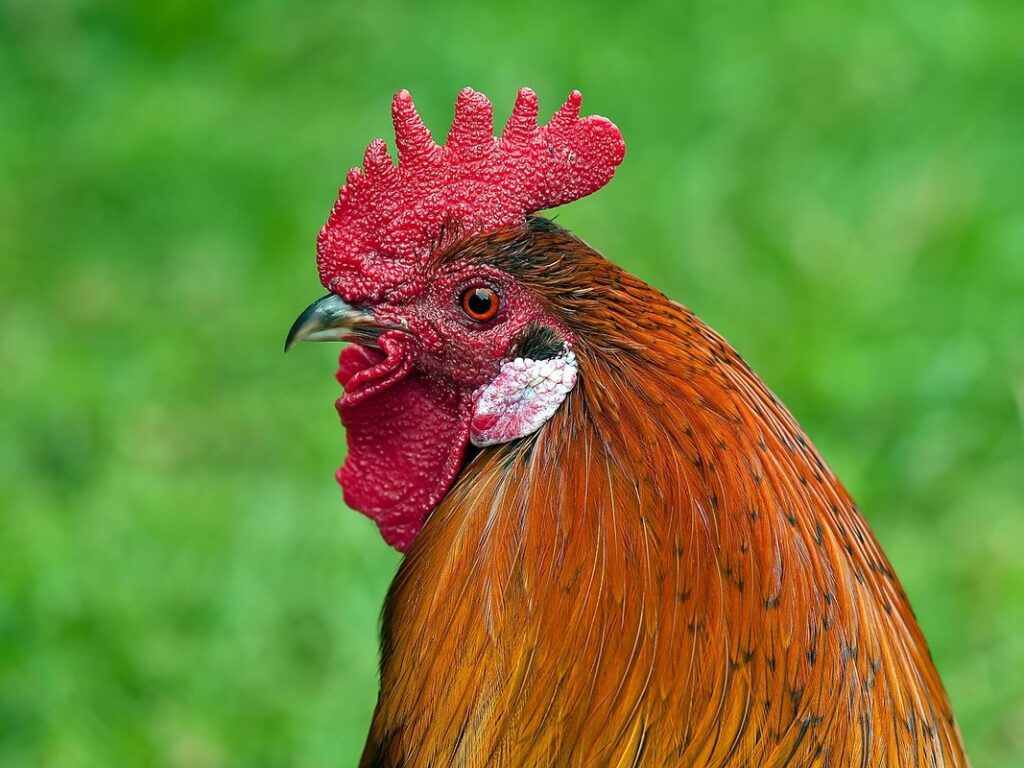
Introduction to Pea Combs and Single Combs
Let’s start by breaking down the two main types of combs used for chickens: pea combs and single combs. You’ll want to know their unique characteristics.
History of Pea Combs
Pea combs have been a staple in poultry-keeping for centuries, and their history is as fascinating as it is complex. Originating in Europe, these small, rounded combs were first mentioned in ancient texts from the 16th century. As European farmers began to breed chickens specifically for meat and egg production, pea combs became more prominent.
One of the earliest recorded references to pea combs dates back to the 1600s, where they were mentioned as a distinct characteristic of the Polish fowl breed. Over time, pea combs spread throughout Europe, with various breeds developing unique features and characteristics. The Orpington, Leghorn, and Brahma are just a few examples of popular chicken breeds that sport pea combs.
Interestingly, pea combs were initially seen as a desirable trait due to their supposed connection to egg production and fertility. However, modern poultry breeding has led to a shift in focus towards more practical considerations, such as disease resistance and heat tolerance.
Characteristics of Pea Combs
A pea comb is characterized by its compact and rounded shape, typically measuring 1-2 inches in diameter. This unique design allows for a more contained and manageable area for grooming. One of the most notable features of pea combs is their ability to collect loose hairs effectively without causing discomfort or pain to the bird.
The key to successfully using a pea comb is understanding its specific needs. Unlike single combs, which often require gentle teasing or separation of individual feathers before combing, pea combs can be used directly on the bird’s skin with minimal preparation. This makes them ideal for sensitive birds or those prone to feather plucking.
To use a pea comb effectively, start by gently lifting a section of feathers and working from the base towards the tip. Be cautious not to press too hard, as this may cause discomfort or even injury. Regular cleaning is also essential to prevent tangles and mats forming within the comb’s narrow spaces.
Benefits of Pea Combs
Pea combs offer several advantages over single combs, including improved ventilation and reduced risk of feather damage during egg collection. Let’s explore these benefits in more detail.
Improved Egg Quality
One of the most significant advantages of pea combs is their contribution to improved egg quality. This can be attributed to several factors including yolk color, white texture, and overall health.
Research has shown that hens with pea combs tend to produce eggs with richer, more vibrant yolks due to a higher concentration of carotenoid pigments in the feed. This is because the pea comb allows for better heat regulation, which enables hens to absorb these essential nutrients more efficiently. In contrast, single-comb hens often experience stress and discomfort during hot weather conditions, leading to reduced nutrient uptake and lower quality eggs.
Better white texture is another benefit associated with pea combs. The unique shape of the pea comb allows for improved blood flow to the hens’ ovaries and oviducts, resulting in cleaner, more uniform egg whites. This not only enhances the appearance but also contributes to a healthier eating experience for consumers.
By choosing hens with pea combs, farmers can significantly improve the overall quality of their eggs while also promoting better welfare conditions for these birds.
Enhanced Feeding Efficiency
One of the significant advantages of pea combs is their ability to enhance feeding efficiency in hens. This can lead to higher feed conversion rates and subsequently lower costs for farmers and backyard chicken keepers alike. So, how do pea combs make a difference?
Compared to single combs, pea combs are more compact and have a smaller surface area. As a result, they don’t require as much blood flow to regulate their temperature, which means hens can focus more energy on digesting food rather than cooling themselves down. This increased efficiency allows them to eat more effectively and extract nutrients from their feed.
Studies have shown that pea-combed hens tend to convert feed into eggs at a higher rate compared to those with single combs. For example, one study found that pea-combed hens had an average feed conversion ratio of 2.5:1, while single-combed hens had a ratio of 3.2:1. This translates to a significant reduction in feed costs over time.
By incorporating pea-combed hens into your flock, you can potentially enjoy improved feeding efficiency and lower expenses. If you’re considering making the switch from single combs, it’s essential to ensure that your birds are receiving adequate nutrition and have access to fresh water at all times.
Drawbacks of Pea Combs
While pea combs have their advantages, it’s essential to consider some potential downsides when deciding which comb is best for your flock. Some owners may experience problems with mites and irritation.
Increased Maintenance Requirements
One of the significant drawbacks of keeping pea comb chickens is the increased maintenance requirements. Unlike single comb chickens, which have a relatively straightforward care routine, pea combs demand regular attention to prevent health issues.
When it comes to cleaning the pea comb, it’s essential to do so regularly to prevent debris and dirt from accumulating. This can lead to infections, particularly around the eyes and face. To clean the pea comb, use a gentle soap and lukewarm water solution, making sure to avoid getting any liquid into the chicken’s eyes or nostrils.
In addition to regular cleaning, pea comb chickens require frequent checks for mites. These tiny parasites feed on the chicken’s blood and can cause significant discomfort and even illness if left unchecked. To prevent infestations, keep a close eye out for signs of mites, such as excessive scratching, lethargy, or visible debris around the eyes.
To make maintenance easier, consider creating a dedicated area for your pea comb chickens to rest and relax. This will reduce the amount of dust and debris they pick up, making cleaning a breeze. By incorporating these simple habits into your care routine, you can enjoy a healthier, happier flock with minimal stress on both you and your birds.
Potential Health Risks
One of the significant drawbacks of pea combs is the potential health risks they pose to hens. When it comes to egg-laying stress, pea combs can exacerbate existing issues. The compact and curved shape of pea combs makes them more susceptible to overheating, which can lead to heat stress in chickens. This stress can cause a range of problems, from reduced egg production to weakened immune systems.
Research has shown that hens with pea combs are more likely to experience reproductive difficulties due to heat stress. In extreme cases, it can even lead to prolapsed vents or egg binding. To mitigate these risks, it’s essential to ensure your chickens have access to adequate ventilation and shade in their coop and run. Regular health checks and maintaining a balanced diet can also help reduce the likelihood of heat-related issues.
Reduced immune function is another significant concern with pea combs. When hens are under stress due to their unique comb shape, it can weaken their natural defenses against disease. This makes them more vulnerable to respiratory infections and other illnesses that can have severe consequences for your flock’s health and productivity.
Comparison to Single Combs
Let’s take a closer look at how pea combs compare to single combs, and what differences you might notice when choosing between these two popular styles.
Key Differences Between Pea and Single Combs
When it comes to pea and single combs, there are several key differences that set them apart from each other. One of the main differences is their size – pea combs are generally smaller than single combs, with a more compact design that fits snugly under the hen’s neck. In contrast, single combs are larger and more spread out, which can be beneficial for hens with thicker feathers or those that produce excessive mucus.
Another difference lies in their shape – pea combs tend to have a more rounded or oval shape, while single combs are typically longer and thinner. This affects how well they fit under the hen’s neck and how easily they can become entangled in the surrounding feathers. Additionally, pea combs often have fewer blood vessels visible on the surface, which can help reduce the risk of frostbite during cold weather.
When choosing between a pea and single comb, consider the individual needs and characteristics of your hens. If you’re looking for a more compact design that’s less likely to cause entanglement, a pea comb may be the better choice. However, if your hen is particularly large or has thicker feathers, a single comb might provide more support and protection from cold temperatures.
Egg Production and Quality in Single Combs
When it comes to egg production and quality, both pea combs and single combs have their own strengths and weaknesses. In terms of egg laying capacity, single combs tend to produce more eggs per year compared to pea combs. According to a study published by the American Poultry Association, single-comb hens produced an average of 300 eggs per year, while pea-comb hens produced around 250 eggs per year.
However, pea combs are known for producing eggs with higher quality and stronger shells. This is because the unique shape of the pea comb allows for better blood flow to the reproductive organs, resulting in healthier and more robust egg production. Additionally, pea-comb hens tend to have a lower risk of respiratory problems due to their distinctive earlobe structure.
When it comes to choosing between the two types of combs, it ultimately depends on your specific needs and goals. If you prioritize high egg production, single combs may be the better choice. But if you’re looking for eggs with superior quality and stronger shells, pea combs are a great option.
Which Comb Type is Right for You?
When it comes to choosing between a pea comb and single comb, you’re likely wondering which one suits your needs best. Let’s break down the key factors to consider.
Assessing Your Flock’s Needs
When deciding between a pea comb and single comb for your flock, it’s essential to assess their specific needs and goals. Start by considering the breed, age, and health of your chickens. For example, if you have a large breed like an Orpington, a single comb may be more suitable due to its larger size and less likelihood of overheating.
On the other hand, smaller breeds or young pullets may thrive with a pea comb, as it’s better suited for their compact size and needs for ventilation. Think about the climate you live in – if it’s hot and humid, a single comb might be more suitable to help regulate your birds’ body temperature.
Consider the health of your flock as well. If they’re prone to respiratory issues or heat stress, a pea comb could provide some relief by allowing for better airflow and reducing sweat buildup around the face. Take stock of your coop’s design and layout too – if it’s spacious with plenty of ventilation, a pea comb might work well. By weighing these factors, you can determine whether a pea comb or single comb is better suited to meet the unique needs of your flock.
Making an Informed Decision
When choosing between pea combs and single combs, it’s essential to make an informed decision that suits your specific needs. This involves considering factors such as breed selection and overall health.
For example, if you’re raising miniature goats or Nigerian dwarfs, a pea comb might be more suitable due to their smaller size. On the other hand, larger breeds may require the extra room provided by single combs. Consider the space you have available for your animals and ensure that the chosen comb type aligns with it.
Another critical factor is the animal’s health. Pea combs are ideal for animals prone to mites or flies as they allow for better air circulation, reducing the risk of infestation. However, single combs provide a more straightforward grooming process, which might be beneficial if your goats have sensitive skin or require regular maintenance.
Ultimately, it’s crucial to weigh these factors against each other and observe your goats’ behavior and comfort level when choosing between pea combs and single combs.
Frequently Asked Questions
Can I mix pea combs with single combs within the same flock?
Yes, it’s possible to have a mixed flock with different comb types, but it’s essential to consider their individual needs and characteristics. Pea combs may require more careful management regarding heat stress, while single combs can tolerate warmer temperatures better. Monitor your birds closely for any signs of distress or discomfort.
How do I prevent heat stress in my pea comb chickens?
Provide a cooler environment with plenty of shade, ventilation, and access to fresh water at all times. Consider using fans or misting systems during hot summer months to keep the temperature manageable. Additionally, ensure your coop is well-ventilated to prevent moisture buildup.
Can I use single combs for cold climates?
Single combs can be more susceptible to frostbite in extremely cold temperatures. If you live in an area with harsh winters, it’s crucial to provide additional protection measures, such as insulation and windbreaks, to safeguard your flock from extreme cold.
How often should I check on my chickens’ health regarding their comb types?
Regularly inspect your birds for any signs of illness or discomfort related to their comb type. Keep a close eye on changes in behavior, appetite, or egg production, which can indicate potential issues specific to pea combs or single combs.
Are there any specific vaccinations I should consider based on the comb type?
While vaccination recommendations don’t differ significantly between comb types, it’s essential to consult with a veterinarian to determine the best course of action for your flock. They will help you develop a comprehensive health plan tailored to your birds’ needs and local regulations.