
When it comes to these stunning birds, many people can’t tell the difference between a peacock and a peahen. While they may look alike at first glance, there are some key differences that set them apart, both physically and behaviorally. As a bird enthusiast or new owner of one of these magnificent creatures, understanding these differences is essential for proper care and identification.
In this article, we’ll delve into the fascinating world of peacocks and peahens, exploring their physical characteristics, breeding habits, and unique traits that make them special. We’ll also provide tips on how to identify sex, raise healthy chicks, and ensure you’re giving your bird the best possible care. Whether you’re an experienced breeder or just starting out, this guide will give you a deeper understanding of these incredible birds and help you become a more confident and knowledgeable owner.
Introduction to Peacocks and Peahens
Let’s start by understanding the basics of these majestic birds: peacocks and peahens. Both belong to the pheasant family, but they have distinct physical characteristics that set them apart.
What are Peafowl?
Peafowl are majestic birds known for their vibrant plumage and impressive courtship displays. But have you ever wondered what exactly a peafowl is? To understand the differences between peacocks and peahens, let’s start with the basics.
The scientific classification of peafowl is Pavo cristatus, which belongs to the pheasant family (Phasianidae). These birds are native to the Indian subcontinent and Southeast Asia, where they inhabit dense forests, grasslands, and wetlands. In their natural habitat, peafowl feed on plants, fruits, and insects.
One of the most distinctive characteristics of peafowl is their stunning plumage. Males, also known as peacocks, have a dazzling array of colors on their backs, necks, and tails, while females, or peahens, have more subdued brownish-green feathers with intricate patterns. The male’s impressive train, consisting of over 150 colorful eyespots, plays a crucial role in attracting mates during courtship displays.
Understanding the unique characteristics and habits of peafowl is essential to appreciating their beauty and behavior. By recognizing the differences between males and females, you’ll be better equipped to care for these magnificent birds if you ever have the privilege of keeping them as pets or observing them in their natural habitat.
Difference Between a Male and Female Peafowl
Identifying the sex of a peafowl can be an exciting challenge for bird enthusiasts. One of the most straightforward ways to determine the sex is by looking at their visual characteristics. Male peafowl, also known as peacocks, are larger and more vibrant than females, or peahens. A key distinguishing feature is the size and shape of the train feathers on the tail.
A male’s train feathers are long, brightly colored, and highly elaborate, with eyespots that shimmer in shades of blue and green. In contrast, a female’s train feathers are shorter, duller, and less vibrant. When a peacock spreads its magnificent tail, you’ll notice the impressive display of color and pattern – something you won’t see on a peahen.
Another visual cue is the size and shape of the beak. Male peafowl have a distinctive, curved upper mandible that gives them an almost majestic appearance. Peahens, on the other hand, have a straighter upper mandible that’s more modest in appearance.
To determine the sex of a peafowl with confidence, look for these visual cues: size, train feather color and length, beak shape and size.
Physical Differences Between Peacocks and Peahens
Let’s dive into the physical differences that set peacocks apart from their more understated counterparts, the peahens. While they share some similarities, there are key visual distinctions to note.
Plumage and Coloration
One of the most striking differences between peacocks and peahens lies in their plumage and coloration. While both males and females share a similar overall appearance, there are distinct variations that set them apart.
Peacocks boast an iconic tail with eyespots, also known as ocelli, which are responsible for their stunning iridescent colors. These intricate patterns serve as a key identifier of the peacock’s masculinity. The vibrant blues and greens in the tail’s eyespots reflect light, creating a dazzling display that plays a crucial role in the peacock’s mating rituals.
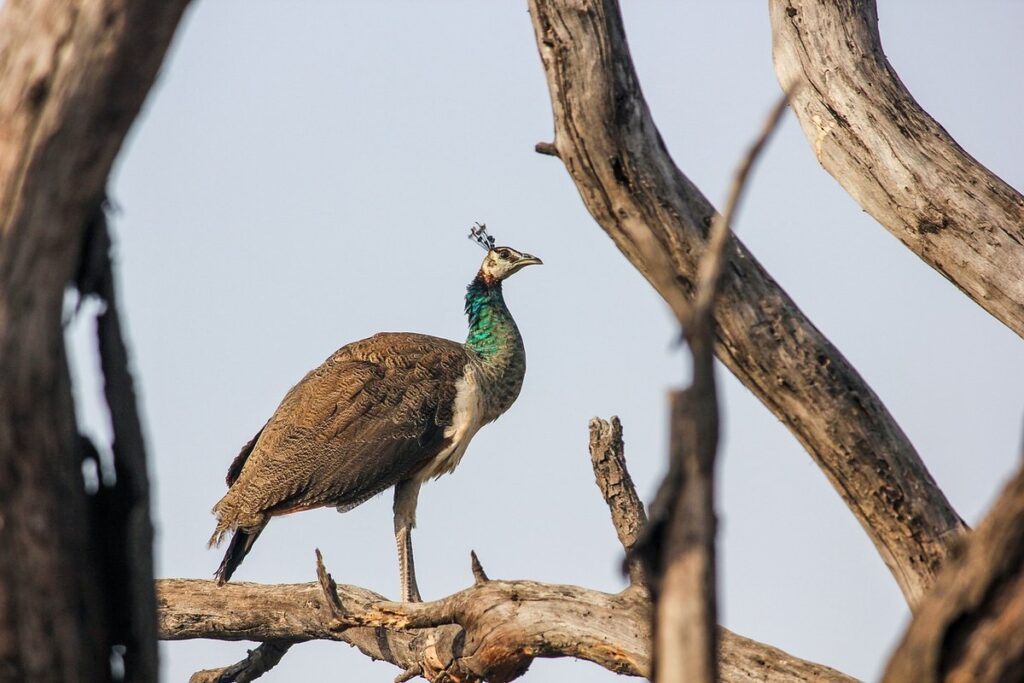
In contrast, peahens lack these elaborate eye-spotted tails. Their plumage is primarily mottled brown and gray with subtle hints of blue and green on their necks and backs. While not as flashy as the peacock’s tail, peahen feathers still display intricate patterns and textures that aid in camouflage.
When distinguishing between a peacock and peahen, pay close attention to the presence or absence of these striking tail feathers. The more vibrant and iridescent the colors, the higher the likelihood you’re observing a male.
Size and Weight
When it comes to physical differences between peacocks and peahens, one of the most noticeable distinctions lies in their size and weight. On average, a male peacock tends to be larger than its female counterpart.
According to various studies, an adult male peacock can weigh anywhere from 8-12 pounds (3.6-5.4 kg), with some individuals reaching up to 15 pounds (6.8 kg) in weight. In contrast, an adult female peahen typically weighs between 6-9 pounds (2.7-4 kg).
In terms of length, a male peacock’s train can reach up to 6 feet (1.8 meters) long, which is significantly longer than the 3-4 feet (0.9-1.2 meters) span of its female counterpart’s shorter tail feathers.
It’s worth noting that while size and weight differences are relatively consistent among individuals within a species, there can be some variation depending on factors such as age, nutrition, and overall health. However, in general, these physical distinctions provide a clear visual indication of whether you’re looking at a male or female member of the peafowl family.
Behavioral Differences Between Peacocks and Peahens
When it comes to behavior, peacocks and peahens exhibit distinct traits that are shaped by their unique characteristics and roles in the wild. Let’s explore these fascinating differences together.
Mating and Breeding Habits
When it comes to mating and breeding habits, peacocks and peahens exhibit distinct behaviors that are shaped by their evolutionary history. Peacocks, being the male species, engage in elaborate courtship displays to attract females. These displays involve spreading their vibrant tails, making loud calls, and performing intricate dances to showcase their genetic quality.
In contrast, peahens tend to be more selective in their choice of mates. They often choose males with the most impressive plumage, as this is a key indicator of fitness and fertility. This behavior is known as “mate choice” and is essential for ensuring that peacocks pass on their best traits to their offspring.
When it comes to breeding, peahens typically lay between 2-6 eggs per clutch, with an average of 3-4 eggs per clutch. Peacocks, while not directly involved in egg-laying, play a crucial role in incubation and chick-rearing by guarding the nest and protecting their young from predators.
It’s essential for peacock owners to understand these differences to provide the best possible care for their birds. By mimicking natural mating behaviors and providing suitable nesting conditions, you can help your peacocks and peahens thrive.
Territorial Behavior
When it comes to territorial behavior, peacocks and peahens exhibit distinct differences. Peacocks, being the more aggressive of the two, engage in dominance displays to establish their territory and attract females. These displays often involve loud calling, spreading their colorful tails, and performing intricate courtship rituals.
On the other hand, peahens are generally less aggressive and tend to focus on foraging and raising their young rather than engaging in territorial battles. However, when faced with a threat or rival, they will not hesitate to defend themselves and their territory.
To recognize these differences, observe your bird’s behavior during courtship seasons or when competing with other birds for food and resources. Peacocks are more likely to be seen strutting around the yard, displaying their vibrant plumage, while peahens tend to keep a low profile, focusing on their daily activities. By understanding these behavioral differences, you can better manage your bird’s territorial needs and create a harmonious coexistence between males and females in your backyard.
Diet and Nutrition Requirements
When it comes to feeding our peacock and peahen friends, providing a balanced diet is crucial for their overall health and well-being. This means paying attention to specific nutrient requirements.
Peacock vs Peahen Dietary Needs
When it comes to diet and nutrition, peacocks and peahens have distinct requirements. As adult birds, they are omnivores and require a balanced mix of protein, fruits, vegetables, and grains in their diet. A high-quality commercial pellets specifically formulated for pheasants or game birds should make up about 50-60% of their diet. However, they also need access to fresh water at all times and a variety of treats like mealworms, sunflower seeds, and chopped fruits.
It’s essential to note that juvenile peafowl have different dietary needs compared to adults. Chicks require a starter feed rich in protein (around 25-30%) until they are about six weeks old. After this period, you can gradually transition them to adult pellets while still offering a varied diet that includes fresh fruits and vegetables.
A well-balanced diet is crucial for maintaining the health and vibrancy of your peafowl flock. Ensure you provide clean water and a nutritious diet tailored to their age and nutritional requirements. Consult with a veterinarian or experienced breeder if you’re unsure about creating an optimal diet plan for your birds. By doing so, you’ll be able to enjoy watching these magnificent creatures thrive in their new home.
Food Sources and Foraging Habits
In their natural habitat, peacocks and peahens exhibit distinct foraging habits that are influenced by their dietary requirements. Peafowl are omnivores, which means they consume a wide variety of plants, insects, and small animals to meet their nutritional needs.
When foraging for food, peacocks tend to be more aggressive and dominant, often leading the way in search of sustenance. They have sharp eyesight that allows them to spot prey from afar, making them efficient hunters. Peahens, on the other hand, are more cautious and tend to follow their mate’s lead when it comes to foraging.
In their natural habitat, peafowl can be found foraging in grasslands, forests, and even agricultural areas. They feed on a variety of plants, including leaves, fruits, and grains, as well as insects like ants, beetles, and worms. To encourage your pet peacock or peahen to adopt healthy foraging habits, provide them with a diverse range of food sources, such as fresh vegetables, fruits, and whole grains. This will help stimulate their natural instincts and promote a balanced diet.
Habitat and Environmental Preferences
Peacocks and peahens have distinct preferences when it comes to their habitat, with both species requiring specific environmental conditions to thrive. Let’s dive into the details of what makes a suitable home for these magnificent birds.
Environmental Adaptations
When it comes to environmental adaptations, peacocks and peahens exhibit some fascinating differences. While both species belong to the same family (Phasianidae), they have distinct preferences when it comes to temperature and humidity levels.
In general, peafowl are adapted to warm and humid climates, thriving in temperatures between 64°F and 90°F (18°C and 32°C). Peahens tend to prefer slightly cooler temperatures than their male counterparts, often seeking shade during the hottest part of the day. In contrast, peacocks seem to enjoy basking in the sun, often spreading their majestic tails to maximize heat absorption.
Humidity levels also play a crucial role in environmental adaptations. Peafowl are comfortable in humid environments, with a relative humidity range of 50-80%. However, they can still tolerate some dryness, especially if they have access to water and shade. To replicate this natural environment, it’s essential for peacock owners to maintain a well-ventilated aviary or enclosure with adequate shelter from the elements.
When creating an ideal habitat for your peafowl, remember that temperature control is key. Avoid placing their enclosures near drafty windows, air conditioning vents, or direct sunlight sources. By understanding and catering to their specific environmental preferences, you can ensure a happy and healthy peacock or peahen.
Space Requirements
When it comes to keeping peafowl as pets or in captivity, one of the most critical aspects to consider is their space requirements. These birds are known for their impressive size and energetic behavior, so providing them with ample space to roam and exercise is essential.
On average, a pair of peafowl requires about 1/4 acre of land or more, depending on the breed and your local climate. However, if you’re keeping them in captivity, a minimum of 10×20 feet per bird is recommended. This space should be well-ventilated, shaded, and protected from strong winds.
It’s also crucial to provide a safe and secure enclosure to prevent escape attempts. Peafowl are notorious for their intelligence and curiosity, so they’ll need regular stimulation and enrichment activities to keep them engaged and happy. Consider adding perches, nesting boxes, and scratching posts to their living space to meet their physical and mental needs.
Remember, the space requirements for peafowl will vary depending on their age, size, and breed, as well as your specific climate and local regulations. Always consult with a veterinarian or experienced breeder to determine the best space arrangement for your feathered friends.
Breeding and Raising Peafowl
If you’re considering raising peafowl, understanding how to breed and raise them is crucial for a successful experience. This section will guide you through the process of breeding and caring for your peafowl.
Choosing a Mate
When it comes to breeding peafowl, choosing the right mate is crucial for the health and diversity of your flock. As you select suitable pairs, consider two primary factors: genetic diversity and compatibility.
Genetic diversity is essential to maintaining a healthy and thriving flock. Introducing new bloodlines can help prevent inbreeding and reduce the risk of genetic disorders. To achieve this, look for peafowl with distinct characteristics, such as different plumage patterns or feather lengths. For example, pairing a silver-backed peacock with a brown-backed peahen can introduce new traits to your flock.
Compatibility is also vital when choosing mates. Observe how the birds interact with each other during courtship displays and ensure they have a harmonious relationship. A compatible pair will show signs of affection, such as preening or displaying together. Avoid pairing birds that are too aggressive or dominant, as this can lead to stress and fighting within the flock.
When selecting mates, consider visiting reputable breeders who prioritize genetic diversity and compatibility. This will increase the chances of producing healthy, robust offspring with desirable traits. By carefully choosing your peafowl mates, you’ll be taking a significant step towards breeding a strong, diverse flock.
Incubation and Brooding
When it comes to breeding and raising peafowl, one of the most critical stages is incubation and brooding. Incubating eggs requires a controlled environment that mimics the natural conditions found in the wild. This means maintaining a consistent temperature between 99°F and 100°F (37°C to 38°C) for the first 24 days, followed by a slight drop in temperature.
It’s essential to handle the eggs carefully to avoid damaging them or the delicate membranes inside. You’ll also need to ensure proper ventilation to prevent moisture buildup, which can lead to fungal growth. To brood chicks successfully, you’ll need a safe and dry enclosure with adequate space for them to move around.
For first-time breeders, it’s crucial to research and understand the specific needs of peafowl during this sensitive period. You should also be prepared to handle any potential health issues that may arise, such as respiratory problems or bacterial infections. With proper care and attention, you can successfully incubate eggs and raise healthy chicks.
Conclusion: Key Takeaways on Peacock vs Peahen Differences
Now that you’ve made it through this comprehensive guide, let’s summarize the key takeaways on peacock vs peahen differences. The most striking difference between a peacock and a peahen is their plumage, with males flaunting vibrant blue and green feathers and females having duller brownish-green plumage. However, both sexes share similar body proportions and behaviors, including their love for water and their ability to fly long distances. If you’re planning to keep these birds as pets, remember that peacocks require more space and attention due to their larger size and elaborate courtship displays. By understanding the differences between peacocks and peahens, you’ll be better equipped to provide the right care and environment for your feathered friends. With this knowledge, you can now make informed decisions when interacting with these magnificent birds.
Frequently Asked Questions
How do I identify the sex of a peafowl chick?
Identifying the sex of a peafowl chick can be challenging, but it’s crucial for proper care and breeding. Look for physical characteristics such as the comb on top of their head (males) or the absence of one (females). Also, observe their behavior: males are generally more aggressive and territorial. Consult with an experienced breeder or a veterinarian for guidance if you’re unsure.
Can I keep both a peacock and a peahen together?
While it’s possible to keep a peacock and a peahen together, it’s essential to ensure their enclosure is spacious enough (at least 10 square meters per bird) and well-ventilated. However, males can be aggressive towards females during mating season, so monitor their behavior closely and provide separate areas for feeding and roosting.
How often should I feed my peafowl?
Peafowl have specific dietary needs, and overfeeding or underfeeding can lead to health issues. Aim to provide 1-2 cups of high-quality commercial pellets per bird daily, supplemented with fresh fruits and vegetables (about 10% of their diet). Also, ensure access to clean water at all times.
What are some common health issues in peafowl?
Common health issues in peafowl include respiratory problems, parasites, and fungal infections. Regularly inspect your birds for signs of illness, such as labored breathing or changes in droppings. Maintain a clean environment, provide adequate ventilation, and ensure access to fresh water and balanced nutrition.
Can I breed my own peafowl?
Breeding peafowl requires expertise and specialized knowledge. Ensure you have a suitable breeding program, with experience in handling, sexing, and raising chicks. Consult with experienced breeders or join a reputable bird-keeping organization for guidance on best practices and to connect with other enthusiasts.