
If you’re an avid bird enthusiast or a seasoned breeder, chances are you’ve come across the majestic peafowl. But have you ever stopped to think about their eggs? Peafowl eggs may not be as well-known as those of other birds, but they’re just as fascinating and require special care to incubate successfully. As a responsible owner, understanding how to breed, incubate, and raise healthy chicks is crucial for the success of your flock. In this article, we’ll dive into the unique characteristics of peafowl eggs and provide you with expert tips on how to provide optimal care for your birds. From breeding and incubation to hatching and raising healthy chicks, we’ve got everything you need to know about peafowl eggs covered in one comprehensive guide.
What Are Peafowl?
So, you’re curious about these beautiful birds that lay those amazing eggs. Let’s start by learning more about what peafowl are and their unique characteristics.
The Origin and History of Peafowl
Peafowl have been fascinating humans for thousands of years, and their unique characteristics have made them a popular choice as exotic pets. The origin of peafowl dates back to the jungles of Asia, where they roamed freely in their natural habitats. These majestic birds were first domesticated by the Indian subcontinent’s ancient civilizations over 3,000 years ago.
Interestingly, both male and female peafowl exhibit distinct characteristics that set them apart from one another. While males are known for their vibrant plumage and impressive courtship displays, females have a more subdued appearance with a duller sheen to their feathers. Despite these differences, both sexes play crucial roles in maintaining the peafowl’s delicate ecosystem.
Peafowl were initially bred for their striking beauty and later became popular as ornamental birds due to their stunning display of colorful feathers during courtship. Today, they are found on many continents worldwide, with various species having been introduced through human intervention.
In their natural habitats, peafowl inhabit dense forests where the males engage in intense battles to establish dominance and attract mates. This intricate social dynamic has allowed scientists to study these birds’ fascinating mating habits.
Physical Characteristics of Peafowl
Peafowl are known for their striking physical characteristics, which set them apart from other birds. One of the most distinctive features is their plumage, which comes in a variety of colors and patterns depending on the breed. The Indian Peafowl, for example, has a vibrant blue and green plumage with intricate eye-spots on its tail feathers. In contrast, the Green Peafowl boasts a more subdued color scheme, with shades of gray and olive green.
When it comes to size, peafowl are relatively large birds, with males reaching up to 5 feet in length and weighing as much as 14 pounds. Females, on the other hand, tend to be smaller, weighing around 9-10 pounds. Despite their size, peafowl are known for their agility and can run at speeds of up to 6 miles per hour.
It’s worth noting that different breeds of peafowl have unique physical characteristics that set them apart from one another. For example, the Satin Peafowl has a distinctive silky plumage with a sheen to it, while the Java Peafowl has a more muted color scheme with darker markings on its feathers. Understanding these differences can be helpful when it comes to choosing the right breed for your needs, especially if you’re looking to incubate peafowl eggs in a backyard setting.
Breeding and Incubation of Peafowl Eggs
When it comes to raising peafowl, understanding how to breed and incubate their eggs is crucial for success. This process can be challenging, but with the right guidance, you’ll be well on your way to hatching healthy chicks.
Choosing a Healthy Rooster for Fertilization
When it comes to breeding peafowl eggs, selecting a healthy rooster for fertilization is crucial. A good rooster can make all the difference between successful hatching and disappointment. So, what makes a healthy rooster? For starters, look for one with vibrant plumage, a strong build, and an energetic demeanor.
A healthy rooster should also have bright eyes, a robust crowing voice, and be actively engaged in his environment. Avoid selecting a rooster that appears lethargic or shows signs of illness, such as labored breathing or discharge around the eyes or beak.
To determine if your rooster is suitable for breeding, monitor his behavior during courtship. A healthy rooster will enthusiastically pursue females, perform impressive displays of plumage and vocalizations, and engage in friendly sparring matches with other males.
It’s also essential to consider genetic diversity when selecting a rooster. A diverse gene pool can help prevent inherited health issues and promote stronger, more resilient offspring. If you’re new to breeding peafowl eggs, consult with an experienced breeder or veterinarian for guidance on choosing the right rooster for your needs.
Collecting and Storing Peafowl Eggs
Collecting peafowl eggs requires care and attention to detail to ensure their quality remains intact until incubation begins. When it’s time to collect eggs, do so gently to avoid cracking the shells, which can contaminate the egg contents.
Begin by carefully approaching the nesting box or roosting area where your female peafowl has laid her eggs. Observe her behavior and wait for a moment when she is distracted or away from the nesting site. Gently lift the eggs into a carton or specialized container to prevent them from getting damaged.
It’s essential to store collected peafowl eggs in a cool, dry place with controlled humidity levels. The ideal storage conditions are between 55°F and 60°F (13°C and 15°C), with relative humidity maintained at around 50-60%. Avoid storing eggs near direct sunlight or heat sources that can cause temperature fluctuations.
Monitor the eggs regularly for any signs of spoilage, such as visible cracks, mold, or an off smell. Keep the storage area clean and free from predators to prevent accidental damage or loss of eggs. This will ensure your peafowl eggs remain safe and healthy until you’re ready to begin incubation.
Incubating Peafowl Eggs
So, you’ve successfully hatched your peafowl eggs and now it’s time to incubate the next batch – here’s what you need to know about this crucial process.
Choosing the Right Incubator
When it comes to choosing an incubator for peafowl eggs, you have several options to consider. One popular choice is a digital incubator, which offers precise temperature control and humidity levels. These incubators are easy to use and often come with automatic egg turning features.
Another option is a traditional incubator, which relies on manual controls to regulate temperature and humidity. While these incubators can be less expensive than digital models, they require more maintenance and attention from the user.
When selecting an incubator, consider factors such as your budget, level of experience, and the number of eggs you plan to hatch at once. Some popular brands include Brinsea and Rcom, but research and compare different models before making a decision.
It’s also essential to think about the space where the incubator will be located, as well as any noise or energy efficiency concerns. Ultimately, the right incubator for you will depend on your specific needs and circumstances. Be sure to read reviews and do your research to find an incubator that meets your requirements and ensures a healthy hatch rate.
Setting Up and Monitoring the Incubation Process
Setting up an incubator for peafowl eggs requires attention to detail and a commitment to maintaining optimal conditions. First, ensure that the incubator is specifically designed for poultry or waterfowl, as these species have unique temperature and humidity requirements. Peafowl eggs typically require a temperature range of 99-100°F (37-38°C) during the first 24 days of incubation, with a slight drop to around 98-99°F (36-37°C) for the remaining days.
Maintaining proper humidity levels is also crucial, as peafowl eggs need a relatively high level of moisture – around 50-60% – until day 21. After that, the humidity can be gradually reduced to around 30-40%. To achieve this, use a water reservoir and a hygrometer to monitor the levels.
Regularly check on the eggs by observing temperature fluctuations, egg rotation, and turning frequency. The ideal turning schedule is every 24 hours for peafowl eggs, with each egg being turned between 2-4 times to prevent sticking to the shell.
Keep in mind that incubating peafowl eggs requires patience and dedication. Be prepared to make adjustments as needed, and don’t hesitate to reach out to experienced breeders or veterinarians if you encounter any issues during the incubation process.
Hatching and Raising Peafowl Chicks
Once you’ve successfully incubated your peafowl eggs, it’s time to introduce the babies to their new surroundings and learn the basics of hatching and raising peafowl chicks. This process requires patience and attention to detail to ensure a healthy start.
Recognizing Signs of Imminent Hatch
As you near the end of incubation and the days tick by, it’s essential to recognize the signs that indicate a chick is about to hatch. This can be an exciting but also nerve-wracking time for peafowl breeders. One of the first visual cues is the pipping process, where the chick begins to crack its shell from the large end. You may notice a small bubble forming on the surface or a faint pink glow emanating from within.
As the hatching process accelerates, you’ll hear the sound of chirping and peeping, signaling that the chick is getting ready to emerge. This is usually accompanied by intense scratching and kicking against the shell. Monitor the egg closely during this time as it can take anywhere from 30 minutes to several hours for the chick to fully pip.
Supporting the hatching process involves maintaining a clean and safe environment for your peafowl eggs. Ensure that the incubator or brooder is at a stable temperature, around 98-100°F (36-37°C), and has adequate ventilation. Avoid handling the egg excessively during this time as it can cause stress to the developing chick.
Providing a Safe Environment for Growing Chicks
Providing a Safe Environment for Growing Chicks is crucial to ensure their healthy growth and development. When it comes to peafowl chicks, they have specific needs that must be met to thrive. A safe and nurturing environment will help prevent common health issues and promote optimal growth.
First and foremost, make sure your chicks have access to fresh water at all times. Dehydration can set in quickly, so ensure the water is changed frequently and that there are multiple watering stations available. As for food, offer a high-quality chick starter feed specifically formulated for game birds or waterfowl. This will provide them with the necessary nutrients for growth.
In addition to adequate nutrition, peafowl chicks need shelter from extreme temperatures and drafts. Provide a warm, draft-free area for them to rest and grow. A brooder or enclosure with adequate ventilation is ideal. Social interaction is also essential; ensure your chicks are provided with plenty of space to move around and interact with each other.
Common health issues in peafowl chicks include respiratory problems, wet litter, and disease transmission. Keep a clean environment by changing the bedding regularly, disinfecting food and water dishes, and ensuring proper ventilation. Monitor your chicks closely for any signs of illness or stress. With attention to these needs, you’ll be well on your way to raising healthy peafowl chicks.
Peafowl Egg Statistics and Fun Facts
Let’s dive into some fascinating stats and little-known facts about peafowl eggs, from incubation periods to their surprisingly large size. You’ll be amazed by these surprising numbers!
Average Clutch Size and Egg Laying Frequency
Peafowl hens are prolific egg layers, and understanding their average clutch size and laying frequency is essential for breeders and enthusiasts alike. On average, a healthy peafowl hen will lay around 100-120 eggs per year, although this number can vary depending on factors such as diet, age, and overall health.
In terms of clutch size, most peafowl hens will lay between 2-5 eggs at a time, with an average of around 3-4 eggs. This means that if you have multiple breeding pairs, you can expect to see several clutches throughout the year. Interestingly, peafowl hens are known to be prolific layers in their first few years of life, with some reports suggesting they may lay up to 200 eggs in their first year alone.
It’s worth noting that peafowl hens typically take around 24-28 days to incubate their eggs, and will often lay a new clutch shortly after the previous one has hatched. If you’re breeding peafowl, it’s essential to keep an eye on your hens’ laying habits and adjust your breeding schedule accordingly.
Unique Features of Peafowl Eggs
Peafowl eggs are truly one-of-a-kind, and it’s not just their stunning appearance that sets them apart. One of the most notable features of peafowl eggs is their size – they’re typically around 1.5 to 2 times larger than chicken eggs! This is due in part to the fact that female peafowl are larger birds themselves, with some breeds reaching heights of up to 3 feet.
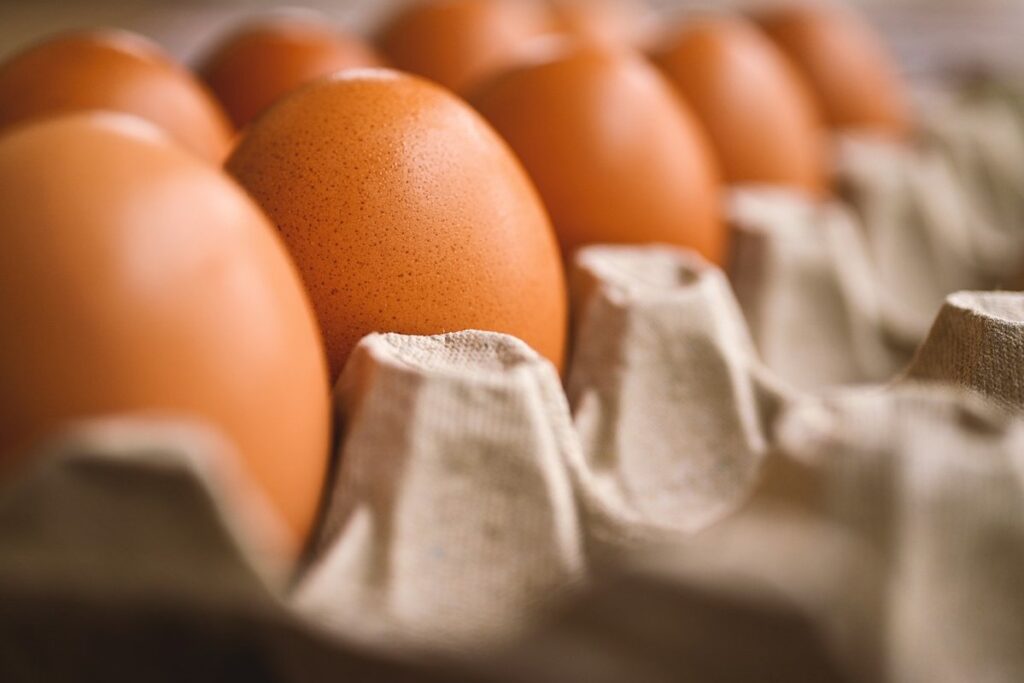
When it comes to shape and color, peafowl eggs can vary significantly depending on the breed or genetic line. Some eggs have a lovely mottled brown and gray appearance, while others may be more uniformly blue-green or even have speckles or swirls. The texture is usually smooth, but you might notice some slight ridges or bumps.
Interestingly, some breeds of peafowl are known to lay eggs with unusual color patterns, such as the Java Peafowl’s striking blue-green eggs with darker brown markings. If you’re lucky enough to own a peafowl, you may even find that your bird lays eggs in different colors depending on her mood or diet!
Health Considerations for Peafowl Egg-Layers
If you’re planning to breed peafowl, it’s essential to consider the health of your egg-laying birds to ensure their well-being and productive output. Let’s discuss some critical health factors to keep in mind.
Common Health Issues Affecting Peafowl Hens
As a peafowl keeper, it’s essential to be aware of the common health issues that can affect your hens, particularly those related to egg-laying. One of the most significant concerns is egg binding, where the hen is unable to pass an egg from her body due to its size or shape. This condition requires immediate veterinary attention to prevent serious complications.
Respiratory problems are another common issue affecting peafowl hens, often caused by dust and dander accumulation in their enclosure. You can take preventative measures by providing a clean and well-ventilated living space with regular cleaning schedules and replacing dusty bedding materials.
Prolapse is also a significant concern for peafowl breeders, especially if the hen’s reproductive tract becomes over-stretched due to egg-laying frequency or size. Ensure your hens have adequate nesting boxes and enough exercise opportunities to help prevent this condition. Regular health checks with an experienced veterinarian will help identify potential issues early on, allowing you to take corrective action before they become severe problems.
Nutritional Needs for Optimal Egg Production
To ensure your peafowl hens produce high-quality eggs, it’s essential to understand their nutritional needs. A well-balanced diet is crucial for optimal egg production, as deficiencies can lead to decreased fertility and poor egg quality. Peafowl hens require a diet rich in protein, calcium, and other essential nutrients.
A good starting point is to provide your flock with a high-quality commercial layer feed that meets their nutritional needs. However, supplementing with fresh fruits, vegetables, and grains can also be beneficial. Leafy greens like kale and spinach are excellent sources of calcium, while sunflower seeds offer a rich source of protein and healthy fats.
It’s also essential to avoid common mistakes when it comes to feeding your peafowl hens. Over-supplementing with calcium can lead to kidney stones, so ensure you’re providing a balanced diet that meets their needs without overloading them on individual nutrients. Providing access to fresh water at all times is also crucial for maintaining overall health and egg production.
Aim to provide 16-18% protein in your hens’ diet, along with 2-3% calcium. You can achieve this through a combination of commercial feed and supplements, such as crushed oyster shells or dark leafy greens. By meeting the nutritional needs of your peafowl hens, you’ll be rewarded with healthy, high-quality eggs that are perfect for eating or breeding purposes.
Conclusion
In conclusion, peafowl eggs are truly unique and fascinating creatures. As we’ve explored throughout this article, these eggs are not only an essential part of the breeding process for peafowl species but also hold a special place in many cultures around the world. Whether you’re a seasoned breeder or simply fascinated by these remarkable birds, understanding more about their eggs can deepen your appreciation and connection to nature.
To keep learning and growing with our feathered friends, we encourage you to explore local zoos, wildlife sanctuaries, or even start breeding programs in your own backyard (with proper permits and care, of course!). Remember, every egg laid by a peafowl is a new opportunity for growth, discovery, and the chance to share these incredible creatures with others. By embracing this knowledge, you’ll be well on your way to becoming an expert in all things peafowl eggs!
Frequently Asked Questions
Can peafowl eggs be fertilized artificially if a rooster is not available?
No, artificial fertilization is not recommended for peafowl eggs due to the unique characteristics of their reproductive system. Natural mating with a healthy rooster is essential for successful fertilization and hatching.
How long can I store peafowl eggs before incubation?
Peafowl eggs can be stored in a cool, dry place for up to 7-10 days without significant loss of fertility. However, it’s crucial to maintain optimal storage conditions (around 55°F/13°C) to preserve the viability of the embryos.
What are some common health issues affecting peafowl hens that might impact egg production?
Peafowl hens can be susceptible to conditions like coccidiosis, respiratory infections, and mites. Regular monitoring for these issues, along with a balanced diet and clean living environment, is vital to maintaining optimal egg production.
Can I use an automatic egg turner in my incubator, or do peafowl eggs require manual turning?
While some automatic turners are suitable for peafowl eggs, it’s essential to choose one that can accommodate the larger size of these eggs (approximately 2.5-3 inches long). Manual turning may be necessary if you’re unsure about the specific needs of your incubator.
How do I ensure a safe environment for growing chicks after hatching?
Provide a brooder with adequate space, temperature control (around 90°F/32°C), and ventilation to prevent respiratory problems. Ensure access to food and water at all times, and monitor chick health closely to prevent disease outbreaks.