
If you’re considering bringing some exotic flair to your backyard with peafowl, you’ll want to make sure you provide them with the best possible living conditions. These stunning birds require more than just a pretty home – they need a space that meets their unique needs and provides the perfect blend of climate control and natural habitat.
In this article, we’ll dive into the specifics of providing top-notch peafowl housing. We’ll cover essential topics such as space requirements, shelter options, and climate management to ensure your feathered friends stay happy and healthy. From understanding the ideal enclosure size to learning how to regulate temperature and humidity, our expert guide will equip you with the knowledge needed to create a thriving environment for your peafowl. With our help, you can enjoy these incredible birds without sacrificing their well-being or yours.
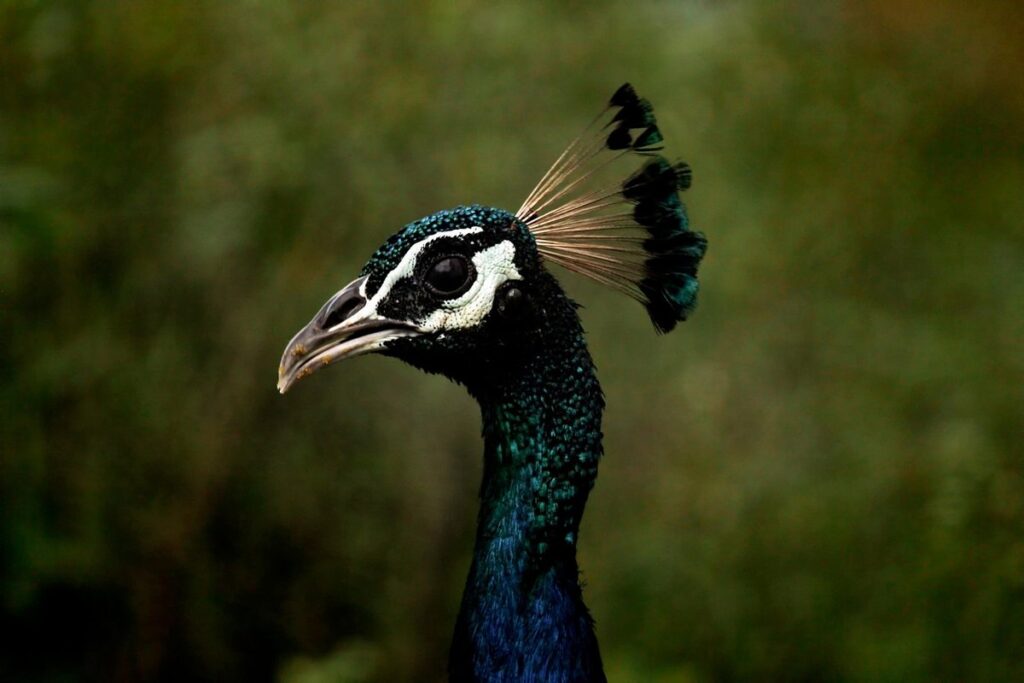
Understanding Peafowl Housing Needs
To provide a comfortable and safe environment for your peafowl, it’s essential to consider their specific housing needs. This includes space requirements and design elements that cater to their unique behaviors.
Space Requirements for a Healthy Flock
When it comes to housing peafowl, one of the most critical aspects is providing sufficient space for them to roam and exercise. These birds are active by nature and need room to stretch their wings, run around, and engage in natural behaviors like foraging and dust bathing.
The recommended square footage per bird varies depending on factors such as breed, age, and climate. A general rule of thumb is to provide at least 10-15 square feet (0.9-1.4 square meters) per adult peafowl. However, if you’re planning a large flock or live in a warmer climate, consider providing more space – up to 20-25 square feet (1.8-2.3 square meters) per bird.
To give you a better idea, imagine a small backyard with a garden and some trees. A 10×12 foot enclosure would provide ample space for four or five peafowl to live comfortably. Just remember that these birds will use about half of the available space during the day, so don’t underestimate their roaming needs.
When planning your flock’s living area, also consider adding features like perches, roosts, and dust baths to keep them entertained and active.
Considerations for Indoor vs. Outdoor Housing
When deciding where to house your peafowl, you’ll need to weigh the pros and cons of indoor versus outdoor housing. While some owners swear by keeping their birds indoors, others prefer the freedom of an outdoor enclosure.
Indoor housing offers climate control, which is a significant advantage in extreme weather conditions. This means your peafowl will be protected from harsh sunlight, cold temperatures, or heavy rainfall. Additionally, indoor spaces are often safer for your birds as they’re shielded from predators like hawks and foxes. However, this can also lead to boredom and lack of exercise if the enclosure is too small.
On the other hand, outdoor housing provides a more natural environment, allowing your peafowl to roam freely and engage in their instinctual behaviors. But it also exposes them to potential threats from predators and harsh weather conditions. To mitigate these risks, consider providing an outdoor run with sturdy fencing or netting to secure the area.
Ultimately, you’ll need to assess your climate, available space, and specific needs of your peafowl flock when deciding between indoor and outdoor housing. A balance between both options might be the best approach – think about incorporating covered areas for shelter from extreme weather and predator protection, while still giving your birds ample space to roam freely outside.
To ensure health concerns are addressed, make sure to provide adequate ventilation in both indoor and outdoor enclosures to prevent respiratory problems. You should also schedule regular cleaning of their living spaces to prevent disease transmission.
It’s essential to observe your peafowl closely and be prepared to adapt their housing arrangement as needed.
Choosing the Right Enclosure
When it comes to peafowl housing, selecting the right enclosure is crucial for their health and happiness. This section will help you make an informed decision about your bird’s home.
Types of Fencing and Barriers
When it comes to enclosing a peafowl habitat, there are various options available, each with its own set of advantages and disadvantages. Wire mesh fencing is a popular choice due to its durability and ease of installation. It’s essential to use wire mesh with openings of at least 1 inch by 2 inches to prevent the birds from getting their heads stuck or escaping.
Another option is netting, which provides excellent protection against aerial predators like hawks and owls. Netting can be installed around individual trees or as a perimeter fence around the enclosure. However, it’s crucial to ensure that the netting is securely fastened to prevent damage due to wind or rain.
Wooden fencing can also be used to enclose peafowl habitats, particularly if you’re looking for a more aesthetically pleasing option. Cedar and cypress woods are excellent choices due to their natural resistance to rot and insect infestation. However, wooden fencing may require more maintenance than wire mesh or netting, as it’s prone to weathering and damage.
When choosing any type of fencing or barrier, consider the local climate, terrain, and potential predator threats in your area. It’s also essential to ensure that the enclosure is escape-proof and allows for adequate airflow and sunlight penetration. By selecting the right fencing material and design, you can create a safe and healthy environment for your peafowl to thrive in.
Designing a Secure and Escape-Proof Enclosure
When designing an enclosure for your peafowl, it’s essential to prioritize security and escape-proofing. A well-designed gate system is crucial to prevent your birds from escaping or predators from entering the enclosure. Choose gates that are sturdy, durable, and specifically designed for aviaries. Consider using sliding gates instead of swinging ones, as they’re more secure and can be equipped with automatic locks.
Latches should also be designed to withstand strong winds and tampering. Use latches that require a specific sequence or combination to open, making it difficult for unauthorized individuals to gain access. In addition to gate security, don’t forget about roof protection. Peafowl are skilled climbers, so ensure the enclosure’s roof is secure and free from gaps or weak points.
Consider installing netting around the top of the enclosure to prevent escape attempts via flying. This added layer of security will give you peace of mind knowing your birds are safe within their habitat.
Building or Purchasing a Peafowl House
When it comes to providing your peafowl with shelter, building or purchasing a suitable house is one of the most crucial decisions you’ll make. We’ll walk through the key considerations for each option.
DIY vs. Pre-Made Houses: Pros and Cons
When deciding on a peafowl house, you’re faced with two main options: building one from scratch or purchasing a pre-made structure. Each approach has its advantages and disadvantages that should be carefully considered.
Building a peafowl house from scratch allows for complete customization to meet the specific needs of your birds. You can design it according to their unique requirements, such as adequate space for nesting, roosting, and dust bathing. Additionally, you can incorporate natural ventilation, insulation, and predator-proof features that ensure their safety and comfort.
On the other hand, purchasing a pre-made house is often more cost-effective and time-efficient. Many online retailers offer affordable options with standard dimensions and design elements. However, this may limit your ability to tailor the structure to your peafowl’s specific needs.
Before making a decision, weigh the pros and cons carefully. Ask yourself if you have the necessary skills, tools, and materials to build a custom house or if purchasing a pre-made one is a more practical solution. Consider factors like space constraints, budget limitations, and your ability to transport and assemble the structure.
Key Features for a Comfortable Coop
When it comes to building or purchasing a peafowl coop, incorporating essential amenities is crucial for ensuring the comfort and well-being of your feathered friends. A peafowl coop should prioritize features that cater to their natural behaviors, such as nesting, roosting, and ventilation.
Nesting boxes are a must-have in any peafowl coop. These structures provide a safe and private space for hens to lay eggs and incubate them. Typically, you’ll want to install one nesting box per three to four birds. Position the nesting boxes at a comfortable height of about 3-4 feet off the ground, making it easy for the peahens to access.
Roosting bars are also vital in maintaining your peafowl’s health and hygiene. These horizontal bars allow the birds to roost during the night, keeping their feathers clean and dry. A good rule of thumb is to install a roosting bar at a height of about 5-6 feet off the ground, providing ample space for your peafowl to stretch out comfortably.
Ventilation plays a crucial role in maintaining a healthy environment within the coop. Ensure that your coop has adequate airflow by incorporating windows, vents, or even a small skylight. This will prevent ammonia buildup from urine and keep the air fresh and clean.
Climate Control and Predator Protection
When it comes to keeping your peafowl safe and healthy, ensuring a suitable climate and protecting them from predators is crucial. Let’s dive into the essential considerations for climate control and predator protection in your peafowl enclosure.
Temperature Regulation for Peafowl Health
Maintaining a comfortable temperature range within the enclosure is crucial for peafowl health. Extreme temperatures can cause stress and discomfort to these beautiful birds, leading to respiratory problems, heatstroke, and other health issues.
During hot weather, it’s essential to provide shade for your peafowl. You can achieve this by installing a canopy or covering part of the enclosure with netting or cloth. This will not only shield them from direct sunlight but also help maintain air circulation within the enclosure. A temperature range between 60°F and 80°F (15°C and 27°C) is ideal for peafowl during summer months.
In colder weather, it’s equally important to keep your peafowl warm. You can use heat lamps or infrared heaters, which are designed specifically for bird enclosures. These heat sources should be positioned at a safe distance from the birds’ roosting areas to prevent burns or discomfort. A temperature range between 40°F and 60°F (4°C and 15°C) is suitable for peafowl during winter months.
Regular monitoring of the enclosure’s temperature, especially in extreme weather conditions, will help you adjust your climate control measures accordingly.
Deterrents and Safeguards Against Predators
When it comes to safeguarding your peafowl from predators, you want to consider methods that are effective yet non-invasive. One such approach is using netting around the enclosure. This creates a barrier between your birds and potential threats like hawks, owls, or foxes. You can choose from various types of netting, including black mesh or chicken wire with openings as small as 1 inch to prevent even the smallest predators from getting through.
Another crucial aspect is fencing. A sturdy fence around the enclosure will keep larger predators at bay. Consider using materials like wood, metal, or high-tensile wire for added security. The height of the fence should be at least 6 feet tall to discourage climbing attempts by raccoons or opossums. Don’t forget to bury a portion of the fencing about 1 foot underground to prevent digging by ground-dwelling predators.
Using guard animals is also an effective way to protect your peafowl from potential threats. Some breeds, such as large dogs or donkeys, can serve as excellent watchdogs for your birds. Make sure to introduce them gradually and under close supervision to ensure a harmonious coexistence between the guard animal and the peafowl.
Biosecurity Measures for Disease Prevention
To keep your peafowl safe and healthy, we’ll explore some essential biosecurity measures that can help prevent disease outbreaks in their enclosures. These precautions are simple but crucial for long-term bird care.
Maintaining Cleanliness and Hygiene
When it comes to maintaining cleanliness and hygiene within the peafowl enclosure, regular cleaning and disinfection practices are crucial. This is especially important for preventing diseases that can spread through contaminated food, water, and living areas.
Start by creating a schedule for cleaning and disinfecting different areas of the enclosure. Aim to clean all surfaces at least once a week, including walls, floors, perches, and feeding and watering areas. Use a solution of 1 part bleach to 10 parts water to effectively disinfect these areas without harming your peafowl.
Don’t forget to also wash any equipment or tools used for caring for the birds, such as feeders and buckets. Change bedding material frequently, ideally every week or two, depending on how many birds you have in the enclosure. Also, ensure that all food and water containers are kept clean and disinfected regularly to prevent contamination.
Remember, cleanliness and hygiene go hand-in-hand with disease prevention. By incorporating regular cleaning and disinfecting practices into your peafowl care routine, you’ll be better equipped to protect your birds from diseases and keep them healthy.
Isolating New Introductions: Best Practices
When introducing new peafowl to an existing flock, it’s essential to take precautions to prevent disease transmission. A thorough quarantine procedure is crucial to ensure the health and well-being of both the newcomers and the established birds.
Before bringing new peafowl into the flock, set up a separate quarantine enclosure with its own feeding and watering systems. This will prevent cross-contamination with the main flock. Spend time observing the newcomers for any signs of illness or stress, such as labored breathing, lethargy, or changes in appetite.
Conduct a thorough health check on each new peafowl, including a visual inspection for any visible wounds or parasites, as well as weighing and measuring to monitor their overall condition. This will help you identify any potential issues early on. Keep the quarantine period at least 30 days to allow for any latent diseases to manifest.
During this time, maintain separate feeding and watering equipment to prevent cross-contamination. Regularly disinfect all surfaces and equipment with a poultry-safe cleaner to minimize the risk of disease transmission.
Additional Considerations for Urban or Small Spaces
When it comes to peafowl housing, urban and small spaces require extra thought when designing a coop that meets their unique needs and ensures your neighbors’ happiness. Let’s explore some key considerations for these types of environments.
Housing Peafowl in Small Gardens or Yards
Housing peafowl in small gardens or yards can be challenging, but with some creative planning and space optimization, it’s definitely possible. When considering a rooftop or tiny backyard as a potential home for your peafowl, keep in mind that these birds need room to roam and exercise.
Start by assessing the available space: measure out the footprint of your yard, including any narrow walkways or areas under trees. If you’re working with a small area, prioritize vertical living by incorporating multi-level perches, nesting boxes, and feeding stations. This will help maximize space without sacrificing peafowl comfort.
Consider using compact housing options like modular coops or free-standing enclosures that can be easily moved around the yard to accommodate changing seasons and weather patterns. When designing your small-space peafowl enclosure, prioritize easy cleaning, ventilation, and predator protection – safety should always come first!
When choosing plants for a small-yard setting, opt for bird-friendly species like fruit trees, berry bushes, or native flowers that will provide food, shelter, and visual interest. By incorporating these thoughtful design elements, you can create a thriving peafowl habitat even in the most compact of spaces.
It’s essential to maintain regular cleaning and maintenance routines to ensure your small-yard setup remains healthy for both humans and birds.
Zoning Laws and Regulations: Understanding Local Restrictions
When considering peafowl housing for urban or small spaces, it’s crucial to understand the potential zoning restrictions and local regulations governing their keeping. These laws can vary significantly depending on your location, so it’s essential to research and familiarize yourself with the rules in your area.
In some municipalities, peafowl are considered exotic animals and may be subject to specific permits or licenses. For example, you may need to obtain a permit from your local animal control department or zoning board before keeping peafowl on your property. Additionally, some cities have noise ordinances that may restrict the keeping of loud birds like peafowl.
Before acquiring a peafowl, research the local regulations in your area and ensure you comply with all requirements. This may involve contacting your local government, checking online resources, or consulting with a local animal welfare organization. Understanding these restrictions will help you create a suitable living environment for your peafowl while also avoiding potential fines or penalties.
Be prepared to provide documentation or proof of compliance with zoning regulations when applying for permits or licenses. This may include submitting plans and diagrams of your property, along with written statements detailing the measures you’ve taken to ensure the well-being and safety of both humans and animals in your area.
Frequently Asked Questions
What if I have a small backyard or garden? Can I still keep peafowl?
You can still keep peafowl in a small space, but you’ll need to carefully consider the enclosure size and design to ensure it meets their needs. Aim for at least 1 square foot of outdoor space per bird, and prioritize features like climate control, predator protection, and easy cleaning.
How do I manage temperature extremes in my peafowl housing?
To regulate temperatures effectively, you’ll need to implement measures such as shade cloth or netting for sun protection, insulation for cold weather, and ventilation for hot days. Regularly monitor your birds’ behavior and adjust your climate management strategies accordingly.
Can I keep peafowl with other birds, like chickens or ducks?
Introducing different bird species can be challenging. Start by researching compatibility and taking necessary precautions to prevent disease transmission and stress. Ensure a secure enclosure with adequate space for each species, and monitor their interactions closely.
How often should I clean the peafowl house, and what’s the best method?
Regular cleaning is crucial to maintain your birds’ health and hygiene. Clean the coop at least once a week, removing soiled bedding and replacing it with fresh material. Disinfect all surfaces using a pet-safe solution, and remove any waste or debris.
What if I’m unsure about zoning laws or local regulations regarding peafowl housing?
Contact your local authorities to inquire about specific regulations in your area. This will help you understand any restrictions on keeping peafowl as pets and ensure compliance with local ordinances to avoid potential issues.