
As any peafowl enthusiast knows, providing optimal nesting care for your peahens is crucial to their health, happiness, and productivity. But what exactly does that mean? Choosing the perfect site with adequate shelter, protection from predators, and proximity to water is just the beginning. A well-planned nesting area can make all the difference in promoting healthy flock dynamics and coexistence among your birds. In this article, we’ll dive into the essential tips and best practices for peahen nesting care, covering everything from site selection to encouraging social harmony. Whether you’re a seasoned breeder or just starting out with your first flock, you won’t want to miss these expert insights on creating an ideal environment for your feathered friends.
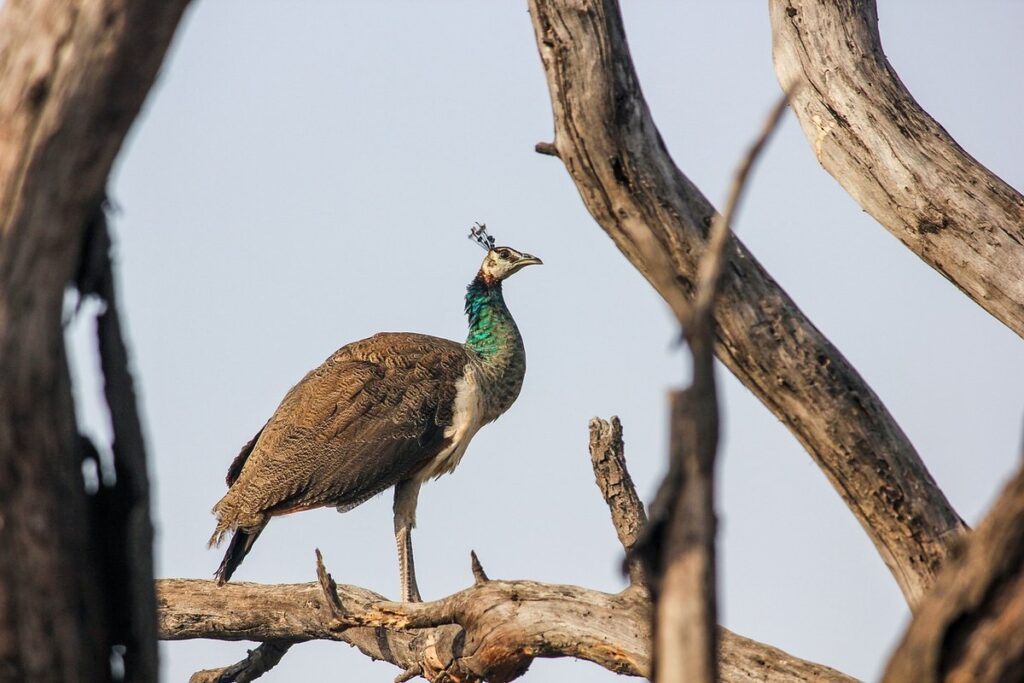
Choosing the Perfect Nest Site
When selecting a nest site for your peahen, consider factors such as location, shelter, and proximity to water sources to ensure her safety and well-being. The right spot can greatly impact her nesting success.
Identifying Safe and Private Locations
When it comes to choosing the perfect nest site for your peahen, selecting a secluded area is crucial. Not only will it help her feel safe and secure, but it’ll also protect her from predators that might be lurking nearby.
Look for areas with proximity to water sources – a small pond or stream can provide your peahen with a vital source of hydration and cooling relief during the hot summer months. However, avoid nesting sites too close to open water where predators like foxes, coyotes, and hawks often congregate.
Protection from predators is also a top priority. Opt for areas with dense underbrush or thick vegetation that can provide cover and conceal your peahen’s nest. Avoid open fields or areas with low vegetation, as these are more susceptible to predation.
Visual concealment is equally important – aim for areas where the surrounding landscape will camouflage the entrance to the nest, making it harder for predators to spot. For example, a thicket of shrubs or a small grove of trees can provide ample cover for your peahen’s nesting site.
Assessing Terrain and Accessibility
When evaluating potential nest sites for your peahens, assessing the terrain and accessibility is crucial to ensure their safety and well-being. Start by examining the soil quality – a stable and well-draining surface is essential to prevent mud or water accumulation that can be detrimental to the eggs.
Consider the slope stability of the area as well; avoid locations with steep inclines or loose rocks that could pose a risk during nesting or brooding. Ease of approach is also vital, making sure the nest site is accessible without creating undue disturbance to the peahen or potentially exposing her to predators.
Take note of any low-lying areas or depressions where water may collect, as these can be breeding grounds for mosquitoes and other pests that might harm your birds. A gentle slope with a solid foundation will provide your peahens with the security they need to successfully raise their chicks. Always observe the site before preparing it for nesting to ensure it meets these criteria and is suitable for your birds’ needs.
Preparing the Nesting Site
Before you can start introducing your peahen to her nesting site, it’s essential to prepare a safe and comfortable area for her to lay her eggs. This section guides you through that critical process.
Clearing the Area and Removing Debris
When clearing the area and removing debris from the chosen nesting site, it’s essential to be thorough yet gentle. Start by surveying the space around the designated nest box or shelter. Look for any twigs, leaves, or other materials that could potentially harm the peahen or make her feel vulnerable.
Check for any overhanging branches or loose wires that could pose a threat to her safety. Gently remove any obstacles, taking care not to disturb the surrounding foliage too much. Consider using a soft-bristled brush to gently sweep away any debris, rather than raking or tilling the area.
Pay particular attention to the immediate vicinity of the nest box itself. Clear any debris or clutter within a 3-4 foot radius around the entrance. This will help create a sense of security and reduce stress on the peahen as she begins her nesting cycle. Remember, the goal is to provide a safe and welcoming space for your peahen – take your time and do it right!
Creating a Suitable Nesting Platform
When it comes to creating a suitable nesting platform for your peahen, you have several options to consider. One of the simplest methods is to use natural features like tree cavities or rock outcroppings. These provide a pre-existing shelter that your peahen can easily move into and claim as her own. If you don’t have any native trees with hollows on your property, you can also create artificial structures like nest boxes.
When building a nest box, consider using untreated wood, such as cedar or pine, to ensure the health and safety of your peahen. The entrance hole should be about 6-8 inches off the ground and face east or south to provide warmth during the spring months. You can also add some nesting material like straw or grass inside the box to make it more inviting.
It’s essential to place the nest box in a quiet, sheltered spot, protected from strong winds and predators. A location near a water source is ideal, but ensure that it’s not too close to your house, as peahens can be noisy during nesting season.
Peahen Nesting Behavior and Expectations
When it comes time for your peahen to nest, you’ll want to be prepared for her unique habits and needs. This section will cover what to expect from a nesting peahen.
Understanding Nesting Habits and Patterns
When it comes to understanding the nesting habits and patterns of peafowl, it’s essential to know what to expect. Female peafowl, also known as peahens, typically lay between 3-5 eggs per clutch, with an average incubation period of around 28 days. This means that you can expect to wait roughly a month for the eggs to hatch.
During this time, it’s crucial to provide a safe and comfortable environment for your peahen. Ensure her nesting box is clean, dry, and free from any predators or distractions. You’ll also want to monitor the temperature in the coop, aiming for a range of 99-100°F (37-38°C) during the first few weeks of incubation.
As a responsible peafowl owner, you’ll also need to take on some parental care responsibilities. This includes feeding and providing water for both mom and chicks once they hatch. A good rule of thumb is to provide a starter diet of commercial chick feed or pellets until the chicks are around 4-6 weeks old.
Remember, every peahen is different, so be prepared to adjust your care routine as needed. With patience, attention to detail, and proper care, you’ll be well on your way to raising healthy, happy chicks.
Recognizing Signs of Fertility and Egg-Laying
When it comes to recognizing signs of fertility in peahens, there are several indicators you can look out for. One of the most obvious signs is a change in plumage coloration. As peahens approach breeding age, their feathers may darken or become more vibrant, signaling that they’re ready to mate.
You might also notice courtship displays, where the peahen will strut around her enclosure, spreading her tail feathers and making soft clucking noises. This is a clear sign that she’s receptive to mating and is seeking a suitable partner.
In addition to visual cues, you can also monitor your peahen’s behavior for changes in appetite or energy levels. Fertile peahens tend to be more active and vocal than those who are not breeding-age.
Once a peahen has mated successfully, she’ll typically go into egg-laying mode within 24-48 hours. You can expect her to produce an egg every 26-30 hours over the next several weeks. Keep in mind that peahens will usually lay their eggs at dawn or dusk when they’re most active.
It’s essential to provide a safe and comfortable nesting area for your peahen during this time, complete with soft bedding materials and adequate space to roam.
Health Considerations for Peahen Nesting
When it comes to peahen nesting care, there are several health considerations you should be aware of to ensure a safe and healthy environment for your birds. Let’s explore some key factors to consider.
Common Health Issues and Concerns
When it comes to peahen nesting care, one of the most critical aspects to consider is the health and well-being of these birds. Unfortunately, common health issues can arise during this time, including parasites, diseases, and injuries.
One of the most prevalent health concerns for peahens during nesting is mites and lice infestations. These external parasites can cause discomfort, stress, and even lead to infections if left untreated. To prevent this, it’s essential to regularly inspect your birds for signs of mites or lice, such as excessive scratching or feather loss.
Internal parasites like worms and protozoa can also affect peahens during nesting. Symptoms may include diarrhea, weight loss, and lethargy. To prevent internal parasite infestations, provide a balanced diet rich in fruits, vegetables, and whole grains. Regular deworming programs should also be implemented to keep your flock healthy.
Injuries can occur due to rough handling or accidents while nesting. Monitor your birds closely for any signs of injury, such as swelling, bleeding, or difficulty walking. If you notice any of these symptoms, consult a veterinarian immediately. Preventative measures like providing a safe and secure nesting environment can help minimize the risk of injuries.
In addition to parasites and injuries, peahens may also be susceptible to diseases like respiratory infections and eye problems. Maintain good hygiene practices, such as cleaning food and water dishes regularly, to reduce the risk of disease transmission.
When it comes to treating health issues in peahens during nesting, always consult a veterinarian for professional advice. They can help determine the cause of the problem and provide guidance on treatment options. Some common treatments may include antibiotics, antiparasitic medications, or even surgery in severe cases.
In some cases, health issues may be related to the environment rather than the birds themselves. Factors such as inadequate ventilation, poor sanitation, or extreme temperatures can contribute to a range of health problems. Make sure your coop is well-ventilated and provide enough space for your birds to move around comfortably.
It’s also essential to keep an eye out for any signs of stress in your peahens during nesting. Stress can lead to a weakened immune system, making them more susceptible to disease. Monitor their behavior and make adjustments as needed to ensure they feel comfortable and secure.
In conclusion, health issues can arise at any time during the nesting process. However, by being aware of potential concerns and taking preventative measures, you can minimize the risk of common health issues in your peahen flock. Regular inspections, a balanced diet, regular deworming programs, and good hygiene practices are all crucial for maintaining healthy birds.
Nutritional Needs During Incubation and Brooding
When it comes to peahen nesting care, providing the right nutrition during incubation and brooding periods is crucial for a successful hatch. A mother bird’s nutritional needs change significantly during this time, and failing to meet them can lead to health issues and reduced fertility.
For the first 7-10 days of incubation, a peahen’s diet should consist mainly of high-protein foods like mealworms, crickets, and commercial game bird pellets. A good rule of thumb is to provide about 20% protein in her diet during this time. For example, if she requires 1 cup of feed per day, 1/4 cup should be a high-protein supplement.
As the eggs approach hatching (around day 21-23), it’s essential to shift towards more calorie-dense foods like sunflower seeds and suet to support the chick’s rapid growth. Meanwhile, chicks will begin pecking at food as soon as they emerge from their shells, so be sure to provide a shallow dish of starter feed within reach.
Keep in mind that overfeeding can lead to obesity and other health problems, while underfeeding may impede growth. Monitor your bird’s weight closely and adjust her diet accordingly to ensure optimal nutrition during this critical period.
Successful Peahen Nesting: Tips and Best Practices
When it comes to helping your peahen build a safe and successful nest, knowing the right tips and best practices is crucial for her health and happiness. This section shares expert advice on how to create an ideal nesting environment.
Managing Human Interaction and Stress Reduction
When it comes to peahen nesting, managing human interaction and reducing stress is crucial for a successful outcome. You’ll want to minimize disturbance during this critical period to prevent stressing the female out of laying eggs.
Create a peaceful environment by ensuring the nesting enclosure is quiet and secure. This can be achieved by placing it in a secluded area away from high-traffic zones or noisy areas like near water sources or feeding stations. Consider adding visual barriers, such as branches or plants, to block line-of-sight to the enclosure.
Establish a routine for observing your peahen during nesting, keeping interactions brief and calm. Avoid sudden movements or loud noises that can startle her. Instead, approach slowly and quietly when monitoring the nest. It’s also essential to give your peahen some alone time each day, allowing her to relax without disturbance.
To further reduce stress, maintain a clean and hygienic environment, removing any droppings or debris promptly to prevent disease and discomfort for your bird. By implementing these strategies, you can help create an ideal setting for your peahen to thrive during this sensitive period.
Promoting Healthy Flock Dynamics and Coexistence
When it comes to successful peahen nesting, promoting healthy flock dynamics and coexistence is just as important as providing a safe and suitable environment for them to lay their eggs. A harmonious relationship between humans and peafowl can significantly impact the overall well-being of both parties.
By creating a peaceful and respectful atmosphere, you can reduce conflict and stress within your flock. This can be achieved by establishing clear boundaries and communication channels with your birds. For instance, provide designated areas for nesting and roosting to minimize competition and territorial disputes.
It’s also essential to handle the peahen during breeding season with care and caution. Avoid sudden movements or loud noises that might startle them, as this can lead to increased stress levels. By taking these simple steps, you’ll not only promote a healthier flock dynamic but also foster a stronger bond between humans and peafowl.
In fact, research has shown that harmonious relationships between humans and animals can have numerous benefits, including reduced aggression, improved mental health, and enhanced overall well-being.
Frequently Asked Questions
Can I use a pre-existing nesting platform or do I need to build one from scratch?
While you can repurpose an existing structure, consider the size and material compatibility for your peahens’ needs. A dedicated nesting platform with adequate ventilation and drainage is essential for their health and comfort. Ensure the dimensions allow for easy entry and exit, and use durable materials that won’t collapse or deteriorate under weather conditions.
What if I have multiple peahens competing for the same nesting site – how can I promote peaceful coexistence?
To avoid conflicts, provide at least two separate nesting sites with adequate space between them. This will help reduce competition and territorial behavior. Also, consider separating your flock by introducing new birds gradually to minimize stress and establishing a hierarchical structure.
Can I nest multiple peahens in the same enclosure or should they have individual spaces?
While it’s possible to house multiple peahens together, it’s crucial to provide sufficient space (about 10-15 square feet per bird) to prevent overcrowding and reduce stress. Ensure adequate nesting sites are available for each peahen, along with separate areas for feeding, drinking, and resting.
How can I identify if a peahen is experiencing health issues related to her nesting environment?
Monitor your birds’ behavior, watching for signs of distress, such as excessive feather plucking, lethargy, or changes in appetite. Regularly inspect their living conditions, checking for potential hazards like sharp objects, toxic substances, and inadequate ventilation.
Are there any specific considerations when introducing new peahens to a flock with an existing nesting setup?
When integrating new birds, gradually introduce them to the existing flock to minimize stress. Ensure they have access to a familiar environment and provide multiple nesting sites in case of competition or territorial disputes.