
If you’re looking to add some excitement to your farm or backyard, consider raising Pekin ducks. Not only are these birds entertaining and affectionate, but they also produce an abundance of nutritious eggs that can be used in a variety of recipes. As an alternative to traditional chicken eggs, Pekin duck eggs offer a unique flavor profile and versatility in cooking. But what makes them so special? In this article, we’ll delve into the nutritional value of Pekin duck eggs, exploring their high protein content, rich iron levels, and other health benefits. We’ll also cover some expert advice on raising and caring for these productive birds, including tips on feeding, housing, and egg production. By the end of it, you’ll be well-equipped to decide whether Pekin ducks are right for you.
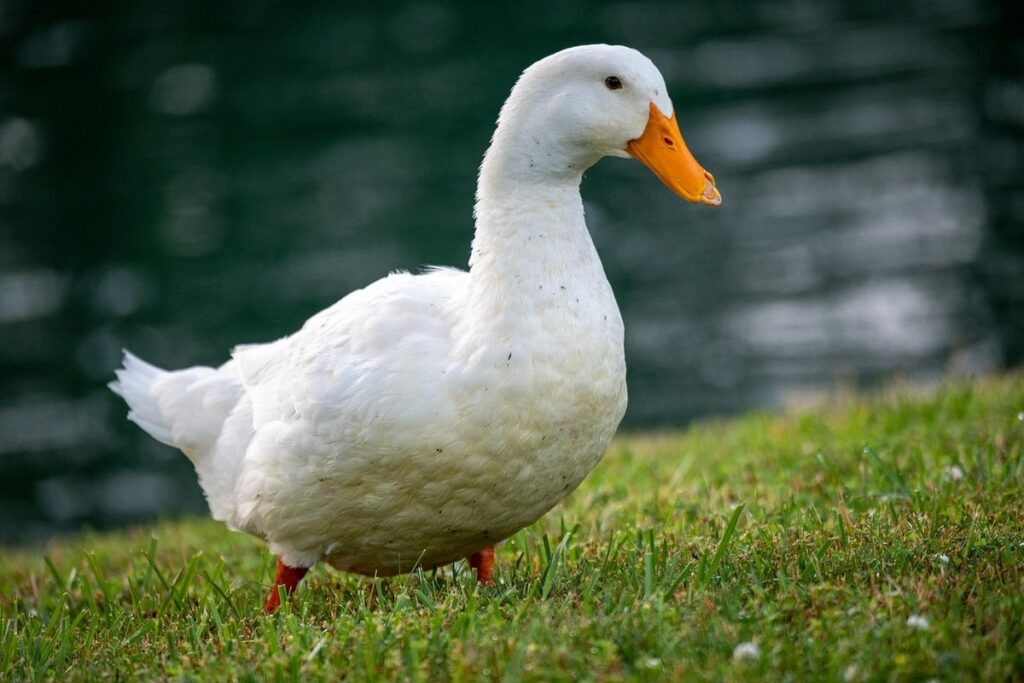
Characteristics and Benefits
Pekin duck eggs are prized for their unique characteristics, which bring a range of benefits that make them a valuable addition to any kitchen. Let’s explore what makes these eggs so special.
Nutritional Value of Pekin Duck Eggs
Pekin duck eggs are a nutritional powerhouse, providing an excellent source of protein, essential vitamins, and minerals. With a high protein content, these eggs are perfect for fitness enthusiasts and individuals looking to boost their muscle mass. According to the United States Department of Agriculture (USDA), one large Pekin duck egg contains about 9 grams of protein.
One of the significant advantages of Pekin duck eggs is their low cholesterol levels. In comparison to chicken eggs, Pekin duck eggs have lower cholesterol content, making them an excellent choice for individuals with high cholesterol or heart health concerns. A study published in the Journal of Food Science found that Pekin duck eggs contain 1.6 grams of cholesterol per large egg, which is significantly lower than chicken eggs.
Pekin duck eggs are also rich in essential vitamins and minerals, including vitamin D, B12, and iron. These nutrients play a crucial role in maintaining healthy bones, red blood cells, and nerve function. To incorporate Pekin duck eggs into your diet, try substituting them for chicken eggs in omelets, scrambled eggs, or baked goods. With their unique nutritional profile, it’s no wonder why Pekin duck eggs are gaining popularity among health-conscious consumers.
Unique Features of Pekin Ducks
Pekin ducks are renowned for their exceptional egg-laying abilities, but what sets them apart from other breeds? It’s not just their impressive productivity that makes them an ideal choice for backyard farmers and small-scale producers. One of the unique features of Pekin ducks is their rapid growth rate. They can reach maturity in as little as 12-14 weeks, allowing you to start harvesting eggs sooner rather than later.
Their friendly nature is another significant advantage. Pekin ducks are known to be docile, making them a great choice for families with children or those who want to integrate them into their existing flock. This temperament also means they’re relatively easy to handle and care for, which can be a significant time-saver for busy farmers.
Another benefit of keeping Pekin ducks is their adaptability to different environments. They thrive in both cold and warm climates, making them an excellent choice for farms with varied weather conditions. Additionally, their robust constitution allows them to withstand minor health issues, reducing the need for extensive veterinary care. Overall, the unique combination of Pekin duck’s fast growth rate, friendly nature, and adaptability makes them a top pick for anyone looking to start or expand their egg-laying operation.
Versatility in Cooking
When it comes to cooking with Pekin duck eggs, one of their most impressive characteristics is their versatility. Whether you’re a seasoned chef or an amateur cook, these eggs can be prepared and cooked in a variety of ways to suit different tastes and preferences.
For a quick and easy breakfast option, try boiling your Pekin duck eggs for 6-7 minutes, then peel and slice them thinly. Alternatively, fry them in a skillet with some oil until the whites are set and the yolks are cooked to your desired level of doneness. Poaching is another great way to prepare Pekin duck eggs – simply crack an egg into simmering water and cook for 3-4 minutes.
You can also bake Pekin duck eggs in a preheated oven at 375°F (190°C) for 12-15 minutes, or until the whites are set and the yolks are cooked through. Whichever method you choose, be sure to season your eggs with salt and pepper before cooking for added flavor.
When baking, try adding some chopped herbs like chives or thyme to give your Pekin duck eggs a burst of fresh flavor. Experiment with different seasoning combinations and cooking methods to find your favorite way to enjoy these delicious eggs.
Raising and Caring for Pekin Ducks
When it comes to raising and caring for your pekin ducks, there are a few essential things to keep in mind to ensure they thrive. Let’s dive into some expert tips on creating a happy and healthy environment for your feathered friends.
Housing and Equipment Requirements
When it comes to raising Pekin ducks for egg-laying, providing a safe and comfortable environment is crucial. The coop design should be spacious enough to accommodate the ducks comfortably, with adequate ventilation to prevent ammonia buildup from their droppings. A minimum of 4-5 square feet per duck inside the coop is recommended.
In terms of nesting boxes, one box per 3-4 hens is a good rule of thumb. The boxes should be at least 12 inches wide and 18 inches deep, with a sloping roof to facilitate egg laying. A layer of soft bedding material like straw or wood shavings will make the experience more comfortable for your ducks.
A feeding system that allows for easy access to food and water is also essential. Consider installing a trough feeder and a waterer that can be easily cleaned and refilled. Make sure to place the feeder and waterer in a location where the ducks won’t kick or splash debris into them.
In addition to these basic requirements, consider adding some enrichment features like perches, scratching posts, and toys to keep your Pekin ducks happy and healthy.
Feeding and Nutrition
Pekin ducks are omnivores and require a balanced diet that includes both plant-based and protein-rich foods. A good quality commercial duck feed should be the main staple of their diet, supplemented with fresh fruits and vegetables daily. It’s essential to provide a constant supply of clean water for drinking and splashing.
A common mistake many pekin duck owners make is overfeeding, which can lead to obesity and related health issues. Stick to the recommended feeding schedule: 1/4 to 1/2 pound of feed per bird per day, depending on their age and activity level. For example, a mature adult pekin duck needs about 1/2 pound of feed daily.
A well-balanced diet will help support egg production and overall health in your flock. Consider adding small amounts of grains like oats or barley to the commercial feed for variety. Fresh greens such as kale, spinach, and lettuce can also be given as treats.
Health Considerations
When it comes to raising and caring for Pekin ducks, one of the most crucial aspects is their health. Unfortunately, these lovely birds can be prone to several common health issues that may affect their egg-laying abilities. Respiratory problems are a significant concern, especially during cold weather or when they’re exposed to drafts. Make sure to provide your ducks with a warm and draft-free shelter to minimize this risk.
Another issue you might encounter is parasites like mites and lice. Regular cleaning of the coop and run, as well as monitoring your birds’ behavior for signs of infestation, can help prevent these problems. As for diseases, fungal infections and bacterial illnesses are relatively common in Pekin ducks. Vaccination and maintaining good hygiene practices, such as disinfecting feeders and waterers regularly, can significantly reduce the risk.
To keep your Pekin ducks healthy and thriving, prioritize a balanced diet rich in nutrients, ensure access to clean drinking water at all times, and provide regular veterinary check-ups. By taking these precautions, you’ll not only be contributing to their overall health but also supporting their egg-laying capabilities, ultimately resulting in the production of high-quality eggs.
Breeding and Genetics
Let’s dive into the fascinating world of Pekin duck genetics, where we’ll explore how breeding affects egg size, quality, and consistency. You’ll discover what makes a top-notch Pekin duck breeder tick.
Understanding Pekin Duck Genetics
Pekin ducks have been selectively bred for centuries to excel in egg production, making them one of the most popular breeds among duck enthusiasts and commercial farmers alike. Their genetic makeup is a result of careful breeding strategies that have emphasized desirable traits such as high egg-laying capacity, early maturity, and good feather quality.
The Pekin breed originated from a cross between European ducks and Chinese Muscovy ducks in the 19th century. Since then, they have undergone significant selective breeding to prioritize egg production. Today’s Pekin ducks are the result of rigorous genetic selection processes that aim to identify and amplify genes responsible for high fertility rates, efficient nutrient utilization, and strong reproductive traits.
To breed Pekin ducks with exceptional egg-laying abilities, farmers focus on selecting individuals with proven track records of prolificacy and good egg quality. This is typically achieved through a combination of linebreeding and inbreeding techniques that help to concentrate desirable genes within the flock. By adopting these breeding strategies, duck enthusiasts can expect to see significant improvements in their Pekin ducks’ reproductive performance over time.
Selecting Suitable Males and Females
When selecting healthy, fertile male and female Pekin ducks for breeding purposes, it’s essential to evaluate individual birds carefully. A balanced ratio of males to females is crucial for successful breeding programs. Generally, a good starting point is 1:2 or 1:3 (one male for every two or three females). However, this can vary depending on your specific flock dynamics and goals.
When evaluating potential parents, look for birds with a sturdy build, clean feathers, and bright eyes. Ensure they are free from any signs of illness or injury. A healthy Pekin duck’s weight should range between 4-6 kg (8.8-13.2 lbs), with males weighing slightly more than females.
It’s also vital to assess the birds’ temperament. Pekin ducks should be friendly and docile, making them an excellent choice for backyard breeders and small-scale farmers. Avoid selecting birds that are aggressive or fearful, as these traits can be passed on to their offspring.
Processing and Marketing
Now that you know how amazing Pekin duck eggs are, let’s dive into the practical side of things: processing and marketing these eggs to get them from farm to table. We’ll cover key considerations for both steps.
Cleaning and Packaging
When it comes time to put Pekin duck eggs on store shelves or into customer’s hands, proper cleaning and packaging are crucial steps that can’t be overlooked. The first step in the process is washing the eggs. This should be done gently with cold water to remove any dirt or debris that may have accumulated during transportation or storage.
Egg grading follows next, where eggs are sorted based on their quality and appearance. Large eggs will be separated from smaller ones, and any cracked or damaged eggs will be removed from the batch altogether. This step ensures that only high-quality eggs make it to market.
Packing techniques also play a significant role in maintaining egg freshness. Eggs should always be packed with their pointed end facing down to prevent moisture from entering through the air pocket at the large end. Cartons or boxes should be designed to allow for airflow to keep eggs cool and dry during transportation. When shipping, it’s essential to handle eggs carefully to avoid chipping or cracking.
Proper packaging can significantly extend shelf life, so make sure you’re using sturdy materials that will protect your Pekin duck eggs in transit.
Market Trends and Opportunities
As the demand for specialty eggs continues to rise, market trends and opportunities for selling Pekin duck eggs are becoming increasingly attractive. One key trend is the growing interest in farm-to-table products among health-conscious consumers, who are willing to pay a premium for high-quality, nutrient-rich eggs.
In terms of competition, Pekin duck eggs are still a relatively niche product, giving entrepreneurs a chance to establish themselves as industry leaders. However, this also means that pricing strategies must be carefully considered to remain competitive. On average, duck eggs can command a 20-30% premium over chicken eggs due to their higher nutritional content and richer flavor.
To capitalize on these market trends, consider focusing on local farmers’ markets or online platforms catering to health-conscious consumers. Develop relationships with high-end restaurants and specialty food stores to secure wholesale orders. By positioning your Pekin duck eggs as a premium product, you can tap into the growing demand for artisanal and sustainable foods.
Frequently Asked Questions
Can I raise Pekin ducks on a small farm or backyard, even with limited space?
Yes, Pekin ducks are surprisingly adaptable to smaller spaces, making them an excellent choice for urban farmers or those with limited land. They require minimal housing and can thrive in compact enclosures, providing they have adequate access to water and nutritious food.
How do I ensure my Pekin duck eggs are free of contaminants like salmonella?
Regularly cleaning and disinfecting the coop and equipment is crucial. Ensure all feeders and watering systems are scrubbed regularly with a mild detergent solution. Keeping a clean environment, proper ventilation, and washing your hands before handling eggs will also help minimize contamination risks.
What’s the ideal temperature for Pekin duck housing, and how do I regulate it?
Pekin ducks prefer temperatures between 40°F to 80°F (4°C to 27°C). You can regulate their living environment by providing adequate ventilation, using insulation in colder climates, and offering shade in warmer climates. Avoid extreme temperature fluctuations, which may stress the birds.
Can I mix Pekin duck eggs with chicken eggs for consumption?
While it’s technically possible, mixing Pekin duck eggs with chicken eggs might affect the flavor profile and nutritional content of your final product. Consider the unique characteristics of each egg type and market them separately to cater to customers seeking specific taste experiences or dietary requirements.
How do I store and handle Pekin duck eggs safely for consumption?
Store eggs in a cool, dry place, away from direct sunlight. Keep the carton or container tightly sealed to maintain humidity levels. Handle eggs gently to avoid cracking; wash your hands before and after handling them. Refrigerate eggs at 40°F (4°C) or below to prolong shelf life.