
If you’re a commercial farmer looking to boost your Pekin duck business, understanding their growth rates is crucial. A faster-growing breed like Pekin ducks require precise management to ensure optimal performance and profitability. But have you ever wondered what factors contribute to their remarkable growth? From the environmental conditions in which they thrive to their nutritional requirements and effective breeding techniques, there are many elements at play.
In this article, we’ll delve into the essential factors affecting Pekin duck growth rates, providing actionable insights for optimizing your commercial farm’s performance. By fine-tuning your management strategies based on our expert analysis, you can maximize profits and stay ahead of the competition. Whether you’re a seasoned farmer or just starting out, this comprehensive guide will equip you with the knowledge needed to succeed in the competitive world of Pekin duck farming.
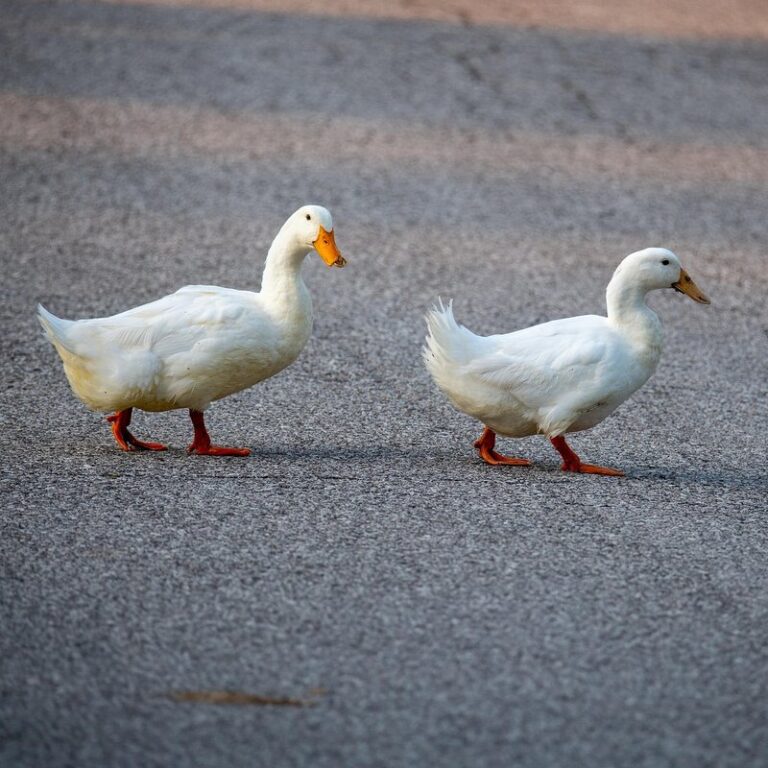
Introduction to Pekin Ducks
Let’s start by learning more about these beloved birds, one of the most popular duck breeds kept for eggs and meat. They’re known for their friendly temperament and fast growth rate.
Origin and History of Pekin Ducks
Pekin ducks originated from China over 1,000 years ago and were highly prized for their meat, eggs, and down feathers. In fact, they were considered a delicacy during the Song Dynasty (960-1279 AD) and were often served at special occasions. The breed was first introduced to Europe in the late 19th century, where it quickly gained popularity due to its high growth rate and excellent meat quality.
Initially, Pekin ducks were known as “Long Island” ducks in the United States, but their true origins remained a mystery until the 1970s when DNA testing revealed that they were indeed from China. The breed has since become one of the most widely kept domestic duck breeds worldwide, renowned for its friendly temperament and impressive growth rate.
Interestingly, Pekin ducks have undergone significant changes over the centuries to adapt to different climates and farming conditions. In modern times, selective breeding has further accelerated their growth rate, making them an ideal choice for commercial poultry farmers looking to maximize profits while meeting market demands.
Importance of Pekin Ducks in Agriculture
When it comes to commercial duck farming, Pekin ducks are often the preferred choice due to their impressive growth rate, excellent meat quality, and moderate egg production. One of the primary reasons for their popularity is their ability to mature quickly, reaching market weight in just 7-8 weeks. This rapid growth rate makes them an attractive option for farmers looking to maximize profits.
In addition to their fast growth rate, Pekin ducks are known for producing high-quality meat that is tender and flavorful. Their meat has a lower fat content compared to other duck breeds, making it a popular choice for consumers seeking a leaner protein source. Furthermore, Pekin ducks have a moderate egg-laying capacity, producing around 100-120 eggs per year. While this may not be as high as some other breeds, their overall performance and adaptability make them an excellent choice for commercial farms.
To get the most out of your Pekin duck flock, it’s essential to provide optimal living conditions, nutrition, and healthcare. By doing so, you can ensure that they reach their full growth potential and produce high-quality products. With proper management, a single Pekin duck can generate significant revenue for your farm, making them an excellent investment for any commercial farmer.
Environmental Factors Affecting Growth Rate
When it comes to raising Pekin ducks, understanding how environmental factors impact their growth rate is crucial for optimizing feeding and care strategies. Let’s dive into the key environmental factors that affect their development.
Temperature and Humidity Requirements
When it comes to maintaining an optimal growth rate for your Pekin ducks, temperature and humidity play crucial roles. The ideal temperature range for ducklings is between 90°F to 95°F (32°C to 35°C) during the first few weeks of life. As they grow, the temperature can be gradually increased to around 100°F (38°C). However, it’s essential to avoid temperatures above 105°F (40°C), as this can lead to heat stress.
Heat stress can significantly impact a duckling’s growth rate, making them more susceptible to diseases and reducing their overall health. To prevent heat stress, make sure the brooder is well-ventilated and maintain a humidity level of around 50% to 60%. Monitor the temperature closely, especially during peak summer months, to ensure it doesn’t exceed the recommended levels.
When providing adequate ventilation, consider installing fans or opening windows to allow for air circulation. You can also increase the water intake to help regulate their body temperature. Keep in mind that these measures should be implemented gradually, allowing your ducks to acclimate to the new conditions.
Space and Housing Requirements
Adequate space and housing are essential factors that can significantly impact Pekin duck growth rate. Providing sufficient room for your ducks to move around is crucial, as they need to engage in physical activity to maintain their overall health and well-being.
For optimal growth, it’s recommended to provide at least 2-4 square feet of floor space per duck indoors. Outdoor access, however, can greatly benefit Pekin ducks, allowing them to forage and exercise naturally. When introducing your ducks to the outdoors, make sure they’re fully supervised to prevent escape attempts or predator encounters.
Enrichment activities also play a vital role in promoting healthy growth rates. Adding toys, such as paddling pools or sandboxes, can stimulate mental and physical activity. You can also provide scratching posts to help maintain their beaks and feet. By incorporating these elements into your duck’s living environment, you’ll not only enhance their quality of life but also support a balanced growth rate.
Nutritional Factors Influencing Growth Rate
As you’ve learned that genetics play a significant role in determining Pekin duck growth rate, let’s explore another crucial factor: nutritional influences. A well-balanced diet is essential for optimal growth and development.
Protein and Energy Requirements
A balanced diet is crucial for optimal growth and development in Pekin ducks. As these birds grow rapidly, they require a significant amount of protein and energy to support their increasing body weight and muscle mass.
Pekin ducks need a minimum of 16% crude protein in their diet to support optimal growth, with some experts recommending as high as 18-20%. This is because protein is essential for building and repairing tissues, including muscles, bones, and feathers. Without sufficient protein, Pekin ducks may experience stunted growth, weakened immune systems, and a lower feed conversion ratio.
In terms of energy, Pekin ducks require around 2,500-3,000 kcal/kg of feed to maintain optimal growth. This can be achieved through the inclusion of high-energy ingredients such as corn, soybean meal, and fat supplements. For example, you can achieve this by using a commercial duck starter feed that contains around 1,800 kcal/kg and supplementing it with additional energy sources like whole grains or oilseed meals.
It’s also essential to ensure that Pekin ducks have access to clean water at all times, as even mild dehydration can significantly impact their growth rate. By providing the right amount of protein and energy, you’ll be well on your way to achieving optimal growth rates in your Pekin duck flock.
Micronutrients and Vitamins for Health
When it comes to maintaining healthy growth rates in Pekin ducks, micronutrients play a vital role. Vitamins A, D, E, and K are essential for supporting overall health and well-being in these birds.
Vitamin A is crucial for the development of healthy bones, skin, and mucous membranes. It also supports immune function, helping to protect against diseases that can impact growth rates. For example, a study found that vitamin A supplementation improved growth rates and reduced mortality in Pekin ducklings by 25%. To ensure your ducks are getting enough vitamin A, consider adding dark leafy greens like kale or spinach to their diet.
Vitamin D is also essential for bone health, as it helps regulate calcium levels. This is particularly important during rapid growth periods when bones need to form quickly. Vitamin E has antioxidant properties that help protect against cell damage and support immune function. Meanwhile, vitamin K is necessary for blood clotting and maintaining healthy skin.
To ensure your Pekin ducks are getting the micronutrients they need, consider providing a balanced diet that includes a variety of fruits, vegetables, and grains. You can also supplement their feed with vitamins A, D, E, and K to fill any nutritional gaps. By doing so, you’ll be supporting healthy growth rates and setting your ducks up for success.
Breeding and Genetics
When it comes to optimizing Pekin duck growth rates, understanding breeding and genetics is crucial for making informed decisions on selecting healthy birds that will thrive under your care. Let’s explore this important aspect of raising Pekins.
Selective Breeding Programs
Selective breeding programs have played a pivotal role in enhancing the growth rate of Pekin ducks. These programs involve selecting and breeding ducks with desirable traits to pass them on to their offspring. The primary goal is to identify individuals that exhibit exceptional growth rates, feed efficiency, and other attributes essential for commercial production.
Modern breeding techniques and technologies have revolutionized selective breeding programs. Advanced genetic evaluation tools allow breeders to accurately assess the genetic potential of individual birds. This enables them to make informed decisions when selecting parents for their breeding flocks.
For instance, a breeder may use data on growth rate, feed conversion ratio (FCR), or other performance indicators to identify top-performing birds. They can then apply genomics and epigenetics to further refine their selection criteria.
Practical advice for breeders includes working closely with experienced industry professionals and staying up-to-date on the latest research findings. Regular monitoring of breeding stock, coupled with continued genetic evaluation, is also crucial to maintaining progress in Pekin duck growth rate improvement.
Genetic Factors Influencing Growth Rate
When it comes to understanding Pekin duck growth rates, genetic factors play a significant role. One of the key concepts to grasp is heterosis, also known as hybrid vigor. This phenomenon occurs when two distinct breeds are crossed, resulting in offspring that exhibit improved growth and development characteristics compared to their parent lines. For example, crossing a Pekin duck with a Muscovy duck can produce a hybrid that grows faster and more efficiently.
Genetic diversity is another crucial factor influencing Pekin duck growth rates. When breeders introduce new genetic material into their flock, they can tap into the benefits of heterosis while also reducing the risk of inbreeding depression. In fact, research has shown that hybrid vigor can increase growth rates by up to 15% in some cases.
To harness the power of genetic diversity and hybrid vigor, breeders should focus on maintaining a diverse gene pool within their flock. This can be achieved through strategic breeding programs that incorporate new breeds or bloodlines into the rotation. By doing so, farmers can optimize their Pekin duck growth rates while also improving overall fertility and egg-laying abilities.
Health and Disease Management
As you learn how to manage a Pekin duck flock, it’s essential to understand how to identify potential health issues that can impact growth rates, such as respiratory problems. We’ll cover key diseases and management strategies to help you keep your ducks healthy.
Common Diseases Affecting Pekin Ducks
As you work to optimize the growth rate of your Pekin ducks, it’s essential to be aware of the common diseases that can impact their health and productivity. Pekin ducks are prone to various conditions that can compromise their well-being and even lead to significant losses if left unmanaged.
One prevalent disease affecting Pekin ducks is Avian Influenza (AI). This highly contagious condition can spread quickly through contact with infected birds, contaminated feed or water, and even human handling. Symptoms include a drop in egg production, lethargy, and labored breathing. To minimize losses from AI, maintain strict biosecurity protocols, including regular cleaning and disinfection of the coop and run.
Another significant disease affecting Pekin ducks is Respiratory Syncytial Virus (RSV). This viral infection can cause inflammation of the air sacs, leading to coughing, sneezing, and labored breathing. To manage RSV, maintain a clean environment, provide adequate ventilation, and ensure proper nutrition. Regular vaccination programs can also help prevent outbreaks.
Maintaining optimal health in your Pekin flock requires vigilance and proactive management strategies. Monitor your birds regularly for signs of disease, and consult with a veterinarian if you suspect any issues. With the right approach to health and disease management, you can minimize losses and optimize the growth rate of your Pekin ducks.
Vaccination Programs for Optimal Growth
Vaccination programs play a crucial role in preventing disease outbreaks and ensuring optimal growth rates in commercial Pekin duck farms. Disease prevention is essential for maintaining the health and productivity of your flock. A single disease outbreak can lead to significant losses, impacting not only the growth rate but also the overall profitability of your farm.
To prevent disease outbreaks, it’s essential to implement a comprehensive vaccination program that includes vaccinations against common diseases such as duck plague, avian influenza, and Newcastle disease. Vaccination schedules should be tailored to the specific needs of your flock, taking into account factors like age, breed, and environment.
For instance, Pekin ducks are typically vaccinated at 1-2 days old with a combination vaccine that protects against multiple diseases. Booster shots may be required at 14-21 days old to maintain immunity levels. Regular monitoring of vaccination records and health checks can help identify potential issues before they become major problems. By prioritizing disease prevention through vaccination, you can ensure optimal growth rates and a healthy flock.
Conclusion
In conclusion, understanding Pekin duck growth rate is essential for any backyard breeder or farmer looking to raise these popular waterfowl. By knowing how quickly your ducks will grow and mature, you can plan for their care and ensure they receive the best possible nutrition from an early age. This knowledge will also help you determine when to expect them to start laying eggs, which is a critical factor in their overall productivity and profitability. To recap, Pekin ducks typically take around 8-10 weeks to reach full maturity, but this can vary depending on factors such as diet, genetics, and living conditions. With careful planning and attention to detail, you can help your Pekin ducks thrive and meet their growth potential.
Frequently Asked Questions
Can I apply the same growth rate management strategies to other duck breeds?
Yes, while Pekin ducks are known for their fast growth rate, some principles can be applied to other breeds as well. However, it’s crucial to understand that each breed has unique characteristics and requirements. For instance, Muscovy ducks grow slower but require more space due to their larger size.
What are the most common mistakes farmers make when managing Pekin duck growth rates?
One of the most common errors is not providing adequate space for the birds to move around freely. This can lead to stress, which negatively affects growth rates and overall health. Additionally, failing to monitor and adjust nutritional intake based on the ducks’ age and stage of development can also hinder optimal growth.
How do I determine the ideal protein-to-energy ratio for my Pekin ducks?
The ideal protein-to-energy ratio varies depending on factors such as age, sex, and production stage. As a general guideline, start with a 1:0.7 to 1:0.8 (crude protein to metabolizable energy) ratio during the starter phase and adjust according to the birds’ performance and growth rate.
Can I implement selective breeding programs on my small-scale farm?
While large commercial farms often rely on extensive genetic selection, smaller operations can still benefit from basic breeding techniques. You can start by selecting for desirable traits such as faster growth rates or improved egg-laying capacity within your existing flock.
What should I do if I notice a sudden decline in Pekin duck growth rates despite optimal management?
If you’ve already optimized environmental and nutritional conditions, investigate potential health issues that may be contributing to the decline. Common culprits include parasites, diseases, or deficiencies in essential micronutrients like vitamin E or selenium. Regular monitoring, proper record-keeping, and a well-executed vaccination program can help prevent these setbacks.