
If you’re considering bringing home a Pekin duck as your new feathered friend, understanding their temperament is crucial. These adorable waterfowl are not just beautiful to look at, but they also have unique personalities that can make or break the pet-owning experience.
Pekin ducks are known for their friendly and outgoing nature, making them an excellent choice for families with children or for those who enjoy socializing with their pets. However, their friendliness comes with a price – they can be quite vocal, so be prepared for some quacking action! In this article, we’ll delve into the fascinating world of Pekin duck temperament, exploring their noise levels, socialization needs, and health considerations to ensure you’re well-equipped to provide the perfect home for your new pet.
Origin and History of Pekin Ducks
To truly understand what makes a Pekin duck tick, let’s take a look at their fascinating origins and history. This breed has been delighting farmers and backyard enthusiasts for centuries.
The Origins of Pekin Ducks
The Pekin duck’s history dates back to ancient China, where it was bred specifically for its high-quality meat and egg production. The breed originated from the Chinese Muscovy duck, which was introduced to the Yangtze River Valley around 2000 BC. Over time, local farmers selectively bred these ducks for their desirable traits, resulting in the Pekin duck as we know it today.
These early breeders were looking for ducks that would thrive in a variety of environments and produce plenty of meat and eggs. The Pekin duck’s ancestors were known to be hardy, adaptable, and prolific egg layers – making them an ideal choice for Chinese farmers. In fact, the Pekin duck was so valued for its egg-laying abilities that it became a staple on many farms in China.
As you learn more about the Pekin duck’s temperament, keep in mind that their origins as working ducks have shaped their personalities and traits. Their ability to thrive in different environments is just one example of how they’ve adapted to their surroundings – a trait that will become increasingly important as we explore their temperament further.
Early Adoption and Popularity in Europe
As Pekin ducks continued to gain popularity worldwide, they soon made their way to European shores. Introduced in the early 20th century, these Chinese natives quickly adapted to the European climate and became a sought-after breed among poultry enthusiasts.
One of the main reasons for their rapid adoption was their versatility as a dual-purpose breed. In Europe, Pekin ducks were not only prized for their rich egg production but also valued for their meat quality. Their rapid growth rate and robust build made them an attractive choice for farmers seeking to diversify their income streams.
In France, for instance, the Pekin duck’s popularity soared in the 1920s, with many farms establishing themselves as major producers of Pekin duck meat and eggs. The breed’s adaptability and hardiness also led to its widespread adoption in other European countries, including the UK and Germany. As a result, Pekin ducks quickly became an integral part of European poultry farming, earning their reputation as a reliable and productive breed.
Physical Characteristics and Grooming Needs
When it comes to caring for your Pekin duck, understanding their physical characteristics and grooming needs is essential for a happy and healthy pet. Let’s dive into what you need to know about their unique appearance and care requirements.
Body Type and Size
When it comes to their physical characteristics, Pekin ducks are easily recognizable. One of the most noticeable features is their body type, which is medium-sized and compact. Adult Pekin ducks typically weigh between 6-8 pounds (2.7-3.6 kg) and measure around 20 inches (51 cm) in length.
Their size and weight make them well-suited for small backyard farms or even urban dwellings with sufficient space to roam. One of the key advantages of Pekin ducks is their moderate size, which allows them to thrive in a variety of environments without requiring excessive space.
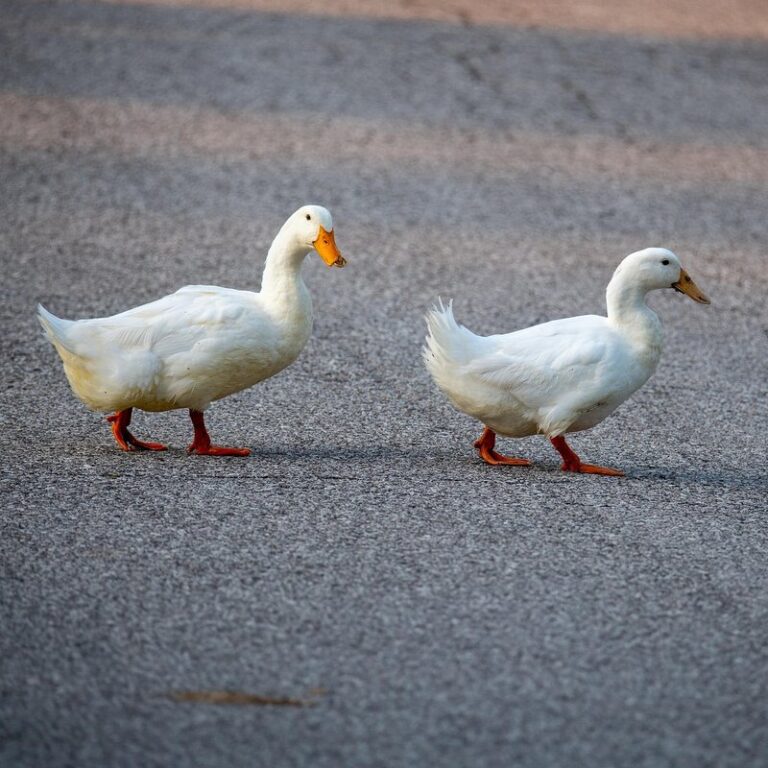
In terms of feather patterns, Pekin ducks are known for their white plumage, often with a yellow beak and orange feet. Their feathers can become ruffled or fluffed up when they’re cold or excited, adding to their endearing appearance.
Plumage and Color Variations
One of the most striking features of Pekin ducks is their wide range of plumage and color variations. While they are often associated with their pure white feathers, Pekin ducks can also be found in brown and gray hues. The white variety is still the most common, accounting for about 90% of all Pekin duck population.
However, the other two colors – brown and gray – offer unique characteristics that set them apart from their white counterparts. Brown Pekin ducks have a warm, earthy tone to their feathers, while gray Pekin ducks exhibit a sleek, silvery sheen. Some breeders even specialize in creating multi-colored or patterned Pekin ducks, which can add an extra layer of visual interest.
When choosing a Pekin duck based on its color variation, consider your personal preferences and the overall aesthetic you want to achieve. For example, if you’re looking for a duck that will stand out in a garden setting, a brown or gray Pekin might be a better choice. Ultimately, it’s essential to remember that every Pekin duck is an individual, regardless of its coloration.
Grooming and Health Considerations
When it comes to Pekin ducks, grooming is an essential aspect of their overall health and well-being. As owners, you’ll need to establish a regular routine that includes nail trimming, beak maintenance, and health checks.
Nail trimming is crucial for Pekin ducks as their nails can grow quite long if not trimmed regularly. Long nails can cause discomfort and even lead to lameness. To trim your Pekin duck’s nails, use a nail clipper specifically designed for birds. Be sure to get them used to the clipping process gradually, starting with short sessions and rewards.
Beak maintenance is also vital as the beak grows continuously throughout their life. A sharp, properly maintained beak helps prevent overgrowth, which can cause discomfort and affect feeding habits. Use a beak trimmer or file to gently smooth out any rough edges.
Regular health checks should also be part of your grooming routine. Keep an eye out for signs of illness such as labored breathing, loss of appetite, or changes in droppings. Consult with a veterinarian experienced in caring for waterfowl if you notice any unusual symptoms.
Temperament and Personality Traits
When it comes to understanding Pekin duck temperament, their personality traits play a significant role in determining how they interact with their owners and surroundings. Let’s dive into what makes these birds tick!
Friendliness and Affection Level
When it comes to friendliness and affection level, Pekin ducks are known for their gentle nature. They are often described as laid-back and easy-going, making them an excellent choice for families with children or for those who want a low-maintenance pet.
In terms of affection, Pekin ducks can be quite affectionate towards humans, but they tend to show it in subtle ways. They may nuzzle their heads against you, follow you around the yard, or even snuggle up next to you on the grass. However, it’s essential to remember that Pekin ducks are still wild animals and need time to themselves.
To encourage a strong bond with your Pekin duck, it’s crucial to start interacting with them from an early age. Spend quality time with your duck, feeding them treats by hand, and talking to them in a soothing voice. With patience and consistency, you can develop a deep and loving relationship with your Pekin duck.
One key aspect to remember is that Pekin ducks are social animals and thrive on interaction. If you’re away from home for extended periods, consider getting two or more Pekin ducks as they will entertain each other while you’re absent.
Noise Levels and Vocalizations
If you’re considering bringing Pekin ducks into your backyard flock, it’s essential to understand their vocal nature. These birds are known for being quite loud, and they tend to make the most noise during their most active periods – morning and evening. As a duck owner, you can expect a cacophony of quacks, grunts, and even hisses from your Pekin friends.
In fact, research suggests that ducks in general produce around 30 decibels (dB) of sound, which is roughly equivalent to the level of a normal conversation between two people. However, when Pekins get excited or alert their fellow ducks to potential threats, they can reach levels of up to 60 dB – comparable to the noise produced by a vacuum cleaner.
To manage your Pekin’s vocalizations, it’s crucial to establish a routine and provide them with plenty of space to roam and exercise. Keeping your birds active during the day will help reduce their energy levels at night, resulting in less noise pollution for you and your neighbors. Additionally, teaching your ducks basic obedience commands like “quiet” can also be helpful in minimizing loud outbursts.
Socialization and Training Requirements
Socialization is crucial for Pekin ducks from an early age to help them develop into well-behaved pets. You’ll want to start by exposing your duckling to various environments, people, and other animals right after they hatch. This helps prevent fear-based behaviors that can be challenging to overcome later on.
Some essential socialization experiences for Pekin ducks include:
* Introducing them to loud noises, like thunderstorms or construction work
* Gradually increasing exposure to strangers, children, and other pets
* Desensitizing your duckling to handling, including nail trimming, wing clipping, and regular bathing
As you begin training your Pekin duck, remember that consistency is key. Establish a daily routine that includes short training sessions focused on basic commands like “come” and “stay.” Positive reinforcement techniques, such as treats and praise, are effective in encouraging desired behaviors.
Keep in mind that Pekin ducks can be wary of new things, so patience and persistence are necessary when teaching them to interact with their environment.
Feeding and Nutrition Requirements
When it comes to keeping your Pekin duck happy and healthy, providing the right food is crucial. In this section, we’ll cover their specific feeding needs.
Dietary Needs for Pekin Ducks
When it comes to feeding Pekin ducks, their dietary needs are relatively straightforward. As waterfowl, they require a diet rich in protein to maintain optimal health and energy levels. A good starting point is to provide a balanced commercial duck feed that contains around 16-18% protein. However, you can also supplement with fresh vegetables, fruits, and grains to add variety to their diet.
Some recommended foods for Pekin ducks include leafy greens like kale and spinach, as well as fruits like berries and citrus slices. Grains such as oats and barley are also a hit. Be sure to provide a calcium source, like crushed eggshells or dark leafy greens, to support strong beak growth and overall bone health.
A common mistake many owners make is overfeeding their ducks. Stick to the recommended feeding guidelines for your duck’s age and size, and avoid overindulging them with treats. A balanced diet will not only ensure optimal health but also influence your Pekin duck’s temperament, helping to create a friendly and outgoing personality.
Supplementing Their Diet
When it comes to providing optimal nutrition for your Pekin duck, supplementing their diet can be beneficial. These supplements are designed to fill gaps in their nutritional intake and support overall health. Common additions to a Pekin duck’s diet include vitamins and minerals.
Vitamin D3 is an essential supplement for ducks, as they require UVB rays from sunlight to synthesize this vitamin naturally. However, Pekin ducks often spend most of their time indoors, making supplements necessary. You can add Vitamin D3 drops directly to their food or water, following the manufacturer’s guidelines for dosage.
Calcium and phosphorus are also crucial minerals that should be supplemented in a Pekin duck’s diet. A balanced ratio between these two is vital for maintaining strong eggshell production and overall skeletal health. Provide your ducks with a calcium-rich supplement during breeding season to support eggshell development, but avoid over-supplementation as this can lead to calcification issues.
When introducing supplements into your pekin duck’s diet, remember to consult with a veterinarian or poultry expert to determine the best course of action for your flock.
Foraging and Free-Range Options
Providing Pekin ducks with foraging opportunities or allowing them to free-range under close supervision is essential for their physical and mental well-being. This type of enrichment allows them to engage their natural foraging behavior, which can help reduce stress and boredom.
When foraging, Pekin ducks will naturally seek out a variety of plants, insects, and other invertebrates to eat. By providing them with a safe and controlled environment, you can encourage this behavior while also introducing new nutrients into their diet. For example, letting your Pekin duck free-range in a securely fenced area can allow them to forage for grasses, clover, and other leafy greens.
When introducing foraging or free-ranging, it’s essential to start with close supervision to ensure the duck’s safety. This allows you to monitor their behavior and intervene if necessary. Begin by allowing your Pekin duck access to a small area under direct observation before gradually increasing the size of the enclosure. By incorporating these foraging opportunities into their daily routine, you can help promote a happy and healthy temperament in your Pekin ducks.
Health Considerations and Common Issues
When caring for a Pekin duck, it’s essential to be aware of their health considerations and common issues that may arise. This includes understanding potential breeding-related problems.
Respiratory Problems and Hygiene
When it comes to maintaining the health of your Pekin ducks, there are several common issues to be aware of. Respiratory problems can be a significant concern, particularly during the colder months when their natural instinct is to huddle together. This behavior can spread illness quickly among your flock.
Maintaining good hygiene is crucial in preventing the spread of disease. Make sure to keep their living area clean and free from debris, and provide adequate ventilation to prevent moisture buildup. Regularly clean feeders, waterers, and any other equipment they come into contact with on a daily basis. Also, consider providing a dust bath for your ducks as this helps remove dirt and bacteria from their feathers.
In addition to respiratory problems, Pekin ducks can also be prone to issues such as impacted crops, fatty liver disease, and eye problems due to poor hygiene or an unbalanced diet. To mitigate these risks, ensure they have access to fresh water at all times and provide a balanced diet that includes a mix of grains, fruits, and vegetables.
A well-ventilated coop with adequate lighting can also help reduce stress and promote overall health in your Pekin ducks.
Parasite Control and Fencing Requirements
When it comes to raising Pekin ducks, parasite control is an essential aspect of maintaining their overall health and well-being. One of the most effective ways to prevent parasites from infecting your flock is through proper fencing requirements.
Proper fencing can help deter predators and unwanted visitors, such as raccoons, coyotes, and other birds that may compete with your ducks for food or resources. A good rule of thumb is to use sturdy fencing materials, such as hardware cloth or chicken wire, that are at least 3 feet high and extend at least 12 inches below ground level to prevent burrowing.
It’s also crucial to keep your ducks’ living area clean and well-maintained. Remove any debris or uneaten food from their enclosure daily, and ensure their water is changed regularly. By implementing these simple measures, you can significantly reduce the risk of parasite infestations and create a healthy environment for your Pekin ducks.
Regularly inspecting your flock’s droppings and feathers for signs of parasites, such as mites or lice, will also help you catch any issues early on. Keep an eye out for excessive feather loss, irritation, or restlessness in your birds, and take prompt action if you notice any unusual behavior or physical symptoms.
Tips for Choosing a Healthy Pet Pekin Duck
When it comes time to bring home your new pet, here are some valuable tips for choosing a healthy Pekin duck that will thrive in its new environment. Consider factors such as breeders and genetics to ensure you’re getting a robust feathered friend.
What to Look for in a Breeder or Supplier
When searching for a breeder or supplier of healthy pet Pekin ducks, it’s essential to do your research. Look for breeders who are transparent about their breeding practices and can provide you with information on the duckling’s ancestry, health clearances, and vaccination history. You can also ask about the breed standard and whether they have experience raising Pekin ducks as pets.
Check online reviews and ask for referrals from friends or fellow duck keepers to find reputable breeders. Make sure to visit the breeder in person to see the conditions in which the ducks are raised and interact with the animals themselves. A reputable breeder will be happy to show you around their facility and answer any questions you may have.
When selecting a supplier, ensure they provide healthy ducklings from a clean and well-maintained environment. Look for signs of good health such as bright eyes, shiny feathers, and alert behavior. Avoid suppliers that offer ducklings in poor condition or with visible signs of illness. By doing your research and choosing a reputable breeder or supplier, you can increase the chances of bringing home healthy and happy pet Pekin ducks.
Factors Affecting Health and Longevity
When it comes to raising a healthy and long-lived pet Pekin duck, several key factors come into play. Genetics, for instance, can have a significant impact on the overall health of your feathered friend. Breeding programs that prioritize genetic diversity and disease resistance are essential for producing ducks with robust immune systems.
Nutrition also plays a critical role in maintaining your Pekin duck’s health and longevity. A balanced diet rich in protein, fiber, and essential vitamins and minerals is vital for supporting optimal growth and development. However, it’s not just about providing the right food; the quality of that food matters too. Feeding your Pekin duck low-quality or processed feed can lead to a range of health issues.
The environment in which your Pekin duck lives also has a profound impact on its overall well-being. Providing adequate space, shelter, and protection from predators is essential for keeping your feathered friend happy and healthy. Even small details like ensuring access to clean water, reducing stress triggers, and maintaining proper ventilation can have a significant effect.
Proper veterinary care is another crucial factor in extending the lifespan of your Pekin duck. Regular check-ups with a qualified avian veterinarian will help identify any potential health issues early on, allowing you to take proactive steps to address them before they become more serious problems. By taking a comprehensive approach to caring for your Pekin duck’s physical and mental needs, you can help ensure that it leads a long and healthy life.
In terms of specific tips, make sure to:
* Research reputable breeders or suppliers who prioritize genetic diversity and disease resistance
* Provide high-quality feed specifically formulated for waterfowl, and supplement with fresh fruits and vegetables as needed
* Create a safe and comfortable living space that includes adequate shelter, protection from predators, and proper ventilation
* Schedule regular veterinary check-ups to monitor your Pekin duck’s health and address any issues promptly
By paying attention to these key factors and taking proactive steps to support the physical and mental well-being of your Pekin duck, you can help ensure a long and happy life for your feathered companion.
Frequently Asked Questions
Can Pekin ducks be kept as pets in cold climates?
Yes, with proper care and housing, Pekin ducks can thrive in cold climates. However, it’s essential to provide them with a warm shelter, adequate bedding, and protection from harsh winds and extreme temperatures.
How often should I socialize my Pekin duckling?
Socialization is crucial for young Pekin ducklings. Start socializing your duckling at 2-3 weeks old, introducing them to various environments, people, and other animals. Gradually increase exposure time as they grow older to help them become confident and friendly adults.
Are there any health concerns specific to Pekin ducks?
Yes, Pekin ducks are prone to respiratory problems due to their flat face structure, which can lead to breathing difficulties. Regularly clean their living area, provide a balanced diet, and ensure proper ventilation to minimize the risk of respiratory issues.
Can I keep multiple Pekin ducks together in a small yard?
While it’s possible to keep multiple Pekin ducks together, it’s not always recommended for small yards. Ensure you have enough space (at least 2-3 square feet per duck) and suitable fencing to prevent escape attempts and protect your ducks from predators.
How can I minimize the noise level of my Pekin duck?
To minimize the noise level of your Pekin duck, provide them with regular exercise, mental stimulation, and a balanced diet. You can also consider training them to quack less by providing alternative ways to communicate, such as toys or treats.