
Are you considering adding some feathered friends to your backyard flock, but want to know more about one of the most popular breeds? White Pekin ducks have been a favorite among farmers and hobbyists alike for their unique appearance and friendly demeanor. But with so many fascinating facts about these birds, it’s no wonder many enthusiasts are eager to learn more.
In this article, we’ll delve into the wonderful world of white Pekin ducks, exploring their origins, physical characteristics, temperament, health considerations, breeding habits, and showing requirements. Whether you’re a seasoned duck breeder or just starting out with your first flock, our expert advice will guide you in caring for these beautiful birds. From their striking white plumage to their lively personalities, we’ll cover everything you need to know about keeping white Pekin ducks happy and healthy in your backyard.
Overview of Pekin Ducks
Let’s dive into the fascinating world of Pekin ducks, a popular breed known for its distinctive white plumage and charming personality. Here, we’ll explore their origins and unique characteristics in more detail.
Origin and History of Pekin Ducks
Pekin ducks have a rich history that dates back to ancient China. Originating from the Yangtze River Delta region, these ducks were highly valued for their exceptional meat and egg-laying capabilities. The breed was developed over thousands of years through careful selection and breeding by Chinese farmers. They were particularly prized for their white plumage, which made them stand out from other duck breeds.
As a result of the growing demand for Pekin duck products in Europe and North America during the 19th century, the breed was introduced to these regions. The first recorded importation of Pekin ducks into the United States occurred in 1873, marking the beginning of their global spread. Today, Pekin ducks can be found on farms worldwide, with many countries adapting the breed for local conditions and market demands.
The adaptability of Pekin ducks has contributed significantly to their widespread popularity. Their hardiness, combined with their impressive growth rates, makes them an ideal choice for both commercial and small-scale duck farming operations.
Key Characteristics of White Pekin Ducks
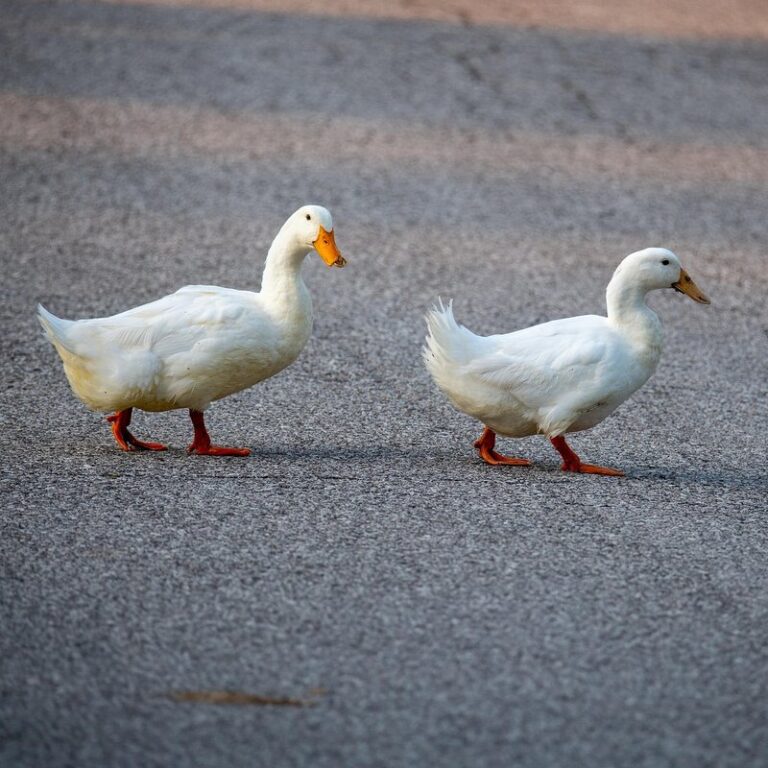
When it comes to identifying white Pekin ducks, their distinctive physical characteristics are hard to miss. One of the most noticeable features is their pure white feather color, which can range from a bright snow-white to a creamy off-white depending on individual plumage. Their feathers are also relatively smooth and lustrous, giving them a sleek appearance.
In terms of body shape, white Pekin ducks have a distinctive broad, flat face with a small beak and a prominent knob at the base of their neck. They have a medium-sized build, with adult males weighing between 2.5-3.5 kg (5.5-7.7 lbs) and females weighing slightly less.
When it comes to temperament, white Pekin ducks are known for being friendly and docile. They make great family pets due to their gentle nature and ability to form close bonds with their owners. However, they can be quite energetic and require regular exercise to stay happy and healthy.
Physical Characteristics of White Pekin Ducks
Let’s dive into some key physical characteristics that set these stunning birds apart, starting with their overall size and body shape.
Plumage and Feather Coloration
One of the most distinctive features of the white variety of Pekin ducks is their stunning plumage. The White Pekin’s feathers are a brilliant snowy white, with no hint of brown or gray to be found. This is due to a genetic variation that results in the absence of melanin, the pigment responsible for feather coloration.
In terms of pattern, the feathers of the White Pekin can vary from smooth and flat to highly textured and fluffy. Some individuals may exhibit a slight sheen or iridescence, while others are completely matte. This variety adds to the breed’s unique charm and makes each bird visually stunning in its own way.
It’s worth noting that some White Pekins may develop small patches of color on their wings or tail feathers as they mature. These are usually a pale yellow or creamy white, and can add a touch of subtle elegance to an otherwise snowy white plumage. However, this is not a guarantee, and some birds may remain completely uniform in their coloring throughout their lives.
Body Shape and Size
White Pekin ducks are known for their distinctive body shape and size. On average, they weigh between 8-12 pounds (3.6-5.4 kg) and reach a height of around 18-22 inches (45-55 cm). This compact stature makes them an ideal choice for small farms or backyard enthusiasts.
One of the most noticeable features of White Pekin ducks is their broad, rounded body type. They have a deep chest and well-sprung ribs, which provide ample space for their internal organs. Their wings are relatively short but strong, allowing them to move efficiently on land and in water.
When it comes to selecting the right breed, look for individuals that meet these size standards. A good rule of thumb is to choose ducks with a broad breast and well-defined keel bone (the bone running down the center of the chest). This will indicate a healthy, robust bird capable of producing quality eggs or meat. By choosing ducks within this weight range and height, you can ensure that your flock grows strong and thrives under proper care.
Temperament and Behavior of White Pekin Ducks
When it comes to temperament and behavior, White Pekin ducks are known for being friendly and docile, making them a great addition to any backyard flock. They’re generally easy-going and love human interaction.
Friendliness and Socialization
White Pekin ducks are renowned for their affectionate nature, making them an excellent choice as pets. These gentle creatures have a natural inclination to interact with humans, and with proper socialization, they can become incredibly loyal companions. When interacting with white Pekin ducks, you’ll notice that they’re naturally curious and enjoy being around people.
To foster a strong bond with your white Pekin duck, it’s essential to socialize them from an early age. This can be achieved by spending quality time with them daily, engaging in activities such as feeding, grooming, or simply playing together. You can also introduce them to other friendly animals and people to help them develop good social skills.
Some key aspects of socializing your white Pekin duck include:
* Handling them gently and regularly to help them become comfortable with human touch
* Introducing new sights, sounds, and experiences to broaden their understanding of the world
* Rewarding good behavior with treats and praise to encourage positive interactions
By following these simple tips, you can unlock the full potential of your white Pekin duck’s friendly nature and develop a lifelong friendship. With patience and consistency, you’ll find that they become an integral part of your family, bringing joy and companionship to your life.
Noise Levels and Quacking Habits
When it comes to noise levels, white Pekin ducks are known for their vocal nature. They have a distinctive quacking sound that can be loud and persistent, especially if they feel threatened or want attention. On average, a single Pekin duck produces around 20-30 quacks per hour, which may not seem like much but can add up quickly when you consider an entire flock.
To manage noise levels, it’s essential to understand the underlying causes of their quacking habits. For instance, if your white Pekin ducks are consistently loud in the morning or evening, they might be trying to communicate with each other about food or attention. By providing regular feeding times and engaging with them during these peak periods, you can help reduce noise levels.
In addition to managing their environment, it’s also crucial to provide adequate space for your white Pekin ducks to exercise and relax. A well-designed enclosure with adequate ventilation can go a long way in reducing stress-related quacking. By implementing these simple strategies, you can enjoy the beauty of your white Pekin ducks while minimizing noise disruptions.
Health Considerations for White Pekin Ducks
When keeping white Pekin ducks as pets, it’s essential to be aware of their specific health needs and potential issues that may arise due to their unique characteristics. Regular monitoring and proper care can help prevent common problems.
Common Health Issues in Pekin Ducks
As you care for your beautiful white Pekin ducks, it’s essential to be aware of potential health issues that can arise. Respiratory problems are one common issue that can affect these lovely birds. Factors such as poor ventilation, high humidity, and cold temperatures can contribute to respiratory distress in Pekin ducks. Regular cleaning of their enclosure and maintaining a well-ventilated environment can help mitigate this risk.
Parasites like mites, lice, and internal worms are also common health issues that can plague your white Pekin ducks. These pests can cause discomfort, stress, and even anemia if left untreated. To prevent parasite infestations, it’s crucial to regularly clean their living space, provide a balanced diet rich in nutrients, and monitor them for signs of infestation.
In addition to preventative measures, recognizing the symptoms of common health issues is vital. If you notice any unusual behavior, such as lethargy, loss of appetite, or labored breathing, consult with a veterinarian experienced in caring for waterfowl. Early detection and treatment can make all the difference in your white Pekin ducks’ health and well-being.
Dietary Needs and Nutrition
When it comes to maintaining optimal health and productivity, meeting the dietary needs of white Pekin ducks is crucial. These birds are known for their exceptional growth rate and high egg production, but their nutritional requirements can vary depending on their life stage.
For starter kits, provide a balanced starter feed that includes 16-18% protein, with calcium and phosphorus levels adjusted to support bone development. As they grow, switch to a finisher feed with 14-16% protein to promote efficient growth without excessive weight gain. Adult birds require a layer feed rich in calcium (around 3.5%) to maintain eggshell production.
To supplement their diet, offer fresh vegetables and fruits daily, such as leafy greens, carrots, and berries. However, avoid giving them avocado, onions, or raw beans, which can cause digestive issues. Additionally, ensure access to clean water at all times and provide grit to help with digestion.
It’s also essential to note that nutritional deficiencies can lead to health problems in white Pekin ducks, such as eggshell defects, reproductive issues, or even mortality. Monitor their feed consumption closely, adjust their diet according to age and breed requirements, and consult a veterinarian if you notice any adverse effects.
Breeding and Raising White Pekin Ducks
If you’re interested in raising your own White Pekin ducks, learning proper breeding and rearing techniques is essential for healthy and happy birds. This process requires attention to detail and a commitment to providing optimal care.
Choosing Healthy Breeders
When selecting breeders for your white Pekin duck breeding program, it’s essential to consider several key factors. A healthy breeder will not only produce high-quality offspring but also contribute to a strong and thriving flock.
Firstly, evaluate the feather quality of potential breeders. Look for ducks with smooth, even, and well-maintained feathers that are free from mites and lice. Avoid birds with ruffled or brittle feathers as this can indicate underlying health issues.
Next, assess the weight of the breeders. A healthy Pekin duck should weigh between 8-12 pounds, depending on their age and sex. Underweight birds may be a sign of nutritional deficiencies or underlying health problems.
In addition to feather quality and weight, inspect the overall health of potential breeders. Look for signs of illness, injury, or stress such as labored breathing, discharge from the eyes or nostrils, or unusual behavioral changes. A healthy breeder should have bright, clear eyes and a clean, well-fitting beak.
When selecting breeders, consider sourcing from reputable breeders who prioritize health and genetics. This will help ensure that your breeding program gets off to a strong start and sets you up for long-term success.
Tips for Raising Ducklings
When it comes to raising ducklings, especially the adorable white variety of Pekin ducks, providing proper care and attention is crucial for their growth and development. A balanced diet is essential, and you can feed them a starter feed that includes a mix of grains, proteins, and vitamins specifically formulated for ducklings.
A clean and safe environment is also vital for their well-being. The brooder should be kept at a temperature of around 90-95°F (32-35°C) during the first week, gradually reducing it by 5°F (3°C) each subsequent week until it reaches ambient temperature. Ensure proper ventilation to prevent ammonia buildup from droppings.
Regular health checks are also necessary to identify any potential issues early on. Look out for signs of respiratory problems, such as labored breathing or coughing, and ensure they have access to clean water at all times. Keep an eye out for any unusual behavior or lethargy, which could indicate a more serious issue.
Proper socialization is also important during the first few weeks. Handle them gently but frequently to help them become tame and confident around humans.
Showing and Judging White Pekin Ducks
When showing and judging your beautiful White Pekin duck, it’s essential to know what characteristics the judges are looking for. This guide will walk you through the key factors that determine a show-winning bird.
Breed Standards and Requirements
When it comes to showing white Pekin ducks, meeting breed standards is crucial. The American Poultry Association (APA) and the American Bantam Association (ABA) are two prominent organizations that establish guidelines for evaluating these birds.
To begin with, plumage quality is a top consideration. For a show-winning white Pekin duck, its feathers should be pristine white, without any yellow or buff tints. The ideal plumage should be smooth, glossy, and free of defects such as fluffing, pecking, or excessive molt.
Another critical aspect is body shape. A winning white Pekin duck’s body should be well-balanced, with a broad chest, well-sprung sides, and a rounded abdomen. Its wings should be long and broad, with a slight curve to the tips.
In terms of overall appearance, breeders and judges alike are looking for birds that exude confidence and presence. A white Pekin duck’s gentle demeanor and calm nature can go a long way in making it stand out in the show ring.
When preparing your white Pekin ducks for showing, remember to pay close attention to their daily care, ensuring they receive adequate nutrition and exercise. This will help them maintain top-notch health and appearance, giving you an edge when competing against other breeders.
Tips for Successful Show Preparation
When preparing to show your white Pekin duck, it’s essential to focus on grooming, training, and handling techniques that will bring out the best in your bird. Start by giving your duck a thorough bath to remove any dirt or stains from its feathers. Pay particular attention to areas around the beak, eyes, and feet.
Next, trim any excess feathers around the vent area to ensure the duck’s plumage is uniform and even. For males, you’ll also want to trim any excess feathers on their tail. Use a sharp pair of scissors specifically designed for trimming poultry to avoid causing irritation or injury.
In addition to grooming, it’s crucial to train your duck to stand calmly in its pen during the judging process. You can do this by practicing “stay” commands and gradually increasing the time your duck spends standing still. To handle your duck confidently, practice lifting and supporting its wings, legs, and tail feathers without causing discomfort or stress.
Frequently Asked Questions
Can I keep white Pekin ducks with other breeds, or do they require their own space?
Yes, white Pekin ducks are social birds and can be kept with other duck breeds, but it’s essential to provide enough space for all the ducks to move around comfortably. A minimum of 2-3 square feet per bird is recommended, and make sure the enclosure is secure to prevent escape or predation.
How often should I clean the water and feeders in my backyard flock?
It’s crucial to maintain a clean environment for your white Pekin ducks’ health. Change the water at least once a day, and clean the feeders daily to prevent bacterial growth and contamination. This will also help reduce odors and keep the area around the enclosure tidy.
What are some common health issues in white Pekin ducks, and how can I prevent them?
White Pekin ducks are prone to certain health issues, including respiratory problems, obesity, and mite infestations. Regularly check your birds for signs of illness or stress, provide a balanced diet, and ensure good hygiene practices to minimize the risk of these issues.
Can I raise white Pekin ducklings in a small backyard space, or do they require more extensive facilities?
While it’s possible to raise ducklings in a small backyard space, you’ll need to ensure they have adequate shelter, ventilation, and protection from predators. A minimum of 10 square feet per bird is recommended for growth and development.
How can I introduce new white Pekin ducks to my existing flock without causing stress or aggression?
When introducing new birds to your flock, it’s essential to do so gradually to prevent stress and aggression. Start by keeping the new birds separate and allowing them to get used to each other’s presence through visual and auditory contact before releasing them together under close supervision.