
If you’re considering raising Pekin hens on your farm or in your backyard, you’re probably curious about these popular birds. Originating from China, Pekin hens have been prized for their exceptional egg-laying abilities and friendly demeanor for centuries. But beyond their reputation as prolific layers, what else should you know about caring for Pekin hens? From understanding their history and development to expert advice on maximizing egg production and managing common health issues, this article is your comprehensive guide to raising Pekin hens successfully. Whether you’re a seasoned poultry keeper or just starting out, we’ll delve into the ins and outs of breeding, nutrition, and healthcare for these beloved birds. By the end of this article, you’ll be equipped with the knowledge and confidence to raise happy and healthy Pekin hens that thrive on your farm.
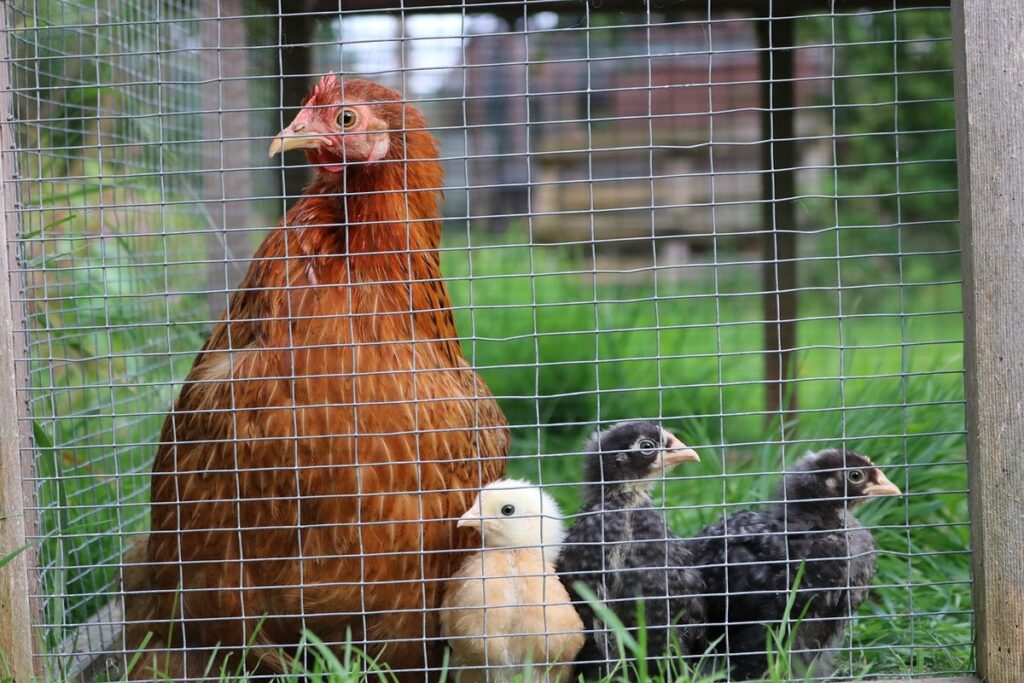
Characteristics and Origin
Pekin hens have a rich history that dates back centuries, originating from China where they were highly valued for their unique characteristics. Let’s dive into what makes them so special.
History and Development of Pekin Ducks
Pekin ducks have a rich and fascinating history that spans over 2,000 years. Originating from China, these remarkable birds were bred for their exceptional meat quality and friendly temperament. The Pekin duck‘s ancestors date back to the Ming dynasty, where they were raised on small farms and consumed by the local population. Over time, Chinese farmers selectively bred these ducks for desirable traits such as rapid growth rate, high egg production, and excellent meat quality.
As international trade expanded, Pekin ducks were introduced to other parts of the world, including Europe and North America. They quickly gained popularity due to their adaptability to various climates and feeding systems. Today, Pekin hens are prized by backyard flock owners for their docile nature, high egg production, and ease of care.
Interestingly, Pekin hens are not as prolific in egg-laying as some other breeds, but they make up for it with their exceptional meat quality. With proper care and management, a single Pekin hen can lay around 200-250 eggs per year. If you’re considering adding Pekin ducks to your backyard flock, be sure to research local regulations regarding duck-keeping and ensure you have adequate space and resources to provide them with the best possible living conditions.
Physical Characteristics of Pekin Hens
Pekin hens are easily recognizable due to their distinct physical characteristics. When it comes to size, Pekin hens are considered medium-sized birds, weighing between 7 and 10 pounds (3.2 to 4.5 kg). They stand around 20-24 inches (50-60 cm) tall, making them a great choice for backyard chicken keepers with limited space.
Their plumage is another defining feature of Pekin hens. Their feathers are soft, fluffy, and white in color, often with a subtle yellow or cream undertone. The overall appearance is clean-cut and elegant, making them a popular choice among chicken enthusiasts.
The beak shape of Pekin hens is also noteworthy. They have a medium-sized beak that’s slightly upturned at the tip, allowing for easy pecking at grains and insects. Their beaks are typically yellow in color, which helps to distinguish them from other breeds.
When choosing a Pekin hen, it’s essential to select birds with vibrant plumage and no signs of disease or injury. Look for birds that appear active and energetic, as this is often an indicator of overall health.
Temperament and Personality
Pekin hens are known for their friendly and docile nature, making them an excellent choice for families and beginners. When it comes to interacting with humans, Pekin hens are extremely social birds that thrive on attention and affection. They love being handled and will often come running when they hear the sound of food or see one of their owners approaching.
In terms of personality, Pekin hens are considered to be quite calm and laid-back, which is ideal for families with children who want a low-maintenance pet. However, it’s essential to remember that all chickens have unique personalities, and individual traits can vary significantly. Some Pekin hens may be more assertive or curious than others.
If you’re considering getting a Pekin hen as a pet, it’s crucial to introduce them to other animals in the household gradually and under controlled circumstances. This will help prevent any potential conflicts or stress. With proper care and attention, Pekin hens can become wonderful companions for families and make excellent additions to backyard flocks.
Breeding and Raising Pekin Hens
Breeding and raising Pekin hens can be a delightful experience, but it requires careful planning and attention to detail from day one. Let’s dive into the essentials of nurturing these lovable birds.
Choosing the Right Breeders or Suppliers
When it comes to acquiring Pekin hens, choosing the right breeders or suppliers is crucial for ensuring you get healthy and high-quality birds. You want to avoid buying from unscrupulous sellers who may prioritize profit over animal welfare.
To start, look for breeders who prioritize genetic diversity in their breeding program. This means they should be using a variety of sires and dams to produce hens with a broad range of traits. Without sufficient genetic diversity, your flock may be more prone to health issues down the line.
Another important consideration is health clearances. Reputable breeders will have conducted tests for common diseases affecting Pekin hens, such as Marek’s disease and salmonella. These clearances ensure that their birds are free from these conditions and will not pose a risk to your flock.
Lastly, consider the level of customer support provided by the breeder or supplier. A good breeder should be willing to answer questions and provide guidance on caring for your new hens. They may also offer guarantees or warranties for the health and quality of their birds.
Housing and Equipment Requirements
When it comes to raising Pekin hens, providing a suitable environment is crucial for their health and well-being. A good coop should have adequate space for the birds to move around comfortably. The recommended coop size for a small flock of Pekin hens is about 2-3 square feet per bird inside the coop and 8-10 square feet outside in the run.
Ventilation is another essential aspect to consider when building or purchasing a coop. Pekin hens are sensitive to ammonia fumes, which can build up quickly in a poorly ventilated coop. Make sure to provide adequate airflow by installing windows, vents, or using a ventilation system that can remove moisture and ammonia from the air.
In terms of feeding systems, you’ll want to invest in a feeder that’s easy to clean and can be filled with enough food for the day. A good rule of thumb is to provide about 1/4 pound of layer feed per bird per day. You may also want to consider installing a watering system that provides fresh water at all times.
When setting up your coop, remember to prioritize cleanliness and ease of maintenance. Use easy-to-clean materials like wood or plastic for the walls and floor, and make sure you have access to all areas for regular cleaning and inspection.
Nutrition and Health Care
When it comes to keeping your Pekin hens healthy and happy, providing the right nutrition is crucial. A balanced diet will not only promote optimal health but also ensure they produce high-quality eggs. As a general rule, Pekin hens are omnivores, which means they require a mix of grains, proteins, and fruits in their diet.
A good quality layer feed should form the basis of your hens’ diet, providing around 16-18% protein to support egg production. However, supplementing with fresh vegetables and fruits can add variety and essential nutrients. Leafy greens like kale and spinach are rich in calcium and vitamins A and E, while carrots provide a good source of vitamin A.
In addition to nutrition, regular health checks are vital to prevent illness and disease. Make sure to inspect your hens’ droppings daily for signs of digestive issues or parasites. Keep an eye out for any unusual behavior or physical changes, such as lethargy or labored breathing.
By providing a balanced diet and regular health checks, you can help keep your Pekin hens thriving.
Health Considerations and Common Issues
When it comes to raising Pekin hens, health considerations and common issues can arise due to their unique characteristics and temperaments. Let’s take a closer look at these potential problems and how you can address them.
Genetic Disorders and Breed-Specific Concerns
As you welcome Pekin hens into your backyard flock, it’s essential to be aware of the genetic disorders and breed-specific concerns that may affect their health. Pekin hens are a popular commercial breed known for their large size, friendly temperament, and high egg production. However, like all breeds, they can be prone to certain health issues.
One common concern with Pekin hens is obesity. Their rapid growth rate and high energy needs can lead to weight gain if not managed properly. A diet that’s rich in fiber and low in calories, combined with regular exercise, can help prevent obesity. You should also monitor their feeding habits closely, as overfeeding can exacerbate the problem.
Respiratory problems are another concern for Pekin hens. Their large size and flat faces can make breathing difficult, especially during hot or humid weather. Make sure your birds have plenty of fresh air and shade to reduce heat stress.
Reproductive complications are also a concern in Pekin hens. They can be prone to reproductive issues like egg binding and prolapse due to their large size and breed-specific traits. Regular health checks by a veterinarian and maintaining a clean, well-ventilated coop can help prevent these problems.
Managing Parasites and Diseases
Managing parasites and diseases is a critical aspect of maintaining the health and well-being of your Pekin hen flock. Regular monitoring for signs of illness is essential, as early detection can make all the difference between treating an easily manageable condition or dealing with a more severe outbreak.
To control internal parasites such as worms and protozoa, consider using a combination of methods. These may include deworming medications, changes to feed and water management, and improving living conditions within your coop. External parasites like mites and lice can be controlled with powders or sprays applied directly to the birds’ feathers.
Vaccination protocols for Pekin hens typically involve vaccinations against diseases such as Newcastle disease and infectious bronchitis. Consult a veterinarian experienced in poultry health to determine the best vaccination schedule for your flock, taking into account factors like age, breed, and region.
When monitoring for signs of illness, be aware of changes in behavior, appetite, or egg production. Regularly inspect droppings for blood or unusual coloration, as these can indicate internal parasites or bacterial infections.
Care and Management Tips
To keep your Pekin hens happy and healthy, follow these essential care and management tips to ensure they thrive in their new home. This includes guidance on feeding, nesting, and exercising.
Best Practices for Handling and Training
When it comes to handling and training your Pekin hens, establishing trust is key. To achieve this, you should handle them gently and frequently from an early age. Start by offering treats by hand, allowing the bird to become accustomed to human presence. Avoid sudden movements or loud noises that may startle them.
Introducing new birds to the existing flock can be a delicate process. Begin by keeping the new hen isolated for a few days before introducing her to the group. Monitor their behavior closely, watching for signs of aggression such as pecking or hissing. Gradually increase interaction time under close supervision.
Create a stress-free environment by providing ample space and ensuring proper ventilation in your coop. Avoid overcrowding, which can lead to tension among hens. Incorporate enrichment activities like scratching posts and foraging toys to keep them engaged and stimulated.
Tips for Maximizing Egg Production
When it comes to maximizing egg production in your Pekin hen flock, there are several strategies you can implement. For one, ensuring proper feed efficiency is crucial. Provide a balanced diet that meets the nutritional needs of your hens, and consider supplementing with calcium-rich foods like oyster shells or dark leafy greens to support strong eggshell formation.
Light exposure also plays a significant role in regulating reproductive cycles and stimulating egg production. Aim for at least 14 hours of daylight per day by installing supplemental lighting in your coop during winter months or providing shade structures outside. You can also try adjusting the timing of artificial light exposure to coincide with natural dawn and dusk patterns, which can help regulate hens’ internal clocks.
Regular health checks are also vital to maintaining a healthy reproductive cycle. Monitor your flock for signs of stress, such as changes in behavior, appetite, or egg production. Provide regular exercise opportunities through free-range access or rotate their feeding stations to keep them active.
Frequently Asked Questions (FAQs)
You’ve got questions about Pekin hens? We’ve got answers! Below, we address some of the most common inquiries about these lovable birds.
Common Queries About Pekin Hens
Are you new to raising Pekin hens? You’re not alone! We’ve compiled some answers to common questions about these lovable birds. Let’s dive right in!
Pekin hens are known for their gentle nature, but how adaptable are they to different climates? The good news is that Pekin hens are relatively easy-going when it comes to temperature extremes. They can handle temperatures ranging from -20°C to 40°C (-4°F to 104°F), making them a great choice for backyard chicken keepers in various regions.
However, if you live in areas with harsh winters or scorching summers, it’s essential to provide your Pekin hens with proper shelter and care. This includes providing a dry, draft-free coop and enough ventilation to prevent heat stress during hot weather. Conversely, make sure their bedding is changed frequently to keep them warm and cozy during cold snaps.
Now, let’s talk about egg-laying capacity. Pekin hens are prolific layers, producing an average of 250-300 brown eggs per year. While this may not be the highest number among some heritage breeds, it’s still a respectable amount for backyard chicken keepers.
But how do they get along with other breeds? Generally speaking, Pekin hens are friendly and social birds that mix well with most other breeds. However, introducing them to more aggressive or dominant breeds can lead to conflict. When integrating new birds into your flock, it’s essential to introduce them slowly and under close supervision.
To ensure a harmonious flock, we recommend the following:
* Introduce Pekin hens to your existing flock gradually, starting with visual introductions before allowing them to interact.
* Monitor their behavior closely during the introduction process.
* Provide enough space for all birds to roam and establish a pecking order.
By following these tips and understanding the unique characteristics of Pekin hens, you’ll be well on your way to raising happy, healthy birds that will reward you with delicious eggs for years to come!
Frequently Asked Questions
Can Pekin hens be raised in small backyard spaces or do they require a lot of land?
Pekin hens are relatively adaptable to smaller spaces, making them a great choice for urban or suburban farms. However, it’s essential to provide enough space for the birds to roam and engage in natural behaviors, such as scratching and pecking. A minimum of 2-4 square feet per bird is recommended, but this can vary depending on your specific situation.
How often do Pekin hens need to be vaccinated against diseases?
Yes, it’s crucial to vaccinate your Pekin hens against common diseases like Newcastle disease and avian influenza. The vaccination schedule will depend on your location, local regulations, and the specific health risks in your area. Consult with a veterinarian or poultry expert to determine the best vaccination plan for your flock.
What are some signs of a healthy egg-laying pattern in Pekin hens?
A healthy egg-laying pattern in Pekin hens typically involves producing 280-300 eggs per year, with most of them being large and brown. Look out for signs like regular egg production, clean and dry nesting boxes, and overall vitality. If you notice a decline in egg production or other health issues, consult with a veterinarian to identify the cause.
Can I keep Pekin hens as pets if I don’t plan to raise them for eggs?
Yes, Pekin hens can make wonderful pets due to their friendly, docile nature and relatively low maintenance requirements. With proper care and attention, they can thrive in small spaces and become loving companions. Just remember that Pekin hens are social birds that require interaction and stimulation, so provide plenty of toys and opportunities for exercise.
How do I determine the sex ratio of my new Pekin hen chicks?
Determining the sex of young chicks can be challenging without genetic testing or other advanced methods. However, you can make an educated guess based on behavior and physical characteristics like comb size and tail feathers. Consult with a poultry expert or experienced breeder for guidance on sexing your chicks accurately.