
Permaculture chickens are an essential component of any sustainable homestead or farm, providing not only fresh eggs but also natural fertilizers and pest control. However, raising healthy and thriving permaculture chickens requires more than just throwing some feed in a coop. It demands careful consideration of breed selection, nutrition, and management strategies to create a balanced ecosystem that benefits both the chickens and the environment.
In this comprehensive guide, we’ll take you through the ins and outs of raising successful permaculture chickens, covering everything from choosing the right breeds for your climate and space to creating a nutrient-rich diet that promotes optimal health. Whether you’re just starting out or looking to optimize your existing flock, this article will provide you with practical advice on how to create a thriving and sustainable chicken-keeping system.
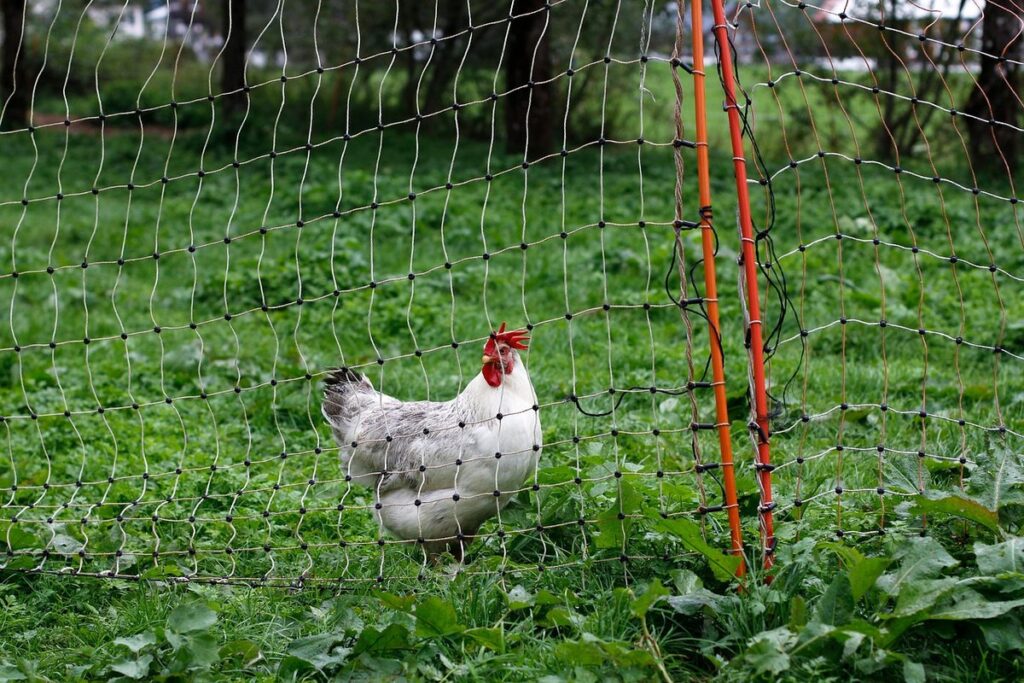
Introduction to Permaculture Chickens
Let’s dive into the basics of permaculture chickens, exploring what makes these birds so special and how they can thrive in a sustainable backyard ecosystem. We’ll start from scratch, covering the fundamentals of raising healthy and happy hens.
Benefits of Keeping Permaculture Chickens
Integrating chickens into your permaculture system can bring numerous benefits that enhance the overall sustainability and health of your ecosystem. One of the primary advantages is improved soil health. Chicken manure is a natural fertilizer, rich in nitrogen, phosphorus, and potassium, which are essential for plant growth. By allowing your chickens to forage freely, they will spread their droppings evenly throughout the garden, reducing the need for synthetic fertilizers.
Chickens also serve as a natural form of pest control. They feed on slugs, snails, and insects that can damage plants, reducing the need for pesticides. Additionally, their presence can help deter other pests, such as rodents and deer, from entering your garden.
Nutrient cycling is another crucial benefit of keeping permaculture chickens. By allowing them to scratch and peck, they will turn over soil, aerating it and bringing nutrients to the surface. This process not only improves soil structure but also promotes beneficial microbial activity, further enriching the soil ecosystem.
When introducing chickens to your permaculture system, consider creating a dedicated run or area where they can freely forage. This can be as simple as a fenced section of your garden or a designated chicken tractor. By doing so, you’ll create a symbiotic relationship between your chickens and plants, leading to a more thriving and sustainable ecosystem.
What is Permaculture?
At its core, permaculture is an approach to design that seeks to create sustainable and regenerative ecosystems. Developed by Bill Mollison and David Holmgren in the 1970s, permaculture is based on three key principles: catching and storing energy, converting waste into products, and using small-scale, diverse systems.
When applied to chicken keeping, permaculture design encourages us to think about our chickens as integral members of a larger ecosystem. This means considering their nutritional needs, shelter, health, and social requirements in conjunction with the overall design of our property. By creating a permaculture-inspired chicken system, we can improve the welfare of our birds while also enhancing biodiversity, reducing waste, and increasing yields.
For example, you might use permaculture principles to create a chicken run that incorporates nitrogen-fixing plants like comfrey or clover, which can help enrich the soil for your flock’s benefit. Alternatively, you could design a coop that doubles as a tool shed or storage space, minimizing waste and maximizing efficiency.
Choosing the Right Breeds for Permaculture
When it comes to creating a thriving permaculture flock, selecting breeds that thrive in your specific climate and ecosystem is crucial. Here are some key factors to consider when choosing the perfect breed for you.
Selecting Breeds for Climate and Purpose
When selecting breeds for your permaculture system, it’s essential to consider the local climate and the specific needs of your ecosystem. A breed that thrives in a hot, humid environment may not be well-suited for cooler, drier conditions. For instance, if you live in an area with extreme temperatures, look for breeds that are heat-tolerant or can handle cold snaps.
Some popular breeds for permaculture systems include Orpingtons and Plymouth Rock chickens, which excel in temperate climates. In hotter climates, breeds like Leghorns and Australorps are well-suited due to their heat tolerance. On the other hand, in colder climates, hardy breeds such as Brahmas and Wyandottes can withstand harsh winter conditions.
To determine the best breed for your permaculture system, consider factors such as egg production, meat quality, and foraging ability. Assess your climate, available space, and resources to narrow down your options. You may also want to consult with local farmers or breeders who have experience with permaculture systems in your region. By choosing breeds that are well-suited to your climate and system needs, you can create a thriving and sustainable flock.
Hardy and Low-Maintenance Breeds
When it comes to permaculture chickens, choosing breeds that can thrive in diverse environments is crucial. You’ll want to focus on hardy and low-maintenance breeds that can handle temperature extremes, humidity, and other environmental stressors.
Some popular breeds fit the bill perfectly. The Araucana, for instance, is a great choice for its cold-hardiness and ability to lay eggs with a beautiful blue or green tint. They’re also relatively small in size, making them perfect for smaller permaculture setups.
Another breed worth considering is the Marans, known for their dark chocolate-brown eggs and impressive foraging abilities. These birds are built to handle hot temperatures and can thrive in areas with limited shelter.
If you live in an area with intense humidity or rainfall, consider breeds like the Legbar or the Australorp. These birds have a natural tolerance for moisture and can handle wet conditions without issue.
In general, it’s essential to research your local climate and choose breeds that are well-suited to your specific environment. This will save you time and resources in the long run by reducing the need for supplemental care and housing.
Creating a Thriving Permaculture Flock
Building a healthy permaculture flock requires careful planning and attention to detail, from selecting breeds to creating a diverse and thriving ecosystem that benefits both birds and garden. Let’s dive into the specifics of creating such a system.
Providing Adequate Nutrition and Water
When it comes to creating a thriving permaculture flock, providing adequate nutrition and water is crucial. Chickens have unique dietary needs that vary depending on their age, breed, and level of activity.
A balanced feed should be the foundation of your chicken’s diet. Consider using locally sourced, organic feeds or DIY mixes made from ingredients like oats, barley, and sunflower seeds. Supplement with foods rich in calcium and protein, such as crushed eggshells, mealworms, and insects. Foraging for wild plants is also an excellent way to provide variety and nutrients.
Access to clean water is equally essential. Ensure multiple watering stations are scattered throughout the flock area, and change the water frequently to prevent bacterial growth. Consider installing a gravity-fed water system or using self-filling feeders with built-in water bowls. This will not only keep your chickens hydrated but also encourage foraging behavior and reduce waste.
To promote optimal health, consider incorporating probiotics, apple cider vinegar, and other natural supplements into their diet. Remember to adjust feeding schedules based on seasonal changes and the flock’s needs, keeping a close eye on their overall well-being.
Shelter and Protection from Pests and Predators
Providing adequate shelter for your flock is crucial to ensure their well-being and protect them from harsh weather conditions. Consider using three-sided shelters or hoop houses that allow for airflow and sunlight penetration. These structures should be designed to accommodate a specific number of birds, taking into account the space required for roosting, nesting, and movement.
To protect your flock from pests and predators, incorporate natural deterrents like hot pepper spray, predator guard fencing, or motion-activated sprinklers. You can also introduce beneficial insects like ladybugs, lacewings, or parasitic wasps that prey on internal parasites and external pests. These beneficial insects can be sourced from reputable suppliers or introduced through companion planting with attractive plants.
When designing your flock’s ecosystem, consider the space needed for a diverse range of flora and fauna. This will not only attract beneficial insects but also provide a balanced food source for your chickens. Incorporate native plants that offer shelter, shade, and nutrients to create a resilient and thriving permaculture ecosystem.
Integrating Chickens into Your Permaculture System
As you begin to integrate chickens into your permaculture system, it’s essential to consider how their needs will complement and enhance the existing ecosystem. This section explores ways to harmoniously blend chicken care with overall farm design.
Composting and Nutrient Cycling
Chickens play a crucial role in permaculture systems by contributing to nutrient cycling through their waste. This natural process involves breaking down organic matter and returning nutrients to the soil, promoting healthy plant growth. In permaculture design, chickens can be integrated into this cycle by using their droppings as fertilizer.
One way to harness this potential is through composting. You can collect chicken manure and mix it with other organic materials like leaves or food scraps to create a nutrient-rich compost. This process accelerates decomposition, allowing the nutrients to become available for plants faster. For example, a study found that chicken manure compost increased crop yields by 20% in small-scale farming systems.
When incorporating chickens into your permaculture design, consider their waste management needs. You can incorporate a designated composting area or use a deep litter system where chicken droppings are collected and aged on the spot. This natural method allows for efficient nutrient cycling while minimizing odors and pests. By leveraging chicken waste, you can create a closed-loop system that supports soil health and plant productivity.
Using Chicken Manure as Fertilizer
Using chicken manure as fertilizer is a fantastic way to reduce waste and create a nutrient-rich soil amendment for your garden. One of the primary benefits of using chicken manure is its high nitrogen content. A single layer of dry chicken manure can contain up to 1 pound of nitrogen per square foot, making it an excellent natural alternative to synthetic fertilizers.
But that’s not all – chicken manure also improves soil structure by adding organic matter and increasing the soil’s water-holding capacity. This is particularly beneficial for garden beds with heavy clay or sandy soils, as it helps to improve drainage and aeration.
To use chicken manure effectively, make sure to dry it thoroughly before incorporating it into your soil. You can do this by spreading it out in a thin layer and letting it air-dry for several weeks. Once dry, mix the manure into your garden beds at a rate of 1-2 inches deep, or as needed.
It’s worth noting that chicken manure is not suitable for all plants – it’s especially beneficial for vegetables like lettuce, spinach, and tomatoes. However, if you’re growing sensitive crops like strawberries or blueberries, it’s best to use composted chicken manure instead.
Managing Health and Hygiene in Permaculture Chickens
When it comes to raising permaculture chickens, maintaining their health and hygiene is crucial for a thriving flock. This section will explore practical tips for keeping your birds healthy and happy.
Preventing Disease and Parasites
Maintaining good health is crucial for a thriving permaculture flock. While vaccinations can be beneficial, it’s essential to approach them with caution. Many experts argue that over-vaccination can weaken the immune system, making birds more susceptible to disease. Instead, focus on building a strong and resilient flock through proper nutrition, genetics, and environmental enrichment.
Parasite control is another critical aspect of maintaining health in your permaculture chickens. Regularly inspecting your flock for signs of parasites such as mites, lice, and worms can help prevent infestations. Use natural methods like diatomaceous earth or neem oil to control parasite populations. Additionally, practice good sanitation by regularly cleaning the coop, removing soiled bedding, and maintaining a clean water source.
Rotate your flock’s pasture to reduce parasite buildup in the soil, and incorporate beneficial herbs and plants that repel parasites into your design. By adopting these strategies, you can create a healthy and thriving permaculture flock without relying on chemicals or vaccinations.
Common Health Issues in Permaculture Flocks
When it comes to managing health and hygiene in permaculture flocks, being aware of common issues that can arise is crucial. Respiratory problems, for instance, are a frequent concern. This can be due to factors such as poor ventilation, high ammonia levels from droppings, or exposure to pollutants like dust or chemicals.
Mite infestations are another issue that permaculture chicken keepers may encounter. These tiny parasites can cause discomfort and stress in chickens, and if left unchecked, lead to more severe health issues. Some signs of a mite infestation include excessive scratching, loss of appetite, and visible mites on the birds’ bodies.
Prevention is key when it comes to these issues. Regular cleaning of coops, ensuring good airflow, and maintaining a balanced diet can all help reduce the risk of respiratory problems. Keeping an eye out for signs of mite infestations, such as small red spots or dark specks around your chickens’ beaks and eyes, is also crucial.
When treating respiratory issues, providing a medicated feed specifically designed to target these types of infections can be effective. In cases of severe mite infestations, using diatomaceous earth or treating the birds with an appropriate insecticide according to the product’s instructions may be necessary.
By being proactive and staying alert for potential health issues, you can maintain a thriving and healthy permaculture flock.
Conclusion: Taking Your Permaculture Chicken System to the Next Level
Now that you’ve established a thriving permaculture flock, it’s time to think about scaling up and taking your system to the next level of efficiency and productivity. This section will explore some advanced strategies for continuous improvement.
Scaling Up and Expanding Your Flock
As you’ve established a thriving permaculture chicken system, you’re likely wondering about the next step: scaling up and expanding your flock. This is an exciting phase of growth, but it requires careful planning to maintain sustainability and biodiversity. When increasing the size of your flock, consider the following key areas:
Diversify your breed selection by introducing new species or heritage breeds to enhance genetic diversity and adaptability. This will help prevent disease outbreaks and ensure a more resilient flock.
Gradually introduce new birds into your existing system, allowing them to acclimate and interact with each other without causing stress or conflict. Monitor their behavior and adjust your feeding schedule accordingly.
Increase your pasture management strategy by implementing crop rotation and integrating companion plants that promote soil health and nutrient cycling. This will ensure the continued fertility of your land while supporting a larger flock.
By taking these steps, you’ll be able to expand your flock while maintaining its ecological integrity and promoting long-term sustainability.
Long-Term Planning and Maintenance
As you’ve successfully implemented a permaculture chicken system, it’s essential to focus on long-term planning and maintenance. This will ensure the continued health and productivity of your flock while minimizing environmental impact. A well-planned system should be designed with future needs in mind, incorporating flexibility and adaptability.
To achieve this, conduct regular assessments of your system’s performance, identifying areas for improvement. Monitor factors such as feed efficiency, water usage, and waste management to pinpoint potential bottlenecks. Consider adopting rotational grazing practices or implementing a manure composting program to optimize resource utilization.
Don’t be afraid to make adjustments based on seasonality, climate shifts, or other external factors affecting your flock’s needs. Continuously gather knowledge from resources like permaculture workshops, online forums, and expert mentors to refine your techniques. By embracing a mindset of continuous improvement, you’ll create a resilient and thriving permaculture chicken system that adapts to changing conditions while maintaining its ecological integrity.
Frequently Asked Questions
What are some essential tools I need to get started with permaculture chickens?
When setting up your permaculture chicken system, it’s crucial to have the right equipment. You’ll need a sturdy coop or enclosure that provides protection from predators and harsh weather conditions. A movable coop can be beneficial for rotating grazing areas and maintaining soil health. Don’t forget about feeding and watering systems, as well as nesting boxes for egg-laying hens.
How often should I collect chicken manure to use it as fertilizer?
Collecting chicken manure regularly is essential for nutrient cycling and minimizing odors. Aim to remove droppings at least once a week, depending on the number of birds and their age. This will prevent over-multiplication of pathogens and maintain a clean living environment.
Can I integrate permaculture chickens with other farm animals?
Integrating chickens with other livestock can create diverse ecosystems and promote mutual benefits. For example, pigs can help clear land for grazing areas, while ducks or geese can act as natural weed controllers. However, be cautious when introducing different species to ensure compatibility and monitor their interactions.
How do I determine the ideal breed for my permaculture flock?
Choosing breeds that suit your climate, space constraints, and desired egg production levels is vital for success. Research breeds like Leghorns or Orpingtons for cold climates, while Australorps and Marans excel in warm environments. Consider factors such as noise level, feather quality, and egg size when selecting the perfect breed.
What are some common mistakes to avoid when raising permaculture chickens?
When starting your permaculture chicken system, it’s essential to avoid common pitfalls. Some key mistakes include overcrowding coops, neglecting proper nutrition and hydration, and failing to maintain adequate shelter and predator protection. Regularly inspect your flock for signs of stress or disease, and be prepared to adapt your strategies as needed.