
The majestic Phoenix chicken rooster is a breed that commands attention and respect, not just for its stunning appearance but also for its rich history and unique characteristics. Whether you’re a seasoned poultry breeder or a backyard enthusiast, understanding this magnificent bird can elevate your knowledge and appreciation of the world of chickens. In this comprehensive guide, we’ll delve into the history and genetics of the Phoenix chicken rooster, exploring its origins, breed standards, and breeding requirements. We’ll also discuss essential care tips for maintaining optimal health and well-being in these show-stopping birds. From health concerns to showing techniques, our goal is to provide a thorough understanding of this remarkable breed, empowering you with the confidence to either raise or exhibit your own majestic Phoenix chicken rooster.
Overview and History
The phoenix chicken rooster has a rich history that spans centuries, and understanding its origins is key to truly appreciating this majestic breed. Let’s take a step back in time to explore its fascinating past.
Origins of the Breed
The origins of the majestic Phoenix chicken rooster date back to the early 20th century in Europe. Breeders were on a mission to create a high-quality rooster with exceptional characteristics. They aimed to develop a bird that excelled in size, plumage, and temperament. To achieve this, they crossed various breeds such as the Sultan, Malay, and Old English Game Fowl.
As breed development continued, North American poultry enthusiasts became involved, introducing new bloodlines to enhance the breed’s attributes. This collaborative effort led to the creation of the Phoenix chicken rooster we know today. One of the key factors in its development was selecting for desirable traits like a broad breast, long wings, and rich plumage.
The Phoenix rooster has become synonymous with impressive size and vibrant coloration. Its robust build and majestic appearance make it a standout in any backyard flock or exhibition setting. Whether you’re a seasoned poultry breeder or an enthusiastic chicken keeper, understanding the origins of this breed can help you appreciate its unique qualities and characteristics.
Breed Standard and Characteristics
When it comes to the breed standard of the majestic Phoenix chicken rooster, there are several key characteristics that set this bird apart from others. According to the American Poultry Association, the Phoenix rooster should weigh between 9 and 11 pounds, with a height range of around 24 inches.
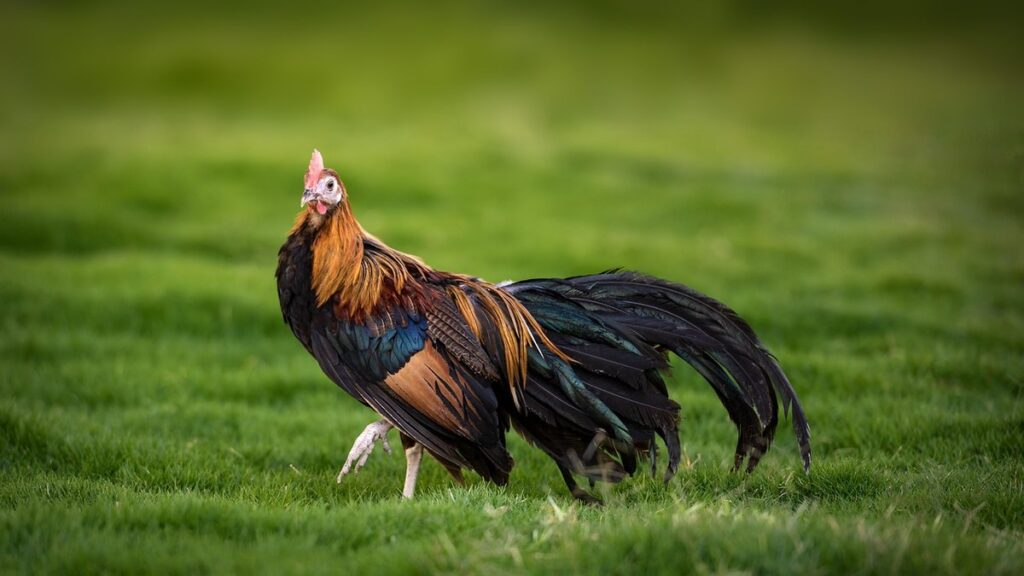
In terms of plumage, the Phoenix rooster is known for its stunning beauty, featuring a rich, iridescent sheen that shimmers in shades of gold, copper, and bronze. The feathers are long and flowing, with a subtle curl at the tips, giving the bird an elegant appearance.
The beak shape is also distinctive, being slightly curved and tapering towards the tip. The comb type should be large and single, adding to the overall grandeur of the rooster’s appearance.
In terms of temperament, Phoenix roosters are known for their friendly and docile nature, making them a great choice for backyard flocks. However, they can be quite assertive when it comes to defending their territory or mates, so it’s essential to socialize them well from an early age.
Raising and Caring for a Phoenix Rooster
Raising a phoenix rooster requires careful attention to its unique needs, from specialized housing to feeding strategies that promote optimal health. We’ll walk you through these essential considerations together.
Choosing the Right Environment
When it comes to raising a majestic Phoenix rooster, providing an ideal environment is crucial for its well-being and happiness. As these birds are known for their energetic and adventurous nature, they require ample space to roam and exercise.
A minimum of 10 square feet per bird is recommended for indoor housing, but if you’re planning to keep your Phoenix rooster outdoors, a larger fenced area or a securely enclosed run would be ideal. Consider a climate that’s suitable for your region – Phoenix roosters can tolerate temperatures between 40°F and 90°F (-40°C to 32°C), but extreme heat or cold can be detrimental.
Proper shelter is also essential to protect your bird from harsh weather conditions, predators, and drafts. A sturdy coop with adequate ventilation, bedding, and nesting boxes will keep your rooster comfortable and secure. Don’t forget to provide a balanced diet that includes high-quality commercial feed, fresh fruits, and vegetables to ensure optimal health.
Feeding and Nutrition
When it comes to feeding and nutrition for your majestic Phoenix rooster, you’ll want to ensure that he’s getting a balanced diet that meets his unique needs. As a large breed chicken, Phoenix roosters require more protein and calories than smaller breeds, so their diet should reflect this.
A good starting point is to provide high-quality commercial poultry feed as the main staple of your rooster’s diet. Look for feeds specifically formulated for large breeds or game birds, which will typically contain around 16-18% protein. You can also supplement with fresh fruits and vegetables daily, such as leafy greens like kale and spinach, or juicy treats like apples and carrots.
In terms of feeding schedules, it’s best to divide your rooster’s daily ration into two meals: one in the morning and one in the evening. This will help prevent overeating and ensure he stays hydrated throughout the day. Also, consider adding a calcium supplement to his diet, especially if you notice any signs of weakness or brittle feathers.
It’s also worth noting that Phoenix roosters are prone to kidney stones due to their genetic makeup, so ensuring they get enough water intake is crucial. Provide fresh water at all times and make sure it’s easily accessible to your rooster.
Health Considerations
When keeping a phoenix rooster as a pet, it’s essential to consider their specific health needs, which can vary depending on factors such as climate and living conditions. We’ll cover common health concerns to watch out for.
Common Health Issues
As with any chicken breed, the Phoenix rooster is not immune to health issues. Respiratory problems are common, particularly during hot summer months when dust and heat can exacerbate conditions like bronchitis and pneumonia. Be sure to provide a clean, dry living space for your birds, with adequate ventilation.
Another issue that may affect Phoenix hens (not roosters) is egg-laying disorders, such as ovotesticular dysgenesis or reproductive tract problems. Regular health checks can help identify any issues early on. Marek’s disease, a viral condition caused by the herpesvirus, can also be a concern in young birds. This can lead to symptoms like depression, weight loss, and vision problems.
To mitigate these risks, work with a reputable breeder who prioritizes flock health and takes steps to prevent outbreaks. Vaccination protocols, sanitation practices, and nutritional balance are all key components of maintaining a healthy flock.
Preventative Measures and Care
As a responsible phoenix chicken rooster owner, maintaining your bird’s health is crucial to ensure its longevity and well-being. Vaccination protocols are essential to protect against diseases such as Marek’s disease, avian influenza, and infectious bronchitis. Consult with a veterinarian to determine the best vaccination schedule for your rooster based on factors like age, breed, and location.
Parasite control is another critical aspect of preventative care. Regularly check your rooster for signs of mites, lice, or fleas, and use a suitable treatment if necessary. Keep an eye out for symptoms such as excessive preening, feather loss, or unusual behavior. Clean the coop thoroughly at least once a week to prevent bacterial and fungal growth.
Hygiene practices are vital in maintaining your rooster’s health. Wash your hands before handling the bird, and ensure the coop is well-ventilated to reduce moisture buildup. Provide a balanced diet rich in nutrients, and fresh water at all times. Regularly inspect the rooster for any signs of illness or injury, and seek veterinary attention promptly if you notice anything unusual. By implementing these preventative measures, you’ll be able to keep your majestic phoenix chicken rooster healthy and thriving.
Breeding and Genetics
Understanding the genetic makeup of the majestic phoenix chicken rooster is crucial for breeders, so let’s dive into its breeding and genetics. This section will explore the unique characteristics that define this bird.
Selective Breeding Practices
Selective breeding practices are a crucial aspect of developing and refining the Phoenix chicken breed. Experienced breeders identify desirable traits such as vibrant plumage colors, impressive comb size, and robust egg-laying abilities. To create new lines with these characteristics, breeders use a combination of traditional methods and scientific techniques.
Breeders begin by selecting birds with exceptional traits and breeding them with others that exhibit complementary features. For instance, if a rooster has stunning golden plumage but lacks impressive comb size, breeders might pair him with a hen whose combs are large but whose feathers lack luster. This process is repeated over multiple generations to gradually refine the desired characteristics.
Through selective breeding, Phoenix roosters have evolved into majestic creatures with unique physical attributes and remarkable abilities. Breeders must carefully monitor each generation’s traits, making adjustments as needed to avoid over-emphasizing any one characteristic. By balancing genetics with instinct and adaptability, breeders create thriving flocks that showcase the breed’s versatility.
Understanding Rooster Genetics
Genetics play a crucial role in determining the characteristics of our majestic Phoenix chicken rooster. Understanding these principles is essential for breeders and enthusiasts who aim to produce high-quality birds with desirable traits. At its core, genetics revolves around two key concepts: dominance and recessiveness.
Dominance refers to the expression of a trait when an individual has one copy of a dominant gene. For instance, if a Phoenix rooster inherits a single copy of the silver feathering gene, it will express this trait even if it also carries a gene for golden feathers. Recessiveness, on the other hand, requires two copies of a recessive gene to be expressed. Breeders can exploit these principles by selectively breeding individuals with desirable traits.
Genotype-phenotype interactions are another critical aspect of genetics. A rooster’s phenotype (physical characteristics) is influenced by its genotype (genetic makeup). Knowing how specific genes interact with each other and the environment allows breeders to predict outcomes and make informed decisions when selecting breeding stock.
Showing and Exhibiting
When it comes to showcasing your majestic phoenix rooster, there are several key factors to consider when deciding whether to exhibit at a show. This can be a thrilling experience for both you and your bird!
Show Rules and Regulations
When showing a Phoenix rooster at poultry exhibitions, it’s essential to familiarize yourself with the breed standards and judging criteria. The American Bantam Association (ABA) and the American Poultry Association (APA) are two prominent organizations that govern the rules for exhibiting Phoenix chickens.
According to ABA breed standard, Phoenix roosters should have a clean, rounded body shape, with a deep breast and well-set tail. They should also display a glossy black plumage with an iridescent sheen, particularly on their neck and hackles. APA breed standard emphasizes the importance of having a symmetrical beak, which is straight and even in length.
Judging criteria for Phoenix roosters typically include conformation, feather quality, size, and type. To increase your chances of winning, ensure your rooster meets all these standards. When preparing for an exhibition, check with the specific show’s rules regarding entry requirements, submission forms, and fees.
It is also crucial to note that each show may have its unique set of rules, so it is essential to verify the information prior to participating in any event.
Tips for Success in the Show Ring
When it’s time to put your majestic Phoenix rooster in the show ring, you want to make sure he’s looking and feeling his absolute best. Preparation is key, so let’s dive into some essential tips for success.
First things first, grooming is crucial. Start by ensuring your rooster has a clean, shiny coat through regular dust baths and careful feather maintenance. Pay particular attention to the tail feathers, as these are often judged in poultry shows. You can also use a soft-bristled brush or a gentle detangling spray to keep his plumage looking its best.
In addition to physical preparation, it’s equally important to focus on behavioral and mental conditioning. Socialize your rooster extensively to new environments, people, and other animals to help him remain calm under pressure. Reward good behavior with treats and praise, and avoid any potential stressors in the lead-up to the show.
This may also be a good time to practice “walking” your rooster on a leash or into his crate, making it easier for handlers to move him around the show grounds without undue fuss.
Frequently Asked Questions
Can I mix Phoenix roosters with other breeds to create new offspring?
While it’s technically possible, mixing the Phoenix breed with others can dilute its unique characteristics and potentially compromise its quality. If you’re interested in breeding, it’s essential to research the genetic implications of cross-breeding and understand how it may impact your birds’ health, appearance, and temperament.
What are some common health issues I should watch out for in my Phoenix rooster?
As with any breed, health concerns can arise due to genetics, environment, or management. Common issues include respiratory problems, feather pecking, and reproductive issues. Regular veterinary check-ups, a balanced diet, and maintaining a clean living environment can help mitigate these risks.
How do I know if my Phoenix rooster is truly a purebred?
To verify your bird’s authenticity, ensure you purchase from a reputable breeder who provides documentation, such as registration papers or breed certification. You can also consult with experienced breeders, poultry associations, or conduct genetic testing to confirm its purity and lineage.
Can I raise a Phoenix rooster in a small backyard coop, or do they require specialized housing?
While Phoenix roosters are majestic birds, they don’t necessarily demand extravagant living arrangements. However, their size and temperament may necessitate more space than average breeds. Ensure your coop provides adequate room for exercise, comfort, and socialization to meet the needs of this impressive breed.
What specific characteristics should I look for when selecting a Phoenix rooster for breeding or showing?
When choosing a Phoenix rooster for exhibiting or breeding, focus on its size, plumage quality, head shape, comb structure, and overall appearance. Consider factors like beak length, shank color, and feather texture to ensure the bird meets breed standards.