
If you’re considering adding some excitement to your backyard flock, you might want to consider getting your hands on a Phoenix Rooster chicken. This unique breed boasts impressive characteristics that make them stand out from other roosters. With their striking appearance and energetic personalities, it’s no wonder many chicken enthusiasts are looking to bring a little extra flair to their farm or homestead.
But before you rush out to add a Phoenix Rooster to your flock, there are some essential things you need to know. From breeding tips to care instructions, this article will provide expert advice on integrating these birds into your existing flock and ensuring they thrive in their new environment. Whether you’re an experienced poultry owner or just starting out, we’ll cover the key needs and characteristics of Phoenix Rooster chickens to help you make informed decisions about bringing them home.
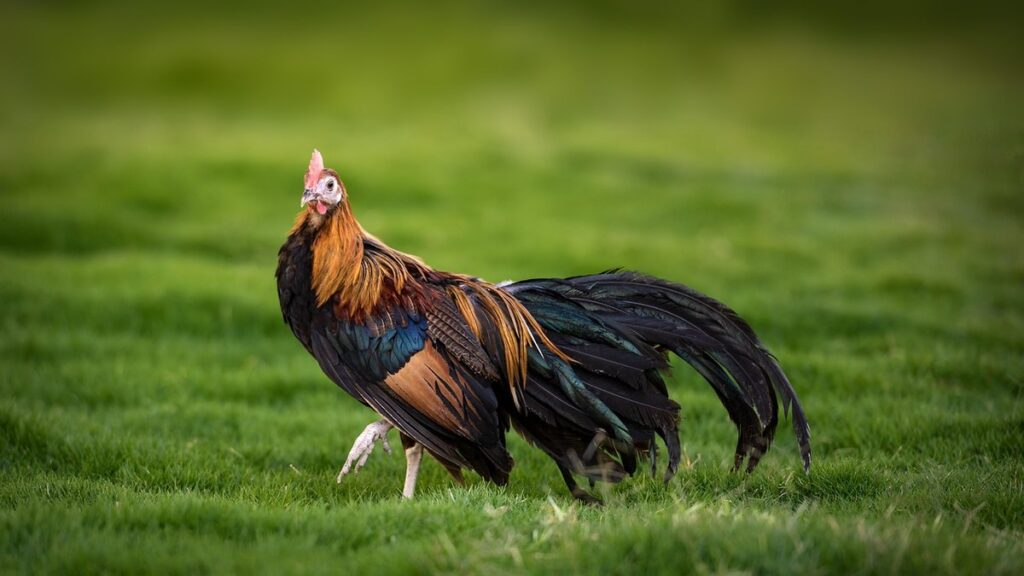
What is a Phoenix Rooster Chicken?
If you’re curious about these striking birds, let’s start by exploring what makes them so unique and interesting: their history and origins as an ornamental breed.
Origins and History of the Breed
The phoenix rooster chicken breed has its roots deeply embedded in the rich history of poultry development in both Europe and Asia. The exact origin is unclear, but it’s believed that the breed was developed from a combination of European and Asian fowl, with the goal of creating a hardy and majestic bird.
In Europe, particularly in the UK, the phoenix rooster chicken was bred as part of the early poultry development programs aimed at producing high-quality game birds. The breed was prized for its striking appearance, impressive comb size, and robust constitution. To achieve these desired traits, European breeders crossed native game birds with imported Asian breeds, resulting in a distinctive and resilient fowl.
In Asia, particularly in China, the phoenix rooster chicken has been selectively bred over centuries to emphasize desirable characteristics such as vibrant plumage, striking feather patterns, and imposing size. The breed was often kept for its ornamental value, with some owners valuing it for its regal appearance and majestic bearing. By studying the historical development of the phoenix rooster chicken in both Europe and Asia, we can gain a deeper appreciation for this unique and captivating bird.
The phoenix rooster chicken’s blend of European and Asian traits has made it an attractive choice for modern backyard breeders and enthusiasts looking to add some exotic flair to their flocks. With its rich history and impressive characteristics, it’s no wonder why the phoenix rooster chicken remains a popular choice among poultry aficionados worldwide.
Physical Characteristics of the Phoenix Rooster
A phoenix rooster chicken is a striking bird with distinct physical characteristics that set it apart from other breeds. One of its most notable features is its impressive size, which can range from 8 to 12 pounds (3.6 to 5.4 kg), making it a sizable addition to any backyard flock. The plumage of the phoenix rooster is another defining characteristic, with a sleek, smooth coat that comes in a variety of colors including red, gold, and silver.
The comb shape of the phoenix rooster is also quite unique, with a flat, rounded top and sturdy, curved edges that give it a distinctive appearance. A well-groomed phoenix rooster will have its feathers and comb in good condition, which can be achieved by regularly cleaning the coop and providing a balanced diet. For example, making sure your bird gets enough protein and vitamins will help keep its plumage looking healthy and vibrant.
The size and plumage of the phoenix rooster also make it an impressive sight to behold, with some owners even showing off their birds at local poultry shows.
Key Characteristics of the Phoenix Rooster Chicken
So, you’re curious about what makes the Phoenix Rooster Chicken a unique breed? Let’s dive into its key characteristics that set it apart from other chicken breeds.
Temperament and Personality
When it comes to temperament and personality, Phoenix Rooster Chickens are known for being quite charming. They’re often described as friendly and docile, making them a great choice for families with children or for those who want a laid-back pet. However, it’s essential to note that individual personalities can vary, just like in any breed of chicken.
One notable characteristic is their relatively low noise level compared to other rooster breeds. They’re not as vocal and are more likely to make soft clucking sounds than loud crowing noises. If you’re a city dweller or live in an area with noise restrictions, this could be a significant advantage. In terms of handling, Phoenix Roosters are generally quite tame and enjoy human interaction.
If you plan on raising one as a pet, be prepared to spend some time socializing them from a young age. This will help them become more confident and affectionate towards people. With proper care and attention, your Phoenix Rooster can make a wonderful companion and add a unique touch to your backyard flock.
Egg-Laying Ability and Broodiness
When it comes to egg-laying ability and broodiness, Phoenix rooster chickens are a bit of an enigma. While they are primarily bred for their stunning appearance and impressive comb size, they do lay eggs – albeit not as frequently or abundantly as other breeds.
On average, a healthy Phoenix rooster chicken will lay around 200-220 brown eggs per year, with some individuals producing more depending on factors such as diet, health, and living conditions. It’s worth noting that, unlike hens, roosters do not have the ability to incubate eggs or care for chicks, so egg-laying is their sole contribution to reproduction.
In terms of broodiness, Phoenix rooster chickens are relatively low-broody compared to some other breeds. This means they will occasionally exhibit a desire to sit on and hatch eggs, but it’s not a frequent occurrence. If you’re planning to breed or raise Phoenix roosters for egg production, keep in mind that their limited broodiness may be beneficial, as it reduces the likelihood of them devoting too much energy to incubation rather than laying more eggs.
Foraging and Feeding Habits
When it comes to foraging and feeding habits, Phoenix Roosters are known to be opportunistic and adaptable. They thrive in environments where they can freely roam and forage for food, making them a great choice for backyard farmers or homesteaders with large plots of land.
In the wild, Phoenix Roosters will scavenge for seeds, grains, fruits, and insects, making use of whatever is available to them. However, if you’re keeping them in a controlled environment, it’s essential to provide a balanced diet that meets their nutritional needs. A high-quality layer feed or a mix of grains, such as oats and barley, should be supplemented with fresh fruits and vegetables daily.
It’s also important to note that Phoenix Roosters have a natural tendency to forage for food early in the morning and late in the afternoon. Providing them with access to a secure outdoor area during these times will not only keep them happy but also ensure they get enough exercise and mental stimulation. By understanding their feeding requirements and adapting your approach accordingly, you can help your Phoenix Roosters live a long, healthy, and fulfilling life.
Breeding Phoenix Rooster Chickens: Tips and Considerations
Breeding Phoenix rooster chickens requires careful consideration of genetics, environment, and health to produce high-quality offspring. Let’s explore the key factors to keep in mind when raising these beautiful birds.
Choosing a Breeder or Starting Your Own Flock
When it comes to breeding Phoenix rooster chickens, you have two main options: purchasing from a reputable breeder or starting your own flock. Both methods come with their pros and cons, which we’ll explore below.
Raising your own flock allows for complete control over the breeding process, ensuring that your birds meet specific standards. This approach also enables you to pass on knowledge and skills to family members or apprentices. However, starting a flock from scratch requires significant initial investment in infrastructure, feed, and veterinary care. Moreover, selecting suitable stock can be daunting without experience.
Working with a reputable breeder saves time and resources while guaranteeing access to high-quality birds. Established breeders have refined breeding programs, providing consistency in genetics and temperament. They often offer expert advice on husbandry and flock management. Nevertheless, costs may be higher than raising your own flock, and you’ll need to commit to purchasing birds from a specific breeder.
Ultimately, the decision between buying from a breeder or starting your own flock depends on your breeding goals, resources, and level of expertise. Consider factors like the number of offspring needed, available space, and willingness to invest time in learning about poultry management.
Important Factors to Consider When Selecting Sire and Dam
When selecting breeding stock for Phoenix rooster chickens, there are several key characteristics to look for in both sire and dam. Genetics play a crucial role in determining the quality and temperament of the offspring, so it’s essential to choose parents with desirable traits.
In terms of genetics, look for birds that exhibit the desired color pattern, feather type, and comb shape specific to the Phoenix breed. Research the lineage of your potential breeding stock to ensure they have been bred true to form and do not carry any genetic defects or undesired characteristics.
Conformation is also vital when selecting sire and dam. Ensure both parents have a well-balanced and sturdy body type, with proper proportions for their size. A rooster’s comb should be large and well-developed, while the hen’s should be smaller but still prominent. Look for birds with clean legs and feet, free of any blemishes or deformities.
When evaluating conformation, consider factors such as posture, stride length, and overall movement. A bird that is awkward in its movements may pass on undesirable traits to its offspring. By carefully selecting breeding stock based on genetics and conformation, you can increase the chances of producing high-quality Phoenix rooster chickens with desirable characteristics.
Caring for Phoenix Rooster Chickens: Health, Nutrition, and Housing
To keep your phoenix rooster chicken healthy and thriving, it’s essential to provide proper care, including a balanced diet, clean living space, and regular health checks. Here are some key considerations for their overall well-being.
Nutritional Needs and Dietary Requirements
When it comes to caring for your Phoenix rooster chickens, providing them with the right nutritional needs is crucial. This breed requires a balanced diet that meets their specific protein, vitamin, and mineral requirements.
A study by the University of California found that Phoenix roosters have a higher energy requirement than other chicken breeds due to their rapid growth rate and high metabolisms. To meet this need, it’s essential to provide them with a diet rich in protein (at least 16% on a dry matter basis) and moderate in calcium (around 1-2% of the total diet). You can achieve this by feeding them a mix of grains such as oats, barley, and wheat, along with legumes like beans and peas.
Phoenix roosters also require adequate levels of vitamins A, D, and E to maintain their overall health. Ensure that your layer feed or supplement contains these essential nutrients to support their immune system and prevent diseases. Moreover, provide fresh fruits and vegetables daily to ensure a varied diet rich in fiber, vitamins, and minerals. Consider consulting with a veterinarian or poultry expert to determine the best feeding schedule for your Phoenix roosters.
Health Issues Common in Phoenix Roosters
As you care for your Phoenix rooster chickens, it’s essential to be aware of potential health issues that may affect this breed. One common problem is respiratory issues, which can be triggered by the heat and dryness typical of Phoenix’s desert climate. Prolonged exposure to extreme temperatures can cause irritation in the air sacs, leading to coughing and difficulty breathing.
Mites are another concern for Phoenix roosters. These tiny parasites feed on the blood of chickens, causing discomfort and stress. Regular checks for mites and other external parasites are crucial, especially during hot summer months when these pests thrive. To prevent infestations, make sure your coop is well-ventilated, clean, and free from debris.
Other health issues to watch out for include fungal infections, which can develop in damp environments, and beak trimming or damage due to excessive pecking. Monitoring your birds’ behavior, appetite, and overall health will help you catch any problems early on. Regular veterinary check-ups are also a good idea to ensure the well-being of your Phoenix rooster flock.
Tips for Integrating Phoenix Rooster Chickens into Your Flock
Integrating a new rooster into your existing flock can be a challenge, so here are some valuable tips to help you introduce Phoenix Roosters smoothly and peacefully. With these guidelines, you’ll set your birds up for success.
Introducing New Birds to an Existing Flock
When introducing new birds to an existing flock, it’s essential to do so gradually and carefully to minimize stress and conflict. A sudden introduction can lead to aggression from dominant birds, especially roosters like the Phoenix Rooster Chicken.
To avoid this, start by keeping the new bird(s) separate from the main flock for a few days or even weeks before introducing them. This allows you to monitor their behavior, health, and temperament without the pressure of integrating them into an existing group.
When it’s time for introduction, choose a neutral location with plenty of space and resources where both groups can coexist peacefully. Start by allowing them to see and sniff each other through fencing or screening before releasing them together under close supervision. Reward calm behavior with treats to encourage positive interactions.
If introducing multiple birds at once, consider doing it one pair or group at a time to prevent overwhelming the flock. Monitor their behavior closely for signs of stress or aggression, and be prepared to separate the birds if necessary. With patience and careful planning, you can create a harmonious environment for your Phoenix Rooster Chicken and other birds in the flock.
Managing Dominance Hierarchy and Pecking Order
When integrating a phoenix rooster into an existing flock, establishing a harmonious pecking order can be challenging. Roosters, especially dominant ones like the phoenix breed, require careful management to avoid conflicts and ensure a peaceful environment.
To maintain a stable hierarchy, separate the new addition from the main flock for a few days to allow them to get familiar with each other’s scent, sounds, and visual presence. This separation phase can be critical in reducing stress and aggression upon reintroduction.
When reintroducing the phoenix rooster, do it gradually by letting them interact under close supervision. Start with short sessions, observing their behavior, and rewarding calmness with treats. If you notice any signs of aggression or fear, intervene promptly by separating them again and restarting the process from scratch.
Conclusion: Benefits and Drawbacks of Raising Phoenix Rooster Chickens
Now that you’ve learned all about phoenix roosters, it’s time to weigh the pros and cons of raising these unique birds in your backyard. Here are some key benefits and drawbacks to consider.
Final Thoughts on the Breed’s Pros and Cons
Raising Phoenix rooster chickens can be a rewarding experience for backyard chicken keepers and breeders alike. As we’ve explored throughout this ultimate guide, these birds offer a unique combination of characteristics that make them an attractive choice for many poultry enthusiasts.
On the plus side, Phoenix roosters are known for their impressive size, striking plumage, and friendly demeanor, making them a great addition to any flock. They’re also prolific breeders, capable of producing large numbers of chicks with ease. In terms of meat production, their high-quality protein and tender flesh make them an excellent choice for those looking to raise roosters for the table.
However, it’s essential to consider the drawbacks as well. Phoenix roosters can be quite loud and dominant in the flock, which may not be suitable for smaller or more docile breeds. Their large size also requires ample space and care to ensure they remain healthy and happy. By weighing these pros and cons, you’ll be better equipped to decide whether Phoenix rooster chickens are right for your needs and preferences.
Additional Resources for Further Learning
If you’re interested in delving deeper into the world of phoenix rooster chickens, there are numerous resources available to help you further your knowledge. For those looking for a more comprehensive understanding of the breed’s characteristics and care requirements, I highly recommend checking out “The Chicken Health Handbook” by Gail Damerell and Marc D. Kraus.
This thorough guide covers various aspects of chicken health, including nutrition, parasite control, and disease prevention – all crucial topics when it comes to raising phoenix rooster chickens. You can also find valuable insights on breeding and genetics in “Storey’s Guide to Raising Chickens” by Gail Damerell.
Online forums such as BackYard Chickens and The Chicken Forum are excellent resources for connecting with other chicken enthusiasts who share your passion for the breed. These communities offer a wealth of knowledge, experiences, and advice from seasoned chicken keepers – making them perfect places to ask questions, seek guidance, or simply learn from others.
Additionally, websites like The Phoenix Rooster Club and Avian Breeders Association provide detailed information on breeding standards, genetics, and temperament, allowing you to better understand the unique characteristics of this fascinating breed. By exploring these resources, you’ll be well-equipped to make informed decisions about raising phoenix rooster chickens in your backyard or on a larger scale.
Frequently Asked Questions
Can I breed Phoenix Rooster chickens with other breeds to create a new flock?
Yes, breeding Phoenix Roosters with other breeds can be a great way to introduce unique characteristics to your flock. However, it’s essential to research the genetics and compatibility of the two breeds before attempting any crossbreeding. This will help you avoid potential health issues or diluting the desirable traits of either breed.
How do I manage dominance hierarchy and pecking order when introducing a Phoenix Rooster to my existing flock?
When introducing a new rooster, it’s crucial to establish clear pecking order to prevent stress and aggression within your flock. You can introduce them gradually, starting with visual introductions, then separate feeding areas, and finally allowing them to interact under close supervision.
Can Phoenix Roosters be used for egg production or are they primarily ornamental?
While the primary focus of Phoenix Rooster chickens is their striking appearance, many breeders have reported moderate egg-laying capabilities, especially when combined with other breeds. However, expect an average of 100-150 eggs per year, which may not make them ideal for large-scale commercial egg production.
How do I ensure my Phoenix Roosters receive the necessary nutrition and care to prevent health issues?
Providing a balanced diet rich in protein, calcium, and essential vitamins is crucial for maintaining your Phoenix Rooster’s overall health. Ensure access to clean water, adequate shelter, and regular vaccinations or deworming treatments as needed. Regular health checks by a veterinarian will help identify any potential issues early on.
Can I start with just one Phoenix Rooster, or do they require multiple birds?
Phoenix Roosters are social animals that thrive in the company of their own kind. We recommend keeping at least two to three roosters together for companionship and reducing stress. However, be cautious not to overcrowd your coop, as this can lead to increased competition and aggression among birds.