
Are you looking for a unique and fascinating addition to your backyard or farm? Look no further than the Pilgrim goose breed! With their rich history dating back to the 19th century, this breed has been prized for its stunning appearance and impressive temperament. But what exactly makes a Pilgrim goose so special? In this comprehensive guide, we’ll delve into the world of Pilgrim geese, covering everything from their physical characteristics and breeding requirements to their health considerations and overall temperament.
Whether you’re an experienced breeder or just starting out, this article will provide you with all the information you need to get started. We’ll explore the history behind this beloved breed, discuss its strengths and weaknesses, and offer expert advice on how to care for your Pilgrim geese. So if you’re ready to learn more about this remarkable bird, keep reading!
History and Origins
Let’s take a step back and explore the fascinating origins of the Pilgrim goose breed, tracing its roots to its early beginnings. This journey will reveal how it became one of the most beloved breeds among waterfowl enthusiasts.
Early Beginnings: The Pilgrim’s Ancestry
The Pilgrim goose breed has a rich history that spans centuries, with its origins dating back to the early 19th century. To understand where this breed came from, we need to look at its ancestry. The Pilgrim is believed to be a descendant of the Shetland and Embden geese, two popular breeds imported from Europe.
These European breeds were highly valued for their exceptional egg-laying abilities and robust nature. They were often crossed with local breeds in the United States to create new and improved varieties. The result was a hardy, medium-sized goose that excelled in both temperament and productivity.
The Pilgrim breed’s development is largely attributed to its early introduction in North America, where it quickly gained popularity among farmers and homesteaders due to its easy-going nature, adaptability, and high-quality eggs. In fact, the Pilgrim was once considered one of the leading breeds for commercial egg production, with some farms reporting average daily yields of up to 75 eggs per hen.
If you’re considering adding a Pilgrim goose to your flock, understanding their heritage will help you appreciate their unique characteristics and needs. By acknowledging the breed’s ancestry, you can better prepare yourself for the joys and challenges that come with owning these incredible birds.
From Europe to America: The Pilgrim’s Journey Across the Atlantic
As we delve into the world of the Pilgrim goose breed, it’s essential to understand their origins and the incredible journey that brought them to America. The Pilgrims, a group of English Separatists seeking freedom from persecution, set sail for North America on the Mayflower in 1620. This perilous crossing would mark the beginning of a new era for these brave travelers and their feathered friends.
The Pilgrims arrived in Plymouth, Massachusetts, where they encountered an unfamiliar landscape and climate. To establish a sustainable food source, they were introduced to various local birds, including geese. The hardy and resourceful geese quickly became an integral part of the Pilgrims’ lives. They not only provided a reliable source of meat but also helped control pests and weeds on their farms.
It’s believed that the geese accompanying the Pilgrims on their journey were likely White Chinese Geese or Embdens, both popular breeds in Europe at the time. These birds would eventually become a staple of American agriculture and continue to thrive as part of the Pilgrim goose breed we know today.
Physical Characteristics and Breed Standards
When it comes to identifying a Pilgrim Goose, understanding its physical characteristics is crucial. Here, we’ll break down the breed standards that distinguish a Pilgrim from other waterfowl.
Size and Weight
When it comes to size and weight, the Pilgrim goose breed is relatively compact compared to other breeds. On average, a male Pilgrim goose will weigh between 6-8 pounds (2.7-3.6 kg), while females typically tip the scales at around 5-7 pounds (2.3-3.2 kg). These dimensions make them an excellent choice for small farms or backyard flocks.
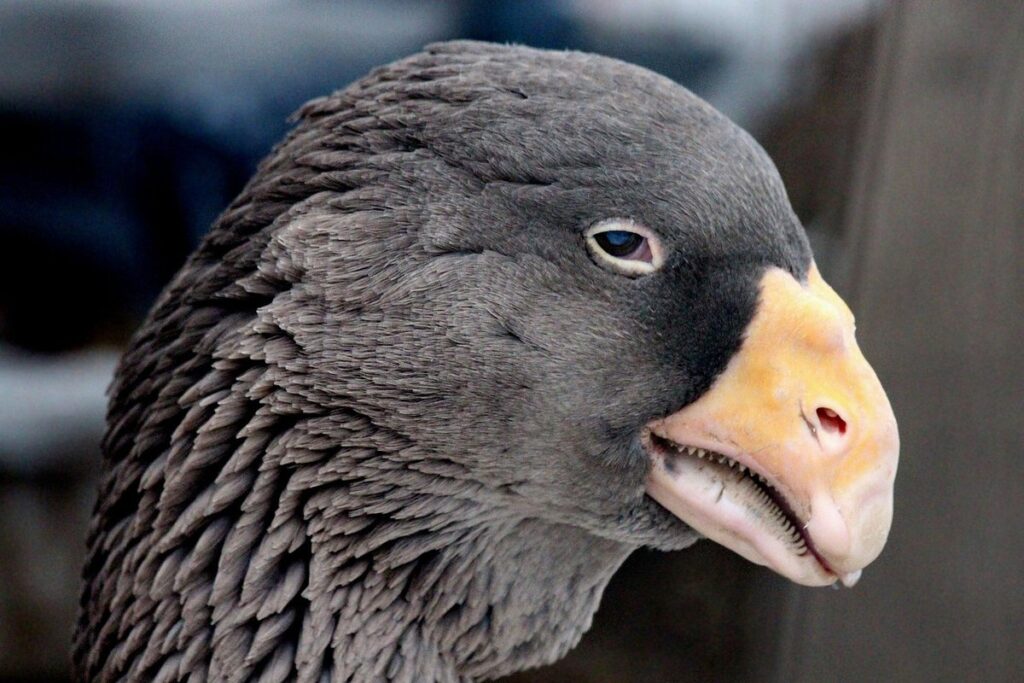
In terms of height, Pilgrims are known to reach heights of approximately 24-28 inches (61-71 cm) at the shoulder, with a sturdy build that’s well-suited to their medium-sized size. When it comes to overall appearance, Pilgrims boast a clean white coat with small orange patches around the beak and neck, giving them a unique and eye-catching look.
As you’re considering adding Pilgrim geese to your flock, keep in mind that these birds are relatively easy to manage due to their moderate size. However, it’s essential to provide them with adequate space for exercise and foraging – at least 10 square feet per bird is recommended. With proper care and attention, Pilgrims can thrive in a variety of settings, making them an attractive choice for many poultry enthusiasts.
Plumage and Feathering
The Pilgrim goose breed is renowned for its striking plumage, which makes it a favorite among waterfowl enthusiasts. The coloration of their feathers is one of the most distinctive characteristics of this breed. Pilgrims typically display a range of colors, including white, buff, and various shades of gray. The exact pattern can vary, but some birds may exhibit a mix of these colors or subtle markings.
The texture of their feathers is another notable feature of the Pilgrim breed. They tend to have relatively soft, smooth plumage that lies flat against the body. This unique texture helps to enhance their overall appearance and makes them more aesthetically pleasing in flight or when standing still.
When it comes to feathering, Pilgrims often exhibit a clean line between their neck feathers and body feathers. This distinct demarcation adds to their visual appeal and sets them apart from other goose breeds. Overall, the combination of coloration, texture, and distinctive feathering patterns makes the Pilgrim’s plumage truly one-of-a-kind.
Temperament and Personality
When it comes to Pilgrim geese, their temperament and personality are just as unique as they are endearing. Let’s dive into what makes them such charming companions.
Family-Friendly: The Pilgrim Goose as a Companion Animal
If you’re considering bringing home a Pilgrim goose as a family pet, you’ll be pleased to know that this breed is well-suited for family life. The Pilgrim’s friendly and outgoing nature makes them an excellent choice for families with children. They are highly social birds that thrive on interaction and attention, so they will love being around your family members.
One of the key characteristics of the Pilgrim goose is their gentle disposition. They are not aggressive or flighty like some other breeds, making them a great fit for homes with small children. Pilgrims are also relatively quiet, which can be a plus for families who live in close proximity to neighbors.
To introduce a Pilgrim goose into your family’s routine, start by setting aside dedicated time each day for interaction and training. Be prepared to spend at least an hour or two per day engaging with your bird, whether that’s through playtime, feeding, or simply cuddling. With patience and consistent attention, your Pilgrim will quickly become a beloved member of the family.
Socialization and Training
Socialization is crucial for young Pilgrim goslings to become confident and calm adult birds. This process should start from an early age, ideally within the first few weeks of their lives. It’s essential to expose them to various environments, people, and situations to help them develop good temperaments.
Introduce your Pilgrim gosling to different textures, sounds, and visual stimuli to ensure it becomes comfortable in new situations. For instance, let it explore a cardboard box or play with toys filled with different materials like sandpaper or beads. This will help desensitize the bird to potential threats and make it more receptive to handling.
Training your Pilgrim goose is also vital for its well-being and safety. Teach it basic commands like “come” and “stay” using positive reinforcement techniques, such as treats and praise. Consistency and patience are key when training a Pilgrim goose; set aside dedicated time each day for this process.
When interacting with your Pilgrim goose, remember to move calmly and speak softly to avoid startling it. Be gentle but firm when handling the bird, making sure not to pick it up by its neck or legs. By following these tips and being committed to socialization and training, you can develop a strong bond with your Pilgrim goose and enjoy many years of companionship together.
Health Considerations and Grooming Needs
When it comes to caring for your Pilgrim geese, their health considerations and grooming needs are crucial aspects to keep in mind as a responsible owner. Regular attention will ensure they thrive.
Common Health Issues in Pilgrim Geese
Pilgrim geese are generally considered to be a hardy breed, but like all birds, they can be prone to certain health issues. One of the most significant genetic predispositions affecting Pilgrim geese is fatty liver hemorrhage syndrome, also known as angel wing. This condition occurs when a goose’s diet is too high in fat and protein, causing its liver to become enlarged and eventually rupture.
Environmental factors can also play a role in the health of Pilgrim geese. For example, cold stress can cause respiratory problems and other issues in these birds. As a result, it’s essential for Pilgrim goose owners to provide their birds with adequate shelter from wind and extreme temperatures.
To prevent health issues, it’s crucial to establish a balanced diet for your Pilgrim geese. A mix of grasses, grains, and fruits can help ensure that they get the nutrients they need without overloading them on fat and protein. Regular veterinary check-ups can also help identify potential problems early on, making it easier to address them before they become serious issues.
Some signs to watch out for in your Pilgrim geese include lethargy, loss of appetite, or difficulty breathing. If you notice any of these symptoms, consult with a veterinarian as soon as possible. By being proactive about their health and taking steps to prevent common issues, you can help ensure that your Pilgrim geese live long, happy lives.
Feeding and Nutrition: A Balanced Diet for Your Pilgrim Goose
A balanced diet is crucial for maintaining your pilgrim goose’s health and well-being. These birds have specific nutritional needs that must be met to prevent deficiencies and diseases. A good starting point is to provide a high-quality commercial goose feed as the main staple of their diet, supplemented with fresh fruits and vegetables.
When choosing a commercial feed, opt for one that contains around 18-20% protein levels, which are suitable for adult geese. You can also consider mixing in some grains like oats or barley to add variety and fiber content. A safe rule of thumb is to allocate about 2-3% of your goose’s body weight in food per day.
In terms of fresh produce, provide a mix of leafy greens like kale and spinach, as well as fruits such as apples and berries. Avoid giving citrus fruits or onions, which can be toxic to geese. It’s also essential to ensure access to clean water at all times, with a ratio of about 1:10 for every liter of drinking water per goose.
In addition to dietary needs, consider any specific health concerns your pilgrim goose may have. For example, if your bird is prone to obesity, you’ll need to limit its food intake and engage it in regular physical activity.
Breeding and Raising Pilgrim Geese
If you’re new to raising geese, learning how to breed and raise healthy Pilgrim geese is a crucial step in ensuring their well-being and success. In this section, we’ll walk you through the process of breeding and raising these beautiful birds.
Selecting a Breeder: Tips for Finding Reputable Suppliers
When purchasing Pilgrim geese or seeking breeding stock, it’s essential to find a responsible breeder who prioritizes the health and well-being of their birds. A reputable breeder will be transparent about the lineage, temperament, and health of their geese. Look for breeders who are registered with organizations such as the American Bantam Association (ABA) or the Waterfowl Breeders Association (WBA), which have strict standards for breeding and sales.
Before selecting a breeder, research their reputation by reading online reviews, asking for referrals from other Pilgrim goose owners, and checking for any certifications. A responsible breeder will also provide health guarantees and be willing to share information about the geese’s ancestry. Be wary of breeders who seem pushy or secretive about their birds’ history.
When visiting a breeder in person, observe the living conditions and temperament of the geese. Healthy Pilgrim geese should have bright eyes, clean feathers, and a lively demeanor. Don’t be afraid to ask questions and trust your instincts – if something seems off, it’s best to look elsewhere for breeding stock. By choosing a responsible breeder, you’ll be more likely to receive healthy, well-socialized Pilgrim geese that will thrive in their new home.
Caring for Your Ganderlings: Tips for Raising Healthy Goslings
Raising healthy goslings requires attention to their basic needs and environmental factors. Start by providing a safe and clean environment for them. Keep the brooder draft-free, at a temperature between 90-100°F (32-38°C), and maintain humidity levels around 50%. Feed the goslings a starter feed specifically formulated for waterfowl, supplemented with fresh vegetables and fruits daily.
Monitor their growth closely and ensure they have access to plenty of fresh water. Gently wash their beaks daily to prevent bacterial growth and promote good eye health. Keep the brooder well-ventilated but draft-free by placing it near a window or using an oscillating fan.
As goslings grow, gradually introduce them to outdoor enclosures under close supervision. Ensure they have access to sheltered areas for protection from extreme weather conditions and predators. Avoid separating siblings too early, as this can lead to behavioral problems in the future.
Provide a balanced diet that includes grit and calcium supplements to support strong bone development. Regularly inspect their droppings for signs of health issues and seek veterinary advice if you notice any unusual changes.
Conclusion: Bringing Home Your Very Own Pilgrim Goose
Now that you’ve learned everything there is to know about the Pilgrim Goose breed, it’s time to bring one home and experience its unique charm firsthand. Let’s explore what to expect when welcoming a Pilgrim Goose into your family.
Final Thoughts on the Joy of Keeping a Pilgrim Goose
As you’ve reached the end of this comprehensive guide to the Pilgrim goose breed, we hope that you’re now even more enthusiastic about bringing a member of this unique and charming flock into your life. Whether you’re an experienced poultry enthusiast or just starting out, the Pilgrim’s gentle nature, striking appearance, and impressive egg-laying abilities make it an excellent choice for anyone looking to add some variety to their backyard.
Throughout this article, we’ve highlighted key characteristics, habits, and requirements that are essential to understanding and caring for your Pilgrim goose. From their high fertility rate and adaptability in a range of environments to their friendly demeanor with humans and other animals, it’s clear why these geese have been a favorite among breeders and owners alike for generations.
As you consider bringing home a Pilgrim goose, remember that proper care is essential to ensuring their health and well-being. This includes providing adequate space to roam, a balanced diet, regular veterinary check-ups, and sufficient shelter from the elements. By doing your research and preparing a suitable environment, you’ll be well on your way to establishing a happy and harmonious relationship with your new feathered friend.
In our opinion, there’s no better time than now to bring home a Pilgrim goose. With their unique blend of charm, hardiness, and impressive productivity, we’re confident that these wonderful birds will quickly become an integral part of your family – and a treasured addition to your backyard. So what are you waiting for? Get in touch with local breeders or suppliers, do some more research on the best care practices, and get ready to experience the joy of owning a Pilgrim goose for yourself!
Frequently Asked Questions
Can I keep Pilgrim geese with other breeds of waterfowl?
Yes, Pilgrim geese are known to be social birds that thrive in the company of others, making them an excellent addition to a mixed-breed flock. However, it’s essential to introduce them slowly and under close supervision to ensure a smooth transition. With proper care and attention, they can live harmoniously alongside other breeds.
How do I determine the sex of my Pilgrim goslings?
Determining the sex of young Pilgrim geese can be challenging, as they appear similar in appearance until maturity. However, some experienced breeders use physical characteristics like the size and shape of the cloaca to estimate the sex. Alternatively, you can wait for them to reach 6-8 weeks old when their distinctive voice patterns will reveal their sex.
What are some common health issues that I should be aware of in Pilgrim geese?
Pilgrim geese are generally a healthy breed, but they may be prone to certain health issues like gout and bumblefoot. Regular veterinary check-ups, proper diet, and providing ample space for exercise can help prevent these conditions. Additionally, maintaining clean living quarters and monitoring their overall well-being will ensure your Pilgrims stay happy and healthy.
Can I keep Pilgrim geese in an urban backyard?
While Pilgrim geese are adaptable birds, they do require a significant amount of space to roam and exercise. If you’re considering keeping them in an urban setting, it’s crucial to ensure that you have at least 1/4 acre of land or more with adequate shelter and fencing to contain them. This will also help minimize potential noise complaints from neighbors.
How often should I clean the Pilgrim geese’s enclosure?
Pilgrim geese are prolific droppers of guano, so it’s essential to keep their living quarters spotless. Clean out the enclosure at least once a week, removing all waste and debris. This will not only maintain good hygiene but also prevent the buildup of bacteria and odors that can be detrimental to your birds’ health.