
If you’ve ever been to a farm or a market around Thanksgiving, chances are you’ve seen a Pilgrim Goose strutting its stuff. But did you know that this majestic bird has a rich history dating back centuries? The Pilgrim Goose is not just a symbol of the holiday season; it’s also an important part of our cultural heritage. In this article, we’ll delve into the fascinating world of the Pilgrim Goose, exploring its origins, characteristics, and the significance it holds in different cultures. We’ll cover everything from its historical uses to its breeding habits and conservation status, providing a comprehensive guide for anyone interested in learning more about this incredible bird. Whether you’re a seasoned poultry enthusiast or just curious about these amazing animals, keep reading to discover the many wonders of the Pilgrim Goose.
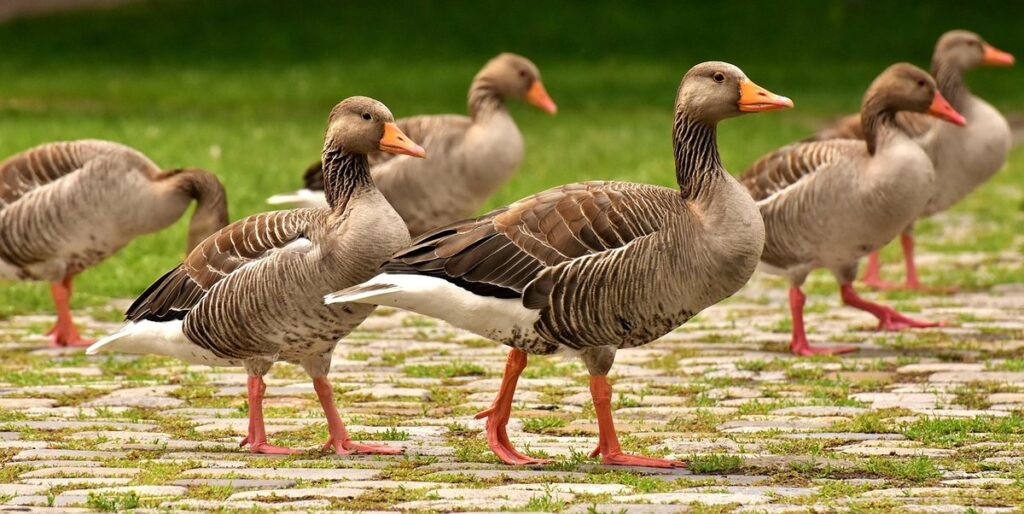
History of the Pilgrim Goose
The Pilgrim Goose has a rich and fascinating history, dating back centuries to its introduction by European settlers in North America. Let’s take a journey through time and explore how this bird became such an iconic part of American culture.
Origins and Introduction to Europe
The Pilgrim Goose’s journey to Europe began in the 17th century when European settlers arrived in North America. Initially, these birds were highly valued for their unique characteristics and utility. The Pilgrim Goose was first introduced to England by William Strachey, an English explorer who had encountered them in Virginia.
Upon arrival, these geese quickly gained popularity among local farmers due to their remarkable adaptability and ability to thrive in a variety of environments. They proved particularly useful as a source of meat, with their eggs also being prized for their rich flavor and nutritional value.
Reception was initially mixed, however; some viewed the Pilgrim Goose as an exotic novelty, while others saw them as pests. Despite these initial reservations, it wasn’t long before the Pilgrim Goose became a staple in many English farms. They were soon recognized for their exceptional intelligence, which made training relatively easy compared to other domesticated waterfowl species.
Early Domestication Efforts
The early domestication efforts of the Pilgrim Goose are an intriguing chapter in its history. As farmers and breeders sought to tame this wild bird, they encountered a mix of successes and challenges.
One of the earliest recorded attempts at domesticating the Pilgrim Goose dates back to the 17th century in Europe. Farmers observed that these geese were naturally inclined to follow their leaders, making them relatively easy to manage. However, their strong instinct for flight made it difficult to keep them contained. To overcome this challenge, farmers developed innovative enclosures with netting or wire mesh roofs to prevent escape.
Despite the initial setbacks, breeders persisted in their efforts. They soon discovered that by introducing a consistent food source and providing a safe haven, Pilgrim Geese could be trained to return to their enclosures voluntarily. This breakthrough led to more successful domestication attempts, with farmers beginning to establish thriving flocks on their estates.
However, it’s essential for modern-day breeders and enthusiasts to appreciate the trials faced by these pioneers. Understanding the history of Pilgrim Goose domestication can inform contemporary breeding practices and help us better appreciate the unique characteristics of this remarkable bird.
Historical Significance in European Agriculture
The Pilgrim Goose had a profound impact on European agriculture, contributing to significant changes in farming practices and economic effects. One of the most notable outcomes was the introduction of new crop rotation methods, which allowed for more efficient use of land and resources. This shift enabled farmers to grow a wider variety of crops, including wheat, oats, and barley, thereby increasing food production and reducing reliance on single-crop systems.
The Pilgrim Goose also played a crucial role in the development of specialized farming techniques. Its robust size and temperament made it an ideal breed for power-assisted plowing, which revolutionized agricultural labor. With the Pilgrim Goose’s help, farmers were able to till larger areas more efficiently, paving the way for greater yields and higher productivity.
The economic effects of the Pilgrim Goose on European agriculture were substantial. The increased food production led to a surplus, which in turn contributed to a decline in prices. This made high-quality produce more accessible to the general population, positively impacting local economies and social structures.
Characteristics and Uses
Now that we’ve explored the history of Pilgrim Geese, let’s dive into what makes them special: their characteristics and uses, which are as unique as they are valuable.
Physical Description and Breed Variations
The Pilgrim Goose is a domesticated waterfowl known for its distinctive appearance and unique characteristics. One of the most notable features of this breed is its size, which can range from 10 to 15 pounds (4.5 to 6.8 kg), making it a bit larger than other geese breeds.
In terms of plumage, Pilgrim Geese have a mix of white and brown feathers, often with a slight sheen to them. Their necks are long and slender, while their beaks are short and broad. The breed’s head is characterized by its prominent crown and red facial skin. However, it’s worth noting that some Pilgrim Goose breeds may have different markings or patterns on their feathers.
There are several recognized breeds of Pilgrim Geese, each with its own unique traits. For example, the American Pilgrim Goose has a more vibrant color pattern than the European breed, while the African Pilgrim Goose is known for its distinctive black and white stripes. When selecting a Pilgrim Goose, it’s essential to research the specific breed you’re interested in to determine which characteristics are most desirable.
Egg-Laying Ability and Quality
The Pilgrim Goose is known for its remarkable egg-laying ability, making it a popular choice among poultry enthusiasts and farmers. On average, a healthy Pilgrim Goose will lay around 120-150 eggs per year, with an average clutch size of 6-8 eggs per sitting. These eggs are relatively large, weighing in at around 90-110 grams, which is slightly larger than the average chicken egg.
One notable characteristic of Pilgrim Goose eggs is their excellent shell quality. The shells are strong and well-formed, with a smooth texture that makes them ideal for baking and cooking. This is due to the fact that Pilgrim Geese have a unique genetic makeup that allows them to produce high-quality eggs with minimal breakage.
In terms of egg-laying frequency, Pilgrim Geese tend to be moderate layers, peaking around 4-5 years of age. With proper care and nutrition, these geese can continue to lay well into their senior years, making them a reliable choice for small-scale farmers and backyard enthusiasts.
Meat Production and Flavor Profile
The Pilgrim Goose is not only a prized bird for its rich cultural history but also an excellent choice for meat production. When it comes to growth rate, the Pilgrim Goose has been found to grow at a moderate pace, taking around 12-14 weeks to reach full maturity. This makes it an ideal choice for farmers who want to balance growth with sustainability.
In terms of feed conversion ratios, the Pilgrim Goose is known to be efficient, converting around 1.5 pounds of feed into 1 pound of body weight. This compares favorably to other game birds, which can have feed conversion ratios as high as 2:1 or even higher.
The flavor profile of the Pilgrim Goose is also noteworthy. Its rich, savory taste is often described as a cross between a wild and domestic goose, with a subtle gaminess that’s hard to find in store-bought meats. To bring out the best flavors, chefs recommend cooking the Pilgrim Goose low and slow over an open flame or using traditional roasting techniques.
When cooking your Pilgrim Goose, be sure to save the carcass for stock-making – the bones are packed with rich collagen that will add depth and body to your soups and stews.
Breeding and Husbandry
When it comes to owning a Pilgrim Goose, understanding its specific breeding needs is crucial for ensuring the health and well-being of your feathered friend. In this next section, we’ll delve into the intricacies of Pilgrim Goose husbandry.
Selective Breeding Programs
Selective breeding programs have played a significant role in shaping the Pilgrim Goose into the breed we know today. These programs are designed to enhance desirable traits such as egg production and meat quality, making them an essential aspect of poultry farming.
When it comes to improving egg production, breeders focus on selecting individuals with high fertility rates, large clutch sizes, and efficient reproductive cycles. For instance, a study by the University of Agricultural Sciences in India found that Pilgrim Geese selected for improved egg production had a 20% increase in egg numbers compared to their unselected counterparts.
To implement effective selective breeding programs, breeders must carefully identify and select individuals with superior traits. This involves evaluating factors such as feather quality, growth rate, and disease resistance. By prioritizing these characteristics, farmers can create breeding stock that meets the demands of modern poultry production while maintaining the breed’s unique heritage.
In practice, this means monitoring and recording data on individual birds’ performance over several generations to identify patterns and trends. Breeders can then use this information to make informed decisions about which birds to select for breeding purposes. By doing so, they can refine the breed’s characteristics over time, resulting in improved egg production and meat quality.
Environmental and Health Considerations
When raising Pilgrim Geese, it’s essential to consider their specific environmental and health needs. These birds require a spacious enclosure with adequate shelter from the elements, including windbreaks and shade structures. A minimum of 10 square feet per bird is recommended for housing, but ideally, you should aim for at least 20 square feet to ensure they can move freely.
Pilgrim Geese are prone to certain health issues, including respiratory problems caused by cold temperatures and poor ventilation. To mitigate this risk, ensure that their enclosure has good airflow and is equipped with a reliable heating system. Additionally, these birds are susceptible to diseases such as avian influenza and bacterial infections, which can be prevented through regular vaccinations and sanitation practices.
Parasite management is also crucial for maintaining the health of your Pilgrim Geese flock. Regularly inspect the birds for signs of lice, mites, or ticks, and treat any infestations promptly to prevent the spread of disease. Keep their living area clean by removing droppings regularly and providing a balanced diet that includes a mix of grains, vegetables, and fruits.
Nutrition and Feeding Strategies
Providing optimal nutrition for Pilgrim Geese is crucial to ensure they grow and thrive. At different life stages, their dietary needs change significantly. Starter diets are essential for goslings from day one to eight weeks of age. A balanced starter feed should contain around 18-20% protein, along with adequate calcium and phosphorus levels to support strong bone growth. Offer a mix of high-quality grains like oats, barley, and wheat, supplemented with vitamins and minerals.
As Pilgrim Geese grow into juveniles (eight weeks to twelve weeks), transition them to grower rations that contain 14-16% protein. At this stage, they require more energy for muscle development and feather growth. Ensure their feed includes ingredients rich in fiber like alfalfa or clover hay to support digestive health.
For finisher feeds (beyond twelve weeks), switch to a diet with around 12-14% protein. This should be supplemented with energy-rich grains such as corn, along with other nutrients that promote egg production and overall well-being.
Cultural Significance and Symbolism
Let’s dive into the rich cultural significance of the Pilgrim Goose, exploring its symbolic meanings and traditional associations that transcend its role as a migratory bird. We’ll uncover its deeper significance.
Historical Association with Thanksgiving
The Pilgrim Goose has been intricately linked with the first Thanksgiving in North America, which was celebrated in 1621 by the English colonists at Plymouth Colony. This historical association is rooted in the fact that wild turkeys were a staple food source for the early European settlers, and they often hunted geese and other waterfowl to supplement their diet. The success of the harvest in 1621 led to a bountiful feast, where the Pilgrims shared their venison with the Wampanoag tribe, including wild turkeys.
Today, the image of a Pilgrim family gathered around a table, enjoying roasted goose or turkey, has become an iconic representation of American Thanksgiving traditions. However, it’s essential to note that geese were not typically served at the original 1621 harvest feast. The Wampanoag tribe likely contributed to the meal with their own traditional foods, such as succotash and corn.
Despite this historical inaccuracy, the association between the Pilgrim Goose and Thanksgiving has endured for centuries, symbolizing the values of gratitude, community, and sharing a bountiful harvest with loved ones.
Folklore and Mythology
The Pilgrim Goose has been woven into the fabric of folklore and mythology, transcending its original context as a migratory bird. In literature, it’s often depicted as a symbol of perseverance and adaptability. For instance, in Henry David Thoreau’s “Walden,” the author describes the pilgrim goose as a resilient creature that thrives despite the harshest of conditions. This portrayal reflects the bird’s remarkable ability to navigate across continents, braving treacherous landscapes.
In art, the Pilgrim Goose has been immortalized in various forms, often representing the journey towards self-discovery and spiritual enlightenment. The bird’s majestic silhouette is frequently depicted alongside iconic American landmarks, such as the Statue of Liberty or Mount Rushmore. These depictions serve as reminders of the bird’s incredible migratory feats, which have captivated human imagination for centuries. By studying these cultural interpretations, we can gain a deeper understanding of the Pilgrim Goose’s profound impact on our collective psyche and its enduring presence in our cultural heritage.
Modern-Day Symbolism and Representation
The Pilgrim Goose has transcended its historical roots to become a modern-day symbol with far-reaching implications. Its image is now ubiquitous in branding and advertising, often used to evoke feelings of nostalgia, simplicity, and timelessness. Many companies, especially those in the food and beverage industry, have adopted the Pilgrim Goose as a mascot or logo, leveraging its association with traditional values and wholesome living.
For instance, some restaurants proudly display the Pilgrim Goose on their menus or packaging, symbolizing their commitment to using locally sourced ingredients and preserving heritage recipes. Similarly, advertisers often feature the goose in campaigns promoting family-friendly products or services, capitalizing on its wholesome image.
If you’re looking to tap into this symbolism for your business or event, consider how the Pilgrim Goose can be incorporated in a way that feels authentic and respectful. Use its image sparingly but effectively to convey a sense of tradition, community, and connection to the land. Remember, the key is balance – the goose’s symbolism should enhance your message without overpowering it.
In cultural events, the Pilgrim Goose has also become an integral part of festivals and parades celebrating harvest seasons, heritage days, or historical anniversaries. Its presence serves as a reminder of the importance of preserving traditions and honoring our roots.
When using the Pilgrim Goose in branding or advertising, be mindful of its potential connotations – avoid appropriating the symbol without understanding its cultural context. By doing so, you can tap into this powerful symbolism while maintaining respect for its rich history and cultural significance.
Conservation Status and Threats
As we explore the fascinating world of Pilgrim Geese, it’s essential to acknowledge the challenges they face in the wild. Let’s examine the conservation status and threats that impact their populations today.
Habitat Loss and Fragmentation
The Pilgrim Goose’s natural habitat has been significantly impacted by human activities, leading to a decline in its population. Habitat loss and fragmentation refer to the destruction and division of its native habitats, such as wetlands, grasslands, and coastal areas, into smaller, isolated patches.
This disruption affects the Pilgrim Goose’s ability to find food, shelter, and breeding grounds, ultimately threatening their survival. For instance, the destruction of wetlands for agricultural purposes has reduced the available habitat for the species, making it harder for them to migrate and feed during their long journeys. Furthermore, the fragmentation of habitats prevents the Pilgrim Geese from freely roaming and interacting with each other, hindering their ability to adapt to changing environments.
As a result, it’s essential for conservation efforts to focus on preserving and restoring natural habitats, as well as reconnecting fragmented areas to create a continuous network of suitable habitats. This can be achieved through initiatives like habitat restoration, rewilding, and creating wildlife corridors. By taking these steps, we can help protect the Pilgrim Goose population and ensure their continued survival for future generations.
Hunting and Poaching Pressures
The Pilgrim Goose has been a target for hunting and poaching due to its prized meat and feathers. In some countries, such as China and Mongolia, Pilgrim Geese are hunted for their meat, which is considered a delicacy. However, these activities often occur outside of regulated hunting seasons or exceed permitted bag limits, putting pressure on the population.
In addition to hunting, Pilgrim Geese are also vulnerable to poaching, particularly in regions with weak law enforcement and corruption. Poachers target the birds for their valuable feathers, which are used to make traditional medicine and decorative items. The scale of this issue is significant, with an estimated 10% of the global Pilgrim Goose population being lost annually due to poaching.
The threat from hunting and poaching can be mitigated by supporting conservation efforts, such as habitat protection and education programs for local communities. By promoting sustainable tourism and eco-friendly practices, we can reduce the incentive for hunters and poachers, thereby protecting this unique species and preserving its cultural significance.
Climate Change and Disease Outbreaks
Climate change and disease outbreaks pose significant threats to Pilgrim Goose populations. Rising temperatures and changing precipitation patterns can alter the geese’s habitat, making it difficult for them to find food and shelter. This can lead to malnutrition, decreased breeding success, and increased mortality rates.
Disease outbreaks are another major concern, with avian influenza being a particular threat. In 2017, an outbreak of H5N8 avian influenza in Europe resulted in the deaths of over 200,000 waterfowl, including geese. Climate change can exacerbate the spread of disease by altering the migration patterns and behavior of wild birds.
To mitigate these threats, conservation efforts should focus on maintaining healthy habitats, monitoring disease outbreaks, and implementing control measures such as vaccination programs. Landowners and farmers can also play a crucial role by adopting sustainable land-use practices that minimize the impact of human activities on Pilgrim Goose habitats.
Conclusion
Now that you’ve learned all about the Pilgrim Goose, let’s summarize its history and cultural impact, wrapping up our comprehensive guide. We’ll highlight key takeaways and final thoughts on this fascinating bird.
Recap of Key Points
As we conclude our journey through the fascinating world of the pilgrim goose, it’s essential to recap the key points covered in this comprehensive guide. Let’s revisit the most significant takeaways for you to absorb and apply:
We’ve explored the rich history of the pilgrim goose, tracing its origins back to medieval Europe and its introduction to North America by English settlers. We highlighted its unique characteristics, such as its distinctive honking call and impressive migratory patterns. Additionally, we examined the cultural significance of the pilgrim goose in various societies, from its symbolic association with Thanksgiving in the United States to its revered status in traditional medicine.
Throughout this guide, we’ve also touched on the differences between wild and domesticated pilgirme geese, including their behaviors, habitats, and breeding habits. Furthermore, we provided you with practical tips on how to attract these beautiful birds to your backyard or local park, whether for observation or conservation purposes. By understanding and respecting the pilgrim goose’s habits and habitat needs, you can contribute to preserving its population and cultural heritage.
In incorporating these key points into your daily life, remember that even small actions – such as creating a welcoming environment for pilgrim geese or supporting conservation efforts – can collectively make a significant impact on their well-being.
Future Directions and Research Needs
As we conclude our comprehensive guide to the Pilgrim Goose, it’s essential to consider future research directions and needs to ensure the long-term conservation of this unique bird. One area of focus should be on studying the Pilgrim Goose’s migratory patterns and habitat preferences. This knowledge will enable conservation efforts to target specific regions and develop effective strategies for protecting their natural habitats.
Moreover, researchers can explore the impact of climate change on Pilgrim Goose populations. With rising temperatures altering global ecosystems, it’s crucial to understand how this may affect the goose’s distribution, behavior, and population dynamics.
To address these challenges, scientists can employ cutting-edge technologies such as satellite tracking and DNA analysis to gather data on Pilgrim Goose movements and genetic diversity. Collaboration with local communities and conservation organizations will also be vital in developing targeted conservation plans that balance human needs with environmental protection.
Frequently Asked Questions
What are the best ways to incorporate Pilgrim Geese into small-scale farming or homesteading operations?
Pilgrim Geese can be a valuable addition to small farms, providing meat, eggs, and fertilizer. Consider starting with a small flock and gradually increasing numbers as you gain experience. Ensure adequate space for foraging and housing, and research local regulations regarding backyard poultry.
Can Pilgrim Geese be raised in urban or suburban areas, and what are the key considerations?
Yes, Pilgrim Geese can thrive in urban settings if proper precautions are taken. Consider noise ordinances, property size, and predator control measures when deciding to raise geese in an urban area. Local regulations may also apply, so check with your municipality before starting.
How do I choose a reputable breeder or supplier for Pilgrim Goose eggs or chicks?
When selecting a breeder or supplier, research their reputation online and ask for references from other poultry enthusiasts. Look for breeders who prioritize health, temperament, and genetic diversity in their stock. Be wary of extremely low prices or guaranteed “show-quality” birds.
What are the most common health issues affecting Pilgrim Geese, and how can I prevent them?
Pilgrim Geese are generally hardy birds but may be susceptible to respiratory issues, parasites, and nutritional deficiencies if not properly cared for. Provide a balanced diet, ensure access to clean water, and maintain good hygiene practices to minimize the risk of health problems.
Can Pilgrim Geese be used as a natural pest control method in gardens or agricultural settings?
Yes, Pilgrim Geese can be effective at controlling pests such as insects, slugs, and small rodents. Consider introducing them to your farm or garden as a complementary pest management strategy, especially if you have suitable foraging areas and adequate shelter.