
Are you looking to add a touch of elegance and beauty to your outdoor space? Look no further than the stunning pink Chinese dogwood tree. This gorgeous ornamental plant has been a favorite among gardeners and landscapers for centuries, and for good reason. Not only does it provide vibrant blooms in shades of soft pink, but it also offers year-round interest with its unique foliage and showy berries. But what makes this tree so special? In this comprehensive guide, we’ll delve into the history, growth conditions, and benefits of cultivating pink Chinese dogwood trees. We’ll cover everything from choosing the perfect location to pruning techniques and creative ways to use these stunning plants in your garden design. Whether you’re a seasoned gardener or just starting out, you won’t want to miss this informative and inspiring read on the beauty of pink Chinese dogwood.
Introduction to Pink Chinese Dogwood
Welcome to our comprehensive guide, where we’ll start by exploring the beautiful and unique characteristics of the pink Chinese dogwood tree. Let’s dive into its stunning features together.
What is Pink Chinese Dogwood?
The pink Chinese dogwood tree, also known as Cornus kousa, is a stunning ornamental tree that’s native to China. Its botanical name might sound unfamiliar, but trust us, its beauty and charm have captured the hearts of many gardeners worldwide.
Native to China, the pink Chinese dogwood tree thrives in regions with mild winters and cool summers. It’s no wonder why it’s widely cultivated in East Asia, where its stunning flowers bloom in shades of pink and white. The tree grows up to 20-30 feet tall, making it a perfect addition to any landscape, be it small or large.
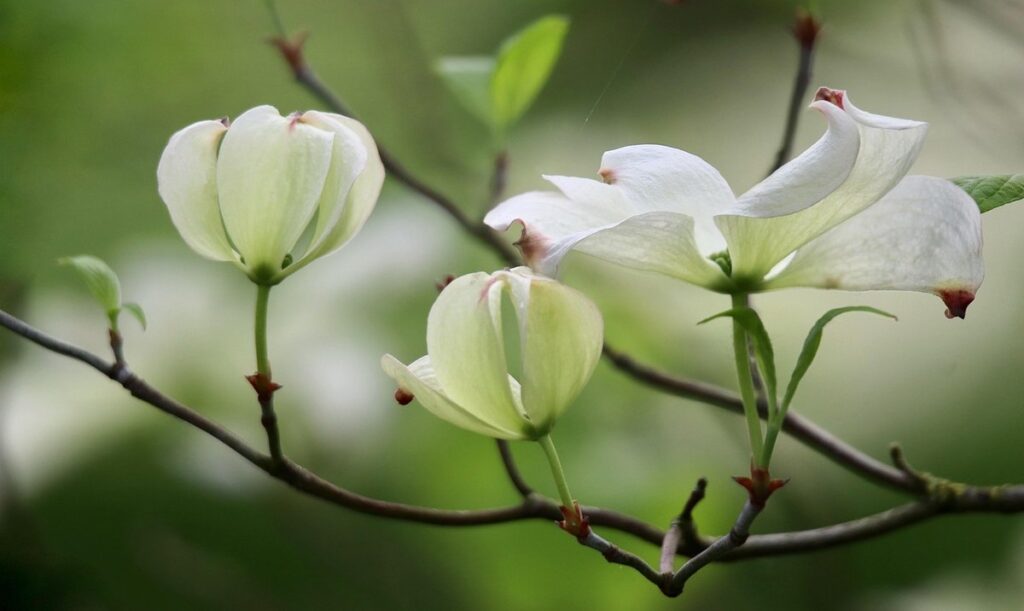
One of the standout features of the pink Chinese dogwood is its showy bracts that resemble tiny flowers. These delicate, petal-like structures are actually modified leaves that add to the tree’s visual appeal. The real flowers are small and inconspicuous, but who needs them when you have these stunning bracts, right?
When choosing a pink Chinese dogwood for your garden, make sure to select one with good branch structure and a balanced canopy. Prune it regularly to maintain its shape and promote healthy growth. With proper care, this tree will reward you with years of breathtaking beauty and fragrant blooms.
History and Cultural Significance
Pink Chinese dogwood has been enchanting gardeners for centuries with its showy pink blooms and stunning foliage. Its history dates back to China, where it was first cultivated as an ornamental plant in the 18th century. The plant’s beauty soon caught the attention of European traders, who introduced it to Western gardens in the early 19th century.
Initially met with skepticism due to its foreign origins, the pink Chinese dogwood gained popularity among European gardeners for its striking appearance and ability to thrive in diverse climates. By the mid-20th century, it had become a staple in many ornamental plant collections, prized for its vibrant flowers, attractive bark, and compact growth habit.
In Asian cultures, the dogwood tree holds significant symbolic meaning, often representing good fortune, prosperity, and longevity. In China, the flowers are also associated with love and romance, making them a popular choice for wedding ceremonies and other special occasions.
Growing Conditions for Pink Chinese Dogwood
To ensure your pink Chinese dogwood thrives, it’s essential to understand its specific growing conditions, including temperature and moisture requirements. Let’s dive into these details.
Climate and Soil Requirements
When growing pink Chinese dogwood trees, it’s essential to understand their specific climate and soil requirements. These deciduous trees thrive in temperate climates with cold winters and warm summers.
In terms of temperature tolerance, pink Chinese dogwoods are hardy in USDA zones 5-9, meaning they can withstand temperatures as low as -20°F (-29°C) and as high as 90°F (32°C). However, they prefer a cool winter period to induce dormancy, which helps them produce vibrant flowers in the spring.
When it comes to sunlight requirements, pink Chinese dogwoods need full sun to partial shade. They can tolerate some shade, especially when young, but direct sunlight will encourage more vigorous growth and flowering. Be sure to plant your tree in a location that receives at least 6 hours of direct sunlight per day.
As for soil preferences, pink Chinese dogwoods prefer well-draining acidic soils with a pH between 5.5 and 6.5. They can tolerate a range of soil types but will perform best in moist, fertile soils rich in organic matter. To achieve optimal growing conditions, test your soil pH and amend it if necessary to create an environment that’s perfect for your pink Chinese dogwood tree.
Watering and Maintenance
Proper watering is crucial for pink Chinese dogwood to thrive. This tree prefers well-drained soil and moderate watering. Aim to water it once a week during the first year after planting, gradually reducing frequency as it establishes itself. A good rule of thumb is to check the soil moisture by inserting your finger into the soil up to 2-3 inches deep. If the soil feels dry, it’s time to water.
Water pink Chinese dogwood at the base of the tree to avoid getting the leaves wet, which can lead to fungal diseases. Aim for about 1 inch of water per week, either from rainfall or irrigation. During hot summer months, you may need to water more frequently. Be cautious not to overwater, as this can cause root rot and other problems.
Regular pruning is also essential for maintaining the health and appearance of pink Chinese dogwood. Prune branches in late winter or early spring to remove dead, diseased, or damaged wood. This will promote healthy growth and encourage new flowers and foliage. Fertilize your tree annually with a balanced, slow-release fertilizer following the manufacturer’s instructions.
By watering and pruning properly, you’ll be well on your way to growing a thriving pink Chinese dogwood that brings beauty and charm to your garden for years to come.
Propagation and Care Tips
To ensure your Pink Chinese Dogwood thrives, it’s essential to understand the best methods for propagation and care, which we’ll explore next. With proper attention, this stunning tree will reward you with beauty and life.
Propagation Methods
When it comes to propagating pink Chinese dogwood trees, you have several methods at your disposal. One of the most popular and successful methods is seed propagation. However, this method can be time-consuming as it requires allowing the seeds to germinate and then growing them into a mature tree over several years.
Grafting is another effective method that involves attaching a piece of stem from one tree to the root system of another tree. This technique is ideal for producing multiple trees with desirable characteristics in a shorter amount of time. To graft a pink Chinese dogwood, you’ll need a rootstock and a scion, which is the stem section taken from a mature tree.
Another method is layering, where you bend a stem down to the ground and cover it with soil. Over time, roots will develop on the buried portion of the stem, allowing you to separate it from the parent plant and grow a new tree.
Common Issues and Pests
Pink Chinese dogwoods are generally low-maintenance trees, but they can be susceptible to certain problems. One of the most common issues is powdery mildew, a fungal disease that causes white powder to form on the leaves. To prevent this, ensure good air circulation around your tree and water it in the morning so the foliage has time to dry before nightfall.
Another potential problem is boron deficiency, which can cause yellowing or browning of new growth. Regular soil testing can help identify nutrient imbalances, and applying a balanced fertilizer in spring will promote healthy growth. Keep an eye out for pests like aphids, scale, and spider mites, which can be controlled with neem oil or insecticidal soap.
Dutch elm disease is another concern for dogwood trees, but it’s rare in Chinese dogwoods. If you notice any signs of disease, such as blackened bark or wilted leaves, contact a professional arborist to assess the situation and recommend treatment options. Regular pruning and proper care can help prevent many of these issues from arising in the first place.
If you do encounter problems, keep in mind that prevention is often key. Regularly inspect your tree for signs of disease or pests, and take action quickly if you notice any issues. This will help minimize damage and ensure your pink Chinese dogwood remains healthy and thriving.
Landscaping and Design Ideas with Pink Chinese Dogwood
When incorporating a pink Chinese dogwood into your outdoor space, consider these creative landscaping ideas to bring out its unique beauty. From shrub borders to woodland gardens, we’ll explore inspiring design concepts.
Companion Planting
When it comes to creating a stunning landscape with your Pink Chinese Dogwood as the centerpiece, companion planting is an excellent way to add depth and visual interest. This technique involves pairing plants that complement each other’s characteristics, such as bloom times, textures, and growth habits.
For example, you can pair the dogwood with flowering shrubs like weigela or lilac, which share similar growing conditions and bloom at different times. This ensures a constant display of color throughout the seasons. Alternatively, consider combining it with perennials like daylilies or coneflowers, which provide a beautiful contrast in texture and foliage.
Grasses like ornamental wheat or fountain grass can also add movement and flow to your landscape, while attracting wildlife and adding a natural element. When selecting companion plants, remember to choose species that thrive in similar conditions as the dogwood – full sun to partial shade, moist soil, and protection from extreme temperatures. Experiment with different combinations to find the perfect balance of colors, textures, and forms that enhance the beauty of your Pink Chinese Dogwood.
Seasonal Interest and Wildlife Value
One of the most beautiful aspects of pink Chinese dogwood is its ability to change with the seasons. In spring, it bursts forth with vibrant pink flowers that attract a variety of pollinators, including bees and butterflies. As summer arrives, the foliage deepens to a rich green, providing a stunning backdrop for other flowering plants.
In autumn, the tree transforms once again, displaying a kaleidoscope of colors as the leaves turn shades of red, orange, and yellow before falling to the ground. This is also a prime time for birdwatching, as the dogwood’s berries become a sought-after food source for many species.
To maximize your pink Chinese dogwood’s seasonal interest and wildlife value, consider planting native flowers or shrubs around its base that will bloom at different times of year. This will create a constant succession of color and attract a wide range of birds and other wildlife to your garden. By incorporating this tree into a diverse landscape design, you can enjoy its beauty and benefits for months on end.
Health Benefits and Medicinal Uses of Pink Chinese Dogwood
The pink Chinese dogwood has been used for centuries in traditional medicine, offering numerous health benefits that are backed by science, making it a valuable plant to learn about. Let’s explore its medicinal uses.
Traditional Medicine
In traditional Asian medicine, pink Chinese dogwood has been prized for its unique combination of bioactive compounds and medicinal properties. For centuries, practitioners have employed the plant to mitigate inflammation, promote digestive health, and support cardiovascular well-being.
The root bark of the pink Chinese dogwood contains flavonoids and phenolic acids that exhibit potent anti-inflammatory activity. Studies have shown that extracts from the plant can inhibit the production of pro-inflammatory enzymes, providing relief for conditions like arthritis and gout. Practitioners often use it to reduce swelling and pain in joints and muscles.
Pink Chinese dogwood has also been used to soothe digestive issues. Its flavonoids and saponins help regulate bowel movements, ease cramps, and alleviate symptoms of irritable bowel syndrome (IBS). Herbal teas made from the plant’s flowers or leaves are often consumed to calm nausea and indigestion.
To incorporate pink Chinese dogwood into your traditional medicine practice, you can try infusing the root bark in hot water to create a tea. Start with small doses (about 1-2 teaspoons per cup) and adjust as needed. Consult with a healthcare professional before using any new herbal remedy, especially if you have underlying health conditions or take medications.
Modern Research and Potential Applications
Recent studies have shed light on the bioactive compounds present in pink Chinese dogwood, revealing its potential benefits for human health and wellness. One of the primary focus areas has been the investigation of flavonoids, particularly kaempferol and quercetin, which are known for their antioxidant properties. These compounds have shown promise in reducing inflammation, improving cardiovascular health, and even exhibiting anti-cancer effects.
Additionally, research has highlighted the presence of phenolic acids, such as ferulic acid and sinapic acid, which possess antimicrobial and anti-inflammatory activities. The combination of these bioactive compounds may contribute to pink Chinese dogwood’s traditional use in treating fever, rheumatism, and other inflammatory conditions.
As research continues to uncover the potential benefits of pink Chinese dogwood, we can anticipate applications in the development of natural remedies for various health issues. For instance, its antioxidant properties could be leveraged in skincare products or dietary supplements aimed at combating oxidative stress and promoting overall well-being. While more studies are necessary to fully explore these possibilities, preliminary findings suggest a promising future for pink Chinese dogwood’s medicinal uses.
Conclusion: Embracing the Beauty and Benefits of Pink Chinese Dogwood
As we’ve explored the wonderful world of pink Chinese dogwood, let’s wrap up our journey by embracing its unique beauty and numerous benefits in your garden. Now that you’re an expert, it’s time to reap the rewards!
Recap and Final Thoughts
As we come to the end of our comprehensive guide on the Pink Chinese Dogwood, it’s time to recap the key takeaways and reflect on the many benefits this stunning tree has to offer.
First and foremost, let’s talk about what makes the Pink Chinese Dogwood truly unique. With its show-stopping pink flowers, vibrant green leaves, and striking white bark, this tree is sure to be a head-turner in any landscape. But it’s not just about looks – as we’ve discussed throughout this guide, the Pink Chinese Dogwood offers a wide range of benefits for gardeners and homeowners alike.
From its stunning fall color display to its ability to thrive in a variety of soil conditions, this tree is a low-maintenance gem that can add beauty and value to any yard. And with its relatively small size, it’s perfect for smaller spaces or gardens where room is at a premium.
But the benefits don’t stop there – the Pink Chinese Dogwood also provides excellent wildlife habitat and attracts pollinators like bees and butterflies. Plus, its flowers are edible and can be used in teas, salads, and other recipes (though we recommend using caution and consulting with a healthcare professional before attempting to consume any plant parts).
As you consider bringing a Pink Chinese Dogwood into your garden or yard, remember that it’s all about finding the right spot – one that offers full sun to partial shade and well-draining soil. With proper care and attention, this tree is sure to thrive and become a beloved member of your outdoor space.
By following the tips and advice outlined in this guide, you’ll be well on your way to enjoying the beauty and benefits of the Pink Chinese Dogwood for years to come.
Frequently Asked Questions
How often should I water my pink Chinese dogwood tree?
Water your pink Chinese dogwood regularly, especially during its first year of growth. Aim to provide about 1 inch of water per week, either through rainfall or irrigation. Be cautious not to overwater, as this can lead to root rot and other issues. Check the soil moisture by inserting a finger into the soil up to the knuckle; if it feels dry, it’s time for watering.
Can I grow pink Chinese dogwood in containers?
Yes, you can grow pink Chinese dogwood in containers, but make sure they’re large enough (at least 18-24 inches deep) and have good drainage holes. Choose a container mix specifically designed for trees, and fertilize regularly to promote healthy growth. Keep the soil consistently moist during the first year, then gradually reduce watering as the tree matures.
How do I protect my pink Chinese dogwood from pests and diseases?
Regularly inspect your pink Chinese dogwood for signs of pests or diseases, such as aphids, spider mites, or powdery mildew. Use organic pest control methods whenever possible, like neem oil or insecticidal soap, to minimize harm to beneficial insects. Prune any infected branches, and disinfect pruning tools between cuts.
Can I propagate pink Chinese dogwood through layering?
Yes, you can propagate pink Chinese dogwood through layering, which involves bending a stem down and weighing it with soil or rocks until roots develop. Take the new rooted cutting in spring or fall, and plant it in a nursery or garden bed. This method is more time-consuming than others but ensures success with minimal risk.
How do I choose the perfect location for my pink Chinese dogwood?
When selecting a location for your pink Chinese dogwood, consider factors like sunlight, soil quality, and nearby plants. Choose a spot that receives at least 4-6 hours of direct sunlight daily and has well-draining soil to prevent root rot. Avoid planting near power lines or water features, as the tree’s roots may interfere with underground infrastructure.