
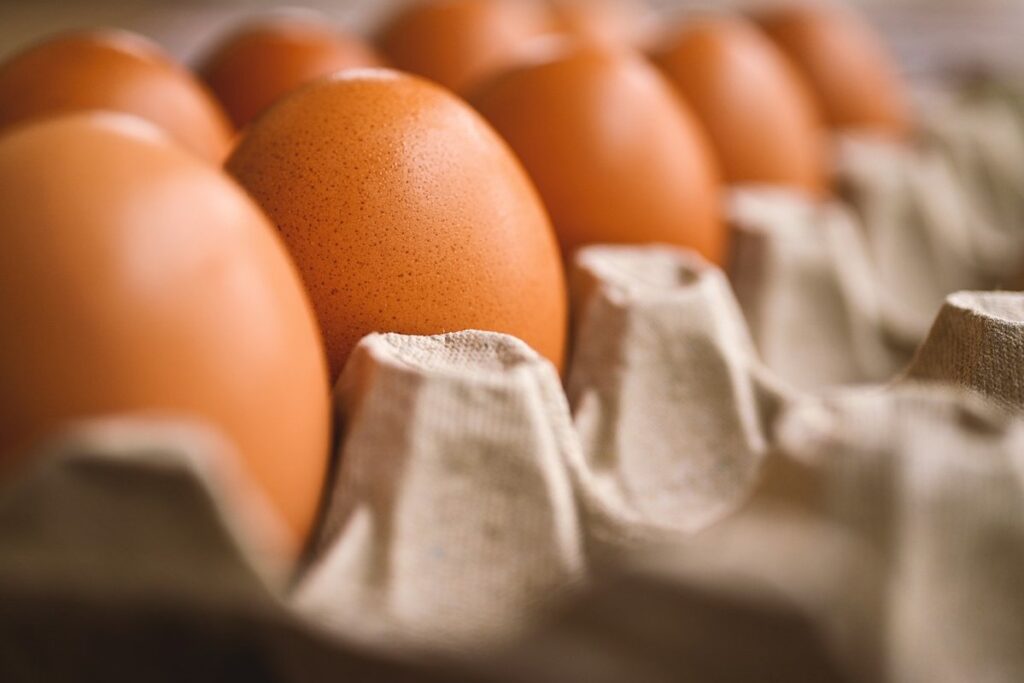
If you’re looking to boost your egg production and add some vibrant personality to your flock, you’ve probably heard of the Plymouth Barred Rock. This hardy breed is known for its exceptional laying abilities, producing large brown eggs that are a staple in many backyard chicken coops. But did you know that with proper care and management, a single Plymouth Barred Rock hen can lay up to 300 eggs per year? Whether you’re an experienced breeder or just starting out, understanding the needs of this popular breed is crucial for raising healthy, high-producing birds. In this article, we’ll delve into the world of Plymouth Barred Rock chickens, covering essential topics like breeding, nutrition, and flock management to help you get the most out of your flock.
Characteristics and History of Plymouth Barred Rocks
The Plymouth Barred Rock is a heritage breed known for its friendly and docile nature, making them a popular choice for backyard chicken keepers. Let’s take a closer look at their history and characteristics.
Origin and Development of the Breed
The Plymouth Barred Rock breed has its roots in 19th-century America, specifically in Massachusetts. The exact origin of the breed is unclear, but it’s believed to have descended from English Orpingtons and Barred Rocks brought over by early settlers. These birds were known for their hardiness, temperamental docility, and prolific egg-laying abilities.
In the early 20th century, farmers began selectively breeding these early Plymouth Rock strains to create a more robust and consistent bird. The result was the Plymouth Barred Rock breed we know today, prized for its striking appearance, friendly nature, and impressive egg production.
One key factor in the development of the Plymouth Barred Rock was its ability to thrive in challenging climates and conditions. Breeders recognized the value in creating birds that could adapt to harsh New England winters and still produce a steady supply of eggs. This hardiness has made the breed a staple among backyard chicken keepers and commercial farmers alike.
Today, many breeders continue to prioritize these traits when breeding Plymouth Barred Rocks, resulting in a bird that’s as resilient as it is beautiful. If you’re looking to add some new bloodlines to your flock or start from scratch, understanding the origins of this beloved breed can help inform your choices and ensure success.
Physical Characteristics and Temperament
When it comes to identifying Plymouth Barred Rock eggs, their physical characteristics and temperament play a significant role. One of the most distinctive features of this breed is their striking barred feathers. Males have a deep black color with white stripes running across their wings, back, and tail, while females are a lighter shade of gold with dark brown bars. These striking markings make them easily recognizable.
In terms of temperament, Plymouth Barred Rocks are known for being friendly, docile, and affectionate. They are often described as gentle giants, making them an excellent choice for families with children or first-time chicken keepers. Their calm nature also makes them a great addition to backyard flocks, as they tend to get along well with other breeds.
When collecting Plymouth Barred Rock eggs from your coop, be sure to look for the characteristic barred markings on their feathers and egg-laying patterns. They are prolific layers, producing around 200-220 brown eggs per year, making them a popular choice among backyard chicken enthusiasts.
Egg-Laying Abilities and Production
Plymouth Barred Rocks are renowned for their exceptional egg-laying abilities, making them an ideal choice for backyard chicken keepers and commercial farmers alike. On average, a healthy Plymouth Barred Rock hen will lay around 200-220 eggs per year, with some individuals producing up to 280 eggs annually.
Breaking it down further, we can expect a Plymouth Barred Rock to lay around 5-6 eggs per week during their peak production phase, which typically occurs between 18 and 24 months of age. Monthly yields will vary depending on individual bird performance, but a good estimate is around 15-20 eggs per month.
It’s worth noting that these numbers can be influenced by factors such as nutrition, health, and living conditions. A balanced diet rich in protein, calcium, and other essential nutrients will help support optimal egg production. Additionally, providing regular access to fresh water, adequate space, and a clean living environment will also contribute to a Plymouth Barred Rock’s overall health and productivity.
Health Considerations for Plymouth Barred Rock Owners
As you work towards collecting your own Plymouth Barred Rock eggs, it’s essential to consider the health of both you and your flock. This section will cover potential health risks associated with raising these birds.
Common Health Issues Affecting the Breed
As a proud owner of a Plymouth Barred Rock chicken, it’s essential to be aware of potential health issues that can affect this breed. Marek’s disease is one such concern, caused by a viral infection that can lead to tumors and death if left untreated. Regular vaccinations can help prevent the spread of this disease.
Another issue affecting Plymouth Barred Rocks is mites, tiny parasites that feed on their blood and cause discomfort and stress. To identify mites, look for signs like droppings around the roosting area or a fine dust under the feathers. Use an insecticidal powder to eliminate these pests.
Respiratory problems are also common in this breed due to their long beak shape, which can lead to difficulties breathing. A balanced diet and plenty of fresh water can help alleviate respiratory issues.
Monitoring your Plymouth Barred Rock’s health closely will enable you to catch potential problems early on, ensuring they live a happy and healthy life. Regular checks for signs of disease or stress, such as changes in appetite or droppings, are crucial. By staying vigilant and taking preventative measures, you can enjoy a thriving flock.
Nutrition and Diet Recommendations
As a responsible owner of a Plymouth Barred Rock, you’re likely wondering what nutrients will help maximize your hen’s egg-laying abilities. A well-balanced diet is essential for maintaining the overall health and productivity of your flock.
Firstly, it’s crucial to provide your Plymouth Barred Rocks with high-quality layer feed that meets their nutritional requirements. This should contain a minimum of 16% protein, 10% calcium, and 1% phosphorus. You can also supplement with fruits and vegetables like leafy greens, carrots, and berries, which are rich in vitamins A, D, E, K, and B12.
During different stages of life, your Plymouth Barred Rocks will have varying nutritional needs. For example, pullets (young hens) require more protein to support their growth and development. Adult hens, on the other hand, need a balanced diet that promotes egg production without overloading on calories. Consider providing oyster shells or crushed eggshells as a calcium supplement to strengthen your hen’s eggshell production.
Remember, a diverse and nutrient-rich diet will not only improve the quality of your eggs but also promote overall health and well-being in your Plymouth Barred Rock.
Tips for Maintaining Egg Health and Hygiene
Maintaining the health and hygiene of your Plymouth Barred Rock’s eggs is crucial to ensure they remain safe for consumption. One key aspect is proper storage. Store eggs in a cool, dry place away from direct sunlight. A temperature range between 32°F and 40°F (0°C and 4°C) is ideal.
Handling techniques are also vital in preventing egg contamination. Always wash your hands before collecting or handling eggs to prevent transferring bacteria from your skin. Gently pick up eggs from the nesting box, taking care not to touch their clean end.
For longer-term storage, consider using an egg carton or tray with ventilation holes. This allows for airflow and helps maintain a stable humidity level, reducing the risk of moisture buildup. Check on stored eggs regularly to ensure they remain fresh. If you notice any cracks, mold, or unusual odors, discard them immediately.
Remember to follow proper food safety guidelines when handling eggs. By following these simple storage and handling techniques, you can enjoy your Plymouth Barred Rock’s delicious eggs for weeks to come.
Breeding and Raising Plymouth Barred Rock Chicks
Are you new to raising Plymouth Barred Rock chicks? This section will walk you through the process of breeding and successfully raising healthy, happy chicks from hatch.
Choosing the Right Parent Stock
When it comes to breeding high-quality Plymouth Barred Rock chicks, selecting the right parent stock is crucial. This ensures that your eggs will not only hatch successfully but also produce robust and healthy offspring.
To start, look for parent stocks with exceptional egg quality. Check their eggshell texture, color, and cleanliness. You want to see even, dark brown eggs with no cracks or imperfections. Fertility rates are also vital; high-quality parents should have a proven track record of successful hatch rates (around 90% or higher).
In terms of overall health, inspect the parent birds’ plumage, beak, and eyes for any signs of disease or stress. Ensure they’re receiving a balanced diet, adequate exercise, and optimal living conditions.
When evaluating potential breeders, consider their temperament as well. Friendly and docile parents are easier to handle and less likely to cause stress during breeding season. If possible, observe the parent stock in person to gauge their behavior and overall health. By carefully selecting your parent stock, you’ll set your flock up for success and increase the chances of hatching healthy Plymouth Barred Rock chicks.
Hatching and Brooding Techniques
When it’s time to hatch your Plymouth Barred Rock eggs, you want to ensure that the process is successful and your chicks thrive. The first step is to incubate the eggs properly. Set up a reliable incubator with accurate temperature control (99-100°F for the first 18 days) and maintain humidity levels between 50-60%. Regularly check the egg’s weight, position, and rotation to ensure proper development.
Once the eggs have been transferred to the hatcher or brooder, it’s essential to monitor their temperature and humidity closely. The ideal temperature range is still around 99-100°F for the first week after hatching. For the next two weeks, you can gradually reduce the temperature to 90-95°F. Maintain a consistent humidity level of about 40-50% during this period.
During brooding, it’s crucial to ensure the chicks have access to food and water at all times. Place feeders and waterers in an easily accessible location, and make sure they’re heavy enough not to tip over. Provide adequate ventilation to prevent ammonia buildup from chick waste. Keep a close eye on your chicks’ behavior and adjust their environment as needed to promote healthy growth. By following these guidelines, you’ll be well-equipped to raise strong and healthy Plymouth Barred Rock chicks.
Raising Healthy Chicks
When it comes to raising healthy Plymouth Barred Rock chicks, there are several key factors to consider. First and foremost, providing a nutritious diet is crucial for their growth and development. A starter feed specifically formulated for young chickens should be the main staple of their diet, with fresh water always available. It’s also essential to provide a balanced diet that includes probiotics and electrolytes to support their digestive health.
In addition to proper feeding, vaccinations are also necessary to protect your chicks from diseases such as Marek’s disease and Newcastle disease. Consult with a veterinarian or poultry expert to determine the best vaccination schedule for your flock.
Parasite control is another critical aspect of raising healthy Plymouth Barred Rock chicks. External parasites like mites, lice, and fleas can quickly spread through a flock, causing stress and discomfort. Regularly checking for signs of parasites and using safe, effective treatments as needed will help prevent infestations.
To promote overall health and well-being, it’s also essential to provide a clean, comfortable living environment with adequate ventilation. With proper care and attention, your Plymouth Barred Rock chicks will thrive and grow into healthy, happy hens that produce plenty of delicious eggs!
Tips for Success with Your Plymouth Barred Rock Flock
As you’re building your flock of beautiful Plymouth Barred Rocks, it’s essential to keep a few key tips in mind to ensure their health and productivity. With these simple guidelines, you’ll be well on your way to success!
Managing Your Flock’s Growth and Development
As you watch your Plymouth Barred Rock flock grow and thrive, it’s essential to implement strategies that ensure their optimal development. One key aspect of managing growth is providing a balanced diet that caters to their nutritional needs at different stages of life. Start by feeding starter feed to pullets (young hens) for the first 16-18 weeks, then switch to layer feed as they mature.
Proper nutrition not only affects egg production but also influences overall health and well-being. To promote healthy growth, ensure access to fresh water at all times and provide a balanced diet that includes essential vitamins and minerals. For example, adding oyster shells to their feed can support strong beak and claw development.
Maintaining a clean coop environment is also crucial for your flock’s growth and development. Regularly clean out manure, disinfect surfaces, and ensure adequate ventilation to prevent disease and stress. By implementing these strategies, you’ll be able to optimize your Plymouth Barred Rock’s potential, leading to higher egg production and overall health.
Monitoring your flock’s weight and body condition is also vital for growth management. Weigh your birds regularly to detect any deviations from the norm, allowing you to adjust their diet accordingly.
Handling and Training Techniques
When it comes to handling and training your Plymouth Barred Rocks, establishing trust is key. These birds can be wary of new people and environments, so patience and consistency are crucial.
Start by getting to know each bird’s personality. Observe their behavior, likes, and dislikes. Some may enjoy being petted, while others prefer not to be touched. Respect their boundaries and move at their pace.
For training, use positive reinforcement techniques such as offering treats or praise when they perform desired behaviors. Keep sessions short and fun, around 5-10 minutes, to avoid overwhelming them.
One effective technique is “free ranging.” Allow the birds to roam freely in a designated area, promoting exercise and mental stimulation. This also helps build trust, as they become accustomed to your presence.
Another tip is to handle them gently but firmly, supporting their body and wings. This helps them feel secure and reduces stress. With consistent handling and training, you’ll develop a strong bond with your Plymouth Barred Rocks, making interactions easier and more enjoyable for both you and the birds.
Integrated Pest Management (IPM) Strategies
When it comes to maintaining a healthy and thriving flock of Plymouth Barred Rocks, Integrated Pest Management (IPM) strategies are crucial for minimizing the risk of disease and pests. By adopting an IPM approach, you’ll not only ensure the well-being of your birds but also promote a balanced ecosystem within your farm or backyard.
A key aspect of IPM is understanding the interplay between your flock, their environment, and any potential pests or diseases that may arise. Regular monitoring of your birds’ behavior, health, and living conditions will help you identify early warning signs of issues. For instance, changes in droppings, appetite, or feather condition can indicate underlying problems.
To implement effective IPM strategies, consider the following steps:
* Conduct regular cleaning and disinfection of coops and runs to prevent the spread of diseases
* Provide a balanced diet that includes supplements to boost your birds’ immunity
* Create a diverse and thriving ecosystem by incorporating beneficial plants, such as lavender or mint, which can repel pests and promote healthy soil conditions
* Regularly inspect your flock for signs of mites, lice, or other external parasites, and treat promptly if necessary
Conclusion: Maximizing Your Success with Plymouth Barred Rock Eggs
Now that you’ve learned how to raise and care for your Plymouth Barred Rock chickens, let’s focus on getting the most out of their eggs. We’ll discuss strategies for maximizing your success.
Recap of Key Takeaways
As we conclude our comprehensive guide to Plymouth Barred Rock eggs, let’s take a moment to recap the key takeaways from each section. This will ensure that you have a solid understanding of raising healthy and productive Plymouth Barred Rocks.
One of the most critical aspects of successfully raising Plymouth Barred Rocks is providing them with a balanced diet. We discussed the importance of feeding your flock a mix of layer feed, fruits, and vegetables to meet their nutritional needs. Remember, a good rule of thumb is to provide 1/4 cup of treats per egg-laying age every day. This will not only keep your birds healthy but also ensure they produce high-quality eggs.
Another crucial aspect is providing your flock with adequate space to exercise and engage in natural behaviors. We emphasized the importance of giving your Plymouth Barred Rocks enough room to move around, stretch their wings, and perform dust baths. A good starting point for a small backyard flock is about 4-5 square feet per bird inside the coop and 8-10 square feet per bird outside.
We also touched on the significance of maintaining a clean and well-ventilated coop environment. This includes regularly cleaning out droppings, replacing bedding materials, and ensuring good airflow to prevent respiratory problems. To make this process easier, consider implementing a regular cleaning schedule and investing in a good quality air filter.
Lastly, we discussed the importance of monitoring your flock’s health and behavior closely. Keep an eye out for signs of stress, illness, or injury, and take prompt action if you notice anything unusual. By staying on top of their health and well-being, you’ll be able to identify potential issues early on and prevent them from becoming major problems.
By following these key takeaways, you’ll be well on your way to raising happy, healthy, and productive Plymouth Barred Rocks that will provide you with an abundance of delicious eggs for years to come.
Frequently Asked Questions
How do I determine the optimal temperature range for my Plymouth Barred Rock flock?
The ideal temperature range for a healthy Plymouth Barred Rock flock is between 40°F to 90°F (-4°C to 32°C). Extreme temperatures can affect egg production, so it’s essential to provide adequate ventilation and shelter to regulate their environment. You can also consider using climate-controlled coops or run extensions to maintain optimal temperatures.
Can I breed Plymouth Barred Rock chickens with other breeds to improve their egg-laying abilities?
While cross-breeding is possible, it may compromise the genetic integrity of your flock and lead to unpredictable results. It’s recommended to work with purebred Plymouth Barred Rocks to preserve the breed’s unique characteristics and ensure consistent performance. If you’re interested in breeding, consider choosing a reputable breeder or working with experienced enthusiasts.
How often should I collect eggs from my Plymouth Barred Rock flock?
Regular egg collection is crucial for maintaining clean and healthy living conditions. It’s recommended to collect eggs daily to prevent moisture buildup, bacterial growth, and potential health issues. Consider implementing an egg-collation schedule that works best for your flock size and management style.
Can I keep Plymouth Barred Rock chickens in small spaces or are they too active?
While Plymouth Barred Rocks can adapt to various living situations, providing sufficient space is essential for their well-being. These birds require adequate room to move around, exercise, and engage in natural behaviors like scratching and dust-bathing. Consider at least 2-4 square feet (0.18-0.36 sqm) per bird, depending on age, sex, and individual needs.
What are some common health issues I should watch out for in my Plymouth Barred Rock flock?
Regular health checks and monitoring can help prevent or identify potential issues early on. Common concerns include respiratory problems, mites, lice, and diseases like Marek’s disease. Keep a close eye on your birds’ behavior, appearance, and productivity, and consult with a veterinarian if you notice any signs of distress or illness.