
Are you looking to add some friendly faces to your backyard flock? Or perhaps you’re interested in learning about one of the most popular chicken breeds for their exceptional egg-laying abilities? Look no further than the Plymouth Rock chicken! With a rich history dating back to 1881, this breed has been cherished by farmers and backyard enthusiasts alike for its gentle disposition, high egg production, and hardiness. In this article, we’ll delve into the world of Plymouth Rock chickens, exploring their characteristics, benefits, and expert tips on how to raise them successfully. From housing and feeding to breeding and health considerations, you’ll learn everything you need to know about these wonderful birds and why they’re a great choice for anyone looking to start or expand their backyard flock.
History and Origin of Plymouth Rock Chickens
Let’s take a step back and explore where it all began for the beloved Plymouth Rock Chicken, tracing its roots from humble beginnings to global popularity.
Early Beginnings: The Breed’s Roots in England
The Plymouth Rock chicken breed has its roots deeply embedded in England, where it was first developed as a dual-purpose bird. In the late 19th century, American farmers began to import chickens from England, and among them were the Plymouth Rock birds. The breed quickly gained popularity due to its exceptional egg-laying abilities and high-quality meat.
These early imports were primarily of the Barred Plymouth Rock variety, which was known for its distinctive barred feathers and robust build. As they adapted to their new American environment, the chickens thrived and became an integral part of many farms. The breed’s adaptability, hardiness, and ability to thrive in a variety of conditions made it an attractive choice for farmers.
The Plymouth Rock’s early success can be attributed to its versatility as both a layer and broiler bird. Farmers valued its capacity to produce high-quality eggs while also growing at a rapid pace, making it an ideal choice for meat production. This dual-purpose capability would go on to shape the breed’s reputation and widespread adoption in American agriculture.
Introduction to America: How Plymouth Rock Became Popular
The journey of the Plymouth Rock chicken breed to North America is a fascinating one. The story begins with William Brewster, an English settler who arrived in the New World in 1620 aboard the Mayflower. Brewster, a devoted poultry enthusiast, brought with him a flock of chickens that would eventually become the foundation for the esteemed Plymouth Rock breed.
These hardy birds adapted remarkably well to their new surroundings and quickly thrived on the rocky coast of Massachusetts. Their impressive egg-laying abilities, coupled with their friendly and docile nature, made them an instant hit among local farmers and homesteaders. News of these remarkable chickens spread rapidly, and soon, the Plymouth Rock breed was in high demand.
To introduce this incredible breed to your own backyard flock, start by selecting a reputable breeder or purchasing chicks from a well-established hatchery. Next, create a suitable environment that mimics their natural habitat – think plenty of space for scratching and pecking, as well as adequate protection from harsh weather conditions. With proper care and attention, your Plymouth Rock chickens will reward you with an abundance of fresh eggs and endless entertainment.
Characteristics of Plymouth Rock Chickens
One of the most distinctive features of the Plymouth Rock chicken is its impressive size and robust build, setting it apart from other breeds. Let’s take a closer look at these characteristics in more detail.
Temperament and Personality Traits
When it comes to temperament and personality traits, Plymouth Rock chickens truly shine. Known for being one of the friendliest breeds around, they make an excellent choice for families with children or beginners who are new to raising backyard chickens.
Their docile nature means that they’re easy-going and not prone to aggressive behavior. They’re also relatively quiet compared to other breeds, making them a great option if you live in close proximity to your neighbors. One of the most endearing qualities of Plymouth Rocks is their willingness to follow their owners around the yard, curious about what’s going on.
In fact, they’ve even been known to become quite attached to their human family members and will often seek out attention and affection. This makes them an excellent choice for families with children who are eager to learn about responsible pet care and animal husbandry. With proper socialization and handling, Plymouth Rocks can thrive in a variety of settings, from small backyards to larger farms.
By choosing a breed like the Plymouth Rock, you’ll not only be getting a great egg-laying hen but also a loyal companion that will bring joy and entertainment to your family.
Physical Characteristics: Size, Plumage, and More
Plymouth Rock chickens are a medium-sized breed with a robust build, weighing between 7-11 pounds for hens and 8-13 pounds for roosters. Their weight range makes them an excellent choice for backyard chicken keepers who want to raise birds that can thrive in small spaces.
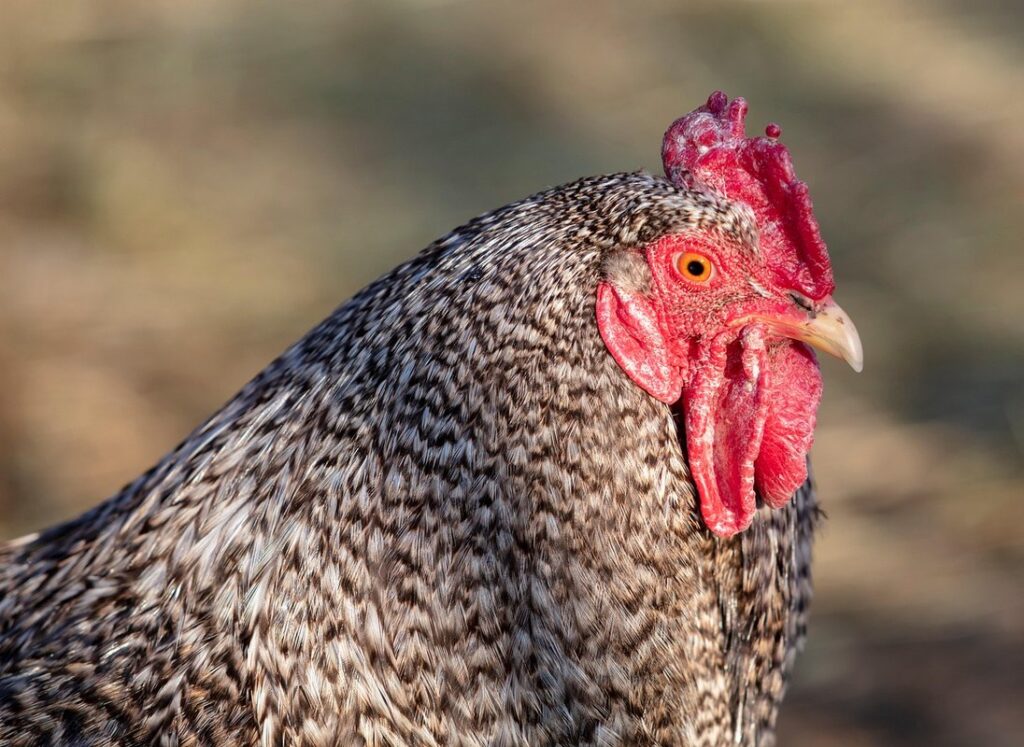
When it comes to plumage, Plymouth Rocks have a unique appearance. They have a single comb, which is red in color, and their feathers are a mix of black, white, and gray, often with a subtle silver sheen. Their wings are relatively long, but not too long for backyard birds. In fact, they’re ideal for free-ranging due to their compact size.
Egg-laying capacity is another significant aspect of Plymouth Rock chickens. They produce an impressive 200-220 brown eggs per year, making them one of the top breeds for those who want a steady supply of fresh eggs. Their egg production starts early, with many hens beginning to lay at around 18 weeks old.
If you’re planning to raise Plymouth Rocks, keep in mind that their size and feather type require moderate maintenance. They need regular grooming to prevent matting and tangling, especially during the winter months when they tend to grow more feathers. Overall, Plymouth Rock chickens are a great choice for those who value reliability, hardiness, and excellent egg production.
Raising Plymouth Rock Chickens: Tips and Best Practices
If you’re new to raising chickens, getting started can be overwhelming, but don’t worry, we’ve got you covered with some essential tips for raising healthy and happy Plymouth Rock chickens.
Housing and Equipment Requirements
When it comes to raising happy and healthy Plymouth Rock chickens, providing them with suitable housing and equipment is crucial. A well-designed coop will protect your birds from predators, harsh weather conditions, and diseases.
A good rule of thumb for a starter flock of 3-5 Plymouth Rocks is to provide a minimum of 2-4 square feet of space per bird inside the coop. This allows them to move around comfortably and prevents overcrowding. For larger flocks or breeders, consider increasing this ratio to at least 6 square feet per bird.
Proper ventilation is also essential for maintaining a healthy environment within the coop. Ensure that there are adequate windows, vents, or doors to allow for airflow, ideally one window per side of the coop. This will help remove ammonia fumes and moisture from the coop, reducing the risk of respiratory issues in your birds.
When it comes to nesting boxes, provide one box per 3-4 hens, with a minimum size of 12 inches wide and 12 inches deep. This allows them to comfortably lay their eggs without feeling cramped or exposed to other birds.
Feeding and Nutrition Guidelines
As you raise your Plymouth Rock chickens, it’s essential to understand their unique dietary needs. These birds are known for their high energy requirements, which means they need a balanced diet that provides the necessary calories to support their growth and activity level.
Plymouth Rocks are heavy-meat breed chickens, which means they require a diet rich in protein and fat to build muscle mass. A good starting point is to provide them with a starter feed that contains around 18-20% protein until they’re about 16 weeks old. As they mature, you can switch them to a layer feed with 15-16% protein.
It’s also crucial to note that Plymouth Rocks have a preference for certain types of feed. They tend to do well on feeds that contain whole grains like oats and barley, rather than corn-based feeds. You can also supplement their diet with fruits and vegetables, but make sure to introduce new foods gradually to prevent digestive issues.
Health Considerations: Common Issues and Prevention Strategies
When raising Plymouth Rock chickens, it’s essential to be aware of common health issues that can affect your flock. This section will explore some potential problems and provide prevention strategies to keep your birds healthy.
Recognizing and Managing Common Ailments
As a Plymouth Rock chicken owner, it’s essential to be aware of potential health issues that can affect your flock. One common concern is Marek’s disease, a viral illness that can cause weight loss, lethargy, and even death if left untreated. This disease is highly contagious and affects many breeds, including the Plymouth Rock.
To prevent Marek’s disease, make sure to purchase chicks from reputable breeders who have tested their flocks for the virus. Keep your coop clean and well-ventilated, and ensure that all chickens receive a balanced diet. Vaccinating your flock against Marek’s can also be an effective prevention measure.
If you suspect your chicken has contracted Marek’s disease, consult with a veterinarian as soon as possible. Treatment typically involves supportive care, such as providing plenty of rest and hydration. In some cases, antibiotics may be prescribed to help manage secondary infections.
By being proactive about health checks and implementing preventative measures, you can reduce the risk of Marek’s disease in your Plymouth Rock flock. Regularly inspecting your birds for signs of illness and taking swift action if you notice any issues will also help keep them healthy and thriving.
Vaccination and Biosecurity Measures
When it comes to maintaining a healthy flock of Plymouth Rock chickens, vaccination and biosecurity measures are essential components of their care. A well-planned vaccination schedule can help protect your birds from common diseases such as Marek’s disease, infectious bronchitis, and Newcastle disease.
Typically, vaccinations are administered at 1-2 days old, with booster shots given at 3-4 weeks and 6-8 weeks. However, it’s crucial to consult with a veterinarian to determine the best vaccination schedule for your flock based on factors such as climate, region, and individual bird health.
To implement effective biosecurity measures, start by isolating new birds upon arrival, and disinfect all equipment and surfaces regularly. This includes cleaning feeders, waterers, and nesting boxes daily. Additionally, maintain a clean and dry coop environment, and ensure proper ventilation to reduce the risk of respiratory diseases.
Regular monitoring of your flock’s health is also vital. Keep an eye out for signs of illness such as lethargy, labored breathing, or changes in appetite, and contact a veterinarian promptly if you notice any unusual behavior. By following these vaccination and biosecurity protocols, you can significantly reduce the risk of disease within your flock.
Egg-Laying Performance: What to Expect from Your Plymouth Rock Hens
If you’re raising Plymouth Rock hens, understanding their egg-laying performance is crucial for planning your flock’s needs and expectations. Let’s dive into what you can realistically expect from these popular ladies.
Fertility and Hatchability Rates
When it comes to egg-laying performance, fertility and hatchability rates are crucial indicators of a Plymouth Rock hen’s reproductive health. On average, the fertility rate for a Plymouth Rock rooster is around 90-95%, meaning that out of every 100 eggs collected from the coop, around 94 will be fertile.
Hatchability, on the other hand, refers to the percentage of fertile eggs that successfully hatch into chicks. For Plymouth Rocks, the average hatchability rate ranges between 75-85%. This means that out of every 100 fertile eggs, around 77-82 will hatch into healthy, viable chicks.
Incubation periods for Plymouth Rock chickens are typically around 21 days, give or take a day or two. During this time, maintaining a consistent and optimal temperature range is crucial to ensure successful hatching. A temperature range of 99-100°F (37-38°C) during the first 18 days of incubation and 100-101°F (38-39°C) for the remaining three days is ideal.
If you’re aiming to breed Plymouth Rock chickens, it’s essential to monitor their fertility and hatchability rates regularly. By doing so, you can identify potential issues and take corrective measures to improve your flock’s reproductive performance.
Average Daily Egg Production and Expected Yields
When it comes to Plymouth Rock hens, you can expect an impressive average daily egg production and expected yields. These birds are known for their high productivity, with a typical laying year spanning around 280-300 days. During this period, you can count on each hen producing approximately 200-220 brown eggs per year.
However, individual results may vary depending on several factors. Nutrition plays a significant role in determining egg production, so ensure your hens have access to a balanced diet rich in protein and calcium. A well-maintained coop with adequate light and ventilation is also crucial for optimal performance.
To maximize yields, it’s essential to monitor your flock’s health and behavior regularly. Keep an eye out for signs of stress or fatigue, as these can impact egg production significantly. By providing the right environment and care, you can expect your Plymouth Rock hens to thrive and deliver consistently high egg yields throughout the year.
Showing and Breeding Plymouth Rock Chickens: A Guide for Enthusiasts
If you’re looking to show or breed your Plymouth Rock chickens, understanding their specific needs is crucial for success in both competitions and breeding programs. This section will cover key considerations for enthusiasts.
Standard of Perfection: Breed Standards and Expectations
When showing and breeding Plymouth Rock chickens, understanding the breed standard is crucial to ensure you’re selecting for the characteristics that make this breed so beloved. The American Bantam Association (ABA) and the American Poultry Association (APA) are two prominent organizations that set the standards for Plymouth Rocks.
The APA standard emphasizes several key characteristics, including a stout, compact build with a broad chest and well-sprung ribs. The bird’s plumage should be clean and smooth, with a strong, rich sheen to the feathers. When it comes to size, roosters should weigh around 5-6 pounds, while hens tip the scales at 4-5 pounds.
When breeding or selecting Plymouth Rocks, there are some characteristics to emphasize and avoid. Emphasize a calm, friendly temperament – after all, this is one of the breed’s most endearing qualities. Avoid birds with scrawny legs, as this can be a sign of poor health and vigor. When evaluating your flock, look for clean feet, strong beaks, and bright, inquisitive eyes – these are all signs of a healthy, thriving Plymouth Rock chicken.
Breeding Strategies and Line Development
When it comes to breeding Plymouth Rock chickens, developing a robust bloodline is crucial for creating high-quality birds that excel in shows and meet the breed standard. To achieve this, you’ll need to implement effective breeding strategies and selection criteria.
Start by identifying the characteristics you want to emphasize in your flock, such as feather quality, egg-laying ability, or docile temperament. Then, create a breeding program that focuses on these traits. For example, if you’re aiming for improved egg production, select birds with high reproductive rates and pair them with those that exhibit exceptional laying abilities.
Use selection criteria to evaluate each bird’s merit, considering factors like conformation, feather quality, and movement. Keep detailed records of your breeding program, including notes on each bird’s ancestry, temperament, and performance. This will help you identify patterns and make informed decisions about future breedings. Regularly evaluating and adjusting your breeding strategies ensures a strong foundation for developing a robust bloodline that consistently produces high-quality Plymouth Rock chickens.
Conclusion: Why You Should Consider Raising Plymouth Rock Chickens
So, you’ve learned all about these incredible birds and now it’s time to think about bringing some into your backyard – let’s talk about why you’ll love raising Plymouth Rock chickens.
Summary of Key Points and Takeaways
If you’re still unsure whether Plymouth Rock chickens are right for you, let’s recap some of their key strengths and benefits. As we’ve discussed throughout this article, these dual-purpose birds excel in multiple areas that make them a valuable addition to many homesteads.
First and foremost, Plymouth Rocks are incredibly hardy and adaptable. With proper care, they can thrive in a variety of living situations, from small backyards to large farms. They’re also surprisingly quiet and calm, making them an excellent choice for backyard chicken keepers who want to minimize noise complaints with neighbors.
In terms of egg production, Plymouth Rocks are reliable and consistent, laying around 200-220 brown eggs per year. As meat birds, they grow quickly and efficiently, reaching market weight in just 5-6 months. Their rich, tender meat is a favorite among many backyard chicken enthusiasts.
If you’re considering raising Plymouth Rock chickens for yourself, we recommend starting with at least two or three birds to ensure a healthy breeding program. With proper care and attention, these amazing dual-purpose birds will reward you with eggs, meat, and companionship for years to come.
Encouragement to Try Raising Plymouth Rocks
Raising Plymouth Rock chickens can be an incredibly rewarding experience for backyard chicken enthusiasts. Not only are they known for their friendly and docile nature, but they also lay a generous amount of large, brown eggs. With proper care and attention, these hardy birds can thrive in a variety of settings, from small backyards to larger farms.
One of the main joys of raising Plymouth Rock chickens is their ability to adapt to different living conditions. Whether you have a large coop or a smaller space, they will adjust accordingly, making them an excellent choice for those new to chicken-keeping. Additionally, their friendly nature makes them perfect for families with children or for experienced farmers looking to add some companions to their flock.
If you’re considering giving Plymouth Rock chickens a try, start by checking your local regulations and zoning laws regarding backyard chickens. Once you’ve got the green light, begin by introducing a few starter chicks to your coop. With patience and proper care, these wonderful birds will quickly become beloved members of your family, providing you with fresh eggs and endless entertainment for years to come.
Frequently Asked Questions
What is the ideal flock size for a beginner when starting with Plymouth Rock chickens?
If you’re new to raising backyard chickens, it’s best to start small, around 2-3 birds per person. This allows you to gain experience and build confidence in caring for your flock without feeling overwhelmed. As you gain more knowledge and experience, you can gradually expand your flock size.
How do I ensure proper ventilation in my coop to prevent ammonia buildup from the droppings?
Adequate ventilation is crucial to maintaining a healthy environment for your Plymouth Rock chickens. Ensure that there are openings at both ends of the coop (at least 2-3 inches) and consider installing windows or vents for cross-ventilation. Also, use natural materials like pine shavings or straw as bedding instead of dry litter, which can help absorb moisture.
Can I keep Plymouth Rock chickens in a small backyard with limited space?
While Plymouth Rocks are known to be hardy birds, they do require some space to roam and exercise. If you have a small backyard, consider using vertical space by installing perches or nesting boxes that save floor space. You can also explore creative ways like building a mobile coop for your birds.
How often should I collect eggs from my Plymouth Rock hens?
Plymouth Rock chickens are prolific layers, producing an average of 200-220 brown eggs per year. Collect eggs daily to maintain cleanliness and prevent breakage. It’s also essential to check for any signs of illness or stress in the flock when collecting eggs.
Are there specific health concerns I should be aware of when raising Plymouth Rock chickens?
Plymouth Rocks are generally hardy birds, but like all breeds, they can be susceptible to certain health issues such as Marek’s disease and respiratory problems. Practice good biosecurity measures by keeping your coop clean, providing regular vaccinations (consult with a veterinarian for recommendations), and ensuring proper nutrition to boost your flock’s immune system.