
Are you an aspiring backyard chicken keeper or simply curious about Plymouth Rock chickens? If so, you’re probably wondering about their egg-laying abilities. Did you know that Plymouth Rock chicken eggs come in a variety of colors, influenced by both genetic and environmental factors? In this article, we’ll delve into the fascinating world of Plymouth Rock chicken egg color, exploring what affects their appearance and how breeders can promote desired hues. We’ll also discuss nutritional strategies to optimize egg color, so you can raise healthy and happy chickens that produce stunning eggs. Whether you’re a seasoned breeder or just starting out, this article will provide valuable insights into the world of Plymouth Rock chicken eggs. Let’s crack open the secrets behind their unique colors!
Introduction to Plymouth Rock Chickens
Meet the lovable and hardy Plymouth Rock chicken, a popular breed known for its friendly nature and, of course, its beautiful eggs. In this section, we’ll introduce you to this wonderful bird.
Brief History of the Breed
Plymouth Rock chickens have been a staple in American backyards for over two centuries. Originating from Rhode Island in 1844, this breed was developed by William Munford of the Hennen Farm, who crossed various breeds to create a hardy and prolific layer. The goal was to produce an egg-laying machine that could thrive in harsh New England weather.
The resulting Plymouth Rock chicken became known for its robust constitution, friendly disposition, and impressive egg production capabilities. By the early 20th century, this breed had gained widespread popularity among farmers and backyard enthusiasts alike. In fact, it’s estimated that over 30% of American homesteads kept Plymouth Rocks in their yards during the mid-1900s.
Today, the Plymouth Rock remains a beloved breed among chicken enthusiasts for its rich history, hardiness, and generous egg-laying habits – which we’ll be diving deeper into in this guide. Whether you’re a seasoned farmer or just starting out with backyard chickens, understanding the origins of this iconic breed can help inform your decision-making process when choosing breeds to complement your existing flock.
Characteristics of Plymouth Rock Chickens
Plymouth Rock chickens are known for their unique blend of characteristics that make them a popular choice among backyard chicken keepers. In terms of size, Plymouth Rocks come in three varieties: Barred, White, and Buff. On average, they weigh around 8-11 pounds (3.6-5 kg) and stand about 20-24 inches (51-61 cm) tall.
Their temperament is another key factor that sets them apart. Plymouth Rock chickens are friendly, docile, and social birds that thrive in flocks. They’re relatively quiet, making them an excellent choice for urban or suburban areas. In fact, they’re often described as “easy-going” and are known to be great with children.
When it comes to feathering patterns, Plymouth Rocks have a distinctive plumage. Their feathers can range from solid white to barred patterns, depending on the variety. The Barred Plymouth Rock has distinctive black and white stripes, while the White Plymouth Rock is a pure white bird. Overall, their striking appearance makes them a great addition to any backyard flock.
Understanding Egg Color Variations in Plymouth Rock Chickens
If you’re curious about the colorful eggs from your Plymouth Rock flock, this next part of our guide will help you understand why some eggs are brown and others blue-green. We’ll break down what influences these variations in eggshell color.
Genetic Factors Influencing Egg Color
When it comes to egg color variations in Plymouth Rock chickens, genetics play a significant role. The dominant and recessive traits involved interact to produce different colors. Let’s break down the genetic factors influencing egg color.
Eggshell color is determined by two types of melanin: eumelanin (black and dark brown pigments) and pheomelanin (red and yellow pigments). In Plymouth Rock chickens, the genetics of eggshell color are polygenic, meaning multiple genes contribute to the final color. The most significant gene controlling eggshell color is the OCA2 gene.
Here’s how it works: the dominant allele (B) for brown eggs codes for the production of eumelanin, while the recessive allele (b) for white eggs suppresses eumelanin production. If a hen inherits two B alleles, she’ll lay brown eggs. If she has one B and one b allele, her eggs will be a lighter shade of brown or have speckles.
To determine your Plymouth Rock hen‘s egg color potential, consider the following:
* If both parents lay dark-colored eggs (BxB), their offspring are likely to inherit two B alleles.
* If one parent lays light-colored eggs (bxb) and the other dark-colored eggs (BxB), their offspring may have a mix of both traits.
Environmental Factors Affecting Egg Color
When it comes to egg color in Plymouth Rock chickens, environmental factors play a significant role. A chicken’s diet is one of the most critical factors affecting egg color. For instance, if you notice a decrease in the intensity of your Plymouth Rock’s eggshell color, it may be due to a lack of carotenoid-rich foods such as leafy greens or oranges in their diet. Conversely, feeding your flock lutein and zeaxanthin supplements can enhance yellow pigmentation.
Health issues in your flock can also impact egg color. For example, a chicken with internal parasites like coccidiosis may produce pale, irregularly shaped eggs due to compromised digestive health. Similarly, stress caused by changes in their environment or social dynamics can lead to variations in eggshell quality and color. To minimize the impact of environmental factors on egg color, maintain a balanced diet, ensure access to clean water and adequate shelter, monitor your flock’s health regularly, and manage stress through proper handling and enrichment activities. Regularly observing and adjusting these variables will help you maintain vibrant and consistent egg colors from your Plymouth Rock hens.
The Most Common Plymouth Rock Chicken Egg Colors
You’re probably curious to know what colors your Plymouth Rock hens will lay, and we’ve got you covered! Let’s take a look at the most common eggshell colors associated with this popular breed.
White Eggs from Plymouth Rock Chickens
When it comes to white eggs from Plymouth Rock chickens, you can expect them to have several distinct characteristics. The size of these eggs is typically on the smaller side, with an average weight ranging from 2.5 to 3 ounces (70-85 grams). As for their shape, white eggs laid by Plymouth Rock chickens tend to be more oval in shape compared to other breeds.
The texture of these eggs is usually smooth and clean, making them ideal for baking and cooking. It’s worth noting that the shape and size of the eggs can vary depending on factors such as nutrition and overall health of the chicken. However, Plymouth Rock chickens are known to be prolific layers, producing an average of 280-300 large-sized white eggs per year.
One key advantage of having a flock of Plymouth Rock chickens is their ability to adapt to different climates and living conditions. This makes them a great choice for backyard farmers who want to produce high-quality eggs while minimizing their environmental impact.
Brown Eggs from Plymouth Rock Chickens
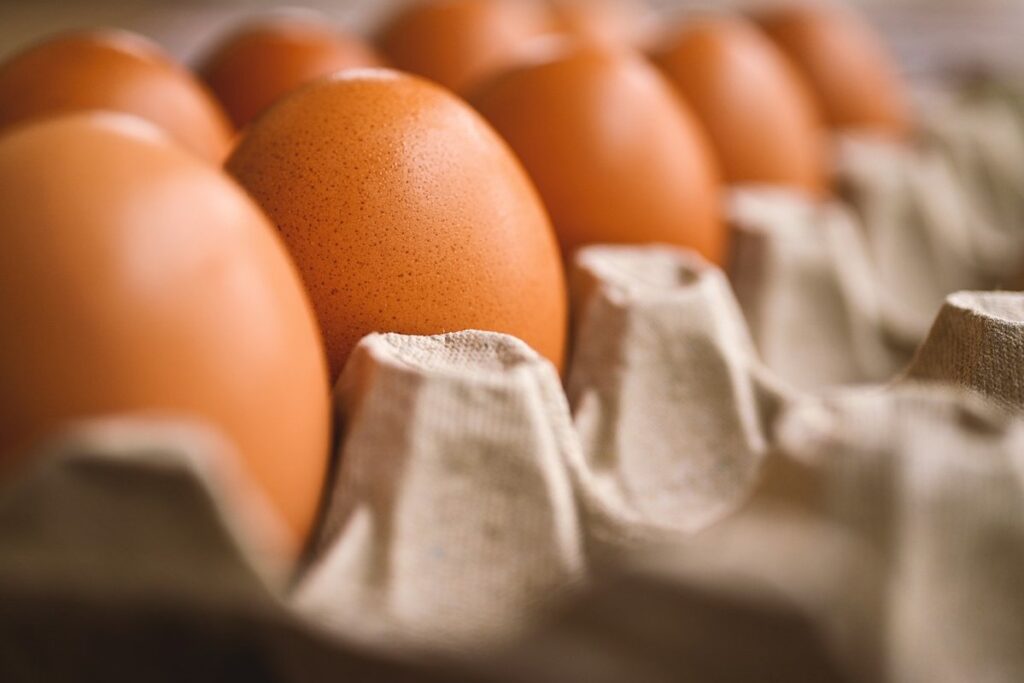
Brown eggs from Plymouth Rock chickens are a staple for many backyard flock owners. These eggs typically range in size from large to extra-large, making them ideal for baking and cooking. The brown color can vary in shade from a rich, dark chocolate to a lighter golden brown.
In terms of speckling patterns, some Plymouth Rock chicken eggs may have scattered freckles or spots on the shell, while others may be uniformly brown with no visible markings. This variation is due in part to individual bird characteristics and environmental factors such as diet and living conditions.
When collecting your own Plymouth Rock chicken eggs, look for a range of 200-250 grams for large eggs. Keep in mind that egg size can vary depending on the age of the hen, her overall health, and access to nutritious food.
Some owners have reported that their Plymouth Rock hens will produce more consistently brown eggs as they mature, often settling into a predictable pattern after about six months.
Rare or Uncommon Plymouth Rock Chicken Egg Colors
If you’re on a mission to discover the full range of egg color possibilities from your Plymouth Rock chickens, keep reading for some surprises! Let’s explore the rare and uncommon shades that might pop up in their eggs.
Blue or Green Eggs: A Rarity in Plymouth Rocks?
While Plymouth Rock chickens are known for their brown eggs, there have been instances where they’ve produced blue or green eggs due to genetic variations. These unusual colors are often the result of a condition called “dilution,” which can cause the pigment in the eggshell to be diluted, resulting in lighter or even blue-green hues.
For example, some breeders have reported Plymouth Rock hens laying pale blue or green eggs with yellow or pink undertones. One breeder shared a photo of an egg with a beautiful turquoise sheen on its surface, while another described eggs that had a soft blue-gray color.
It’s worth noting that these unusual colors are not necessarily indicative of any health issues in the hen or her eggs. However, they do require careful management and monitoring to ensure that the hens continue to lay healthy eggs. If you’re interested in breeding for rare egg colors, research and experience will be crucial in identifying and working with hens that exhibit these traits.
Pink or Red Eggs from Plymouth Rock Chickens
While Plymouth Rock chickens are known for their brown eggs, some rare cases have been reported of pink or red egg production. These unusual egg colors are not due to external influences like food or environment, but rather genetic variations within the flock.
Some breeders attribute these instances to a specific gene that affects melanin production in the hen’s ovaries. However, this gene is recessive and only becomes apparent when paired with another copy of the same gene. This means that a Plymouth Rock chicken must inherit two copies of the “pink or red egg” gene (one from each parent) to produce these colored eggs.
These genetic occurrences are extremely rare, making pink or red eggs from Plymouth Rock chickens a highly sought-after novelty among backyard chicken enthusiasts and breeders. While they may not be as common as brown eggs, discovering one of these unusual eggs can be an exciting experience for anyone who’s spent time raising and caring for their Plymouth Rock flock.
Factors Affecting Egg Color Consistency in Plymouth Rock Chickens
When raising Plymouth Rock chickens, it’s essential to understand how various factors can impact the consistency of their egg color. Genetics, nutrition, and environmental conditions all play a role in this process.
Age-Related Changes in Egg Color
As your Plymouth Rock chickens mature and age, you may notice subtle changes in their egg color. This phenomenon is a natural part of a chicken’s life cycle, influenced by factors such as genetics, nutrition, and health status.
As hens reach breeding age (around 18-24 weeks), you might observe a slight deepening or darkening of the eggshell color. This change can be due to hormonal fluctuations that occur during this stage of development. For example, some breeders report that their Plymouth Rock hens begin laying darker brown eggs around 6 months of age.
As your chickens continue to mature and reach prime laying age (around 1-2 years), the eggshell color may stabilize or even shift towards a more uniform shade. However, this can be affected by the individual bird’s health status. For instance, if a hen is experiencing stress or illness, her egg production – including egg color – may be impacted.
Keep in mind that these changes are relatively minor and should not significantly impact the overall appearance of your Plymouth Rock eggs. Regular monitoring of your flock’s health and nutritional needs can help minimize any potential effects on egg color consistency.
Nutrition’s Impact on Egg Color in Plymouth Rock Chickens
When it comes to the nutrition of Plymouth Rock chickens, their dietary needs play a significant role in determining the appearance of their eggs. A well-balanced diet is crucial for laying hens to produce consistently colored eggs. The quality and quantity of nutrients such as calcium, protein, and vitamins can impact eggshell color.
Calcium supplements are often added to poultry feed to promote strong bone development and ensure proper shell formation. However, excessive intake of these supplements can lead to an overabundance of calcium, resulting in a pale or washed-out appearance of the eggs. Conversely, a deficiency in calcium can cause brittle shells that may crack during laying.
To achieve consistent egg color through nutrition, it’s essential for farmers to balance their hens’ feed with the right amounts of calcium and other nutrients. A general rule of thumb is to provide 1-2% calcium content in the feed, depending on the age and breed of the chickens. Additionally, incorporating a diverse range of fruits and vegetables into their diet can enhance eggshell color and overall health.
Some farmers have reported success with adding natural sources of calcium such as oyster shells or crushed eggshells to their hens’ feed. These supplements provide a more gradual release of calcium and may help prevent over-supplementation issues.
Tips for Breeders to Encourage Desired Egg Colors
As a breeder, you’re likely eager to coax out those beautiful shades of blue or green from your Plymouth Rock hens. Here are some expert tips for encouraging desired egg colors in your flock.
Breeding Strategies for Targeted Egg Colors
When breeding for specific egg colors within the Plymouth Rock breed, it’s essential to understand that each color trait is inherited independently. This means you can select for one color without inadvertently introducing another. To start, you’ll need to identify the underlying genetics driving the desired color.
Begin by studying the characteristics of existing birds and their offspring. Look for patterns in egg color inheritance within your flock. For instance, if you’re breeding for blue eggs, note which parents produce blue-shelled chicks or hens with a higher incidence of blue eggs.
Next, develop a breeding plan that targets specific genetic combinations associated with the desired color trait. This may involve selecting birds with known favorable alleles (forms of a gene) and pairing them strategically to maximize the chances of passing on those traits to offspring.
It’s also crucial to test for genetic diversity and avoid inbreeding, which can lead to undesirable outcomes like decreased fertility or poor health. By adopting a thoughtful, data-driven approach to selective breeding, you’ll increase your chances of successfully promoting specific egg colors within the Plymouth Rock breed.
Nutritional Considerations for Optimizing Egg Color
When it comes to promoting healthy, vibrant egg color in Plymouth Rock chickens, nutritional considerations play a crucial role. A balanced diet that includes essential vitamins and minerals is vital for producing eggs with rich, intense colors.
A study by the University of California found that a diet high in marigold extract can increase the intensity of yolk color in laying hens. This natural pigment contains lycopene, an antioxidant that helps protect cells from damage. To incorporate this into your flock’s diet, you can add a small amount (about 1/4 teaspoon per pound of feed) to their feed or mix it with water for a treat.
Other key nutrients for promoting egg color include beta-carotene, vitamin A, and iron. Dark leafy greens like kale and spinach are excellent sources of these essential vitamins. You can also supplement your flock’s diet with crushed oyster shells, which contain calcium and other minerals that support strong eggshell production.
By incorporating these dietary strategies into your Plymouth Rock chicken care routine, you’ll be well on your way to producing eggs with vibrant, intense colors that will make your flock stand out.
Conclusion: Unlocking the Secrets of Plymouth Rock Chicken Egg Color
As we conclude our journey into the world of Plymouth Rock chicken egg color, let’s summarize what you’ve learned to unlock the secrets of this fascinating breed. We’ll recap the key takeaways from your newfound knowledge.
Recap of Key Points
When reviewing the various aspects of Plymouth Rock chicken egg color, it’s essential to revisit the key takeaways from this comprehensive guide. Let’s recap the main points that will help you better understand and manage the egg-laying characteristics of these remarkable birds.
From the outset, it was clear that Plymouth Rocks are renowned for their rich brown eggs, a trait that has made them a favorite among backyard chicken enthusiasts. However, as we delved deeper into the topic, we uncovered some fascinating nuances about their egg color. For instance, while many consider Plymouth Rock chickens to produce uniformly brown eggs, research revealed that they can also lay eggs with subtle variations in shade and intensity.
We discussed how factors such as nutrition, health, and genetics play a crucial role in determining the color and consistency of Plymouth Rock chicken eggs. It’s worth noting that proper feeding practices, including a balanced diet rich in essential nutrients, are vital to supporting healthy egg-laying. Moreover, regular check-ups with a veterinarian can help identify any potential issues affecting your flock.
One of the most significant takeaways from this guide is the importance of understanding individual bird characteristics when it comes to egg color. Every Plymouth Rock chicken has its unique traits and predispositions, so getting to know their distinct personalities and preferences is key to predicting their egg-laying behavior. By applying these insights into practice, you’ll be better equipped to manage your flock’s expectations and make informed decisions about breeding or culling.
In conclusion, while Plymouth Rock chickens are celebrated for their robust egg production, it’s equally crucial to acknowledge the complexities surrounding their egg color. By reviewing this guide and incorporating its key points into your management strategies, you’ll be well on your way to unlocking the full potential of these remarkable birds.
Frequently Asked Questions
How can I optimize the nutrition of my Plymouth Rock chickens to enhance egg color?
Concentrate on providing a balanced diet rich in beta-carotene, lycopene, and other pigments that contribute to egg yolk color. Consider supplementing with natural sources like alfalfa meal or flaxseeds, which are high in omega-3 fatty acids beneficial for eggshell production.
What environmental factors can affect the consistency of Plymouth Rock chicken egg colors?
Exposure to light, particularly ultraviolet (UV) radiation, can influence egg coloration. Ensure your flock has adequate shelter from direct sunlight and consider using UV-blocking window treatments to minimize this impact.
Can I breed Plymouth Rock chickens to produce blue or green eggs?
While genetic factors play a significant role in determining egg color, breeding for specific colors like blue or green is challenging due to the complexities of genetics involved. Focus on understanding the genetic makeup of your flock and selecting birds that are more likely to exhibit desirable traits.
How can I identify if Plymouth Rock chickens’ egg color changes with age?
Monitor your flock’s average age and observe any noticeable trends in egg coloration as hens mature. Keep in mind that some breeds, like Plymouth Rocks, tend to produce lighter or darker eggs as they age, so be aware of this characteristic when managing your flock.
Are there any specific breeding strategies I can use to target desired egg colors?
Implement selective breeding by choosing birds with the most desirable traits and crossing them with other birds that share similar characteristics. Consider inbreeding for targeted coloration, but exercise caution to avoid reducing genetic diversity and potential breed weaknesses.