
Are you considering bringing home some Plymouth Rock chickens for their famous eggs? Before making that decision, it’s essential to understand the characteristics and benefits of these feathered friends. One crucial aspect to consider is the egg production itself – specifically, the color and quality of their eggs.
As a popular breed among backyard chicken keepers, Plymouth Rocks are known for their friendly nature, hardiness, and impressive egg-laying abilities. But what about the actual color of their eggs? Do they produce brown eggs, white eggs, or perhaps something in between? In this article, we’ll delve into the specifics of Plymouth Rock chickens‘ egg production, including their typical egg colors and how to encourage optimal health for your flock. Whether you’re an experienced chicken keeper or a beginner looking to start small, keep reading to learn more about these lovable birds!
History and Origin of Plymouth Rock Chickens
These iconic birds have a rich history that spans centuries, and understanding their origins can help you appreciate the unique qualities they bring to your backyard flock. Let’s take a look at how Plymouth Rock chickens came to be.
Early Development and Purpose
The Plymouth Rock chicken breed has its roots in the United States, dating back to the late 19th century. Developed by William Tripp and his son, it was specifically bred as a dual-purpose bird for both eggs and meat production. Initially, the primary purpose of these chickens was to provide a reliable source of food for families and small farms.
As a result of their origins, Plymouth Rock chickens were designed to excel in multiple areas: laying enough eggs to meet household needs while also growing at a rate suitable for processing. They quickly gained popularity among farmers due to their impressive egg-laying abilities – an average of 200-220 brown eggs per year – and the fact that they could be raised on small plots of land.
In many ways, Plymouth Rock chickens embody the classic American homestead spirit: practical, versatile, and hardy. Today, these birds continue to thrive as a beloved breed for backyard flocks and commercial operations alike. Their rich history is a testament to the breed’s adaptability and enduring appeal.
Characteristics and Breeding Objectives
One of the key factors that have contributed to the popularity of Plymouth Rock chickens is their friendly and docile nature. They are known for being approachable and easy-going, making them an excellent choice for backyard flocks and families with children. In fact, many breeders and owners have reported that Plymouth Rocks are often the first birds to greet visitors at the door.
In addition to their charming personalities, Plymouth Rocks are also renowned for their hardiness and ability to thrive in a variety of environments. They can adapt to different climates and living conditions, making them an excellent choice for small-scale farmers or homesteaders who may not have access to extensive resources.
When it comes to breeding objectives, the focus has shifted over time from purely functional traits to aesthetic appeal. Breeders have worked to create Plymouth Rocks with a wide range of plumage colors and patterns, including silver, gold, and white. While these physical characteristics may seem superficial, they often come with desirable personality traits, such as increased docility or improved foraging abilities.
Egg Production and Characteristics
When it comes to egg production, Plymouth Rock chickens are prolific layers, producing an impressive number of brown eggs per year. Let’s dive into what you can expect from their egg production!
Egg Size, Shape, and Color Variations
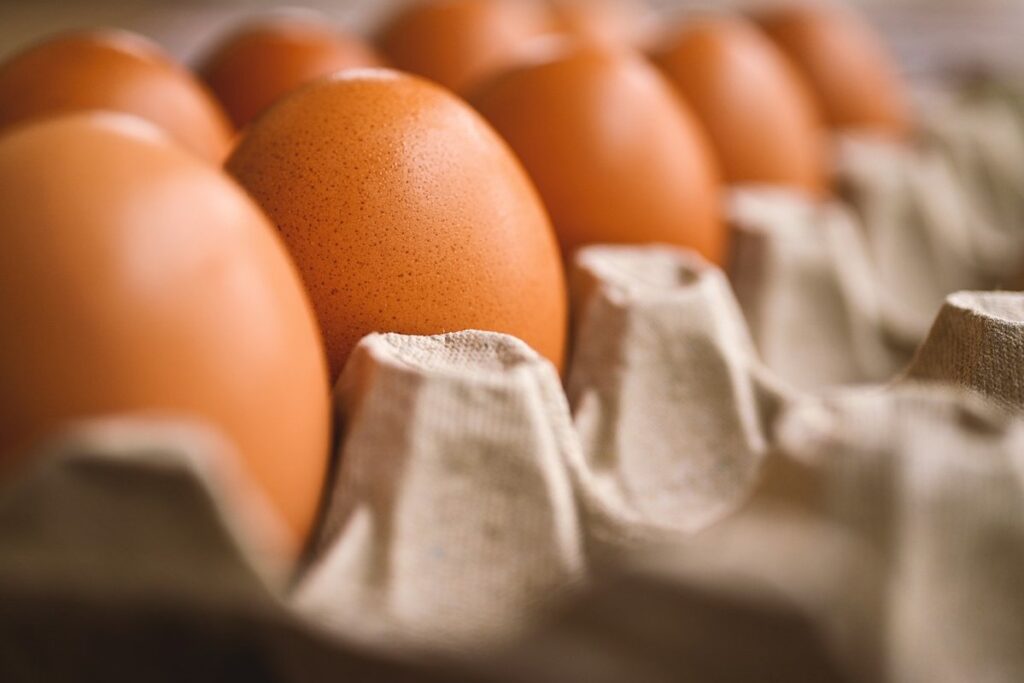
When it comes to egg production, Plymouth Rock hens are known for laying large, brown eggs. On average, their eggs typically measure around 2-3 inches long and about 1.75-2 inches wide. The shape of the egg is usually oval with a smooth texture. However, you might notice some variation in size, shape, or color from one hen to another.
Genetics play a significant role in determining egg color. Plymouth Rock hens have a dominant gene for brown eggs, which means that even if they carry genes for other colors like blue or green, the brown gene will still prevail. As a result, you’re unlikely to find many Plymouth Rock hens laying anything but shades of brown eggs.
That being said, some Plymouth Rock hens might lay eggs in slightly different hues due to individual genetic variations. These can range from a light golden brown to a rich chocolate brown. If you notice any significant deviation from the expected egg color, it could be worth investigating whether there’s a mix of breeds or another factor at play.
Factors Affecting Egg Production
When it comes to raising Plymouth Rock chickens for their signature brown eggs, several factors come into play that can impact egg production. Let’s dive into the key elements that affect egg laying in this beloved breed.
Nutrition plays a vital role in maintaining healthy egg production. A balanced diet rich in calcium, protein, and essential vitamins is crucial for your Plymouth Rock hens’ overall health and reproductive well-being. Ensure they have access to high-quality feed or supplements that cater specifically to their nutritional needs. For instance, adding crushed oyster shells to their diet can provide an excellent source of calcium.
Proper health is another critical factor influencing egg production. Regular check-ups with a veterinarian can help identify potential health issues early on, allowing for prompt treatment and minimizing the risk of disease. Maintain cleanliness in your coop and run, and keep an eye out for signs of stress or illness in your flock.
The living conditions also have a significant impact on egg production. Provide ample space, ventilation, and shelter to ensure your Plymouth Rock hens feel comfortable and secure. Aim for at least 2-4 square feet per bird indoors and plenty of sunlight exposure outdoors.
Health Considerations for Plymouth Rock Chickens
When considering keeping Plymouth Rock chickens, it’s essential to think about their health needs and how you can provide a happy and healthy environment for them. Let’s explore some key factors to keep in mind.
Common Health Issues and Their Causes
As you strive to raise healthy Plymouth Rock chickens that lay vibrant eggs, it’s essential to be aware of common health issues that can affect these birds. Respiratory problems are a significant concern, particularly during times of high temperature or humidity. To prevent respiratory issues, ensure that your flock has access to fresh air and maintain good ventilation in their coop.
Parasites such as mites, lice, and worms can also impact the health of your Plymouth Rock chickens. These external pests can be managed by regularly cleaning the coop and providing a clean, dry environment for your birds. Regular inspections can help detect these issues early on. Nutritional deficiencies are another common problem that can lead to weakened immune systems and poor egg quality.
A balanced diet rich in essential nutrients is crucial in preventing nutritional deficiencies. Provide your chickens with a high-quality layer feed supplemented with calcium, protein, and vitamins as needed. Avoid over-reliance on scratch grains or table scraps, which can create nutrient imbalances.
Tips for Maintaining Flock Health
Maintaining good flock health is crucial to ensuring your Plymouth Rock chickens remain healthy and productive. Start by establishing a routine for vaccination schedules. Consult with a veterinarian to determine the best vaccine protocols for your flock, as they may vary depending on factors such as age, climate, and region. Schedule regular vaccinations at 1-2 weeks of age, followed by boosters at 4-6 weeks.
Keep an eye out for signs of potential health problems. Monitor your birds regularly for symptoms like labored breathing, lethargy, or changes in droppings. Regularly inspect their living space to control parasites like mites and lice. Use diatomaceous earth or insecticidal soap to maintain cleanliness. Make sure your chickens always have access to fresh water and a balanced diet.
To prevent disease outbreaks, practice good biosecurity measures such as washing hands before handling the birds and disinfecting equipment regularly. Keep your flock isolated from other birds for at least 30 days after introducing new additions. With these precautions in place, you can enjoy healthy and thriving Plymouth Rock chickens that will continue to produce their signature blue eggs.
Raising Plymouth Rock Chickens: Tips and Best Practices
When it comes to raising healthy, happy Plymouth Rock chickens, there are several key tips and best practices to keep in mind for a successful flock. Let’s dive into some essential advice.
Starting with Chicks or Pullets
When starting a new flock of Plymouth Rock chickens, one of the most important decisions you’ll make is choosing the right age and sex ratio. You have two options: start with chicks or pullets.
Starting with chicks has its advantages. For one, they’re more affordable than buying established pullets. Additionally, chicks are often less stressed by handling and transportation, which can reduce mortality rates in the first few weeks. However, caring for chicks requires a lot of time and attention, especially during the critical first few weeks. You’ll need to provide them with a warm, safe place to live, as well as a nutritious starter feed.
On the other hand, pullets are already around 16-20 weeks old when you buy them. They’re almost fully grown and can start laying eggs sooner than chicks. However, they may be more expensive upfront, and some pullets may take longer to adjust to their new surroundings.
When choosing between chicks and pullets, consider your experience level and the size of your flock. If you’re a seasoned chicken keeper with plenty of space, starting with chicks might be the way to go. But if you’re short on time or have limited space, pullets may be a better option.
Housing, Nutrition, and Exercise Requirements
When it comes to raising Plymouth Rock chickens, providing a suitable environment that meets their physical and nutritional needs is essential. A well-designed coop is crucial for the health and happiness of your flock. Ensure the coop has adequate ventilation, protection from predators, and enough space for your birds to move around comfortably.
In terms of nutrition, Plymouth Rocks are heavy egg-layers and require a balanced diet to maintain their energy levels. Feed them a high-quality layer feed that contains essential nutrients such as calcium, protein, and vitamins. Consider supplementing with fruits and vegetables, like leafy greens or carrots, to provide variety and additional nutrients.
Adequate exercise is also vital for Plymouth Rock chickens. Provide at least 10-12 square feet of outdoor space per bird to allow them to engage in natural behaviors like scratching, pecking, and flying. This will help maintain their physical health and keep them entertained. You can also consider installing a run or fencing to prevent escape and ensure safety.
By meeting the housing, nutrition, and exercise needs of your Plymouth Rock chickens, you’ll be rewarded with happy and healthy birds that lay plenty of delicious eggs!
Breed Variations: Differences in Egg Color and Production
If you’re wondering why your Plymouth Rock hens are laying eggs of different colors, it’s likely due to breed variations affecting their shell hues. Let’s explore these differences together.
White, Barred, and Blue Plymouth Rocks
If you’re raising Plymouth Rock chickens, you might be wondering about the different variations and their egg-laying abilities. The White, Barred, and Blue Plymouth Rocks are three of the most common breeds within this group.
The White Plymouth Rock is known for laying large to extra-large white eggs. They tend to produce around 200-220 eggs per year, making them an excellent choice for backyard flocks looking for a reliable source of eggs. However, their egg color can sometimes appear more cream or light brown due to the genetics of the breed.
The Barred Plymouth Rock is another popular variation, laying large to extra-large brown eggs. They produce around 200-220 eggs per year as well, but with a slightly higher rate of brown-tinted eggs than the White Plymouth Rock. This can be beneficial for those who prefer darker egg shells or want to add some color to their eggs.
The Blue Plymouth Rock lays large to extra-large blue-green eggs and produces fewer eggs than its counterparts, around 180-200 per year. However, they are more resistant to disease and have a slightly easier temperament, making them ideal for small backyard flocks with limited space.
When choosing between these breeds, consider your needs and preferences. If you want a steady supply of white eggs, the White Plymouth Rock is an excellent choice. If you prefer brown-tinted eggs or want to add some color to your collection, the Barred Plymouth Rock might be a better fit.
How to Choose the Right Breed for You
When it comes to choosing the right breed of chicken for your needs, there are several factors to consider. As a Plymouth Rock enthusiast, you’re likely drawn to their unique characteristics, but it’s essential to ensure that they align with your lifestyle and preferences.
One crucial aspect to consider is egg color. While Plymouth Rocks are known for laying light brown eggs, some breeds may lay white or blue eggs if that’s what you’re looking for. Think about whether the egg color matters to you – do you have a favorite color scheme in your kitchen or prefer a specific hue? Consider breeds like Araucanas or Ameraucanas if you want blue eggs.
In addition to egg color, think about the size and frequency of production. Plymouth Rocks are moderate layers, producing around 200-220 brown eggs per year. If you need more eggs for a larger family or want a breed that will keep up with your needs, research breeds like Leghorns or Rhode Island Reds.
Ultimately, the right breed is one that meets both your needs and preferences. Take some time to research different characteristics, consider what’s essential to you, and don’t be afraid to reach out to other chicken owners for advice.
Conclusion: Why Keep Plymouth Rock Chickens for Eggs?
Now that we’ve explored the wonderful world of Plymouth Rock chicken eggs, let’s talk about why you’ll love keeping these birds for their delicious, nutritious ova.
Benefits of Raising Plymouth Rock Chickens
If you’re considering raising Plymouth Rock chickens for eggs, there are numerous benefits to keep in mind. These birds are renowned for their high egg production, with an average of 200-300 brown eggs per year. Their friendly nature makes them a joy to have around the yard, and they get along well with other breeds.
Another advantage is their adaptability to small spaces, making them an ideal choice for backyard flock owners who may not have acres of land available. They thrive in confined areas as long as they’re provided with adequate shelter, food, and water.
Their friendly demeanor also extends to humans, as Plymouth Rock chickens are known to be docile and easy-going. This makes them a great breed for families or individuals with children who want to learn about chicken care and responsibility.
Overall, the combination of high egg production, gentle nature, and adaptability to small spaces has made Plymouth Rock chickens a popular choice among backyard flock owners.
Final Tips and Encouragement
As you’ve made it through this comprehensive guide on Plymouth Rock chickens’ egg color, we hope you’re as excited as we are about the prospect of raising these wonderful birds! If you’re considering starting or expanding your flock with Plymouth Rocks, here are some final tips and encouragement to keep in mind.
Firstly, don’t be discouraged if your initial attempts at hatching eggs from your Plymouth Rock chickens result in a few duds. It’s all part of the learning process, and many backyard chicken enthusiasts have had their fair share of failed hatchings. What matters most is that you’re willing to learn and improve with each new batch.
Another essential aspect to remember is that Plymouth Rocks are friendly birds that require attention and interaction. Set aside time each day to spend with them, feeding them treats, and simply enjoying their company. This bond will not only bring joy to your daily routine but also encourage the hens to thrive in their surroundings.
Lastly, if you’re planning to keep Plymouth Rock chickens for eggs, be prepared to get hooked! Their friendly nature, low maintenance requirements, and of course, delicious brown eggs make them a rewarding addition to any backyard flock.
Frequently Asked Questions
Can Plymouth Rock chickens be used for meat production as well as egg-laying?
Yes, one of the unique benefits of Plymouth Rock chickens is their dual-purpose nature, making them a great choice for backyard chicken keepers who want both eggs and meat from their flock. With proper care and management, they can provide an excellent source of protein for your family.
How do I encourage optimal egg production in my Plymouth Rock chickens?
To maximize egg production, ensure your hens have access to plenty of fresh water, high-quality feed, and adequate exercise. A balanced diet that includes calcium supplements will also help support strong eggshell production. Maintain a clean coop and provide enough space for your flock to roam freely.
What are some common health issues associated with Plymouth Rock chickens?
As with any breed, Plymouth Rock chickens can be prone to certain health issues such as Marek’s disease, frostbite, and respiratory problems. Keeping your flock up-to-date on vaccinations and maintaining a clean living environment can help prevent many of these issues. Monitor your birds regularly for signs of illness and consult a veterinarian if you notice any unusual behavior.
Can I raise Plymouth Rock chickens in cold climates?
While Plymouth Rock chickens are generally hardy birds, they do require protection from extreme temperatures. If you live in an area with harsh winters, ensure your coop is well-insulated to keep the hens warm. Provide extra bedding materials and consider adding a heater for added warmth.
How long does it take for Plymouth Rock chickens to start laying eggs?
Plymouth Rock chickens typically begin laying eggs at around 18-20 weeks of age. However, this can vary depending on factors such as nutrition, health, and individual bird development. Start introducing your chicks or pullets to a balanced diet rich in calcium and essential nutrients from an early age to support optimal egg production.