
Are you fascinated by heritage chickens? Look no further than the Plymouth Rock hen, an iconic breed that’s steeped in history and packed with personality. These magnificent birds have been a cornerstone of American farming for centuries, providing eggs and meat to families across the country. But what makes them so special? In this article, we’ll delve into the fascinating story behind the Plymouth Rock hen, exploring their unique characteristics, care requirements, and breeding tips. Whether you’re an experienced chicken keeper or just starting out, you’ll discover everything you need to know about raising these magnificent heritage birds. From feeding and housing to health and behavior, we’ll cover it all – so get ready to learn more about the wonderful world of Plymouth Rock hens!
Origin Story: The Legend of William Bradford and the Pilgrims
Let’s take a step back in time and explore how it all began, from the brave Pilgrims who sailed to America over 400 years ago. You’ll discover their incredible story that paved the way for our beloved Plymouth Rock Hens today.
Introduction to Plymouth Colony’s Founding Fathers
The Pilgrims’ journey to America is a fascinating tale of courage, perseverance, and determination. As we delve into the story of the Plymouth Rock hens, it’s essential to understand the backdrop of their ancestors, the Pilgrims. These English Separatists left behind the familiarity of their homeland in search of freedom from persecution.
In 1620, 102 brave souls set sail on the Mayflower, bound for the New World. Their motivations were simple yet profound: to establish a new life free from the shackles of the Church of England and its strict policies. The Pilgrims had grown tired of being forced to conform to the established church’s teachings, and they sought a place where they could practice their faith without interference.
Their perilous voyage across the Atlantic was marked by rough seas, scurvy, and disease. The Mayflower Compact, signed on board, would serve as the foundation for their new society in Plymouth Colony. This historic document outlined the principles of governance and equality that would shape the colony’s future.
The Role of William Bradford in the Establishment of Plymouth Colony
As we explore the fascinating history of Plymouth Rock hens, let’s take a step back and examine the pivotal role William Bradford played in establishing the Plymouth Colony. Upon John Carver’s untimely death in 1621, Bradford took over as governor, a position he held for nearly three decades. His leadership skills and vision for the colony were instrumental in its survival.
Bradford’s unwavering dedication to the colony can be attributed to his strong faith and conviction. He believed that God had chosen them to establish a new home in America, where they could worship freely and build a community based on biblical principles. As governor, Bradford made crucial decisions that ensured the colony’s success, including establishing trade relationships with the indigenous Wampanoag tribe.
A notable example of Bradford’s leadership is his decision to plant crops and establish a food supply, which ultimately led to the colony’s survival during its first harsh winter. This foresight not only saved lives but also set a precedent for future generations of farmers. Bradford’s legacy lives on through the Plymouth Rock hens, a testament to the resilience and determination of those early settlers.
The Fateful Landing on Plymouth Rock
In 1620, the Mayflower carried William Bradford and the Pilgrims to the shores of what is now Massachusetts. Their landing on Plymouth Rock was a pivotal moment in American history. The story goes that after exploring Cape Cod Bay, they decided to anchor the ship in Provincetown Harbor, but due to shallow waters, they chose an alternative site further south.
As fate would have it, their vessel dropped anchor off what is now known as Clark’s Point, and a small boat carrying William Bradford and several others approached the shoreline. With difficulty, the craft grounded near what we now know as Plymouth Rock. It was here that Bradford stepped onto dry land for the first time in almost two months.
According to historical accounts, Myles Standish drew his sword to protect the group from potential Native American threats, but instead of hostility, they were met with an offer of peace by Samoset, a member of the Abenaki tribe. This encounter set the stage for future peaceful interactions between European settlers and indigenous peoples.
The landing on Plymouth Rock was only the beginning of a long and often challenging journey for the Pilgrims as they sought to establish themselves in this new land. Their determination, coupled with the aid of their Native American friends, ultimately led to the successful settlement of Plymouth Colony.
Characteristics of Plymouth Rock Hens: A Brief Overview
Let’s take a closer look at the unique characteristics that make Plymouth Rock Hens such beloved backyard companions. They’re known for their friendly and hardy nature, making them perfect for families and beginners alike.
Physical Appearance and Size
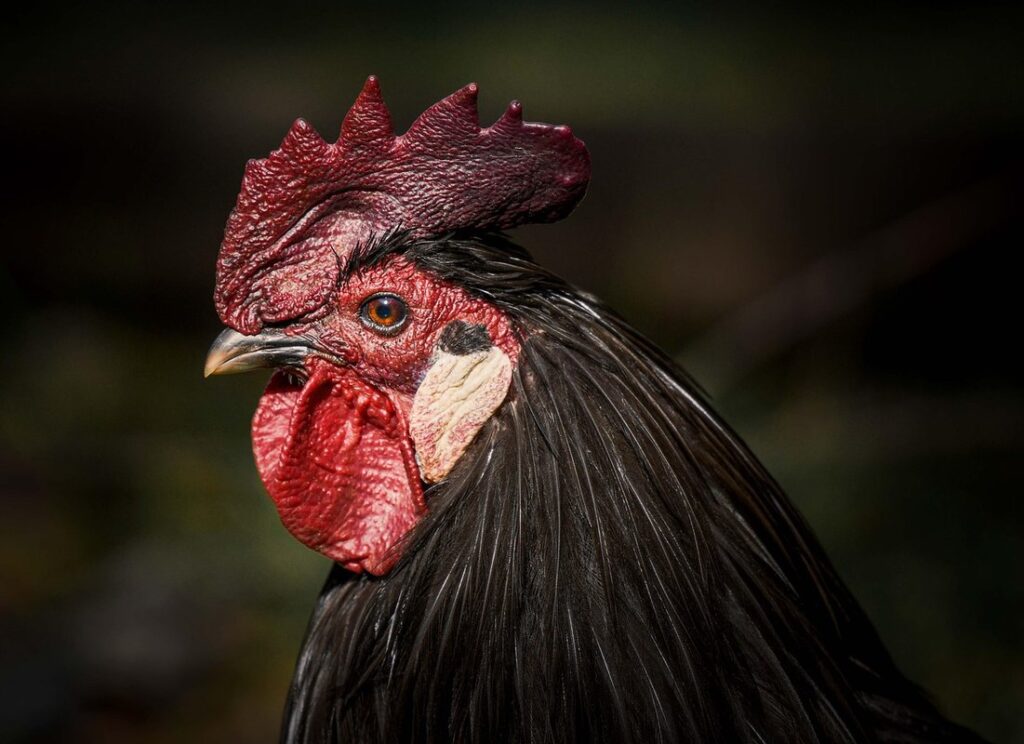
One of the most distinctive features of Plymouth Rock hens is their physical appearance. When it comes to size, these birds are considered medium-sized, with a weight range of 4-6 pounds (1.8-2.7 kg). Their height can vary between 16 and 20 inches (40-51 cm), making them a great choice for backyard flocks. In terms of plumage, Plymouth Rock hens have a clean, smooth coat that is free from any lumps or feathers on the legs and feet.
Their beak shape is another notable feature, with a medium-length beak that is neither too short nor too long. One key characteristic to look out for when identifying a Plymouth Rock hen is their distinctive comb: it’s relatively small compared to other breeds but still well-fleshed, adding to the bird’s overall robust appearance.
When it comes to distinguishing features, keep an eye out for the plumage pattern on the back – it should have a slightly darker shade than the breast. These characteristics are what set Plymouth Rock hens apart from their contemporaries in terms of physical attributes.
Temperament and Personality Traits
One of the most endearing qualities of Plymouth Rock hens is their temperament. These birds are known for being friendly and docile, making them an excellent choice for backyard flocks or families with children. Their calm nature allows them to get along well with other poultry, including larger breeds, as long as they’re introduced properly.
In terms of personality traits, Plymouth Rocks are highly social birds that thrive on interaction. They’ll eagerly follow you around the yard, exploring their surroundings and investigating new sights and sounds. With proper care and attention, these hens can become quite tame, enjoying treats from your hand and even perching on your lap.
Their adaptability is another notable aspect of Plymouth Rock temperament. These hens can adjust to various living situations, including smaller spaces like urban backyards or larger areas with plenty of room to roam. This flexibility makes them an ideal choice for homesteaders, farmers, or anyone looking to start a small flock.
When introducing a new Plymouth Rock hen to your existing flock, remember to provide a separate enclosure or “introduction zone” where they can get to know each other without any stress or competition for resources. By doing so, you’ll be able to enjoy the benefits of their friendly nature and social personalities.
Egg-Laying Capacity and Broodiness
When it comes to egg production, Plymouth Rock hens are known for their impressive capacity. On average, a healthy Plymouth Rock hen will lay around 200-220 brown eggs per year, which is quite substantial considering her moderate size and relatively laid-back temperament. This makes them an excellent choice for backyard chicken keepers who want a reliable source of fresh eggs without having to worry too much about feed or other inputs.
However, it’s essential to note that individual egg-laying capacity can vary depending on factors like diet, exercise, and overall health. A balanced mix of grains, proteins, and calcium-rich foods will help support your hen’s reproductive cycles and keep her laying strong. Some breeders even report average yields of up to 250 eggs per year under optimal conditions!
One challenge many backyard chicken enthusiasts face is managing broodiness in Plymouth Rock hens. While some people adore watching their hens go through the process, it can be a real nuisance if you’re not prepared for it. A hen that’s gone broody will stop laying and start sitting on eggs obsessively, refusing to leave her coop or nesting box even when hungry or thirsty. To prevent this, many breeders remove the eggs from the nesting box and provide an artificial incubator or separate brooder where they can hatch their own chicks without getting too attached.
By understanding these quirks and being proactive in managing your flock’s reproductive cycles, you can minimize disruptions to egg production and keep your Plymouth Rock hens happy, healthy, and productive throughout the year.
History of the Breed: Development and Popularity
The Plymouth Rock hen’s rich history dates back to 19th-century America, where they were developed as a dual-purpose breed for both egg-laying and meat production. We’ll take a closer look at their fascinating origins.
Early Development and Introduction to America
The Plymouth Rock breed has its roots in early American history. Developed from the Old English game fowl, this breed was first introduced to America by European settlers in the 1600s. The exact origin is unclear, but it’s believed that these birds were brought over as egg-layers and foragers.
Key milestones mark the development of the Plymouth Rock breed. In 1807, Benjamin Franklin himself wrote about a “Plymouth fowl” he kept on his farm. This early mention highlights the breed’s potential as both an egg-layer and meat producer. The breed gained popularity in the late 19th century, particularly among farmers due to its hardiness and adaptability.
By the mid-1800s, Plymouth Rocks were widely known for their distinctive appearance – a slate-gray plumage with white markings on the wings and tail. Their friendly nature made them a favorite among backyard chicken enthusiasts. Today, the breed remains a staple in many American farms and backyards, prized for its rich history and robust characteristics.
Early breeders selectively bred Plymouth Rocks to emphasize desirable traits such as egg-laying capacity, growth rate, and resistance to disease. This selective breeding played a crucial role in shaping the breed’s appearance and temperament we know today.
Rise to Popularity and Preservation Efforts
The Plymouth Rock breed’s rise to popularity was gradual but steady. Initially developed in the mid-19th century as a cross between a Cochin and an English Game Fowl, this bird was bred for its hardiness, egg-laying ability, and docile temperament. By the early 20th century, the Plymouth Rock had gained widespread recognition among backyard farmers and small-scale poultry keepers due to its impressive characteristics.
As urbanization increased in the mid-20th century, many of these heritage breeds fell out of favor and their populations began to decline. However, dedicated breeders and enthusiasts took notice and worked tirelessly to preserve the Plymouth Rock’s unique traits. In 1940, the American Bantam Association (ABA) recognized the Plymouth Rock as a distinct breed, and in 1979, the Poultry Club of Great Britain followed suit.
To this day, preservation efforts continue with many breeders focusing on maintaining the original characteristics that made this bird so beloved. By supporting local breeders and adopting these heritage birds, you too can contribute to their preservation and help keep the Plymouth Rock’s rich history alive.
Care and Management of Plymouth Rock Hens
To ensure your Plymouth Rock hens thrive, proper care and management are essential, including feeding, housing, health checks, and regular cleaning. Let’s dive into the specifics.
Housing and Living Conditions
When it comes to housing and living conditions for Plymouth Rock hens, providing a safe, healthy environment is crucial. A recommended coop size for a small flock of 3-5 hens is around 4×4 feet or larger. This allows them enough space to move around comfortably and engage in natural behaviors like scratching and roosting.
Proper ventilation is also vital to prevent ammonia buildup from droppings, which can cause respiratory issues. A well-designed ventilation system with windows or vents that provide cross-ventilation will help keep the air fresh and clean. Ensure that these openings are covered during harsh weather conditions to protect your hens from drafts.
For nesting boxes, a good rule of thumb is to have one box per 3-4 hens. The box should be around 12 inches wide, 12 inches deep, and 18 inches tall to allow them to easily enter and exit while laying eggs. Position the nesting box at a comfortable height for your hens, typically around 2-3 feet off the ground. Regularly cleaning and maintaining these areas will help keep your Plymouth Rock hens happy and healthy.
Diet and Nutrition Needs
When it comes to maintaining the optimal health of your Plymouth Rock hens, their diet plays a crucial role. These birds are omnivores and require a balanced mix of protein, calcium, and essential vitamins to stay healthy.
Aim to provide about 16-18% protein content in their feed, which can be achieved through a combination of commercial layer feed and supplements like mealworms or sunflower seeds. It’s also vital to ensure they have access to fresh calcium sources, such as crushed oyster shells or dark leafy greens like kale.
In terms of vitamin requirements, Plymouth Rock hens benefit from vitamins A, D3, and E. These can be obtained through a balanced feed or added supplements, but it’s essential not to overdo it, as excessive intake can lead to health issues. You can also consider adding fruits and vegetables, like apples and carrots, to their diet for extra nutrients.
As with any flock, it’s essential to observe your birds’ preferences and adjust their diet accordingly. Some hens may have unique dietary needs or allergies, so keep a close eye on their behavior and adjust their feed to maintain optimal health.
Breeding and Raising Plymouth Rock Hens
If you’re considering adding some friendly Plymouth Rock hens to your backyard flock, learning how to breed and raise them is a crucial step. This section will guide you through the process.
Selection Criteria for Breeders
When selecting roosters and hens for breeding purposes, breeders should carefully consider several key factors to ensure the success of their flock. Genetics are a crucial aspect to evaluate, as you want to maintain the distinctive characteristics of the Plymouth Rock breed. Look for birds that exhibit excellent egg-laying ability, high fertility rates, and robust health.
In terms of fertility, check the rooster’s performance by observing his mating behavior with the hens. A fertile rooster will actively court and mate with multiple hens throughout the day, ensuring a strong genetic contribution to your flock. Temperament is also vital; you want birds that are friendly, docile, and easy to handle.
To assess temperament, observe how the birds interact with each other and with humans. Look for signs of aggression or stress in the rooster’s behavior around hens. A calm and gentle demeanor is essential for a breeding program. By carefully evaluating these factors, you can select high-quality breeding stock that will help maintain the integrity and excellence of the Plymouth Rock breed.
Tips for Raising Chicks and Pullets
Raising Plymouth Rock Chicks and Pullets Requires Specialized Care
When it comes to raising Plymouth Rock chicks and pullets from hatch to maturity, there are several key considerations to keep in mind. First and foremost, vaccination schedules play a critical role in protecting these young birds from disease. A typical vaccination schedule for Plymouth Rock chickens includes initial vaccinations at one day old followed by boosters every 2-3 weeks until the bird is six months old.
In addition to vaccinations, parasite control measures should also be implemented from an early age. This may involve using medicated starter feed or administering deworming medication as directed by a veterinarian. It’s essential to closely monitor your flock for signs of internal parasites and take prompt action if necessary.
Socialization is another vital aspect of raising healthy Plymouth Rock pullets. Allow these young birds access to the outdoors from an early age to promote exercise, exploration, and social interaction with other chickens. With proper care and attention, your Plymouth Rock chicks and pullets will grow into robust and confident laying hens.
Conclusion: Celebrating the Significance of Plymouth Rock Hens
As we wrap up our journey through the world of Plymouth Rock Hens, let’s take a moment to appreciate their impact on backyard flocks and poultry enthusiasts everywhere.
Summary of Key Points
In this final section, we’ll recap the key takeaways from our exploration of Plymouth Rock hens. As we conclude our journey through their history, characteristics, and care, it’s essential to remember why preserving heritage breeds like these magnificent birds is crucial for the future.
The Plymouth Rock hen’s rich history is a testament to its resilience and adaptability. From its origins as a dual-purpose breed in the 19th century to its current status as a beloved pet and backyard farm addition, this bird has proven itself time and again. Its unique characteristics – including its friendly demeanor, hardiness, and egg-laying prowess – make it an attractive choice for many poultry enthusiasts.
One of the most significant benefits of owning Plymouth Rock hens is their ability to thrive in various environments. Whether you’re a seasoned farmer or a beginner looking to start small, these birds are remarkably low-maintenance and can be integrated into even the busiest of schedules. With proper care and attention, they’ll reward you with an abundance of fresh eggs and a deep sense of connection to your land.
As we’ve emphasized throughout this article, preserving heritage breeds like the Plymouth Rock hen is vital for maintaining genetic diversity in poultry populations. By supporting these incredible birds through our choices as consumers and keepers, we contribute to their continued survival and ensure that future generations can appreciate their beauty and utility.
In conclusion, Plymouth Rock hens are more than just a type of chicken – they represent a connection to the past, a commitment to sustainability, and a testament to the ingenuity of our forebears. As we celebrate their significance, let’s take action to safeguard their place in our lives and in the world.
Frequently Asked Questions
How do I know if a Plymouth Rock hen is a good fit for my backyard farm?
A good starting point is to consider your available space, as these hens require around 2-4 square feet of space per bird. You’ll also want to think about their noise level and activity, as they can be quite energetic. If you have children or live in a residential area, it’s essential to weigh the pros and cons before bringing home a Plymouth Rock hen.
Can I raise a mix of breeds on my small farm?
Mixing breeds can indeed add genetic diversity to your flock, but it’s crucial to understand that some breeds may not adapt well together. For example, if you’re breeding for specific traits like egg-laying capacity or broodiness, introducing a different breed might disrupt these characteristics. Research the compatibility of breeds before mixing them on your farm.
How often should I collect eggs from my Plymouth Rock hens?
Egg collection frequency largely depends on your personal preference and needs. If you’re raising your hens for egg production, collecting daily will ensure freshness and minimize waste. However, if you have a larger flock or are away from home frequently, collecting every other day might be more manageable.
Can I raise Plymouth Rock hens in cold climates?
While Plymouth Rock hens can tolerate some frost, extreme cold temperatures (below 0°F) may require additional precautions. Providing adequate shelter with insulation and ensuring access to unfrozen water will help your flock thrive during harsh winters. Research specific care requirements for raising heritage breeds in your region.
How long do Plymouth Rock hens typically live?
On average, a well-cared-for Plymouth Rock hen can live between 5-7 years. Proper nutrition, regular health checks, and protection from predators will contribute to their longevity. Keep in mind that individual birds may vary depending on factors like diet, environment, and genetics.