
If you’re considering raising Plymouth Rock hens for their delicious eggs, you’re probably eager to learn more about these popular birds. Raising healthy, happy Plymouth Rock hens is crucial if you want to maximize their egg production and get the most out of your backyard flock. But what sets them apart from other breeds? In this article, we’ll dive into the unique characteristics of Plymouth Rock hens, including their breeding history and care requirements. You’ll discover how to create an ideal environment for these birds to thrive, resulting in a steady supply of fresh eggs. Whether you’re an experienced farmer or just starting out, our guide will walk you through the essentials of raising healthy Plymouth Rock hens and maximizing their egg production.
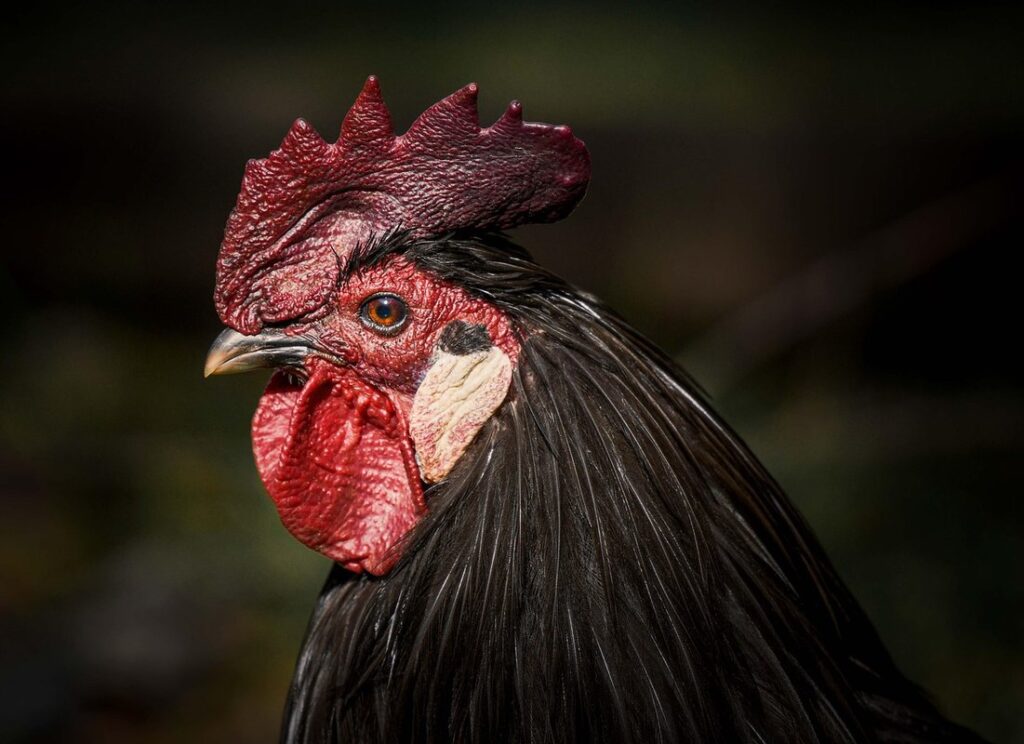
What are Plymouth Rock Hens?
Let’s get started by learning more about these amazing birds – what exactly is a Plymouth Rock Hen and how do they become so popular among backyard chicken keepers?
Characteristics of Plymouth Rock Chickens
The Plymouth Rock chicken breed has a rich history that dates back to 19th-century America. Originating from Massachusetts, this hardy and friendly bird was developed for its excellent egg-laying abilities and adaptability to various climates. One of the most distinctive physical characteristics of Plymouth Rock chickens is their stout build, with hens weighing around 6-7 pounds and roosters reaching up to 8-9 pounds.
They boast a double-layered feathering system that provides excellent protection against harsh weather conditions. Their plumage comes in an array of colors including silver, gold, red, buff, and barred, making them visually appealing birds. Plymouth Rock hens are known for their gentle nature, which makes them an ideal choice for families with children or those who prefer a low-maintenance pet.
When it comes to egg-laying, Plymouth Rock chickens are prolific producers, laying around 200-220 brown eggs per year. Their eggs are medium-sized and have a rich, dark-brown color that is highly prized by many chicken enthusiasts. If you’re considering bringing home a Plymouth Rock hen or two, be prepared for their friendly demeanor and robust health, which will undoubtedly reward your decision with an abundance of fresh, delicious eggs!
Temperament and Personality
Plymouth Rock hens are known for their friendly and docile nature, making them an excellent choice for backyard flocks. These birds are highly adaptable to various environments, thriving in both small and large spaces as long as they receive regular care and attention. One of the distinctive traits of Plymouth Rocks is their willingness to follow a leader, which makes them easy to manage and handle.
Their friendly nature also extends to their interactions with humans, making them an excellent choice for families with children or for farmers who want a low-maintenance flock. However, it’s essential to note that like any chicken breed, they require regular socialization and exercise to maintain their temperament.
In terms of personality traits, Plymouth Rock hens are generally quiet and laid-back, which is ideal for backyard flocks where noise levels can be a concern. They also tend to be relatively hardy and resistant to diseases, which makes them a low-maintenance option for farmers.
Raising Plymouth Rock Hens for Eggs
When it comes to raising Plymouth Rock hens for eggs, understanding their specific needs and care requirements is crucial to achieving optimal egg production. In this section, we’ll explore the key considerations to keep in mind.
Starting with Chicks or Pullets
When it comes to raising Plymouth Rock hens for eggs, many backyard chicken keepers start with chicks or pullets. Acquiring these young birds can be done through various sources, and it’s essential to know where to buy them from.
You can purchase Plymouth Rock chicks from reputable hatcheries, such as Meyer Hatchery or Metzer Farms, which specialize in shipping day-old chicks across the country. Another option is buying pullets, which are around 16-20 weeks old, from local breeders or feed stores. When selecting a breeder or supplier, ensure they provide healthy birds with proper documentation and support.
During the initial stages of growth, it’s crucial to provide optimal care for your chicks or pullets. This includes a warm brooder, nutritious starter feed, and regular vaccinations. Keep in mind that chicks need more frequent feeding and monitoring than pullets, as they grow rapidly during their first few weeks. As they mature, you’ll need to transition them to layer feed and ensure they have access to fresh water at all times.
It’s also essential to plan for space and equipment needs as your birds grow. A starter coop or enclosure should be set up with adequate ventilation and protection from predators. With proper care and attention, your Plymouth Rock hens will thrive and provide you with a steady supply of eggs.
Nutrition and Health Considerations
When it comes to raising Plymouth Rock hens for eggs, providing them with a balanced and nutritious diet is crucial for their overall health and productivity. These birds are known to be dual-purpose, meaning they can provide both meat and eggs, but their primary role is egg-laying.
To meet the dietary needs of your Plymouth Rock hens, it’s essential to offer a high-quality commercial layer feed that contains the necessary nutrients for egg production. You should also supplement with oyster shells to support strong eggshell formation and reduce the risk of breakage. The quality of water is equally important; ensure it’s fresh and free from contaminants.
Some common health issues in Plymouth Rock hens include respiratory problems, mites, and lice infestations. To prevent these issues, maintain a clean and well-ventilated coop, ensure good airflow, and regularly inspect your birds for signs of illness or pests. Additionally, practice proper biosecurity measures such as disinfecting equipment and isolating new birds to minimize the risk of disease transmission.
Providing a nutritious diet and maintaining a healthy environment will not only improve the egg-laying performance but also reduce the likelihood of health issues in your Plymouth Rock hens.
Egg Production and Characteristics
When it comes to Plymouth Rock hens, their egg production is one of the most interesting aspects of these birds, and we’re excited to dive into that now. Let’s explore how many eggs you can expect from your flock.
What to Expect from Plymouth Rock Hens
When it comes to egg production, Plymouth Rock hens are known for their impressive performance. On average, you can expect a healthy Plymouth Rock hen to lay around 200-300 large brown eggs per year. This is thanks to their high egg-laying capacity and consistent production throughout the year.
To maintain optimal egg-laying conditions, it’s essential to provide your Plymouth Rock hens with a balanced diet rich in nutrients. A mix of layer feed, fruits, and vegetables will help support their egg production. Fresh water and regular dust baths are also crucial for maintaining their health and well-being.
In terms of frequency, you can expect your Plymouth Rock hens to lay eggs regularly, but not necessarily every day. Most hens have a natural instinct to take breaks between laying eggs, which is why it’s essential to monitor their egg production closely. By doing so, you’ll be able to identify any potential issues and adjust their care accordingly.
Keep in mind that individual egg-laying performance can vary depending on factors like age, nutrition, and health. However, with proper care and attention, your Plymouth Rock hens should consistently meet or exceed these expectations.
Unique Egg Characteristics
One of the most distinctive and recognizable features of Plymouth Rock hens’ eggs is their unique appearance. The shell color can range from a soft cream to a warm brown, but it’s not just the color that sets these eggs apart. The shape of a Plymouth Rock hen’s egg is typically round or oval, with a slight taper at both ends.
What really makes these eggs stand out is their texture – the shells are usually smooth and even, making them perfect for decoration or cooking. However, some breeders have reported finding eggs with small, well-defined ridges on the shell, which can add an extra layer of interest to the appearance. If you’re interested in collecting Plymouth Rock hens’ eggs for decorative purposes, it’s worth noting that their shells are relatively easy to clean and won’t absorb dyes or paints as readily as some other breeds.
When selecting a Plymouth Rock hen for egg-laying purposes, be sure to choose one with a consistent shell color and texture. This can indicate the health and overall quality of the bird, and ensure that you get the most out of your investment.
Tips for Raising Healthy Plymouth Rock Hens
If you’re raising Plymouth Rock hens, providing a healthy environment is crucial to their well-being and egg production. This section offers valuable tips on how to create an optimal living space for your flock.
Providing a Suitable Environment
When it comes to raising healthy Plymouth Rock hens, providing a suitable environment is crucial. The coop design, size, and location play a significant role in the overall well-being of your birds.
Aim for a coop that’s spacious enough to accommodate 3-4 square feet per hen. This will give them ample room to move around comfortably without feeling cramped or stressed. Consider building a coop with multiple tiers to make optimal use of space, allowing hens to roost and nest in separate areas. Ensure the coop is well-ventilated to maintain air quality and keep your birds healthy.
When it comes to location, choose an area that’s protected from strong winds, extreme temperatures, and potential predators. Ideally, place the coop near a shaded spot or provide additional shade for the hens using tarps or canopies. Adequate sunlight is also essential, so position the coop to receive partial sunlight during the day.
In terms of design, consider adding features like nesting boxes, perches, and feeding areas within the coop to create a comfortable living space for your Plymouth Rock hens.
Managing Flock Dynamics
When introducing new birds to your flock, it’s essential to do so gradually and under close supervision. Start by keeping them separate for a few days to allow them to get accustomed to each other’s presence, sounds, and scents. Once they seem comfortable with each other’s proximity, you can begin supervised interactions in the same enclosure.
To prevent conflicts between hens, establish a clear pecking order through gentle encouragement and guidance. Separate dominant birds from new additions or those with differing personalities to avoid unnecessary stress. Monitor their behavior closely for any signs of aggression or fear, intervening promptly if necessary.
Maintaining a harmonious social environment involves recognizing individual needs and personality traits within your flock. Ensure that each hen has adequate space, nesting boxes, and feeding areas to minimize competition and stress. Regular cleaning and enrichment activities can also help maintain a peaceful atmosphere and promote overall well-being.
Breeding and Maintaining a Healthy Flock
To keep your Plymouth Rock hens happy and healthy, it’s crucial to understand how to breed and maintain a balanced flock that lays plenty of eggs. This includes selecting suitable mates and monitoring their health.
Selecting a Breeder or Sourcing Eggs
When it comes to acquiring Plymouth Rock hens eggs or chicks, you have two primary options: selecting a reputable breeder or sourcing eggs from another source. Choosing the right breeder is crucial for ensuring the health and quality of your future flock.
To evaluate breeder quality, look for breeders who are experienced, knowledgeable, and transparent about their breeding practices. Check online reviews, ask for referrals from fellow poultry enthusiasts, and inspect the breeder’s facilities to ensure they meet or exceed local animal welfare standards.
Some red flags to watch out for include breeders who prioritize quantity over quality, those who don’t provide health guarantees or testing information, and those who are unwilling to share their breeding programs with you. On the other hand, a reputable breeder will be happy to answer your questions, provide detailed records of their birds’ lineage and health status, and offer ongoing support.
When selecting a breeder, also consider factors such as their focus on sustainability, egg quality, and temperament, as these can impact the overall performance and happiness of your flock. By doing your research and choosing a reputable breeder, you’ll be well on your way to establishing a thriving and healthy Plymouth Rock hen flock.
Record-Keeping and Genetic Diversity
When it comes to breeding and maintaining a healthy flock of Plymouth Rock hens, accurate record-keeping is essential. This may seem like a mundane task, but it’s crucial for tracking the performance of individual birds, monitoring genetic diversity, and making informed decisions about breeding programs.
To maintain genetic diversity, you can implement strategies such as line-breeding, where you select individuals with desirable traits from within your existing flock to breed together. Alternatively, you can outcross by introducing new bloodlines through deliberate breeding or purchasing new birds to add fresh genetics to your flock. This will help prevent inbreeding depression and maintain the overall health and vigor of your flock.
Regularly reviewing and updating records on egg production, fertility rates, chick viability, and other key metrics will allow you to identify trends and areas for improvement. By combining this data with your breeding strategies, you’ll be able to refine your approach over time and optimize your flock’s genetic potential.
Frequently Asked Questions
How do I ensure my Plymouth Rock hens are getting enough protein for optimal egg production?
Plymouth Rock hens require a balanced diet rich in protein to maintain their health and produce high-quality eggs. Ensure that you’re providing a layer feed specifically formulated for chickens, which typically contains around 16-18% protein. Supplementing with calcium and other essential minerals is also crucial. Aiming for about 1/4 cup of oyster shells per hen per week can help support eggshell production.
Can I keep Plymouth Rock hens in small backyards or urban areas?
While Plymouth Rock hens are adaptable to various climates, they do require a significant amount of space to roam and exercise. Ideally, you’ll need at least 2-4 square feet of space per hen inside the coop and around 8-10 square feet of outdoor access for each bird. However, with proper planning and design, it’s possible to accommodate these needs in smaller areas.
How often should I collect eggs from my Plymouth Rock hens?
Plymouth Rock hens are prolific layers, producing an average of 280-300 brown eggs per year. To encourage consistent production, make sure to collect eggs daily to prevent breakage and keep the nesting boxes clean. This will also help you monitor egg quality and detect any potential health issues early on.
What’s the best way to introduce new Plymouth Rock hens to my existing flock?
When introducing new birds to your flock, it’s essential to do so gradually to avoid stressing either group. Start by separating the new hens from the existing flock for a few days before introducing them to each other under close supervision. Monitor their behavior and adjust your introduction plan as needed.
Can I breed Plymouth Rock hens at home without extensive experience?
While breeding chickens can be rewarding, it does require some expertise and knowledge of genetics. If you’re new to chicken breeding, it’s recommended that you start with a proven breeder or mentor who can guide you through the process. This will help ensure healthy offspring and avoid potential genetic issues in your flock.