
If you’re considering adding some new feathered friends to your backyard flock or family farm, chances are you’ve heard of Poland chickens. But do you know where they came from, and why they’re such a popular choice among chicken enthusiasts? With their rich history and unique characteristics, it’s no wonder these birds have been a staple in many countries for centuries. In this article, we’ll take a closer look at the origins, temperament, and uses of Poland chickens, helping you decide if they’re right for your needs. We’ll delve into their history, covering everything from their development in Poland to their spread around the world. By the end of our comprehensive guide, you’ll have all the information you need to make an informed decision about bringing Poland chickens onto your land.
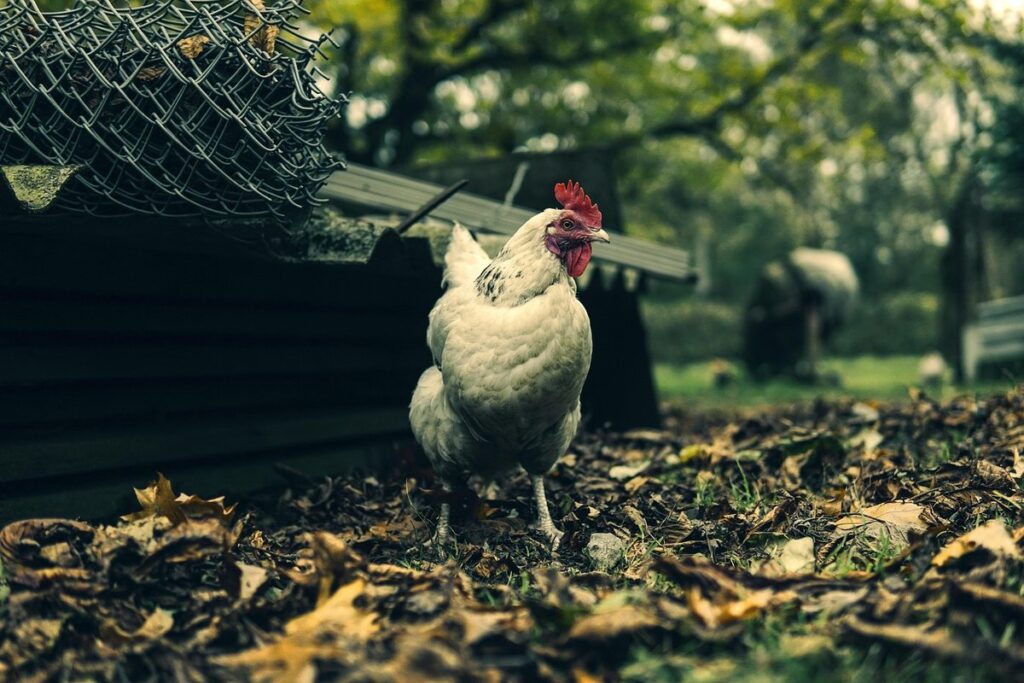
Origins and History
The Poland chicken breed has a rich history that spans centuries, originating from Europe where it was highly prized for its unique characteristics. Let’s take a closer look at its fascinating origins.
Early Beginnings in England
In the 19th century, England witnessed the emergence of a unique and intriguing chicken breed that would later become known as the Poland. This breed was not born out of traditional British poultry breeding but rather was introduced from Europe, specifically from France. The exact circumstances surrounding its introduction are unclear, but it’s believed to have been brought over by French or Polish immigrants.
Initially, this new breed caught the attention of English farmers and breeders due to its distinctive characteristics. One notable feature is its hardiness – Polands are known to thrive in cold climates and can withstand harsh weather conditions. Additionally, they possess a gentle disposition, making them an excellent choice for small farms or backyard flocks.
English breeders were fascinated by the Poland’s unique appearance as well. They have a slender build, with a broad chest and well-defined wings. The comb is quite distinctive – a single, upright crest at the top of the head, giving the bird a somewhat regal appearance. Breeders began to focus on cultivating these exceptional traits in their breeding programs, laying the groundwork for what would eventually become one of Britain’s most beloved breeds.
Development and Popularity
The Poland chicken breed gained popularity in the early 20th century, particularly among backyard flock enthusiasts. One notable milestone was their recognition by the American Poultry Association (APA) in 1924, which helped to establish their place within the standard breed group.
As the popularity of the breed grew, so did its availability outside of its native England. By the mid-20th century, Poland chickens had spread to North America and other parts of Europe, where they were prized for their hardiness and unique characteristics.
One key factor in the breed’s success was its adaptability to different climates and living situations. Poland chickens are known for thriving in small backyards or on larger farms, making them an attractive choice for a wide range of poultry keepers.
Their popularity also spawned various color varieties, including silver, golden, and blue, which have become increasingly sought after by breed enthusiasts. Today, the Poland chicken remains a beloved and recognizable breed worldwide, with many countries recognizing its distinct qualities and characteristics.
Physical Characteristics
When it comes to recognizing a Poland chicken, its physical characteristics are quite distinctive and worth noting. Let’s take a closer look at what makes them stand out from other breeds.
Size and Weight
Adult Poland chickens are known for their compact and sturdy build. On average, roosters weigh around 6-8 pounds (2.7-3.6 kg) and hens around 5-7 pounds (2.3-3.2 kg). However, it’s not uncommon to find some individuals weighing slightly above or below these ranges.
Variations in size can occur due to factors such as diet, nutrition, and overall health. For instance, a well-fed Poland chicken may grow larger than its counterpart that receives less quality feed. Genetics also play a significant role, with some bloodlines producing more substantial birds than others.
Despite their relatively small stature, Poland chickens are not for the faint of heart. Their robust build and sturdy legs make them capable of withstanding harsh weather conditions and rough terrain. As a result, they’re well-suited for free-ranging and can thrive in backyard settings or larger farms.
Keep in mind that size can also impact egg-laying abilities, with smaller birds often producing fewer eggs than their larger counterparts. However, Poland chickens are known for their moderate to high egg production, making them an excellent choice for small-scale farmers or backyard enthusiasts looking for a reliable source of fresh eggs.
Plumage and Feathers
One of the most striking features of the Poland chicken breed is its stunning plumage. When it comes to color patterns, the Poland chicken boasts a range of shades that can include white, black, blue, and various combinations of these colors. The most distinctive feature, however, is the splash pattern, where white feathers are sprinkled with patches of another color, creating an attractive mosaic effect.
The length and quality of the feathers also play a crucial role in defining the Poland chicken’s appearance. On average, the breed has medium-length feathers that provide excellent insulation against cold temperatures and harsh weather conditions. The feathers’ texture is soft and smooth, making them an absolute delight to handle.
In terms of specific characteristics, the Poland chicken’s plumage tends to be more tightly packed around the neck and shoulders, giving it a unique, rounded appearance. This density helps protect the bird from wind chill and provides additional warmth in colder climates. As with any breed, individual birds may vary in terms of plumage quality and color intensity, but overall, the Poland chicken’s stunning feathers are sure to captivate anyone lucky enough to encounter one.
Egg-Laying Ability
The Poland chicken breed is renowned for its exceptional egg-laying abilities. On average, hens will produce around 200-220 large to extra-large eggs per year, making them a reliable choice for backyard flocks and small-scale farmers. In terms of egg quality, Poland chickens are known to lay clean, white eggs with minimal shell imperfections.
What sets Poland chickens apart from other breeds is their consistent production rate throughout the year. Unlike some breeds that tend to slow down during the winter months, Poland hens will maintain a steady pace of laying eggs even in cold weather conditions. This makes them an excellent choice for farmers who want a breed that can withstand the challenges of changing seasons.
To get the most out of your Poland chickens’ egg-laying abilities, it’s essential to provide them with a nutritious diet and adequate living space. Ensure they have access to plenty of fresh water, high-quality feed, and a balanced calcium-rich diet to support strong bone growth and eggshell production.
Temperament and Personality
The Poland chicken breed is known for its friendly and outgoing personality, making them a great fit for families and backyard flocks. You’ll love their lively antics and affectionate nature.
Friendly and Docile Nature
One of the standout characteristics of Poland chickens is their exceptionally friendly and docile nature. This makes them an ideal choice for backyard flocks or family farms where children and pets often interact with the birds. Unlike some other breeds, Poland chickens are known to be calm and gentle, even in the presence of strangers.
Their temperament is one of the reasons why they’re so popular among chicken keepers. They’re easy-going and adaptable, which means they can thrive in a variety of settings, from small backyards to larger farms. If you’re new to raising chickens, a Poland breed is an excellent choice due to their laid-back nature.
When introducing your Poland chickens to other animals or people, you’ll find that they quickly become socialized and comfortable with the presence of others. This friendly disposition also makes them great foragers, as they won’t be easily stressed by the presence of predators or other hazards. Overall, the gentle and docile nature of Poland chickens is just one more reason why this breed stands out among other chicken varieties.
Intelligence and Trainability
Poland chickens are known for their exceptional intelligence and trainability, making them one of the most popular breeds among backyard chicken enthusiasts. These birds are highly curious and love to learn new things, which can be both a blessing and a curse if not properly managed.
One notable characteristic of Poland chickens is their ability to recognize and respond to commands. With patience and consistency, they can be trained to perform various tasks such as foraging, pecking at specific objects, or even walking on a leash. However, it’s essential to establish clear boundaries and set realistic expectations, as these birds can get bored or distracted if not provided with mental stimulation.
When training a Poland chicken, start with short sessions (5-10 minutes) of positive reinforcement using treats and praise. Gradually increase the duration and complexity of tasks as your bird becomes more confident. Remember to provide regular breaks and rotate activities to keep them engaged. With proper handling and training, you can enjoy a lifelong bond with your intelligent and loyal Poland chicken companion.
Health and Longevity
Maintaining a healthy Poland chicken is crucial for its longevity, so let’s take a closer look at what you can do to keep your feathered friend happy and thriving.
General Hardiness
The Poland chicken breed is known for its remarkable hardiness and ability to thrive in a variety of environments. One of the key factors contributing to their overall health is their robust immune system, which helps them resist diseases and parasites. In fact, many owners have reported that their Poland chickens live well into their teens with proper care.
However, like all breeds, Polands are not immune to certain health issues. Some common problems include obesity, due in part to overfeeding, and frostbite during harsh winters. To mitigate these risks, it’s essential to provide a balanced diet and ensure your birds have access to shelter and adequate ventilation.
Regular health checks and maintaining good hygiene practices can also help prevent the spread of diseases. Vaccinations may be necessary for flocks exposed to certain pathogens. By staying on top of preventative care and providing a nurturing environment, you can help your Poland chickens live long and healthy lives.
Life Expectancy
When it comes to the longevity of a Poland chicken breed, you can expect an average lifespan of around 10-15 years. This is relatively long-lived compared to other chicken breeds. However, just like with humans, their lifespan can be influenced by various factors.
Diet and nutrition play a significant role in determining a Poland chicken’s life expectancy. A balanced diet rich in protein, fiber, and essential vitamins and minerals will help support their overall health and longevity. Providing access to fresh water, adequate shelter, and regular veterinary check-ups is also crucial.
Genetics can also impact the lifespan of a Poland chicken. Responsible breeding practices and selecting healthy parents can significantly increase the chances of your flock living longer. For instance, research has shown that chickens bred for specific traits such as egg-laying or meat production tend to have shorter lifespans compared to those bred for their unique characteristics.
To maximize the life expectancy of your Poland chickens, ensure they receive regular exercise, maintain a healthy weight, and avoid stressful situations.
Breeding and Raising
Breeding and raising Poland chickens requires careful attention to their unique characteristics, so we’ll dive into the specifics of their breeding habits and ideal living conditions. This will help you raise healthy, happy birds.
Choosing Healthy Chicks
When choosing healthy chicks from reputable breeders, it’s essential to look for signs of good breeding stock. A responsible breeder will have a transparent selection process and provide you with detailed information about the parents, including their ancestry, health clearances, and production records.
As you visit the breeder’s farm or website, pay attention to the overall environment and management practices. Well-managed farms typically have clean facilities, adequate ventilation, and proper waste disposal. Look for breeders who prioritize chick welfare and provide optimal conditions for incubation and brooding.
Some red flags include overcrowding, poor sanitation, and signs of stress or illness in the chicks. A reputable breeder should be able to answer your questions about vaccination programs, disease testing, and health guarantees. When selecting individual chicks, choose those with active, alert behavior and no visible deformities or injuries. It’s also essential to research the breeder’s reputation online and ask for references from other customers to ensure you’re getting healthy, high-quality Poland chicken chicks.
Nutrition and Care
Poland chickens are relatively low-maintenance when it comes to nutrition and care. However, they do have some specific needs that you should be aware of to keep them healthy and thriving. For starters, Poland chickens are considered a lightweight breed and require less protein than larger breeds. You can provide them with a balanced layer feed that contains around 16-18% protein.
In terms of calcium content, Poland chickens need more calcium than other breeds due to their high egg production levels. To meet this requirement, you can add crushed oyster shells or crushed eggshells to their feed. Additionally, it’s essential to provide fresh water and ensure access to clean living quarters.
One unique care requirement for Poland chickens is that they require regular dust baths to maintain their stunning feathering. You can create a designated dust bath area by filling a shallow container with sand or fine dirt and placing it in the coop. This will help keep your Poland chickens’ feathers clean and shiny, as well as reduce stress levels.
It’s also crucial to note that Poland chickens are more prone to heat stress due to their light weight and high metabolism. To prevent this, you should ensure they have adequate ventilation in their living quarters and provide shade during hot summer months.
Uses and Value
If you’re thinking of adding a Poland chicken breed to your backyard flock, you’ll want to know how these birds can benefit your farm or family. Let’s explore their practical uses and value.
Backyard Flocks and Family Farms
If you’re considering starting a small-scale egg production operation or managing a family farm, Poland chickens are an excellent choice. These birds are renowned for their adaptability and hardiness, making them perfect for backyard flocks and family farms alike.
One of the key advantages of Poland chickens is their ability to thrive in a variety of settings. They’re happy to roam free-range, but they’ll also do well in confined spaces as long as they have adequate ventilation. This flexibility makes them an ideal choice for small-scale producers who may not have large tracts of land.
In terms of egg production, Poland chickens are reliable layers that will provide you with a steady supply of fresh eggs throughout the year. On average, a mature hen will produce around 200-220 eggs annually, which is relatively high compared to some other heritage breeds.
When it comes to managing your flock, Poland chickens are surprisingly low-maintenance. They’re easy-going birds that don’t require a lot of attention or specialized care. This makes them an excellent choice for busy families or small-scale producers who want a hassle-free egg-laying operation.
Showing and Exhibition
If you’re considering showing and exhibiting your Poland chickens, you’ll be pleased to know that they have a lot to offer. Their unique appearance and charming personality make them a crowd favorite at many poultry shows.
When it comes to competitive showing, the Poland chicken breed excels in several areas. They often place well in categories such as best feather pattern, best plumage, and most attractive comb. In 2019, for example, a Poland chicken named “Polly” won first prize in the American Bantam Association’s show for her exceptional silver-laced feathers.
If you’re planning to exhibit your Poland chickens, here are some tips to keep in mind:
* Make sure your birds are clean and well-groomed before entering a show.
* Familiarize yourself with the breed standard and ensure that your birds meet all of its requirements.
* Practice presenting your birds confidently and respectfully, as this can make a big difference in how judges perceive them.
By following these tips and understanding what makes Poland chickens so popular among poultry enthusiasts, you can help your birds stand out at shows and exhibitions.
Frequently Asked Questions
What are the primary requirements for keeping Poland chickens in a backyard flock or family farm?
To ensure a happy and healthy flock, it’s essential to provide adequate space, nutrition, and care. This includes providing at least 2-4 square feet of space per bird, a balanced diet that includes high-quality layers feed, fresh water, and regular access to the outdoors.
Can I keep Poland chickens with other breeds, or are they better suited as solo birds?
Poland chickens can thrive in mixed flocks, but it’s crucial to introduce them slowly and under close supervision. They get along well with most breeds, especially those of similar size and temperament. However, introducing new birds should be done gradually to prevent stress and potential conflicts.
How do I determine the sex of Poland chicken chicks, as it can be challenging due to their similar appearances?
Determining sex in young chicks can be tricky, but it’s essential for breeding purposes. A combination of visual inspection, feather development, and comb coloration can help identify sex. However, it may take several weeks to accurately determine sex. If you’re unsure, consult with a veterinarian or experienced breeder.
Are Poland chickens suitable for small spaces, such as urban backyards or tiny farms?
Yes, Poland chickens are an excellent choice for small spaces due to their compact size and docile nature. They require minimal space and can thrive in even the smallest of areas, making them ideal for urban or rural settings with limited land.
Can I use Poland chicken eggs for commercial purposes, such as selling at a farmer’s market?
Yes, Poland chickens are prolific layers, producing an average of 200-220 brown eggs per year. Their eggs are highly prized for their rich flavor and dark coloration. If you’re looking to sell your eggs commercially, ensure you comply with local regulations and handle the eggs safely to maintain quality and prevent contamination.