
Polish chickens are one of the most popular breeds among backyard farmers and enthusiasts alike. Their unique appearance, friendly temperament, and impressive egg-laying abilities make them a sought-after choice for many. But beyond their charming characteristics, Polish chickens also require specific care and attention to thrive.
As you consider raising these lovely birds, it’s essential to understand their needs and potential challenges. In this article, we’ll delve into the world of Polish chicken keeping, covering everything from their origins and distinctive features to health issues, breeding, and showing. Whether you’re a seasoned breeder or just starting out with your first flock, our comprehensive guide will provide valuable insights and expert advice on how to raise happy, healthy Polish chickens that bring joy to your backyard farm.
What is Polish Chicken?
Let’s dive into what makes Polish chicken a unique and flavorful dish, exploring its origins and key characteristics that set it apart from other types of fried chicken.
Origins and History of Polish Chicken
Polish Chicken has its roots in Europe, specifically in Poland, where it was bred for over 200 years. The breed is believed to have originated from the Polish Fowl, a group of birds that were known for their distinctive characteristics and robust health.
Interestingly, the Polish Chicken’s popularity soared during World War I, when they became a staple on British farms due to their hardiness and egg-laying capabilities. Their adaptability in harsh environments earned them a reputation as one of the most resilient breeds around.
In the 1920s, Polish Chickens were brought to the United States, where they quickly gained popularity among backyard chicken keepers. Today, you can find Polish Chicken farms all over the world, from Europe to Australia and beyond.
Some notable characteristics of Polish Chicken include their bright red or gold feathers, which give them a vibrant appearance. They’re also known for their friendly nature and are often described as gentle giants due to their size. If you’re thinking of getting a Polish Chicken, be prepared for their affectionate personalities – they’ll follow you around the yard and love attention from their owners!
Characteristics of Polish Chicken
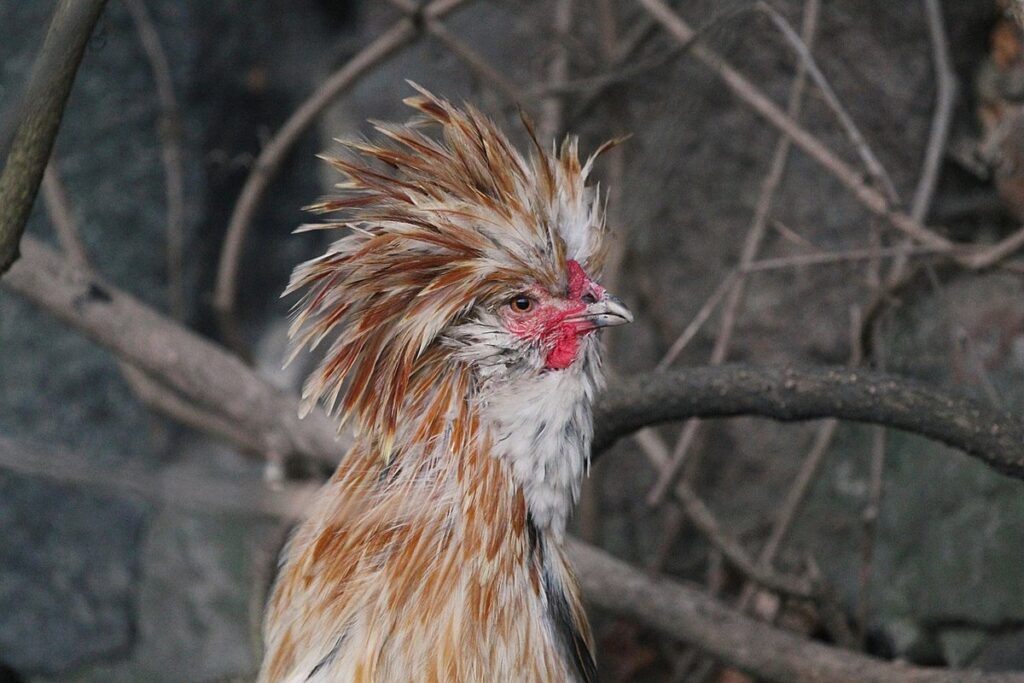
Polish chickens are known for their striking appearance and unique characteristics. One of the most distinctive features of this breed is their plumage. They have a mix of solid colors such as white, black, and red, often with intricate patterns like stripes or ticking. Their feathers are medium-length and soft to the touch, making them look elegant even in a flock.
In terms of size, Polish chickens are relatively small, weighing between 1.5 and 2.7 kg (3.3-6 lbs). They have a compact build, with a broad chest and short legs that give them a sturdy appearance despite their petite stature. The beak shape is another notable feature – it’s short and square-shaped, which is ideal for pecking at grain.
Polish chickens are known for being friendly and docile, making them a great choice for backyard flocks. They’re social birds that thrive on interaction with humans, so they’ll follow you around the yard if given the chance. With proper care and handling, Polish chickens can become quite tame, even allowing themselves to be picked up and cuddled.
If you’re thinking of raising Polish chickens, it’s essential to provide them with a spacious run or coop where they can roam freely and exercise their natural behavior. Give them plenty of treats and interaction, and they’ll reward you with their affectionate nature.
Types of Polish Chickens
Polish chickens come in a variety of breeds, each with its own unique characteristics and feather patterns. Let’s explore some of the most popular types together!
Bearded Polish vs. Non-Bearded Polish
When it comes to Polish chickens, you’ll often come across two main varieties: Bearded and Non-Bearded. While they share a similar appearance, there are distinct differences between the two.
One of the most noticeable distinctions is their facial hair – or lack thereof. As their name suggests, Bearded Polishes sport a distinctive beard, which can range in length from short and tidy to long and flowing. This impressive mustache-like feature not only adds to their charm but also helps to keep dust out of their nostrils. On the other hand, Non-Bearded Polishes lack this distinguishing facial hair.
In terms of temperament, both varieties are known for being friendly, docile, and affectionate. However, some breeders suggest that Bearded Polishes can be slightly more assertive and dominant in a flock setting. As for egg-laying abilities, there is no significant difference between the two breeds – they both produce an average of 200-300 eggs per year.
If you’re considering adding Polish chickens to your backyard coop, it’s essential to weigh the pros and cons of each variety. Bearded Polishes bring a touch of elegance with their beards, but may require more grooming than Non-Bearded varieties. Ultimately, the choice between these two breeds comes down to personal preference – which one will you choose?
Polish Chicken Varieties
Polish chickens are known for their stunning appearance and rich history. When it comes to breeds, Polish chickens come in a variety of colors and patterns that can make choosing the perfect bird for your backyard flock both fun and challenging.
Some popular varieties among backyard chicken keepers include the White Crested Black Polish, Bearded Blue Polish, and the Silver Crested Polish. These breeds not only offer unique appearances but also possess desirable traits such as docile temperaments and moderate egg-laying abilities. The White Crested Black Polish, for example, produces around 200-220 eggs per year, making it an excellent choice for small-scale egg production.
Other notable varieties include the Buff Crown Polish, which boasts a striking golden-brown plumage, and the Mille Fleur Polish, known for its delicate flower-like markings. When selecting a breed, consider factors such as climate, available space, and personal preference to ensure you choose a bird that suits your needs and lifestyle.
By understanding the characteristics of different Polish chicken varieties, you can make an informed decision when adding new members to your flock.
Raising Polish Chickens at Home
If you’re interested in raising Polish chickens at home, one of the most crucial steps is creating a suitable coop that provides ample space and protection from predators. Let’s dive into some practical tips for building a chicken haven.
Housing Requirements for Polish Chickens
When it comes to housing your Polish chickens, their needs are quite specific. As they’re a delicate breed, they require a safe and comfortable living space that’s tailored to their unique characteristics.
To start with, the coop size is crucial. You’ll need to provide at least 2-3 square feet of floor space per chicken inside the coop, plus an additional 5-6 square feet in the run area outside. This will give them ample room to move around and stretch their wings without feeling cramped or stressed.
Ventilation is also vital for Polish chickens, as they’re prone to respiratory problems. Ensure that your coop has adequate airflow by installing windows, vents, or a screened door. Aim for at least 1 square foot of ventilation per chicken inside the coop.
Lastly, protect your feathered friends from predators like foxes, raccoons, and hawks. A sturdy coop with secure latches, covered runs, and buried fencing can help safeguard their well-being. By meeting these housing requirements, you’ll be creating a happy and healthy home for your Polish chickens to thrive in.
Nutrition and Feeding Polish Chickens
Polish chickens have unique nutritional requirements that are different from other breeds. They need a balanced diet rich in protein, calcium, and vitamins to stay healthy. A good starting point is to provide them with high-quality layer feed as the main staple of their diet. However, it’s essential to supplement this with fresh fruits and vegetables to ensure they get enough variety.
A rough feeding schedule for Polish chickens could be: 16-18% protein layer feed in the morning, followed by a mix of chopped veggies like carrots, kale, and spinach in the afternoon. Limit treats to around 10% of their total diet to avoid overfeeding. Provide fresh water at all times, and ensure access to oyster shells or crushed eggshells for calcium supplementation.
Some essential nutrients that Polish chickens require include vitamin D3, which can be provided through sunlight exposure, as well as probiotics to maintain a healthy gut. Avoid giving them high-sugar foods like bread, crackers, or processed snacks, as these can cause obesity and other health issues. Monitor their weight regularly and adjust feeding accordingly.
Health Issues in Polish Chickens
As you’re considering bringing Polish chickens into your backyard flock, it’s essential to be aware of some common health issues that can affect these lovely birds. We’ll explore some potential problems to watch out for in this section.
Common Health Problems Affecting Polish Chickens
As a Polish chicken owner, it’s essential to be aware of the common health issues that can affect these lovely birds. Respiratory problems are one of the most prevalent health concerns in Polish chickens. This is often due to their compact build and tendency to overheat, especially during hot summer months. To prevent respiratory issues, ensure your flock has access to plenty of fresh air and ventilation in their coop.
Another common problem affecting Polish chickens is mites and lice infestations. These pesky parasites can cause discomfort, stress, and even lead to secondary infections if left unchecked. Regular cleaning and disinfecting of the coop, as well as monitoring your birds’ plumage for signs of infestation, can help prevent these issues.
To treat respiratory problems or mites/lice infestations, consult with a veterinarian who specializes in poultry care. They may recommend medication, changes to the flock’s environment, or other treatments to address the issue at hand. Regular health checks and preventative measures can go a long way in keeping your Polish chickens happy and healthy.
Some essential tips for maintaining good health in your Polish flock include:
* Providing adequate ventilation and cooling measures
* Keeping the coop clean and free of debris
* Monitoring for signs of illness or parasites
* Consulting with a veterinarian as soon as you notice any issues
By staying on top of these simple preventative measures, you can help keep your Polish chickens healthy and thriving.
Preventative Measures for Polish Chicken Health
When it comes to maintaining the health and well-being of Polish chickens, preventative measures are key. Regular vaccination is crucial to protect your flock from diseases such as Newcastle disease, infectious bronchitis, and coccidiosis. Consult with a veterinarian to determine the best vaccination schedule for your birds, taking into account their age, health status, and environmental conditions.
Parasite control is another essential aspect of Polish chicken health. Regularly inspect your coop and run for signs of mites, lice, and ticks, and use integrated pest management techniques to minimize chemical use. Keep a clean living environment by removing soiled bedding and disinfecting surfaces with a safe and effective sanitizer.
Regular check-ups with a veterinarian can help identify potential health issues early on, preventing more serious problems from developing. Schedule annual or bi-annual visits to monitor your birds’ overall health, including their weight, behavior, and stool quality. This proactive approach will not only ensure the long-term health of your Polish chickens but also reduce stress and anxiety for both you and your flock.
Breeding and Showing Polish Chickens
If you’re interested in showing off your prized Polish chickens, we’ll dive into the world of breeding and showing these charming birds. From selecting breeders to preparing for the show ring, every detail matters.
Choosing the Right Breeders and Stock
When selecting breeders and stock for your Polish chicken flock, it’s essential to prioritize bloodlines and genetics. Research reputable breeders who have a history of producing high-quality birds with desirable traits such as feather quality, egg production, and temperament. Look for breeders who are transparent about their breeding program and can provide documentation on the ancestry of their birds.
Health clearances are also crucial when selecting stock. Ensure that your breeder has conducted regular health checks and has clearance records from reputable organizations such as the American Poultry Association (APA) or the Polish Chicken Club (PCC). This will give you peace of mind knowing that your birds are free from common health issues like Marek’s disease.
It’s also important to consider the genetics of your flock. A diverse gene pool is essential for maintaining the overall health and fertility of your birds. Avoid buying multiple birds from the same breeder or bloodline, as this can lead to inbreeding and reduce genetic diversity. Instead, seek out breeders who are willing to share their knowledge and help you build a well-rounded flock.
Tips for Showing Your Polish Chicken
When it’s time to show off your prized Polish chicken, you want to make sure they look their absolute best. Preparing your bird for a competition takes more than just tossing them into a coop and hoping for the best – you need to focus on grooming, handling, and presentation techniques.
To start with grooming, keep in mind that Polish chickens have distinctive crests and frills that require regular attention. Make sure to gently brush their feathers daily to prevent matting and tangling, paying extra attention to areas prone to knotting like the tail and wings. You’ll also want to trim any loose or overgrown feathers to maintain a neat, tidy appearance.
In terms of handling, it’s essential to get your Polish chicken accustomed to being handled regularly. This involves gently picking them up, holding them securely but comfortably, and getting them used to being examined by judges. The key is to remain calm and patient – if your bird senses any stress or anxiety, they’ll be more likely to behave erratically during the competition.
When it comes to presentation, remember that a clean and well-groomed coop can make all the difference in the world. Make sure to provide ample space for your birds to roam and exercise, and keep their living area free from dust and debris. You should also ensure that their water and feeders are easily accessible and kept spotlessly clean.
In addition to these basics, consider enlisting a handler or asking an experienced breeder for tips on how to showcase your bird’s unique characteristics. With practice and patience, you’ll be well on your way to becoming a champion showman (or woman!) in no time.
Conclusion: Why You Should Consider Raising Polish Chickens
Raising Polish chickens can be a wonderful hobby for anyone looking to add some excitement and entertainment to their backyard. Not only are they known for their beautiful, fluffy feathers and playful personalities, but they’re also relatively easy to care for and require minimal space. If you’re considering adding Polish chickens to your flock, now is the perfect time – not only will you get to enjoy their charming company, but you’ll also have a steady supply of fresh eggs.
In addition to their friendly nature and low-maintenance needs, Polish chickens are also incredibly hardy and can thrive in a variety of living conditions. Whether you live in a small urban space or a large rural area, these birds will adapt quickly and bring joy to your life. So why not give raising Polish chickens a try? With the right care and attention, they’ll reward you with years of companionship and delicious eggs – it’s a win-win situation for anyone looking to expand their backyard hobby!
Frequently Asked Questions
How do I choose the right breed of Polish Chicken for my backyard farm?
When selecting a breed, consider factors like egg-laying ability, temperament, and size. Research different varieties, such as Frizzle, Crested, or Bearded, to find the one that best suits your needs. Consult with experienced breeders or join online forums to get advice from other Polish chicken enthusiasts.
What are some common health issues in Polish Chickens?
Polish chickens can be prone to respiratory problems, obesity, and feather pecking due to their unique characteristics. Regularly monitoring their health, providing a balanced diet, and ensuring proper ventilation in the coop can help prevent these issues. Consult with a veterinarian for specific guidance on maintaining your flock’s health.
Can I raise Polish Chickens in small spaces or urban areas?
While Polish chickens are adaptable, they do require some space to roam and exercise. Consider building a large enough coop or providing a secure, fenced area for them to move around. Research local regulations regarding backyard chicken keeping before introducing your flock to your urban environment.
How often should I collect eggs from my Polish Chickens?
Polish hens are prolific layers, producing an average of 200-220 brown eggs per year. Collect eggs daily to prevent breakage and maintain cleanliness. Consider implementing a egg collection system or enlisting the help of family members to make this task more manageable.
What’s the best way to introduce new Polish Chickens to my existing flock?
Gradually introducing new birds to your existing flock can help prevent stress and conflict. Start by keeping the new chickens separate for a few days, then gradually allow them to mingle under close supervision. Monitor their behavior and adjust the introduction process as needed to ensure a smooth transition.