
Are you thinking of adding some flair to your backyard flock with Polish chicken chicks? These charming birds are known for their unique characteristics, from their brightly colored feathers to their energetic personalities. But before bringing home these adorable chicks, it’s essential to know what to expect and how to provide them with the best possible start in life.
Raising healthy and happy Polish chickens requires attention to detail, especially during the critical brooding phase. In this comprehensive guide, we’ll walk you through everything you need to know about breed characteristics, coop building, brooding, nutrition, and more. By the end of this article, you’ll be equipped with the knowledge to raise thriving Polish chicken chicks that bring joy and fresh eggs to your farm or backyard.
Choosing the Right Breed
When selecting the perfect Polish chicken chicks for your backyard flock, understanding their unique characteristics is crucial to making an informed decision. Let’s explore some key factors to consider in choosing the right breed for you.
Characteristics of Polish Chickens
Polish chickens are known for their unique characteristics that set them apart from other breeds. One of the most noticeable features is their small size, with adults weighing between 2-3 pounds and reaching a height of about 9 inches. Despite their tiny stature, they are bold and friendly birds, making great pets for families or individuals who want a low-maintenance but entertaining companion.
Their temperament is another key characteristic that makes Polish chickens so endearing. They are known to be curious and playful, often exhibiting comical behaviors like flapping their wings in excitement or playing with their own reflections in mirrors. However, they can also be quite territorial and may require some socialization to get along well with other birds.
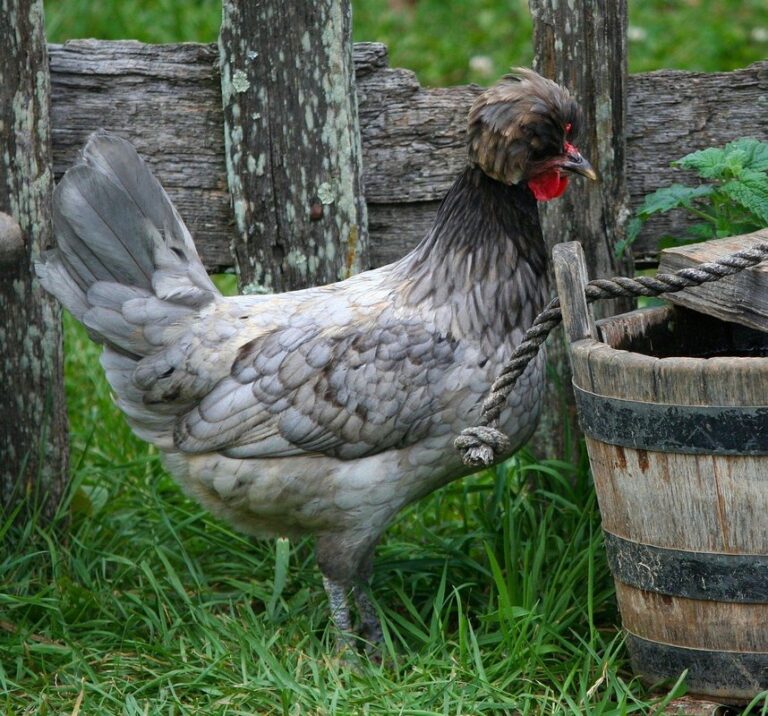
In terms of feathering, Polish chickens have a distinctive crest on top of their heads, which can be either high or low-pitched depending on the individual bird. Their plumage is also known for being long and flowing, especially around the neck and shoulders. While they do require regular grooming to prevent matting and tangling, it’s relatively easy to maintain their beautiful feathers.
Overall, Polish chickens are a delightful breed that can add a touch of whimsy to any backyard flock or home. However, keep in mind that they may not be suitable for serious egg producers due to their small size and potential health issues.
Advantages of Raising Polish Chickens
If you’re considering adding Polish chickens to your backyard flock, you’ll be delighted by their numerous advantages. For starters, they’re known for being incredibly friendly and social birds. They love human interaction and will often follow their owners around the yard, seeking attention and affection. This makes them a great choice for families with children or those who enjoy spending time outdoors.
Another benefit of raising Polish chickens is that they require minimal maintenance. Their small size means they need less food and space to roam than larger breeds, making them an ideal option for urban or small backyard farms. They’re also relatively low-maintenance when it comes to their coop, requiring a simple and easy-to-clean shelter.
But what about egg production? Polish chickens are surprisingly prolific layers, producing around 200-220 eggs per year. While they may not be the most prolific breed, their small size means that even a few hens can provide a steady supply of fresh eggs for your family. Plus, their friendly nature and low maintenance needs make them a great choice for beginners or those who want to raise chickens with minimal hassle.
Preparing for New Arrivals
As you count down the days until your adorable polish chicken chicks arrive, it’s essential to prepare their enclosure and surroundings to ensure a safe and happy home. Let’s get started on setting up the perfect space for your new feathered friends!
Building a Suitable Coop
When it comes to building or purchasing a coop for your new Polish chicken chicks, their specific needs should be top priority. Polish chickens are known for their playful and curious nature, so they require a safe and stimulating environment to thrive.
To start with ventilation, make sure your coop has adequate airflow to prevent ammonia buildup from droppings. A good rule of thumb is to provide at least 1 square foot of vent space per bird. You can achieve this by installing windows or vents in the walls and roof of the coop.
Lighting is also crucial for Polish chickens, as they are sensitive to extreme temperatures and lighting conditions. Consider using LED lights that mimic natural daylight cycles, providing a 14-hour day-night cycle. This will help regulate their circadian rhythms and prevent stress.
In terms of space requirements, Polish chickens need about 3-4 square feet per bird inside the coop. This should be in addition to any outdoor run or enclosed area where they can roam freely. Make sure your coop has enough room for all your birds to stand comfortably, stretch their wings, and move around without feeling cramped.
When building your coop, consider using materials like wood or metal that are easy to clean and maintain. Avoid using wire mesh or chicken wire with large openings, as Polish chickens can squeeze through them easily.
To give you a better idea of the space requirements for your Polish chickens, here’s a rough outline:
* Nesting boxes: 1 box per 3-4 hens
* Perches: 2-3 inches wide and 12-18 inches long
* Roosting bars: 24-30 inches off the ground
* Feeding and watering stations: placed at a comfortable height for easy access
By following these guidelines, you’ll be able to create a suitable coop for your Polish chicken chicks that meets their specific needs.
Setting Up a Safe and Healthy Environment
When bringing home new Polish chicken chicks, it’s essential to provide them with a safe and healthy environment for growth and development. A well-set-up brooder will help ensure your chicks stay happy and healthy.
To start, you’ll need the right brooding supplies. This includes a brooder box or enclosure that provides enough space for your chicks to move around comfortably. A heat source, such as a heat lamp or ceramic heat emitter, is also crucial to maintain a consistent temperature of around 90-95°F (32-35°C) during the first few weeks.
You’ll also need feeding and watering equipment specifically designed for chicks. This may include a chick feeder and waterer that can be easily cleaned and sanitized. A good rule of thumb is to provide one gallon of food per day for every 10 chicks, and make sure they always have access to fresh, clean water.
Some other important health considerations include keeping the brooder area clean and well-ventilated, monitoring your chicks’ temperature, and watching out for signs of disease or illness. By following these tips, you can help create a safe and healthy environment for your new Polish chicken chicks to thrive in.
Brooding and Raising Chicks
If you’re new to raising Polish chickens, one of the most crucial steps is brooding and caring for your chicks from day one through their first few weeks. This section will guide you through that process.
Understanding Chicks’ Needs During the First Week
The first week is a critical period for Polish chicken chicks. They need careful attention to ensure they’re healthy and thriving. One of the most important factors during this time is maintaining optimal temperatures. Polish chicks require a warm environment, ideally between 90-95°F (32-35°C), with a gradual decrease in temperature over the next few days.
Humidity levels are also crucial; it’s recommended to maintain a humid environment of around 50-60%. This helps keep their skin and respiratory system healthy. However, be cautious not to create an overly humid space, as this can lead to respiratory issues.
Nutrition is another essential aspect during this time. Polish chicks need a starter feed that’s high in protein (around 20%) to support rapid growth. They should also have access to fresh water at all times. You’ll want to ensure the feeding troughs and watering system are easily accessible to prevent overcrowding and reduce stress.
Monitor their feed intake, as overeating can lead to health problems. Adjust the amount of feed accordingly based on individual chick needs, and keep an eye out for any signs of illness or discomfort.
Tips for Successful Brooding
Maintaining the right temperature is crucial during brooding. Polish chicken chicks require a safe and comfortable environment to develop properly. A temperature range of 90-95°F (32-35°C) is ideal for the first week, dropping by 5 degrees each subsequent week until it reaches ambient temperatures. You can use a heat lamp or ceramic heat emitter to achieve this temperature. However, make sure to provide ventilation and monitor chick behavior closely.
Monitoring chick health is also vital during brooding. Look out for signs of respiratory distress, such as labored breathing, wheezing, or loss of appetite. Check their droppings regularly to detect any issues with the gut flora. Ensure they have access to fresh water at all times and keep an eye on their eating habits.
Adequate feeding is also essential for successful brooding. Polish chicken chicks need a starter feed that’s high in protein (18-20%). Divide their daily ration into multiple small meals, so they can eat whenever needed. Place the feeder near the brooder to prevent straying, and ensure it’s easy to clean.
Keep an eye on chick behavior, as changes in appetite or activity levels can signal underlying issues. Regularly inspect the brooder for cleanliness and make adjustments as necessary.
Growing and Developing Chicks
Once you’ve brought home those adorable Polish chicken chicks, it’s essential to provide them with a nurturing environment that fosters healthy growth. This section will walk you through the process of raising and caring for your new feathered friends.
Nutrition and Feeding Requirements
As a Polish chicken breeder, it’s essential to provide your chicks with the right nutrition to support their growth and development. From day-old chicks to point-of-lay hens, they have unique nutritional needs at different stages of life.
For starter feed (0-4 weeks), look for a high-protein (22-24%) feed specifically formulated for young chickens. Polish chicks need around 20% protein in the first few weeks to support rapid growth and feather development. Some breeders recommend adding oyster shell or crushed eggshells to the starter feed to help with beak and claw development.
As your chicks transition to layer feed (around 4-18 weeks), you can switch to a lower-protein feed (16-18%). However, it’s essential to include calcium supplements in their diet to support strong eggshell production. You can add crushed oyster shells or dark leafy greens like kale and spinach to their layer feed.
Treats should make up no more than 10% of your chicks’ daily intake. Opt for healthy options like mealworms, sunflower seeds, or chopped fresh fruits and vegetables. Avoid giving them high-fat foods like table scraps or processed treats that can lead to obesity and other health issues.
Managing Health Issues in Young Chicks
As you care for your Polish chicken chicks, it’s essential to monitor their health closely. Young chicks are more susceptible to illnesses due to their developing immune systems. Respiratory problems are a common issue, often caused by viral or bacterial infections. Look out for symptoms such as labored breathing, coughing, and sneezing. If you notice any of these signs, isolate the chick immediately and seek veterinary advice.
Parasites like mites, lice, and worms can also affect your chicks. These external parasites can cause discomfort, anemia, and even death if left untreated. Regular cleaning and disinfecting of the coop and run can help prevent parasite infestations. Use a safe and effective dewormer according to the manufacturer’s instructions to control internal parasites.
Prevention is key in managing health issues in young chicks. Ensure proper ventilation in the coop, keep it clean, and provide adequate lighting. A balanced diet with essential nutrients will also boost their immune system. Monitor your chicks daily for any signs of illness or stress, and consult a veterinarian if you’re unsure about any health concerns.
Regular vaccinations can also protect your chicks against specific diseases like Marek’s disease and Newcastle disease. Consult with a veterinarian to determine the best vaccination schedule for your flock. By following these guidelines and staying vigilant, you’ll be able to identify and address potential health issues early on, ensuring your Polish chicken chicks grow strong and healthy.
Caring for Grown Pullets
As your Polish chickens grow into robust pullets, it’s essential to provide them with the right care and attention to ensure their health and happiness thrive. This section covers feeding, housing, and health tips for your grown girls.
Providing a Suitable Diet
As your Polish hens mature into grown pullets, their nutritional needs change. At this stage, they require a balanced diet that supports egg production and overall health. When choosing a layer feed for your girls, look for a high-quality feed specifically formulated for laying hens. These feeds typically contain a mix of grains, proteins, and essential vitamins and minerals.
A good layer feed should have the following characteristics: a protein content of around 16-18%, calcium levels to support strong eggshell production, and a balanced mix of vitamins A, D3, and E. Avoid low-cost, generic feeds that may compromise on nutritional quality.
In addition to a well-balanced layer feed, consider adding supplements to your girls’ diet. Oyster shells or crushed eggshells can provide an extra boost of calcium for strong eggshell production. Dark leafy greens like kale and spinach are also excellent additions, rich in vitamins A, C, and K. Limit treats to 10% of their daily calorie intake, opting for fruits and vegetables rather than high-calorie snacks.
Some examples of healthy treats include chopped apples, carrots, and sweet potatoes. Avoid giving your girls table scraps or junk food, as these can be detrimental to their health. By providing a balanced diet that includes a quality layer feed, supplements, and nutritious treats, you’ll be supporting the overall well-being of your Polish hens.
Tips for Encouraging Egg Production
As your Polish pullets mature into laying hens, it’s essential to create an environment that encourages egg production. One crucial aspect is providing adequate space for them to roam and exercise. Aim for at least 2-4 square feet per bird inside the coop, and a fenced run where they can stretch their wings and get some fresh air. This will help reduce stress and promote overall health.
Lighting also plays a significant role in egg production. Polish chickens are prolific layers, but they need sufficient daylight to stimulate their internal clock. Ensure your coop receives natural light for at least 14 hours a day. If this isn’t possible, consider investing in supplemental lighting, such as LED or fluorescent tubes, to provide the necessary UV light.
A balanced diet is also vital for egg production. Make sure your hens have access to high-quality layer feed that’s rich in calcium, protein, and other essential nutrients. You can supplement their diet with fruits, vegetables, and treats like mealworms or oyster shells to keep things interesting and provide a source of extra nutrition.
By providing ample space, light, and nutrition, you’ll be well on your way to encouraging egg production from your mature Polish hens. With proper care and attention, they should reward you with an abundance of delicious eggs for years to come.
Common Issues and Troubleshooting
As you care for your adorable Polish chicken chicks, you may encounter some unexpected challenges. This section will help you identify and resolve common problems that can arise during their growth and development.
Recognizing Health Problems in Polish Chickens
As a Polish chicken owner, it’s essential to be aware of potential health issues that can affect your flock. Polish chickens are generally a hardy breed, but they’re not immune to illnesses and diseases. Common health problems in Polish chickens include respiratory issues, such as coughing, sneezing, and labored breathing.
Watch for signs of illness or disease, including droopy wings, lethargy, and loss of appetite. Infection can also cause swelling around the eyes, nostrils, and joints. Respiratory issues can be caused by dust, dampness, or poor ventilation in your coop.
To prevent respiratory problems, ensure good airflow and clean living conditions for your Polish chickens. Keep their coop well-ventilated and free from debris. Monitor their behavior daily, and contact a veterinarian if you notice any unusual signs of illness. Regular health checks can also help identify potential issues early on. A healthy Polish chicken should have bright eyes, shiny feathers, and a robust appetite. If you notice any deviations from this norm, take prompt action to prevent the spread of disease within your flock.
Tips for Preventing Disease Outbreaks
When raising Polish chicken chicks, it’s essential to take proactive measures to prevent disease outbreaks. Good hygiene practices are crucial in maintaining a healthy environment for your chicks. This includes keeping their living area clean by removing soiled bedding and disinfecting all surfaces regularly.
Monitoring chick health is also vital. Keep an eye out for any signs of illness, such as labored breathing, runny eyes, or lethargy. If you notice any unusual behavior, consult a veterinarian immediately. Regularly weighing your chicks can help detect potential issues early on. A significant drop in weight can be a warning sign that something is wrong.
Be prepared to take prompt action if problems arise. Know the signs of common diseases affecting chickens and have a plan in place for emergency situations. This might include having a quarantine area for sick birds, knowing what vaccinations are available, or having a list of trusted veterinarians on hand. By staying vigilant and taking preventative measures, you can help minimize the risk of disease outbreaks and keep your Polish chicken chicks healthy and thriving.
Frequently Asked Questions
How Often Should I Check on My Polish Chicken Chicks During the Brooding Phase?
Polish chicken chicks require frequent monitoring, especially during the first few weeks of their life. We recommend checking on them at least four to six times a day to ensure they’re healthy and receiving adequate food and water. Keep an eye out for signs of illness or distress, and adjust your brooding setup as needed to provide the best possible start in life.
Can I Raise Polish Chicken Chicks Indoors if I Don’t Have Outdoor Space?
Yes, it’s perfectly fine to raise Polish chicken chicks indoors, especially during extreme weather conditions. However, ensure you provide a safe and healthy environment with adequate ventilation, temperature control, and lighting. A well-ventilated room or enclosure can be an ideal setup for raising chicks indoors.
What Happens if I Notice Health Issues in My Chicks? How Can I Prevent Them?
Recognizing health issues early on is crucial to preventing the spread of disease among your flock. If you notice any signs of illness, such as labored breathing, lethargy, or changes in droppings, consult with a veterinarian experienced in poultry care immediately. Regular cleaning and disinfection of equipment, proper ventilation, and maintaining a balanced diet can help prevent health issues in young chicks.
Can I Mix Polish Chicken Chicks with Other Breeds?
While it’s not uncommon for chicken keepers to mix breeds, doing so can be challenging with Polish chickens due to their unique characteristics. If you decide to mix breeds, ensure they have enough space and resources, as some breeds may dominate others or compete for food and attention.
How Can I Encourage Egg Production in My Polish Chicken Chicks?
Providing a balanced diet rich in calcium and essential nutrients is crucial for promoting healthy egg production in your flock. Ensure your chickens have access to fresh water, adequate light, and enough space to exercise regularly. Additionally, consider adding supplements specifically designed for egg-laying hens to their diet, following the manufacturer’s instructions.