
Polish chickens are renowned for their stunning appearance, but did you know that they also lay some of the most delicious and nutritious eggs around? These charming birds produce eggs with unique characteristics that set them apart from other chicken breeds. If you’re a poultry enthusiast or just starting to raise backyard chickens, you’ll want to learn more about the benefits of Polish chicken eggs.
From their rich flavor and creamy texture to their versatility in cooking, there’s a lot to love about these eggs. But how do you collect them safely? And what creative recipes can you try at home using your freshly laid Polish chicken eggs? In this article, we’ll delve into the world of Polish chickens, providing expert tips on raising and caring for these beautiful birds, as well as inspiring ideas for cooking with their prized eggs.
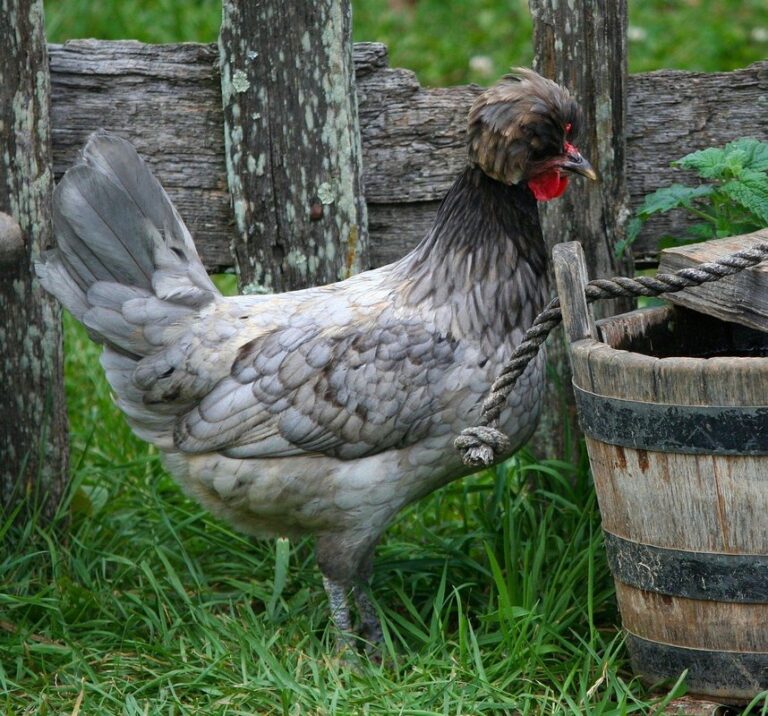
Characteristics and Benefits of Polish Chicken Eggs
One of the most exciting aspects of raising Polish chickens is the unique characteristics and benefits of their eggs, which set them apart from other breeds. Let’s explore what makes these eggs so special.
Nutritional Value of Polish Chicken Eggs
When it comes to the nutritional value of Polish chicken eggs, they stand out from the rest. One of the most significant advantages is their exceptionally high protein content, making them an excellent choice for fitness enthusiasts and health-conscious individuals. On average, a large egg from a Polish hen contains around 6-7 grams of protein, which is about 10% more than what you’d find in regular eggs.
What’s even more impressive is the low cholesterol levels present in Polish chicken eggs. Research has shown that these hens produce eggs with lower cholesterol content compared to other breeds, making them a great option for those who are concerned about heart health. Additionally, Polish chicken eggs are rich in omega-3 fatty acids, which play a crucial role in maintaining healthy brain function and reducing inflammation.
Incorporating Polish chicken eggs into your diet can have a significant impact on your overall nutritional intake. For instance, you could try adding them to your omelette or scrambled eggs for breakfast, or using them as a topping for salads or baked potatoes. Remember, the quality of an egg is not just determined by its nutritional value but also by how it’s produced and raised – look for producers who prioritize animal welfare and sustainable practices.
Taste and Texture of Polish Chicken Eggs
When you crack open a Polish chicken egg, you’ll likely be greeted by a rich and buttery flavor that’s a far cry from the bland taste of many commercial eggs. This is due to the unique characteristics of the breed itself, which is known for its high-quality foraging habits and robust diet.
One of the most notable aspects of Polish chicken eggs is their creamy texture. This is thanks in part to the bird’s ability to digest a wide range of foods, from seeds and grains to insects and small invertebrates. As a result, the yolks are incredibly rich and full-bodied, making them perfect for baking, cooking, or enjoying on their own.
In contrast to many store-bought eggs, Polish chicken eggs have a more delicate balance between yolk and white. This is because they’re laid by birds that are allowed to roam freely outdoors, where they can eat fresh grasses and other nutrient-rich foods. The result is an egg that’s both delicious and visually appealing.
If you’re new to Polish chicken eggs, it’s worth noting that the flavor will be more pronounced if you cook them gently. Overcooking can bring out a slightly bitter taste, so aim for a soft-poached or scrambled texture instead.
Versatility in Cooking with Polish Chicken Eggs
When it comes to cooking with Polish chicken eggs, one of the most impressive aspects is their versatility. Whether you’re a seasoned chef or a beginner in the kitchen, these eggs can be prepared in a multitude of ways to suit various tastes and preferences.
Boiling is perhaps the simplest method to cook Polish chicken eggs. Crack an egg into a pot of cold water, bring it to a boil, and then reduce the heat for 10-12 minutes. The result is a perfectly cooked egg with a firm yolk and set white. However, if you’re looking for a more golden-brown finish, try frying them in a skillet with some oil or butter until they reach your desired level of doneness.
Poaching Polish chicken eggs is also a breeze. Bring a pot of water to a simmer, crack an egg into it, and cook for 3-5 minutes. The delicate whites will set, while the yolks remain runny. To add a bit of texture, try baking them in a muffin tin with some shredded cheese or herbs on top.
Polish chicken eggs can also be used as a base for various omelets, frittatas, and quiches. With their rich flavor and creamy texture, the possibilities are endless! Whether you’re looking to add some variety to your breakfast routine or experimenting with new recipes, Polish chicken eggs are an excellent choice.
Raising Polish Chickens for Egg Production
If you’re looking to raise Polish chickens for egg production, getting started with a healthy flock and optimal living conditions is essential for consistent egg laying. Let’s dive into these crucial factors together.
Choosing the Right Breed
When it comes to raising Polish chickens for egg production, selecting the right breed is crucial. Not all Polish chicken breeds are created equal when it comes to egg-laying capabilities. To get high-quality eggs from your Polish flock, you’ll want to choose a reputable breeder or supplier.
Look for breeders who specialize in egg-producing Polish chickens and can provide documentation on the breed’s heritage and performance. A good breeder will also be able to give you advice on how to care for your new birds and provide guidance on what to expect from their egg-laying abilities.
Avoid buying from backyard breeders or pet stores, as these birds may not have been bred specifically for egg production. Instead, seek out a reputable supplier who can offer high-quality, fertile eggs that will give you the best chance of getting healthy, prolific layers.
Some popular breeds among Polish chicken enthusiasts include the Bielecki and the Karpia, which are known for their high egg-laying capabilities.
Providing Optimal Living Conditions
To ensure that your Polish chickens thrive and produce eggs consistently, it’s essential to provide them with optimal living conditions. This includes a safe, comfortable, and spacious enclosure that protects them from harsh weather, predators, and stress.
When setting up housing for your Polish chickens, consider the following:
* Provide at least 2-4 square feet of space per bird indoors, and 8-10 square feet outdoors in a fenced area.
* Ensure good ventilation by installing windows, vents, or fans to circulate air and regulate temperature.
* Offer roosting bars that are about 3-4 inches wide for the birds to perch comfortably at night.
* Keep the coop clean and dry by removing soiled bedding material regularly.
In terms of care requirements, Polish chickens need regular exercise and social interaction. Provide a balanced diet rich in protein, calcium, and other essential nutrients. Ensure access to fresh water at all times, and consider providing a grit supplement to aid digestion.
By meeting these housing and care needs, you’ll be well on your way to raising happy, healthy Polish chickens that will reward you with an abundance of delicious eggs.
Managing Polish Chicken Health
When it comes to raising Polish chickens for egg production, their health is of utmost importance. These birds are prone to certain health issues that can impact not only their well-being but also the quality and quantity of eggs they produce.
One common issue affecting Polish chickens is respiratory problems. This can be caused by a variety of factors such as dampness, poor ventilation, or airborne pathogens. To prevent this, it’s essential to ensure your coop has adequate ventilation and remains dry. You can do this by installing windows, vents, or fans that allow for airflow.
Another significant issue affecting Polish chickens is feather pecking. This behavior occurs when hens start pecking at their own feathers, leading to stress, discomfort, and sometimes severe injuries. To prevent feather pecking, make sure your flock has access to a balanced diet rich in nutrients, provide them with adequate space to roam, and engage in activities that stimulate their natural foraging behavior.
In addition to prevention measures, knowing how to treat common health issues is equally crucial. If you suspect any health problems, keep an eye on your birds’ behavior and appearance, and consult a veterinarian if necessary.
Tips for Collecting and Handling Polish Chicken Eggs
When it comes to collecting and handling Polish chicken eggs, you’ll want to follow some essential tips to ensure your eggs are safe, clean, and healthy. This includes knowing when to collect eggs and how to gently handle them without breaking.
Hygiene and Safety Considerations
When collecting and handling Polish chicken eggs, maintaining high standards of hygiene is crucial to prevent contamination. This means creating a clean environment from start to finish to ensure the quality and safety of your eggs.
Start by keeping your hands and tools clean before touching the eggs. Wash your hands thoroughly with soap and warm water, and dry them completely with a clean towel. Make sure your egg-gathering equipment, such as baskets or crates, are also spotless. This will help prevent any potential bacteria from being transferred to the eggs.
When gathering eggs from the coop, try to avoid disturbing the nesting boxes too much to minimize the risk of dropping an egg and causing breakage. Also, be mindful of your movements around the coop to avoid creating dust or debris that could settle on the eggs.
Finally, always store collected eggs in a clean, dry place away from direct sunlight to prevent moisture buildup and contamination. This may include a designated egg storage area or a refrigerator with a dedicated egg tray.
Storage and Transportation Guidelines
When it comes to collecting and handling Polish chicken eggs, proper storage and transportation are crucial to maintain their quality and prevent breakage. It’s essential to handle the eggs gently and with clean hands to avoid transferring bacteria from one egg to another.
To store Polish chicken eggs safely, keep them in a cool, dry place away from direct sunlight. The ideal temperature for storing eggs is between 38°F and 40°F (3°C and 4°C). You can store them in a covered carton or basket lined with paper towels to prevent moisture buildup. It’s also crucial to avoid stacking the eggs on top of each other, as this can cause pressure on the eggs and lead to breakage.
When transporting Polish chicken eggs, consider using insulated containers or bags to maintain a consistent temperature. You can also add absorbent materials like paper towels or newspaper to cushion the eggs in case of any sudden movements. Additionally, try to transport the eggs gently, avoiding jolts or bumps that could cause damage. By following these guidelines, you’ll be able to collect and handle your Polish chicken eggs safely and securely.
Comparison with Other Chicken Breeds
Now that you know the wonderful world of Polish chicken eggs, let’s compare them to other popular breeds and see how they stack up in terms of egg production.
Egg Size and Color
When it comes to egg size and color, Polish chickens are often compared to other popular breeds like Leghorns and Orpingtons. Let’s take a closer look at how their eggs stack up.
One of the most noticeable differences is the size of the eggs. Leghorns, for example, lay some of the largest eggs you’ll find in any backyard flock. On average, they produce eggs that weigh around 2.5 ounces and measure about 1.9 inches long. Orpingtons, on the other hand, tend to produce slightly smaller eggs, weighing around 2-2.3 ounces.
Polish chickens, however, fall somewhere in between. Their eggs typically weigh around 2-2.5 ounces and measure approximately 1.8-2 inches long. While they may not be as large as Leghorns’, Polish chicken eggs are often prized for their beautiful colors. Many people who keep Polish chickens report getting a range of eggshell colors, from light blue to pale pink.
If you’re interested in comparing the egg size and color of your own flock, here’s what you can do: Next time you collect eggs, take note of the sizes and colors of each breed. You might be surprised at how unique each type is!
Temperament and Personality Traits
Polish chickens are renowned for their unique temperament and personality traits. When it comes to intelligence, Polish chickens score high on the list of smart chicken breeds. They’re highly curious, love to explore, and are quick learners, making them a joy to train. Their intelligence allows them to adapt easily to new environments and situations.
One key trait that sets Polish chickens apart is their affectionate nature. They bond strongly with their owners and can become quite attached, often seeking attention and interaction. However, this also means they require regular socialization and handling from an early age to ensure they remain friendly and docile.
When it comes to trainability, Polish chickens are relatively easy to handle and train, especially when rewarded with treats or praise. Their gentle nature makes them a great choice for families with children who want to learn about chicken care. With patience, consistency, and positive reinforcement, you can teach your Polish chickens to perform various tasks, from simple tricks to more complex behaviors.
Overall, the temperament and personality traits of Polish chickens make them an excellent addition to any backyard flock or homestead.
Recipes and Ideas for Using Polish Chicken Eggs
Now that you’re familiar with the unique characteristics of Polish chicken eggs, let’s get creative with some delicious recipes to try at home! From omelets to baked goods, we’ve got you covered.
Breakfast Dishes and Omelets
Polish chicken eggs are a treasure trove of culinary creativity, and breakfast dishes are no exception. One of the most iconic ways to showcase these eggs is by making an omelet. But why settle for just any ordinary omelet when you can make it extraordinary with Polish chicken eggs? Here’s what sets them apart: their richer, creamier flavor profile and firmer texture.
To create a show-stopping breakfast omelet, try adding some caramelized onions or mushrooms to give it a depth of flavor. Or, for a more modern twist, mix in some chopped fresh herbs like parsley or dill. If you’re feeling fancy, fold the omelet into thirds and serve with a side of toasted rye bread or Polish-style pierogi.
Some other breakfast dishes that shine with Polish chicken eggs include frittatas, quiches, and shakshukas. These versatile eggs can be used in place of traditional chicken eggs to add an extra layer of flavor and texture to your recipes. Don’t be afraid to experiment and find your own unique combinations – after all, that’s what makes cooking with Polish chicken eggs so much fun!
Baking and Desserts
When it comes to baking and desserts, Polish chicken eggs are an excellent choice due to their rich flavor and high nutritional value. One of the best ways to incorporate these eggs into sweet treats is by using them as a replacement for regular eggs in recipes.
Consider making a Polish-style Babka, which typically consists of a yeast-based dough filled with butter, sugar, and cinnamon. Replace one or two regular eggs with Polish chicken eggs and enjoy a moist and tender crumb. Alternatively, use the rich flavor of these eggs to make decadent chocolate cakes or brownies.
Polish chicken eggs are also ideal for making delicious creme brulee, as their high fat content will enrich the custard base without affecting its texture. To make a Polish-style creme brulee, simply replace the regular eggs with two Polish chicken eggs and proceed with your recipe as usual.
Experimenting with different recipes is key to finding the perfect balance of flavors in your baked goods and desserts using Polish chicken eggs.
Main Course Dishes and Soups
Polish chicken eggs are incredibly versatile and can be used in a variety of main course dishes and soups. When it comes to using them in savory dishes, think about how you would use regular eggs. You can scramble or fry Polish chicken eggs as a protein-packed breakfast option, or slice them thin for salads like a classic Polish-style pickled egg salad.
When it comes to more substantial meals, consider making an omelette with sautéed mushrooms and spinach, using the rich flavor of the Polish chicken eggs to add depth. You can also make an egg strata, layering Polish chicken eggs with bread and cheese for a satisfying brunch or dinner dish.
In terms of soups, Polish chicken eggs pair particularly well with creamy, comforting options like borscht or beet soup. The acidity and earthy flavors of the beets complement the richness of the eggs beautifully. Simply chop your hard-boiled Polish chicken eggs and add them to the pot for an extra burst of protein.
For a heartier option, try making a bigos-style hunter’s stew with Polish chicken eggs, sauerkraut, and chunks of meat like sausage or bacon. The smoky flavors will meld together beautifully with the creamy richness of the eggs.
Conclusion: The Unique Value of Polish Chicken Eggs
Now that you’ve learned all about the benefits and characteristics of Polish chicken eggs, let’s talk about what truly sets them apart. What makes these eggs a valuable addition to your farm or backyard flock?
Recap of Key Takeaways
In conclusion, we’ve covered a wealth of information about Polish chicken eggs, highlighting their unique characteristics and benefits. To recap, these remarkable eggs offer:
A delicate, soft-shell exterior that makes them perfect for baking and cooking methods requiring precise temperature control.
A creamy, rich yolk with an exceptionally high omega-3 fatty acid content, providing a boost to heart health and cognitive function.
Polish chicken eggs are also prized for their exceptional fertility rate and incubation success rates. In fact, studies have shown that Polish chicken hens can achieve up to 300 or more eggs per year, depending on factors such as nutrition, breed quality, and climate conditions.
In addition, these extraordinary eggs are a delight to work with in the kitchen. Their unique characteristics make them an ideal choice for recipes calling for soft-boiled eggs or delicate sauces.
Whether you’re looking to start your own backyard flock or simply want to incorporate Polish chicken eggs into your cooking routine, we hope this guide has provided you with valuable insights and practical advice to get started. By embracing the benefits of Polish chicken eggs, you can unlock a world of culinary possibilities and unparalleled egg-cellence in your kitchen!
Encouragement to Try Polish Chicken Eggs
Now that you’ve learned about the benefits and characteristics of Polish chicken eggs, we encourage you to give them a try in your own cooking and baking endeavors. The unique flavor profile and rich nutritional content make them an excellent addition to various dishes.
To get started, consider incorporating Polish chicken eggs into your breakfast recipes, such as omelets or scrambled eggs. Their rich, buttery taste pairs well with herbs like parsley and chives. Alternatively, use them in baked goods like cakes, muffins, and cookies – their distinctive flavor complements the sweetness of sugar and spices.
Experimenting with different cooking methods can also enhance the unique characteristics of Polish chicken eggs. Try boiling or poaching them to showcase their delicate texture. For added depth, add a dash of smoked paprika or garlic powder to your recipes. Don’t be afraid to get creative – after all, that’s what makes cooking so much fun!
As you explore the possibilities with Polish chicken eggs, remember to store them properly in the refrigerator to preserve their freshness and nutritional value.
Frequently Asked Questions
How often should I collect Polish chicken eggs to prevent breakage?
Collecting eggs regularly is crucial to preventing breakage. Check the coop at least twice a day, especially during peak laying seasons. Consider investing in an egg collection system or a carton with individual compartments for safe transport.
Can I use Polish chicken eggs for baking and desserts without losing their flavor and nutritional value?
Yes, you can use Polish chicken eggs for baking and desserts. To preserve the flavor and nutrients, keep the cooking temperature below 180°F (82°C) to prevent the breakdown of delicate proteins. Also, avoid overmixing the batter or dough.
How do I handle and store Polish chicken eggs safely to prevent contamination?
Always wash your hands before handling eggs. Store them in a cool, dry place with the pointed end facing down to prevent moisture from entering through the air pocket. Keep the eggs away from strong-smelling foods, as they can absorb odors easily.
Can I use Polish chicken eggs for making omelets and frittatas without compromising their taste?
No, using large or extra-large Polish chicken eggs is ideal for making omelets and frittatas. They will yield a better balance of flavor and texture compared to smaller eggs.
What are some common health issues to watch out for in my Polish chickens, and how can I prevent them?
Monitor your flock regularly for signs of respiratory problems, mites, and lice. Keep the coop clean, provide adequate ventilation, and ensure access to fresh water and a balanced diet. Consult with a veterinarian if you notice any unusual behavior or health issues.