
Polish chicken hens are a delightful breed known for their unique appearance, charming personalities, and friendly nature. If you’re considering adding these beautiful birds to your backyard flock or are already raising them, understanding their specific needs is crucial to ensuring they live happy and healthy lives.
In this comprehensive guide, we’ll delve into the characteristics of Polish chicken hens, exploring their temperament, health considerations, breeding requirements, and showing opportunities. We’ll also discuss enrichment ideas to keep these intelligent birds stimulated and engaged. Whether you’re a seasoned poultry owner or just starting out, our ultimate guide will provide you with all the essential information you need to raise happy, healthy Polish chicken hens.
Introduction to Polish Chicken Hens
When it comes to raising chickens, knowing your breed is key. Let’s start by introducing you to the wonderful world of Polish chicken hens and what makes them a popular choice among backyard farmers.
What are Polish Chickens?
Polish Chickens have a rich history that dates back to 16th century Poland. Originating from Europe, this breed is known for its striking appearance and unique characteristics. They were first introduced to England in the late 1800s and quickly gained popularity among poultry enthusiasts.
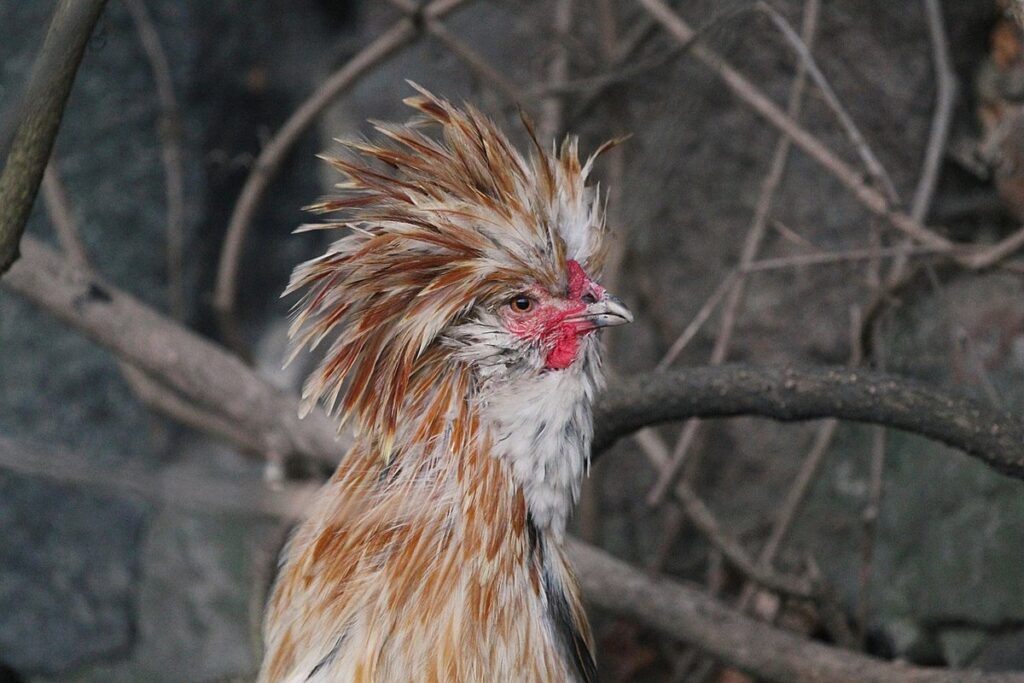
One of the most distinctive features of Polish Chickens is their crest, which is a tuft of feathers on top of their heads. This crest can grow quite large, often hiding their eyes, making it difficult for them to see at times. However, this doesn’t seem to affect their friendly and docile nature. They are known to be great family pets due to their gentle disposition.
Polish Chickens come in a variety of colors including gold, silver, white, blue, and red. Their eggs are medium-sized and brown in color. As for egg-laying capacity, Polish hens are average producers, laying around 200-220 eggs per year. They’re also relatively quiet birds, making them an ideal choice for backyard chicken keepers who live in residential areas.
In terms of size, Polish Chickens are small to medium-sized birds, weighing between 2 and 3 pounds. Despite their small stature, they have a sturdy build and can tolerate cooler temperatures well. This makes them suitable for farmers or homesteaders with smaller spaces to allocate for their flock.
Characteristics of Polish Chickens as Hens
Polish chicken hens are known for their unique characteristics that make them a delight to keep as backyard pets. In terms of temperament, Polish chickens are friendly and docile, making them an excellent choice for families with children or for beginners who want to start raising chickens. They are also relatively quiet compared to other breeds, which can be a bonus for those living in close proximity to neighbors.
When it comes to size, Polish chicken hens are small to medium-sized birds, typically weighing between 2-4 pounds (0.9-1.8 kg). This makes them an ideal choice for backyard flocks with limited space or for those who want to raise chickens in a small area. Polish hens are also prolific layers, producing an average of 200-220 eggs per year, which is a decent amount considering their size.
One of the standout features of Polish chicken hens is their stunning feathering. They have a crested head, bearded face, and laced feathers that give them a beautiful and unique appearance. However, this unique feature does require some extra care, as their crest can be prone to oiliness and may need to be trimmed regularly to prevent matting.
It’s essential to note that Polish chicken hens are cold-hardy birds and can tolerate cooler temperatures well, but they may not do as well in extreme heat. This is something to consider if you live in a hot climate or plan to raise them in an area with limited shade. With proper care and attention, Polish chicken hens can make wonderful additions to any backyard flock.
Benefits of Keeping Polish Chickens as Pets
Keeping Polish chickens as pets offers numerous benefits that make them an attractive choice for backyard flock enthusiasts and show bird aficionados alike. One of the primary reasons people choose to keep Polish hens is their unique and charming appearance. With their crested heads, fluffy feathers, and small size, Polish chickens are undeniably adorable.
In addition to their visual appeal, Polish chickens are known for being friendly, docile, and social birds. They thrive on human interaction and can become incredibly affectionate pets. Regular handling and interaction can help tame their natural fearlessness, making them an excellent choice for families with children or first-time chicken keepers.
Their small size also makes them a great option for those with limited space, as they require minimal room to roam. Whether you’re looking to add some feathered friends to your backyard or compete in local poultry shows, Polish chickens are a popular and rewarding choice that can bring joy and entertainment to anyone who owns them.
Polish Chicken Health and Welfare
When it comes to keeping your Polish chicken hens happy and healthy, there are several key factors to consider, including nutrition and parasite control. Let’s take a closer look at how to promote optimal health in your flock.
Common Health Issues Affecting Polish Chickens
Polish chickens are known for their unique characteristics and friendly nature. However, like all breeds, they can be prone to certain health issues that need attention from their owners.
Respiratory problems are a common issue among Polish chickens, especially during the colder months or when exposed to drafts. This is due to their large combs and facial feathers which can make them more susceptible to cold stress. To prevent this, it’s essential to provide a warm and draft-free coop for your hens. Make sure their living space is well-ventilated, but not so much that they get chilled.
Another issue Polish chicken owners often encounter is broodiness. This is when a hen stops laying eggs and becomes fixated on sitting on an imaginary clutch of eggs. While it’s natural behavior for some breeds, it can be challenging to manage in Polish chickens. If you notice your hen becoming excessively broody, try separating her from the rest of the flock or providing plenty of exercise and mental stimulation.
In addition to these issues, Polish chickens may also experience feather pecking and cannibalism due to their strong social nature. To prevent this, provide a balanced diet, ensure enough space for each bird, and establish a clear pecking order within your flock.
Nutrition for Healthy Polish Hens
When it comes to providing optimal nutrition for your Polish chicken hens, understanding their dietary requirements is crucial. Polish chickens are a light breed and require less protein than other breeds, making them more susceptible to obesity if overfed. A balanced diet that includes high-quality layer feed, supplemented with fresh fruits and vegetables, will help maintain their overall health.
When feeding your Polish hens, it’s essential to provide a mix of grains, proteins, and fiber-rich foods. Aim for 16-18% protein content in their layer feed, and supplement with calcium-rich foods like crushed eggshells or oyster shells to support strong bone growth.
Avoid common mistakes like overfeeding, which can lead to obesity and related health issues. Provide fresh water at all times, and consider free-ranging your hens during the day to allow them to forage for insects and other beneficial treats. A well-planned diet will help keep your Polish chickens happy, healthy, and productive layers.
Tips for Maintaining Hygiene in Your Flock
Maintaining good hygiene within your flock is crucial for their overall health and well-being. A clean living environment not only keeps your chickens free from diseases but also promotes a happy and healthy lifestyle.
To manage waste, it’s essential to provide an adequate space for litter disposal. This can be achieved by designating a specific area of the run as a ‘waste zone’ where droppings can be easily collected and disposed of. Consider using a deep litter system, which involves adding a thick layer of bedding material such as wood shavings or straw that can absorb moisture and odors.
When managing waste, it’s also vital to implement regular cleaning routines. This includes removing soiled bedding, disinfecting surfaces with a solution of 1 part white vinegar to 9 parts water, and replenishing clean litter. To prevent disease spread, ensure all chickens have access to fresh air and sunlight by providing adequate ventilation in their coop.
In addition, consider implementing biosecurity measures such as wearing gloves when handling birds, washing your hands thoroughly before and after interacting with them, and disinfecting any equipment used within the run. Regular health checks should also be carried out to identify potential issues early on.
Breeding and Raising Polish Chickens
If you’re ready to raise some adorable Polish chickens of your own, understanding their breeding and rearing needs is crucial for success. This next part will walk you through those essential details.
Understanding the Sexing of Chicks
Sexing chicks can be a daunting task for backyard chicken keepers, especially when raising Polish chickens. At around 18-24 hours of age, sexing becomes possible due to visible physical differences between males and females. One common method used is vent sexing, where the veterinarian or breeder examines the chick’s vent area for telltale signs.
Males typically have a more pronounced cloaca and longer, thicker tail feathers. Females, on the other hand, usually have a less prominent cloaca and shorter tail feathers. However, some breeds like Polish chickens can be particularly challenging to sex due to their large crests which can sometimes obscure the vent area. It’s essential to note that not all breeders or veterinarians are comfortable with performing this procedure.
To ensure accuracy, it’s crucial to seek professional help from an experienced breeder or veterinarian who has extensive knowledge of Polish chicken anatomy. This can save a lot of stress and heartache down the line when raising your flock. With practice and experience, you’ll become more confident in identifying male and female chicks.
Caring for Broody Polish Hens
If you’ve ever had a broody Polish hen on your farm, you know that it can be both fascinating and frustrating. A broody hen is one that has taken to sitting on eggs constantly, refusing to leave the nest. While it’s natural for chickens to go through this phase, especially if they’re nesting instincts are strong, there are ways to encourage non-broody behavior in your Polish hens.
Recognizing the signs of a broody hen can help you intervene early on. These include pacing back and forth around the coop, fluffing out feathers, and becoming increasingly protective of any eggs in the nest. If you catch it early enough, you may be able to encourage her to come out of her broodiness by providing plenty of fresh food, water, and exercise.
To discourage a hen from going broody, try separating her from the rest of the flock for a few days or adding some new toys to keep her occupied. You can also try swapping eggs with fertile ones to stimulate interest in the nest, while removing any eggs she’s taken up residence on.
Managing Your Flock’s Size and Dynamics
Integrating new birds into your flock can be a challenging process, but with patience and careful planning, you can minimize stress for both you and the chickens. When introducing a new bird, start by keeping them separate from the rest of the flock for a few days to allow them to get used to each other’s sounds and scents. You can do this by placing their enclosures next to each other or even in adjacent runs.
When it’s time to bring the birds together, begin with short introductions under supervision. Reward calm behavior and monitor body language – if either bird shows aggression, separate them immediately and try again later. It’s also essential to provide enough space for all birds, ensuring that no single individual feels overcrowded or territorial. A general rule of thumb is to allocate at least 2-3 square feet per bird inside the coop.
As your flock grows, consider dividing them into smaller groups based on age, size, and temperament. This can help prevent bullying and reduce stress levels within the group. Additionally, provide plenty of enrichment activities like foraging toys, scratching posts, and dust baths to keep everyone engaged and entertained. By prioritizing social harmony and giving each bird its space, you’ll create a harmonious and thriving flock that’s a joy to manage.
Showing and Exhibiting Polish Chickens
When it comes to showcasing your Polish Chicken hens, there are specific rules and guidelines you’ll need to follow to ensure their success in the show ring. Let’s dive into the details of showing and exhibiting these stunning birds.
Preparing Your Birds for the Show Ring
Preparing for show ring success requires careful attention to detail when it comes to your Polish chicken hens. Clipping is a crucial step in preparing your birds for competition, as matted and dirty feathers can negatively impact their appearance. Start by gently working out tangles with your fingers or a wide-tooth comb, taking care not to pull on the feathers. Next, use scissors specifically designed for chickens to carefully trim any overgrown areas.
Cleaning is also vital, especially around the eyes, nostrils, and vent area. Use a soft-bristled brush or a gentle cleanser to remove dirt and debris without irritating your hen’s skin. Be sure to handle these sensitive areas with care to avoid causing undue stress. When it comes to handling techniques, practice makes perfect. Gently lift your hen onto the scale or into her carrier, supporting her body weight and avoiding sudden movements that might frighten her. With patience and consistency, you’ll be well on your way to showing off your beautiful Polish chickens in no time.
Understanding the Judging Criteria for Polish Chickens
When entering a show with your prized Polish chicken hen, it’s essential to understand the judging criteria to ensure you’re presenting her to her full potential. The breed standard for Polish chickens emphasizes their unique characteristics, such as their crested heads and V-shaped combs.
Judges evaluate Polish hens based on several key factors: type, size, and plumage. Type refers to the hen’s overall appearance, including posture, movement, and carriage. A well-bred Polish hen should have a compact, upright stance and exhibit good balance between body and tail. Size is also crucial, as Polish hens are expected to weigh around 2-3 pounds. Plumage, meanwhile, should be clean, shiny, and free of any damage or irregularities.
To give your Polish hen the best chance at impressing judges, focus on maintaining her overall health and condition. Keep her cooped up in a spacious, draft-free area with adequate food and water, ensuring she’s well-nourished and energetic. Regular grooming is also vital to prevent matting and tangling of her feathers. With attention to these details, you’ll be well-prepared for the judging process and can confidently showcase your hen’s unique charm.
Strategies for Success in Showing Polish Hens
When it comes to showing polish hens, having a solid understanding of what judges look for and being prepared are crucial. Experienced exhibitors and breeders offer valuable insights that can help you succeed.
For instance, breeder and show champion, Jane Smith, emphasizes the importance of knowing the breed standard inside out. “Study the Polish chicken breed standard and familiarize yourself with the characteristics that make a hen stand out,” she advises. This includes attention to detail such as beak length, earlobe size, and comb shape.
Another key strategy is to focus on presenting your hen in its best possible light. This means ensuring her feathers are clean and well-groomed, and that she’s in top physical condition. “Presentation is everything,” notes breeder John Doe. “Make sure your hen looks healthy, energetic, and confident.”
When selecting a show hen, consider factors such as breed type, age, and overall quality. It’s also essential to choose a hen with good temperament, as judges often look for birds that are calm and well-behaved in the show pen. By following these tips and gaining experience, you’ll be well on your way to success in showing polish hens.
Housing and Enrichment for Polish Chicken Hens
When it comes to creating a happy home for your Polish chicken hens, providing proper housing and enrichment is crucial for their overall health and well-being. A well-designed coop can make all the difference in keeping them safe and stimulated.
Creating an Optimal Living Environment
When it comes to creating an optimal living environment for your Polish chicken hens, there are several key factors to consider. Adequate space is crucial, and a general rule of thumb is to provide at least 2-4 square feet per hen inside the coop, and 8-10 square feet in the run. This will give them ample room to move around, stretch their wings, and engage in natural behaviors.
Proper ventilation is also essential to prevent ammonia buildup from their droppings, which can lead to respiratory problems. Make sure your coop has windows or vents that allow for good airflow, and consider adding a roof overhang to protect the interior from rain and snow. Natural light is another vital aspect of a happy and healthy environment – provide windows that face east or west to maximize sunlight during the day.
To create an inviting space, add some enrichment elements like perches, nesting boxes, and scratching posts. Polish chickens are known for their love of digging and foraging, so consider adding some sand or soil to their run to satisfy these natural instincts. By providing a spacious, well-ventilated, and naturally lit environment, you’ll be creating a haven that will bring joy and satisfaction to both you and your feathered friends.
Providing Mental and Physical Stimulation
Providing mental and physical stimulation is essential for maintaining the overall health and well-being of Polish chicken hens. You can start by incorporating puzzle toys into their daily routine. These interactive toys challenge your hens to figure out how to get treats out, providing mental stimulation and slowing down food consumption.
In addition to puzzle toys, exercise routines are also crucial for maintaining physical fitness. A simple yet effective way is to set up a “chicken agility course” in your backyard using items like cardboard boxes, tunnels, and wooden planks. This will not only get their feathers ruffled but also provide essential exercise and fun.
Social interaction is another vital aspect of Polish chicken hens’ well-being. They thrive on social connections, so make sure to spend quality time with them daily. You can do this by simply sitting among them, observing their behavior, or even just providing a treat-filled bucket for them to peck at together.
Integrating Your Flock into Your Yard or Garden
When introducing your new flock of Polish chicken hens to your yard or garden, it’s essential to consider their safety and well-being. You’ll want to ensure they have a safe space to roam and forage without posing a threat to your existing outdoor spaces or plants.
Before letting them free-range, inspect your yard for any potential hazards such as poisonous plants, sharp rocks, or electrical wires. Remove any debris or obstacles that could cause tripping or injury. Polish hens are intelligent birds and can be trained to avoid certain areas, but it’s crucial to set boundaries from the start.
To integrate your flock into your garden, designate a specific area for them to scratch and peck in. You can create a safe zone by using chicken wire fencing or netting to enclose the space. This will prevent them from accessing sensitive plants or flowers while allowing them to forage freely.
Remember to also introduce new plants that are safe for your hens to eat, such as leafy greens like kale or spinach. Some plants, however, can be toxic to chickens, so make sure to research and avoid planting those. By taking these steps, you’ll create a harmonious coexistence between your Polish chicken hens and your garden.
Conclusion: The Joy of Keeping Polish Chicken Hens
As you come to the end of our Ultimate Guide to Polish Chicken Hens, let’s take a moment to reflect on why these delightful birds bring so much joy to backyard flocks. The reward of owning Polish chickens is truly a labor of love.
Recap of Key Takeaways
In conclusion, we’ve covered a lot of ground when it comes to Polish chicken hens. You now know that these birds are friendly, gentle, and perfect for small farms or backyard flocks. They thrive in cold climates and have an impressive egg-laying ability, producing around 200-220 eggs per year.
You’ve also learned about their unique characteristics, such as their docile nature and ability to bond with owners. We discussed the different types of Polish chickens, including Leghorns and Orpingtons, and how they can be used for egg production or meat.
One important point to remember is that Polish hens are prone to health issues if not properly cared for. To keep them healthy, make sure to provide a balanced diet, plenty of fresh water, and regular exercise. Additionally, consider introducing other breeds to your flock to promote genetic diversity and prevent disease.
By following these tips and understanding the needs of Polish chicken hens, you’ll be well on your way to creating a thriving and happy flock.
Encouragement for New Keepers
As you embark on this delightful journey of keeping Polish chicken hens, remember that it’s not just about the birds themselves, but also the experience and memories they bring to your life. Many new keepers may be hesitant due to the challenges that come with raising these beautiful creatures, but trust us when we say it’s all worth it.
First and foremost, congratulations on taking the first step towards joining the world of Polish chicken enthusiasts! With patience, dedication, and a willingness to learn, you’ll soon discover that the rewards far outweigh any initial difficulties. For instance, have you ever experienced the joy of collecting fresh eggs from your own backyard? It’s an unbeatable feeling!
To help you navigate this new chapter, here are some tips for success: Start small, be prepared to invest time and effort into training and socializing your birds, and don’t hesitate to reach out to fellow breeders or online communities for guidance. With persistence and a positive attitude, you’ll be well on your way to enjoying the unique charm of Polish chicken hens.
Frequently Asked Questions
Can I keep Polish chickens with other breeds?
Yes, Polish chickens can get along well with other breeds, but it’s essential to introduce them slowly and under close supervision. Start by keeping them separate for a few days before introducing them to the same enclosure. This will help prevent any potential aggression or stress.
How often should I collect eggs from my Polish chicken hens?
Polish chickens are prolific layers, producing around 280-300 brown eggs per year. You can expect to collect eggs daily, but make sure not to disturb them too frequently, as this may cause unnecessary stress.
What’s the best way to provide mental stimulation for my Polish chicken hens?
Polish chickens are intelligent birds and need plenty of mental stimulation to prevent boredom. Provide a variety of toys, such as bells, beads, or puzzle toys, and rotate them regularly to keep things interesting. You can also try hiding treats around their enclosure to encourage exploration.
Can I show my Polish chicken hens if they’re not purebred?
While showing is an excellent way to socialize your birds and have fun, it’s essential to ensure that your Polish chickens meet the breed standards for exhibition. If you’re unsure about the purity of your birds or their suitability for showing, consult with a poultry expert or breeder.
How do I recognize the signs of heat stress in my Polish chicken hens?
Heat stress can be a significant concern for chicken keepers, especially during hot summer months. Watch out for symptoms such as panting, droopy wings, and lethargy. Provide plenty of shade, water, and ventilation to help your birds stay cool.