
If you’re looking to add some unique flair to your backyard flock, consider raising Polish Chicken Turbans. These charming birds have won many hearts with their striking appearance and lively personalities. But beyond their good looks, Polish Turbans are also prized for their friendly nature, making them an excellent choice for families or experienced chicken keepers.
In this article, we’ll delve into the world of Polish Chicken Turbans, exploring their characteristics, breeding habits, and tips for success. Whether you’re a seasoned breeder looking to improve your stock or a newcomer to raising chickens, we’ve got you covered. From understanding the breed’s needs to providing top-notch care, our guide will equip you with everything you need to raise happy and healthy Polish Turbans that are sure to delight. Let’s get started on this journey!
Understanding Polish Chicken Turbans
So, what exactly is a Polish chicken Turban, and how does it differ from other breeds? In this next section, we’ll take a closer look at these unique birds.
Origin and History
The Polish chicken breed has a rich history that dates back to the 16th century. Specifically, the Turban variety originated from Poland’s eastern region, where it was bred for its unique characteristics and stunning appearance. Developed over time through selective breeding, the Polish chicken Turban was designed to showcase its distinctive plumage, which features a vibrant crest on top of its head.
This breed was highly prized by Polish farmers for its exceptional egg-laying abilities and friendly temperament. In fact, the Polish chicken Turban is known to be one of the most docile breeds, making it an excellent choice for backyard flocks. Its small size also made it an ideal choice for smaller farmsteads and homesteads.
Interestingly, the Polish chicken Turban’s distinctive crest was not always a defining feature of the breed. However, through careful selection and breeding, farmers were able to enhance this characteristic, creating the stunning Turban variety we know today. With its unique appearance and friendly demeanor, it’s no wonder that the Polish chicken Turban has become a beloved breed among chicken enthusiasts worldwide.
Recognizing Polish Chicken Turban Characteristics
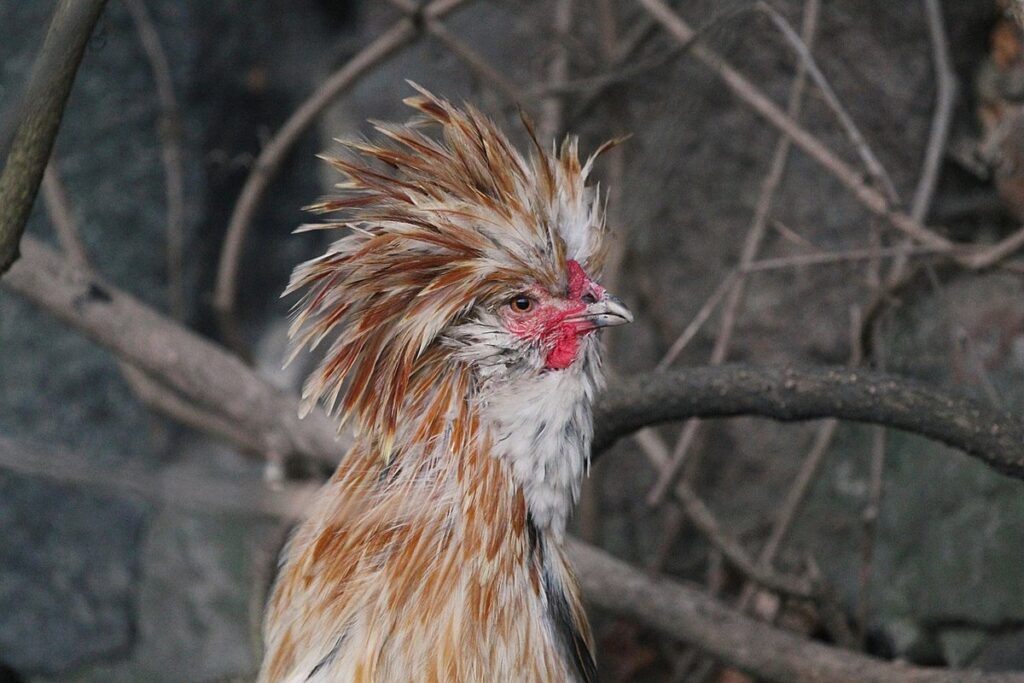
When it comes to identifying Polish chickens, one of the most distinctive varieties is the Turban. To recognize a Polish chicken Turban, look for its unique physical characteristics. First and foremost, the plumage is a key identifier. The Turban has a predominantly white base coat with black or dark gray feathers covering its neck, throat, and face, resembling a turban or scarf.
The beak shape of a Polish Turban is also quite distinctive. It’s relatively short and stout, often being described as “paddle-like” due to its broad shape at the base. This beak type can vary slightly between individuals but tends to be less curved than that found in other breeds.
Another notable feature of the Polish Turban is its comb type. A single comb sits atop the head, with a small wattle below it. The comb itself is typically medium-sized and rounded, often standing upright on top of the skull. This particular combination of plumage, beak shape, and comb type makes the Polish Turban one of the most recognizable varieties within the breed.
When selecting a Polish chicken for your flock, consider these distinct physical characteristics to identify a true Turban specimen. With experience, you’ll become adept at spotting these unique features and know exactly what to look for in this charming variety.
Purpose and Benefits of Raising Polish Chicken Turbans
Raising Polish chicken Turbans can be an incredibly rewarding experience for both breeders and hobbyists. One of the primary reasons people choose to raise this breed is due to their friendly and docile temperament. Polish chickens are known to be one of the most affectionate breeds, making them a great choice for families with children or for those who want to interact with their birds regularly.
In addition to their wonderful personalities, Polish Turbans also offer impressive egg-laying abilities. On average, a healthy Polish Turban hen will lay around 200 large, light-brown eggs per year, which is significantly more than some other breeds. This makes them an excellent choice for those looking to produce a steady supply of fresh eggs.
Another advantage of raising Polish chickens is their relatively small size and easy-to-maintain plumage. Their unique “topknot” or crest can be quite striking, but it also requires minimal upkeep. With proper care, Polish Turbans are generally low-maintenance birds that can thrive in a variety of environments, making them an ideal choice for backyard flocks or small-scale egg producers.
Choosing the Right Breeder or Hatchery
When selecting a breeder or hatchery for your Polish chicken Tolbunt, it’s essential to do your research and find a reputable source. This section will guide you through the process of making an informed decision.
Researching Reputable Breeders
When searching for a reputable breeder of Polish chicken Turbans, it’s essential to prioritize experience and expertise. Look for breeders who have extensive knowledge of the breed and can provide documentation to support their claims. Check if they are members of recognized poultry associations or have received awards for their birds. This can be a great indicator of their dedication to breeding high-quality chickens.
Another crucial factor is health guarantees. Reputable breeders will stand behind their birds’ health and offer some form of guarantee. Ask about the breeder’s vaccination policies, disease testing procedures, and any measures they take to ensure the birds are healthy. Some breeders may also provide a written health guarantee or warranty, which can give you peace of mind.
Customer reviews and testimonials are also valuable resources when researching breeders. Check online review sites, social media, or poultry forums for feedback from other customers. Be wary of breeders with overwhelmingly positive reviews – this could be a sign of staged or fake reviews. Look for consistency in the quality of their birds and the level of service they provide.
Factors to Consider When Selecting a Hatchery
When selecting a hatchery for your Polish chicken Turban chicks, there are several factors to consider beyond just price and availability. First and foremost, you’ll want to research the hatchery’s shipping practices to ensure that your chicks arrive safely at your doorstep.
Look for hatcheries that use specialized shipping containers or “brooder boxes” that maintain a stable temperature and humidity level during transport. This will help minimize stress on the chicks and reduce the risk of mortality. Additionally, consider the age of the chicks when they are shipped – younger chicks are more fragile and may require extra care.
Another crucial aspect to investigate is the hatchery’s health record. A reputable hatchery should be able to provide you with up-to-date vaccination records for their chicks, as well as information on any known health issues within the flock. Finally, think about the level of support provided post-purchase – does the hatchery offer assistance with questions or concerns after the chicks arrive? This can make a big difference in the success of your new flock.
Housing and Environment
When it comes to raising Polish chickens, providing a suitable environment is crucial for their health and well-being. In this section, we’ll explore the key factors to consider when creating a happy home for your feathered friends.
Providing Adequate Space and Ventilation
When it comes to providing an ideal environment for your Polish chicken Turbans, two crucial aspects come into play: space and ventilation. These birds are known for their energetic and social nature, which means they need ample room to move around, exercise, and engage with each other.
A good rule of thumb is to allocate at least 4-5 square feet of floor space per bird inside the coop. This will allow them to stretch their wings, take dust baths, and roost comfortably without feeling claustrophobic. For the run, consider a minimum of 10-15 square feet per bird. This will give them ample room to forage, exercise, and explore.
Ventilation is equally important, as it helps maintain a healthy atmosphere inside the coop. Ensure that your coop has adequate windows, vents, or doors to allow fresh air to circulate. You can also add some natural ventilation by placing a small opening at the top of the coop’s wall. To enhance ventilation, you can place a mesh screen on top of the run to let in breeze and keep predators out.
In terms of enrichment ideas, consider adding perches, scratching posts, or hanging toys filled with treats. You can also plant herbs like parsley, chamomile, or lavender around the coop to create a calming environment. Remember, happy chickens are more likely to produce healthy eggs and lead fulfilling lives!
Temperature Control and Humidity Management
When it comes to creating a comfortable environment for your Polish chicken Turbans, temperature control and humidity management are crucial aspects to consider. In different climates or during extreme weather conditions, the coop’s internal atmosphere can fluctuate significantly.
To maintain a stable temperature range between 40°F to 80°F (4°C to 27°C), you’ll want to ensure proper ventilation in your coop. This can be achieved by installing windows, vents, or using a combination of both. In hot climates, consider using shading materials like tarps or canvas to block direct sunlight. Conversely, in cold climates, insulate the coop with materials like straw bales or foam board.
Maintaining humidity levels between 50% to 60% is also essential for your Polish chicken Turbans’ health. You can achieve this by increasing ventilation during hot and humid weather or using a dehumidifier when it’s dry outside. Monitor temperature and humidity levels regularly, adjusting your coop accordingly. For example, you might bring your chickens inside on extremely hot days to prevent heat stress.
By managing temperature and humidity effectively, you’ll create an optimal environment for your Polish chicken Turbans to thrive in any climate or weather condition.
Feeding and Nutrition
When it comes to keeping your Polish Topline chickens happy and healthy, proper feeding and nutrition are crucial. This is where you’ll find essential tips on what to feed them.
Diet Requirements for Polish Chicken Turbans
When it comes to feeding your Polish chicken Turbans, it’s essential to provide them with a balanced diet that meets their unique nutritional needs. As a popular breed, they require a high-quality feed that’s rich in protein and fiber.
A good starting point is to offer a commercial layer feed specifically formulated for chickens of this age and size group. However, you may also consider supplementing their diet with fresh fruits and vegetables daily, such as leafy greens like kale or spinach, carrots, and apples. It’s also crucial to provide access to calcium-rich sources like crushed eggshells or oyster shells to support strong bone growth.
Some key considerations for feeding Polish chicken Turbans include:
* A balanced ratio of protein (16-18%) and fiber (3-4%)
* Adequate levels of vitamins A, D, and E
* Access to clean water at all times
* Avoid overfeeding, as this can lead to obesity and related health issues
By following these guidelines and making a few simple adjustments, you’ll be well on your way to providing your Polish chicken Turbans with the nutrition they need to thrive.
Managing Water Intake and Hydration
When it comes to keeping your Polish chicken Turbans healthy and thriving, ensuring they have access to clean water at all times is crucial. A well-placed waterer can make a huge difference in their overall health and wellbeing.
There are several types of waterers available for chickens, including nipple drinkers, float valve drinkers, and ceramic dishes. Nipple drinkers are a popular choice as they encourage the birds to drink from them rather than splashing and making a mess. However, if you have older or less energetic hens, a float valve drinker may be more suitable.
It’s essential to place your waterer in a location where it won’t get contaminated with droppings or dust. A good rule of thumb is to position the waterer on the opposite side of the coop from their feeding area, allowing them to move freely without having to navigate around a water source. Keep an eye out for signs of dehydration such as dryness around the beak, lethargy, and sunken eyes.
Remember to check your water level regularly to ensure it’s always full and clean. This can be done by inspecting the waterer at least twice a day, making sure to refill or replace it as needed. By providing your Polish chicken Turbans with easy access to fresh, clean water, you’ll be helping them stay healthy and happy.
Health Considerations and Common Issues
When keeping Polish Crème Brûlée chickens, it’s essential to be aware of potential health concerns and common issues that may arise due to their unique characteristics. Understanding these factors will help you provide the best possible care for your flock.
Understanding Potential Health Risks
When it comes to Polish chicken Turbans, understanding potential health risks is crucial for responsible owners. One common issue that can affect these birds is respiratory problems, which can be caused by factors such as dust, moisture, and air quality. Keep an eye out for signs like labored breathing, wheezing, or coughing, especially during the first few weeks of life.
Parasites are another concern for Polish chicken Turbans. Mites, lice, and internal parasites can all pose a threat to your bird’s health. Check regularly for signs of infestation, such as excessive preening, feather loss, or changes in droppings. Prevent these conditions by maintaining a clean coop, using dust baths or powders to control pests, and providing regular veterinary care.
To prevent respiratory problems, ensure good ventilation in the coop and avoid overcrowding. You can also provide a humidifier to maintain optimal moisture levels. Regular health checks with your veterinarian will help identify potential issues early on, allowing for prompt treatment and minimizing long-term consequences.
Best Practices for Preventative Care
Maintaining a healthy Polish Chicken flock requires attention to preventative care. Vaccination strategies are not typically necessary for backyard flocks, but it’s essential to discuss this with your veterinarian. They can recommend a plan tailored to your specific flock’s needs.
Parasite control is crucial to prevent diseases and ensure the overall health of your chickens. Keep an eye out for signs of internal parasites like coccidiosis or external parasites such as mites, lice, or fleas. Use a well-balanced feed that contains the necessary nutrients to support a healthy digestive system, which can help prevent parasite infestations.
Regular routine veterinary check-ups are also vital in maintaining your flock’s health. Schedule annual visits with a veterinarian experienced in poultry care to monitor for any potential issues and provide guidance on maintaining a healthy environment. This is particularly important when introducing new birds to the flock, as this can be a high-risk time for disease transmission.
Remember to keep your coop clean, and provide plenty of fresh water and a balanced diet to keep your Polish Chickens happy and healthy.
Breeding and Showing Polish Chicken Turbans
If you’re interested in breeding or showing your Polish chicken turban, understanding their unique characteristics is crucial for success. This section will walk you through what to expect from these beautiful birds.
Understanding Breeding Principles and Ethics
Breeding Polish chicken Turbans requires a deep understanding of genetics and breeding principles. At its core, responsible breeding involves selecting individuals with desirable traits to produce offspring that exhibit those characteristics. Genetics play a significant role in this process; breeders must consider the genetic makeup of their birds to avoid perpetuating inherited health issues or undesirable physical features.
Linebreeding and outbreeding are two strategies breeders use to achieve their goals. Linebreeding involves breeding individuals with common ancestry to concentrate desirable traits, while outbreeding introduces new bloodlines to increase diversity and prevent inbreeding depression. However, linebreeding can be risky if not managed carefully, as it may lead to a loss of genetic variability.
To maintain breed standards, breeders must adhere to established guidelines and consider the long-term implications of their breeding decisions. They should also prioritize health testing and ensure that their birds are free from inherited disorders common to the breed. By adopting responsible breeding practices, you can help preserve the integrity of the Polish chicken Turban breed while promoting its overall well-being.
Preparing Your Flock for Showing
Preparing your flock for showing is an essential step in ensuring they make a great impression at the competition. When it comes to grooming techniques, start by washing and drying your Turbans thoroughly a few days before the show. Use a soft-bristled brush or a grooming glove to gently remove any tangles or knots from their feathers. Pay particular attention to areas around the beak, eyes, and legs.
Handling and restraint methods are also crucial for showing Polish chickens. Get your birds accustomed to being handled regularly by practicing gentle lifting, supporting their wings and tail feathers as you lift them. This will help them become comfortable with being held and reduce stress during the show. To restrain a bird safely, use a secure and supportive grip on their body, making sure not to constrict their movement.
When presenting your birds at a show, remember that they should be clean, dry, and well-groomed. Make sure they’re fed a balanced diet rich in protein to ensure they look their best. Practice walking them calmly into the show ring with a confident and assertive stride, keeping their head held high and feathers smooth.
Conclusion: The Reward of Raising Polish Chicken Turbans
Now that you’ve learned about raising Polish chicken turbans, let’s take a moment to reflect on the joys and rewards that come from caring for these unique birds.
Recap of Key Takeaways
As you’ve navigated the world of raising Polish chicken Turbans, it’s essential to recap the key takeaways from our journey together. Let’s revisit the main points that will set you up for success with these beautiful birds.
First and foremost, remember that Polish chicken Turbans are a type of ornamental breed, prized for their stunning crested heads and gentle nature. This means they require less space and exercise compared to other breeds, but still demand attention and social interaction to stay happy and healthy.
Be sure to provide plenty of enrichment activities, such as foraging toys or scratching posts, to keep your Turbans stimulated and engaged. Also, don’t forget to give them a balanced diet rich in protein and fiber to support their growth and energy levels.
In terms of health considerations, be aware that Polish chicken Turbans are prone to respiratory issues due to their flat faces. Ensure good ventilation in their coop and keep an eye out for any signs of respiratory distress. With these key takeaways in mind, you’re well on your way to raising a happy, healthy flock of Polish chicken Turbans.
Encouragement and Resources for Beginners
As you begin your journey with Polish Chicken Turbans, it’s essential to remember that raising these unique birds can be a rewarding experience. Don’t be discouraged if things don’t go as planned at first – every breeder starts somewhere! You’ll quickly discover the joys of working with these friendly, outgoing chickens.
To stay motivated and connected with fellow breeders, I recommend joining online communities like the Polish Breed Club or the Backyard Chickens forum. These platforms offer a wealth of knowledge, advice, and resources to help you navigate the world of Polish Chicken Turbans. You can also reach out to local breed clubs or attend poultry shows to network with experienced breeders.
When faced with challenges, keep in mind that it’s okay to ask for help. Reach out to more experienced breeders, and don’t be afraid to share your own experiences – you’ll find that the Polish Chicken Turban community is full of kind-hearted individuals willing to lend a helping hand. With time and practice, you’ll become an expert on raising these beautiful birds!
Frequently Asked Questions
Can I raise Polish Chicken Turbans if I have limited space?
Yes, with proper planning and housing, it’s possible to keep a small flock of Polish Chicken Turbans even on a smaller property or in an urban backyard. Consider investing in a sturdy coop that provides adequate ventilation and protection from predators.
What’s the best way to breed Polish Chicken Turbans for showing?
To succeed in breeding show-quality Polish Chicken Turbans, focus on selecting birds with excellent plumage, correct conformation, and vibrant crest feathers. Research reputable breeders or hatcheries that specialize in Polish chicken breeds and follow their guidelines for raising exhibition stock.
How do I prevent heat stress in my Polish Chicken Turban flock during hot summer months?
Yes, preventing heat stress is crucial when keeping chickens in warm climates. Provide plenty of shade, ensure access to cool water, and use a misting system or sprinklers to maintain humidity levels around the coop. Additionally, consider using a fan to circulate air and keep your birds comfortable.
Can I mix Polish Chicken Turbans with other breeds?
While it’s possible to mix Polish Chicken Turbans with other breeds, compatibility may vary depending on individual personalities and temperaments. Research breeds that are known to get along well with Polishes, such as Orpingtons or Brahma chickens, and ensure the coop is large enough to accommodate a diverse flock.
How often should I clean my Polish Chicken Turban’s living space?
Cleaning your Polish chicken Turbans’ living space regularly is essential for maintaining their health. Aim to change bedding completely every 1-2 weeks, depending on the number of birds and their individual mess levels. Remove soiled bedding, disinfect feeding and watering areas, and replace with fresh material to keep your flock happy and healthy.