
Are you the proud owner of Polish Crested chickens? If so, you’re already aware that these charming birds require specialized care to thrive. Their unique appearance, with their hairless heads and adorable crests, demands attention to detail when it comes to providing optimal living conditions, nutrition, and health considerations. Whether you’re a seasoned breeder or a first-time owner, getting the best out of your Polish Crested flock requires expert knowledge.
This article will guide you through the essential aspects of raising happy, healthy birds. We’ll cover everything from housing and feeding tips to breeding advice and common health issues specific to this breed. With our expert advice, you’ll be well-equipped to provide the best possible care for your Polish Crested chickens, ensuring they live long, happy lives. Let’s dive in and explore what it takes to become a top-notch Polish Crested chicken breeder or owner!
Understanding Polish Crested Chickens
Let’s dive into what makes Polish Crested Chickens unique, from their striking appearance to their temperament and special needs.
Origins and History of the Breed
The Polish Crested chicken breed has a rich history that spans centuries. Originating from Europe, specifically from Poland and France, these birds were first mentioned in the 16th century as a result of crossbreeding between crested comb-producing breeds and other varieties. The crested feature was initially considered a defect by some but soon became highly prized due to its unique appearance.
Over time, breeders selectively bred Polish Crested chickens for their distinctive crests, which range from small tufts to more elaborate, frilly structures. This selective breeding led to the development of various crested styles and sizes, making them even more diverse than before.
Despite facing some challenges in the early 20th century due to a decrease in popularity, the Polish Crested breed has experienced resurgence in recent years as enthusiasts have come to appreciate its unique characteristics and charming personality. Breeders now work tirelessly to preserve and improve this historic breed while also catering to modern owners who value their unusual looks.
Interestingly, some breeders have developed specific color varieties such as bearded, buff, and silver, further expanding the breed’s palette.
Physical Characteristics and Temperament
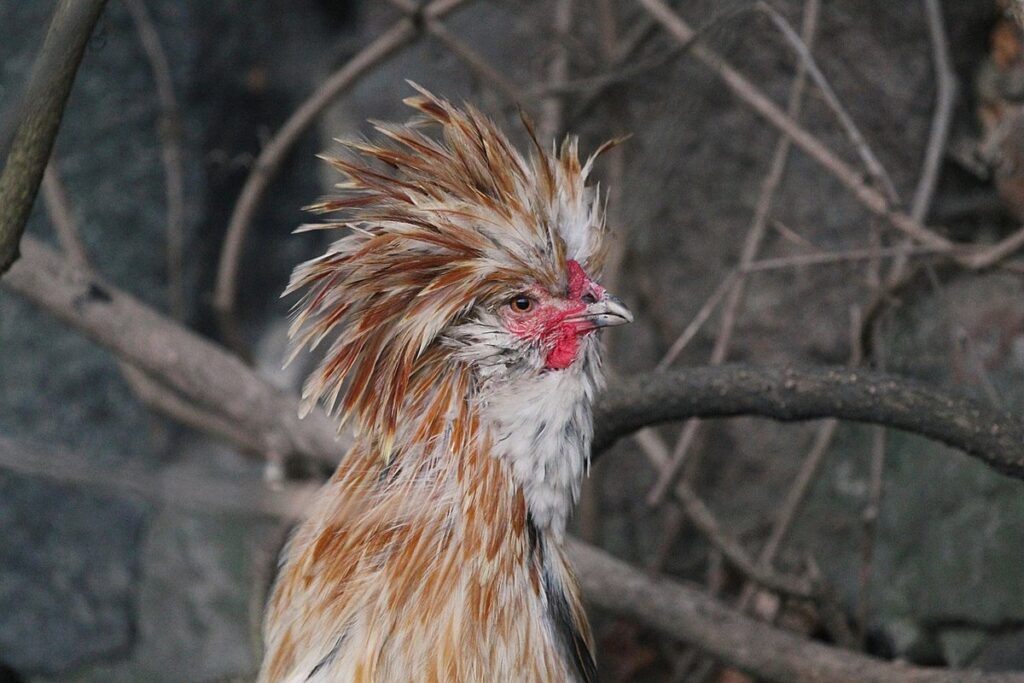
The Polish Crested chicken is a visually stunning breed, recognized by its unique crest of feathers on top of the head. This characteristic can range from a small tuft to a full-fledged crown-like structure, adding to the bird’s majestic appearance. Beyond its physical features, understanding the temperament and personality traits of this breed is crucial for providing optimal care.
Polish Crested chickens are known for their friendly and docile nature. They make excellent pets, especially for families with children, as they are gentle and easy-going. However, they can be prone to shyness if not socialized properly from an early age. To overcome this, it’s essential to introduce your Polish Crested chicken to various environments, people, and other animals regularly.
Some key personality traits to note include their high energy levels, which require regular exercise and mental stimulation to prevent boredom and stress. They are also prolific egg layers, producing around 200 eggs per year, making them a popular choice for backyard chicken keepers.
Housing and Environment
When it comes to Polish Crested chicken care, creating a comfortable living space is just as important as providing good nutrition. Let’s explore how to set up their perfect home environment.
Providing a Suitable Enclosure for Your Birds
When it comes to providing a suitable enclosure for your Polish Crested chickens, there are several essential requirements to consider. First and foremost, you’ll want to ensure that the space is large enough to accommodate your birds comfortably. A good rule of thumb is to provide at least 2-3 square feet of floor space per bird inside the coop, and a minimum of 8-10 square feet of outdoor run space per bird.
Proper ventilation is also crucial in preventing respiratory issues in Polish Crested chickens. You’ll want to ensure that your enclosure has adequate windows for airflow, as well as a functional door or opening that allows for easy cleaning and inspection. Consider installing a window or two on the north side of the coop to reduce direct sunlight and heat buildup.
Protection from predators is also essential, especially when it comes to birds with unique characteristics like the Polish Crested’s crest. Consider using hardware cloth or chicken wire with openings of no more than 1 inch in diameter to prevent predators from getting a grip on your birds. By prioritizing space, ventilation, and predator protection, you’ll be well on your way to creating a safe and healthy environment for your Polish Crested chickens.
Creating a Safe and Comfortable Environment
When it comes to creating a safe and comfortable environment for your Polish Crested chickens, their specific needs must be taken into account. One of the most important things you can do is provide them with adequate shelter from the elements. A well-ventilated coop or hen house will protect them from extreme temperatures, rain, and wind.
In terms of nesting boxes, it’s essential to ensure there are enough for each bird to prevent overcrowding and stress. Aim for at least one box per three birds. Make sure they’re clean and easy to access so your hens can retreat to their private sanctuary whenever needed.
Adequate water sources are also crucial. Consider installing a self-filling waterer or investing in a large, heavy-duty birdbath to prevent the water from freezing during winter months. Similarly, ensure that there’s an adequate food source available at all times, with feeders placed strategically around the run to prevent competition and stress.
Remember to place their feeders and waterers far enough away from their nesting boxes to avoid contamination and keep the areas clean.
Nutrition and Diet
A well-balanced diet is crucial for a Polish Crested chicken’s overall health, so let’s dive into their nutritional needs. Providing the right food will make all the difference in keeping your feathered friend happy and healthy.
Balanced Diets for Polish Crested Chickens
When it comes to feeding your Polish Crested chickens, providing a balanced diet is essential for their overall health and well-being. These unique birds have specific nutritional needs at different stages of life, which we’ll explore below.
As chicks, Polish Crested chickens require a starter feed that’s high in protein (around 18-20%) and calcium to support healthy growth. You can supplement their starter feed with crushed oyster shells or dark leafy greens like kale or spinach to ensure they get enough calcium. As they grow into pullets (young hens), their nutritional needs shift, and you should transition them to a layer feed that’s around 16-18% protein.
Adult Polish Crested chickens require a diet rich in fiber, vitamins, and minerals. Provide a mix of grains like oats, barley, and wheat, along with fruits and vegetables like apples, carrots, and leafy greens. Limit their intake of treats like bread or junk food, as they can lead to obesity and other health issues.
It’s also essential to ensure your Polish Crested chickens always have access to fresh water and a balanced layer feed that meets their nutritional needs.
Supplements and Treats: What to Feed Your Birds
When it comes to Polish Crested chicken care, providing a balanced diet is crucial for their overall health and well-being. However, sometimes adding supplements and treats can be beneficial in promoting a healthy lifestyle.
You should always consult with a veterinarian before introducing new foods or supplements into your birds’ diets. Once you have gotten the go ahead, there are several options available to you.
Some common supplements that are great for Polish Crested chickens include omega-3 fatty acids found in fish oil or flaxseed oil, which can help promote healthy feathers and strong bones. Probiotics are also a wonderful option as they support digestive health by maintaining the balance of gut bacteria.
Treats play an important role in providing mental stimulation and social interaction for your birds. Offering fresh vegetables daily is recommended, such as leafy greens like kale or spinach, carrots, and sweet potatoes. Avoid giving them avocado, raw kidney beans, onions, or chocolate as these can be toxic to them.
Health Considerations
When it comes to caring for Polish Crested chickens, understanding their specific health needs is crucial. In this section, we’ll delve into common health concerns and tips to keep your birds happy and thriving.
Common Health Issues in Polish Crested Chickens
As a Polish Crested chicken owner, it’s essential to be aware of the common health issues that can affect your feathered friend. These beautiful birds are prone to certain health problems due to their unique physical characteristics.
Respiratory problems are a significant concern for Polish Crested chickens. Their crest can often become entangled or caught in their wings, leading to respiratory distress and potentially life-threatening complications. To prevent this, ensure you provide enough space for your bird to move around freely, and gently untangle any knots in their crest on a regular basis.
Eye infections are another common issue that can affect Polish Crested chickens. Their facial skin is thin and delicate, making them susceptible to eye irritations. Regularly inspect your bird’s eyes for signs of redness or discharge, and provide plenty of fresh water to keep the area clean. You should also consider using a humidifier in their coop to maintain a healthy moisture level.
By being proactive and aware of these potential health issues, you can help keep your Polish Crested chicken happy and healthy. Regular veterinary check-ups will also go a long way in identifying any underlying problems early on.
Preventing Health Problems Through Good Management
As you care for your Polish Crested chickens, it’s essential to focus on preventing health problems through good management practices. A clean and well-maintained enclosure is crucial in keeping your birds healthy. Regular cleaning and disinfection of the coop and run should be a top priority. Remove soiled bedding, droppings, and any uneaten food daily to prevent bacterial growth. Disinfect all surfaces with a pet-safe solution, paying attention to areas around feeders, waterers, and roosts.
In addition to regular cleaning, ensure proper ventilation in your coop to prevent respiratory issues. Polish Crested chickens are prone to respiratory problems due to their crest, which can trap bacteria and moisture. Consider installing windows or vents to improve airflow. Also, maintain a comfortable temperature range for your birds by ensuring adequate insulation and providing shade during hot summer months.
By implementing these good management practices, you’ll significantly reduce the risk of health issues in your flock. Regular monitoring of your birds’ health, combined with proper enclosure maintenance, will help keep your Polish Crested chickens happy and healthy.
Breeding and Raising
When it comes to Polish Crested Chickens, breeding and raising them requires a unique approach to their specific needs, including temperature control and proper nutrition. We’ll walk you through the process in detail.
Understanding the Reproductive Cycle in Polish Crested Chickens
When it comes to breeding and raising Polish Crested chickens, understanding their reproductive cycle is crucial for success. These birds are prolific layers, producing around 200-220 eggs per year, but breeding them requires a deep knowledge of their biology.
The reproductive cycle of Polish Crested chickens follows a typical avian pattern. Hens typically begin laying eggs at around 18-20 weeks of age and will continue to do so for about 10 years. The egg-laying process is influenced by light exposure, with hens producing more eggs during the longer days of spring and summer. To optimize egg production, breeders should provide a photoperiod of 14 hours of light per day.
To breed Polish Crested chickens successfully, it’s essential to select healthy birds with desirable traits. Breeders should prioritize selecting birds with good fertility, egg size, and temperament. With proper care and management, breeding Polish Crested chickens can be a rewarding experience for backyard flock owners.
Raising Chicks: Tips for Success
When it comes to raising Polish Crested chicks, providing a suitable environment and managing their growth and development are crucial for their health and well-being. First, ensure that the brooder is large enough to accommodate all the chicks comfortably, with adequate ventilation and temperature control. A heat source, such as a heat lamp or ceramic heat emitters, should be placed on one side of the brooder to allow the chicks to move freely between warm and cool areas.
Maintain a clean and safe environment by changing the bedding material daily, removing any dead or dying chicks, and disinfecting food and water dishes regularly. Offer a high-quality starter feed that’s specifically formulated for young chickens, as well as fresh water at all times.
As your chicks grow, monitor their development closely, noting any signs of illness or stress. Ensure they have enough space to move around and exercise by gradually increasing the size of their enclosure over time. With proper care and attention, your Polish Crested chicks will thrive and grow into healthy, beautiful adults that bring joy to your backyard flock.
Troubleshooting Common Problems
As you navigate the world of Polish Crested chicken care, you may encounter some common issues that can be frustrating and worrisome for your feathered friends. This section will walk you through solutions to these problems.
Addressing Aggression and Frustration in Your Birds
As you spend more time with your Polish Crested chicken, you may encounter issues of aggression and frustration. These behaviors can stem from a variety of sources, including fear, over-handling, or inadequate space.
Some common signs of aggression in chickens include pecking, feather plucking, and even attacking other birds. Frustration, on the other hand, can manifest as pacing, screaming, or excessive egg laying. To address these issues, it’s essential to identify the underlying cause.
One possible reason for aggression is over-handling. Polish Crested chickens are sensitive birds that value their personal space. Handling them excessively can lead to stress and irritation. To mitigate this, establish a gentle handling routine where you let your bird initiate contact. Provide plenty of time for your chicken to rest and relax without interference.
Another factor contributing to aggression and frustration is inadequate space. Ensure that your coop has sufficient room for your birds to move around comfortably. A general rule of thumb is to provide at least two square feet per bird in the coop and three to four square feet in the run.
Additionally, consider enriching your bird’s environment with toys, scratching posts, and other interactive elements to keep them stimulated and engaged. By providing a calm, well-structured space, you can help reduce aggression and frustration in your Polish Crested chicken.
Solving Health Issues Quickly and Effectively
Recognizing symptoms early on is crucial to effectively solving health issues in your Polish Crested chickens. Keep an eye out for changes in appetite, droopiness, labored breathing, and changes in stool quality. If you notice any of these signs, take immediate action by isolating the affected bird to prevent the spread of illness.
Regularly inspecting your birds’ living conditions can also help identify potential health risks. Make sure they have access to clean water, a balanced diet, and a safe environment free from drafts and predators. For example, ensure their coop is well-ventilated to prevent ammonia buildup from droppings.
If you’re unsure about the severity of the symptoms or how to treat them, don’t hesitate to seek professional help. Consult with a veterinarian experienced in poultry care who can provide personalized advice based on your bird’s specific needs. Remember, prompt attention and expert guidance are often key to resolving health issues quickly and effectively. With vigilance and quick action, you can minimize the risk of long-term damage or even loss of your beloved Polish Crested chickens.
Conclusion and Next Steps
Now that you’ve learned everything there is to know about Polish Crested chicken care, it’s time to put your new knowledge into practice. Here are next steps to ensure a happy and healthy feathered friend.
Recap of Essential Care Requirements
As you’ve made it through this comprehensive guide on Polish Crested chicken care, it’s essential to recap the vital care requirements for these unique and charming birds. To ensure your Polish Crested chickens thrive, remember the following key points.
Firstly, provide a spacious coop with adequate ventilation. These birds need room to move around comfortably, so aim for at least 4-6 square feet of space per chicken inside the coop. Additionally, ensure proper ventilation by installing windows and ensuring good airflow. This is crucial as Polish Crested chickens are prone to respiratory issues.
Next, consider their specific dietary needs. Feed a high-quality commercial layer feed or a balanced homemade diet that includes fresh fruits and vegetables daily. Avoid giving them too many treats, especially those high in sugar and fat, as this can lead to health problems.
Another critical aspect of Polish Crested chicken care is social interaction. These birds are extremely social and require plenty of attention from you. Spend time with your chickens daily, engaging in activities such as picking up their feet, preening their feathers, and simply spending quality time with them.
Regular health checks are also crucial to prevent potential health issues. Keep an eye out for signs of respiratory problems, such as labored breathing or wheezing, and consult a veterinarian if you notice any unusual behavior. Lastly, ensure your chickens have access to fresh water at all times and change it frequently to maintain cleanliness.
By following these essential care requirements, you’ll be well on your way to raising happy and healthy Polish Crested chickens. Remember to stay vigilant, adapt to their unique needs, and provide the attention they crave for a long and fulfilling life with your feathered friends.
Frequently Asked Questions
Can I breed Polish Crested chickens if I’m a beginner?
No, it’s not recommended for beginners to breed Polish Crested chickens without proper experience and knowledge of chicken breeding. Breeding requires careful consideration of genetics, nutrition, and health factors to ensure healthy offspring.
How often should I check on my birds’ health in the enclosure?
Regular checks are essential to prevent and detect potential health issues early on. Inspect your birds daily for any signs of illness or injury, and make sure their living environment is clean, well-ventilated, and protected from extreme temperatures.
Are there specific temperature ranges that affect Polish Crested chickens?
Yes, Polish Crested chickens prefer a moderate climate with temperatures between 40°F (4°C) and 90°F (32°C). Avoid exposing them to extreme temperatures or drafts, as this can lead to respiratory problems and discomfort.
Can I raise chicks from different hatch dates together in the same enclosure?
It’s generally recommended to separate chicks by age and sex to prevent bullying and promote healthy growth. Mixing chicks from different hatch dates may lead to health issues and stress on the birds.
How do I recognize potential signs of mites or lice infestation in my Polish Crested flock?
Monitor your birds regularly for signs of parasites, such as excessive scratching, loss of feathers, or visible pests on their bodies. If you suspect an infestation, consult with a veterinarian to develop an effective treatment plan.
What are some common mistakes new owners make when caring for Polish Crested chickens?
New owners often underestimate the importance of proper ventilation and insulation in the enclosure, leading to health issues due to extreme temperatures or drafts. It’s essential to provide adequate space, nutrition, and attention to detail to ensure a healthy environment for your birds.