
If you’re thinking of bringing home some new feathered friends, the Polish Crested chicken might be just what you need. These unique birds are known for their striking crests and gentle nature, but how do they fare when it comes to egg production? That’s exactly what we’ll explore in this article: everything you need to know about Polish Crested chickens and their eggs.
From their average daily output to the potential health concerns that come with raising these lovable birds, we’ll cover it all. Whether you’re a seasoned chicken owner or just starting out, understanding how to care for your flock is crucial. We’ll also dive into tips on raising Polish Crested chickens at home or showing them off in competitions. If you’re looking for expert advice on this fascinating breed, you’ve come to the right place.
Overview and Characteristics
Let’s dive into the essential details of Polish Crested Chickens’ eggs, including their size, color, shell quality, and overall characteristics that set them apart. This is where you’ll discover what makes these eggs truly unique.
Unique Features of Polish Crested Chickens
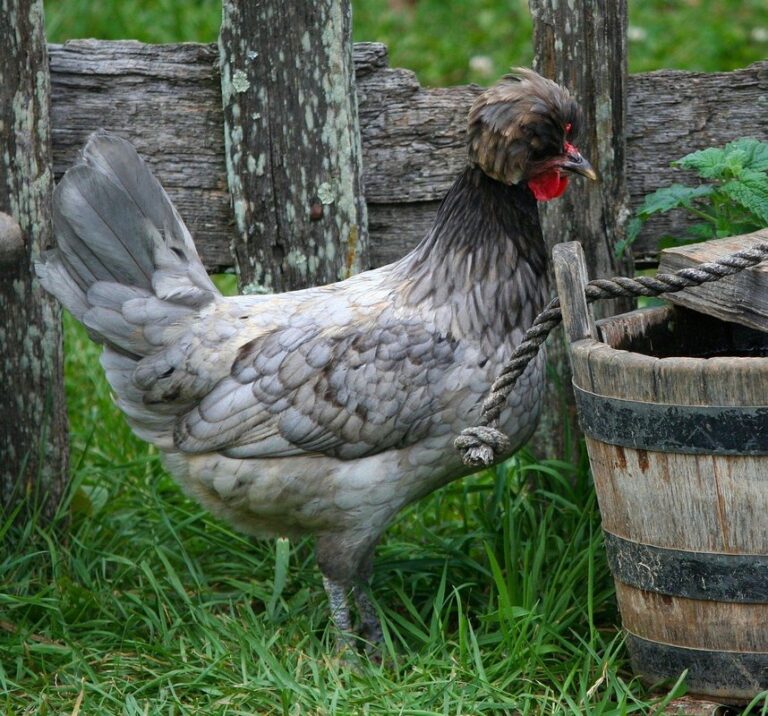
One of the most striking features of Polish Crested chickens is their unique physical appearance. The breed’s distinctive crest, which resembles a crown, requires special care to prevent matting and tangling. Regular trimming of the feathers on top of the head helps maintain its shape and prevents any discomfort for the bird. Their beak, too, has a characteristic curl, adding to the breed’s endearing look.
Another notable feature is their earlobe, which can be quite long in some individuals. This can make them appear even more charming and unique. However, this also means that they may require extra care when handling, as their earlobes are susceptible to damage if not handled gently.
Polish Crested chickens are known for being friendly, docile birds. They have a calm temperament, making them an excellent choice for families with children or for beginners who want to raise chickens for eggs and companionship. Their gentle nature also means that they can be kept in smaller spaces without feeling too confined. This is beneficial for backyard chicken keepers with limited space.
Breeding and Origins
The origins of the Polish Crested chicken breed can be traced back to Europe, where they were highly prized for their unique appearance and gentle nature. It’s believed that these birds were developed from a mix of Asiatic and European breeds, with a focus on creating a distinct type that boasted stunning crests and quiet temperament.
In the 17th and 18th centuries, Polish Cresteds were a favorite among European aristocracy, who valued them for their impressive feathers and ability to be handled easily. This selective breeding led to the development of specific characteristics that are still evident in modern-day Polish Crested chickens.
Today, it’s estimated that over 80% of the eggs produced by Polish Crested hens are white, which is due in part to the breed’s European origins and historical selection for desirable traits. The crested gene itself has been identified as a key factor in the breed’s egg-laying ability, with some studies suggesting that birds carrying this gene may produce more eggs overall.
As you consider keeping Polish Crested chickens, it’s essential to understand their unique needs and characteristics, including their history and origins. By doing so, you’ll be better equipped to provide the best possible care for your flock and maximize their egg-laying potential.
Temperament and Handling
When it comes to temperament and handling Polish Crested chickens, you’ll find that they’re one of the most gentle and laid-back breeds around. They’re known for their docile nature, which makes them a perfect fit for families with children or for experienced backyard chicken keepers who want to add some affectionate companions to their flock.
In fact, Polish Crested chickens get along surprisingly well with other birds, especially if they’re introduced at a young age. This means you can create a harmonious and stress-free coop environment by mixing them with other breeds that have similar temperaments. However, it’s essential to remember that every chicken is an individual, so be sure to monitor their behavior and adjust your handling accordingly.
When handling Polish Crested chickens, be gentle and move slowly around them. Avoid sudden movements or loud noises, as these can startle them. Instead, gently pick them up, supporting their body and wings, and let them settle into your arms before releasing them back into the coop. With patience and care, you’ll find that these beautiful birds become your loyal companions in no time!
Egg Production and Quality
When it comes to Polish Crested chickens, their egg-laying abilities are often overlooked. In this section, we’ll dive into the details of their egg production and what you can expect in terms of quality.
Average Egg Yields per Year
A Polish Crested hen‘s egg-laying abilities are an essential aspect to consider when deciding on this breed. On average, a healthy Polish Crested hen will lay around 200-220 eggs per year. However, it’s not uncommon for some hens to produce as many as 300 eggs annually.
Several factors can influence the number of eggs your Polish Crested hen lays. Nutrition plays a significant role in maintaining egg production; ensure your flock receives a balanced diet rich in calcium and protein to support their reproductive health. A lack of nutrients can lead to decreased egg production, so it’s crucial to supplement their diet if necessary.
In addition to nutrition, overall health is also vital for maintaining high egg-laying abilities. Regular vaccinations, parasite control, and good living conditions will all contribute to your hen’s overall well-being and egg production. Keep in mind that individual hens may have varying egg-laying capacities due to genetics, so it’s essential to monitor their performance closely.
By providing optimal care and nutrition for your Polish Crested flock, you can maximize their egg-laying potential and enjoy an abundance of delicious eggs from your backyard coop.
Egg Size and Shape
When it comes to egg size and shape, Polish Crested chickens are known for producing eggs that are quite unique compared to other breeds. On average, the eggs laid by Polish Crested hens tend to be on the smaller side, with a typical weight range of 1.5-2 ounces (42-57 grams). This is due in part to their compact body size and overall breed characteristics.
In terms of shape, Polish Crested chicken eggs are often described as being “tapered” or “oval” in shape, rather than the more rounded shape you might see with larger breeds. This can make them a bit easier to handle and store, especially for backyard flock owners who may not have a lot of space.
If you’re new to raising Polish Crested chickens, it’s worth noting that egg size and shape can vary depending on individual bird characteristics, nutrition, and overall health. However, as a general rule, you can expect your Polish Crested hens to produce smaller, more elongated eggs compared to other breeds.
Shell Quality and Color
When it comes to Polish Crested hens, their eggshells are as unique as they are attractive. The shells produced by these lovely ladies tend to be medium to large in size and have a smooth, thick texture that’s pleasing to the touch.
As for color, Polish Crested eggs can come in a range of hues, including creamy whites, pale browns, and light tans. However, it’s not uncommon for their eggs to display subtle shades of blue or green undertones, giving them an otherworldly appearance. Some hens may even produce eggs with distinctive patterns or speckles, adding to the overall charm of their lay.
To ensure optimal shell quality, make sure your Polish Crested hen is receiving a balanced diet rich in calcium and vitamins A and D3. This will help support strong bone growth and promote healthy shell production. Regular monitoring of your hen’s environment and health can also go a long way in preventing potential issues that might affect the integrity of her eggs.
Health Considerations for Polish Crested Chickens
When keeping Polish Crested chickens as pets, it’s essential to consider their specific health needs, including potential respiratory issues and skin care. Let’s dive into these crucial considerations together.
Common Health Issues Affecting the Breed
Polish Crested chickens are prone to certain health issues due to their unique physical characteristics. One of the most common problems is respiratory distress caused by their crest and facial structure. This can lead to difficulty breathing, especially during hot weather or when they’re under stress. As a Polish Crested chicken owner, it’s essential to provide your flock with adequate ventilation and shade.
Another issue that affects this breed is beak overgrowth, often linked to insufficient trimming. If left unchecked, the beak can become extremely long, causing discomfort and even impairing the chicken’s ability to eat properly. Regular beak trimming is crucial to prevent this condition. Additionally, Polish Crested chickens may experience eye problems due to their crest obstructing their vision. This can lead to injuries or infections if not addressed promptly.
It’s vital to monitor your flock for these issues and take preventative measures to ensure their overall health and well-being. Regular veterinary check-ups and a balanced diet can also help mitigate the risk of developing these conditions.
Tips for Preventing Health Problems
To keep your Polish Crested chickens healthy and thriving, it’s essential to be aware of common health issues that may affect them. One of the most significant concerns for this breed is their susceptibility to respiratory problems due to their crest, which can trap moisture and create a warm, humid environment that fosters bacterial growth.
To mitigate this risk, ensure good ventilation in your chicken coop by installing windows or vents to allow fresh air to circulate. Keep an eye on the temperature and humidity levels inside the coop, aiming for around 50-60°F (10-15°C) and 50-60% relative humidity.
A balanced diet also plays a crucial role in maintaining your Polish Crested chickens’ health. Provide them with high-quality layer feed that meets their nutritional needs, supplemented by fresh fruits and vegetables to ensure they receive essential vitamins and minerals.
Regular cleaning of the coop is also vital to prevent disease transmission. Remove soiled bedding, disinfect surfaces, and provide fresh bedding material regularly to keep your flock healthy. By following these simple steps, you can significantly reduce the risk of common health issues affecting your Polish Crested chickens.
Tips for Raising Polish Crested Chickens at Home
Raising Polish Crested chickens can be a fun and rewarding experience, but it does require some special care to keep them happy and healthy in your backyard. Here are our top tips for successful breeding.
Suitable Housing and Environments
When it comes to raising Polish Crested chickens at home, providing suitable housing and environments is crucial for their health and well-being. These birds require specific living conditions that meet their unique needs.
Firstly, consider the space requirements of Polish Crested chickens. They need enough room to move around comfortably, stretch their wings, and engage in natural behaviors like foraging and dust bathing. A good rule of thumb is to provide at least 2-3 square feet per bird inside the coop, with an additional 8-10 square feet of outdoor space per bird.
Ventilation is also a critical aspect to consider when housing Polish Crested chickens. These birds are prone to respiratory issues, so it’s essential to ensure that their coop has adequate airflow. You can achieve this by installing windows, vents, or using a ventilation system specifically designed for poultry coops.
To create a suitable environment for your Polish Crested chickens, prioritize natural light and fresh air. This will not only help maintain good health but also promote egg-laying. Regular cleaning of the coop is also essential to keep these birds healthy and happy.
Nutrition and Dietary Recommendations
When it comes to feeding your Polish Crested chickens, it’s essential to provide them with a balanced diet that meets their unique nutritional needs. These birds are known for their friendly and curious nature, but they can also be prone to certain health issues if not fed correctly.
Start by offering a high-quality commercial layer feed as the main staple of their diet. This should make up about 70-80% of their daily intake. You’ll also want to supplement with fresh fruits and vegetables, which should account for around 10-15% of their diet. Leafy greens like kale and spinach are excellent choices, while juicy fruits like apples and berries provide essential vitamins and minerals.
One special consideration when feeding Polish Crested chickens is their tendency to develop kidney stones if they don’t have access to enough calcium in their diet. To mitigate this risk, make sure to include crushed oyster shells or dark leafy greens rich in calcium, such as broccoli or collard greens, in their diet.
Remember to provide fresh water at all times and consider using a grit supplement to help with digestion. A well-balanced diet will not only keep your Polish Crested chickens healthy but also support the production of high-quality eggs for you to enjoy!
Showing and Breeding Polish Crested Chickens
If you’re considering showing or breeding Polish Crested chickens, understanding their unique characteristics and needs is essential for success. This section will cover the ins and outs of showcasing and raising these special birds.
Breed Standards and Judging Criteria
When showing your Polish Crested chickens, it’s essential to understand what judges look for and the breed standards that must be met. The Polish Crested chicken is a unique breed with several distinctive characteristics that set it apart from other poultry.
Judges evaluate Polish Crested chickens based on their crest, comb, and earlobe size, as well as their plumage quality and overall appearance. The breed standard calls for a well-defined crest that’s about 1 inch (2.5 cm) long, with feathers that curve slightly downwards towards the beak. The comb should be small and button-shaped, while the earlobe should be red or pink in color.
To increase your chances of winning in a show, focus on developing these key characteristics in your birds. Make sure to provide regular grooming to keep their crest clean and well-defined. You should also select breeding stock that meets the breed standard, as this will help ensure consistency in your flock’s appearance.
In terms of egg-laying performance, Polish Crested chickens are known for producing medium-sized eggs with a light brown color. While they may not be as prolific layers as some other breeds, their eggs are often prized for their rich, creamy flavor and firm texture.
Best Practices for Breeding Pure Polish Cresteds
Maintaining purebred lines of Polish Crested chickens is crucial for preserving their unique characteristics and high egg-laying abilities. When it comes to breeding these beautiful birds, responsible practices are essential to ensure the health and integrity of the breed.
To achieve this, start by selecting parents that exhibit exceptional traits such as vibrant crest color, well-defined crests, and robust egg production. It’s also vital to maintain detailed records of your flock, including ancestry and genetic information. This will enable you to make informed decisions about breeding pairs and avoid inbreeding or line-breeding.
Inbreeding can lead to a loss of genetic diversity, resulting in weakened immune systems and reduced fertility. To minimize this risk, consider cross-breeding with other reputable breeders to introduce fresh genetics into your flock. Regularly evaluate your birds’ physical characteristics, egg production, and temperament to identify potential breeding candidates. By following these guidelines, you’ll be well on your way to maintaining healthy, purebred Polish Crested chickens that produce eggs rich in nutrients and flavor.
Frequently Asked Questions
How often should I collect eggs from my Polish Crested chicken’s nesting box?
Egg collection is a crucial part of responsible chicken ownership. For optimal egg health, aim to collect eggs at least once or twice daily, depending on your flock’s size and egg production. Be sure to handle the eggs carefully to prevent breakage.
Can I breed Polish Crested chickens with other breeds without worrying about genetic issues?
While crossbreeding can be a fun way to introduce new traits into your flock, it’s essential to consider potential genetic implications. When breeding Polish Cresteds with other breeds, research compatibility and consult with experienced breeders or poultry experts to minimize the risk of adverse genetic combinations.
How do I prevent matting and tangling of my Polish Crested chicken’s crest?
Preventing matting and tangling is crucial for maintaining your Polish Crested chicken’s crown-like appearance. Regularly trim their feathers, ideally every 4-6 weeks, using sharp clippers specifically designed for this task. Be cautious not to cut the underlying skin.
Are there any health concerns specific to Polish Crested chickens that I should be aware of?
Yes. Due to their unique crest and facial structure, Polish Cresteds are prone to respiratory problems and eye issues. Monitor your birds’ behavior and watch for signs of discomfort or distress. Regular veterinary check-ups can help identify potential health issues early on.
Can I raise Polish Crested chickens in a small backyard or do they require extensive space?
While Polish Cresteds don’t need extensive space, they do benefit from a safe, secure enclosure that provides ample room to roam and forage. A well-fenced area with adequate shelter will satisfy their needs, making them an excellent choice for small-scale chicken keepers.