
Are you looking for a charming and low-maintenance pet to join your flock? Look no further than the Polish Crested Hen! These adorable birds are sure to captivate you with their unique appearance, friendly temperament, and gentle nature. With their beautiful crest and soft feathers, it’s hard not to fall in love with these delightful hens.
But what makes them such a great choice for poultry enthusiasts like yourself? In this article, we’ll dive into the wonderful world of Polish Crested Hens, exploring everything from their care and maintenance to their friendly personalities. Whether you’re a seasoned breeder or just starting out, you’ll learn all about these amazing birds and why they make perfect pets for anyone looking to add some charm and character to their backyard flock.
Origin and History
The Polish Crested Hen has a rich history that dates back centuries, originating from Poland where they were highly prized for their unique appearance. Let’s explore how they evolved over time.
Early Beginnings: A Brief Overview
The Polish Crested hen’s rich history dates back to 17th-century Poland, where it was bred for its unique physical characteristics and exceptional egg-laying abilities. The breed’s ancestors were likely developed from a combination of French Houdans and Polish fowl, which were introduced to Poland by Napoleon Bonaparte’s soldiers.
As the story goes, Polish Crested hens quickly gained popularity among local farmers due to their impressive crests, gentle nature, and high fertility rates. To this day, it’s not uncommon for Polish Crested hens to lay up to 300 eggs per year – a remarkable feat considering their relatively small size.
Early breeders in Poland selectively bred these birds to emphasize the desirable traits that we now associate with the Polish Crested breed: its elegant crests, delicate beaks, and striking feather patterns. Through careful selection and breeding, they created a distinct and beautiful bird that would eventually spread across Europe and beyond.
By understanding the early beginnings of this beloved breed, you can appreciate the hard work and dedication that went into shaping it over the centuries.
Breed Development: Key Milestones and Influences
The breed development of the Polish Crested Hen has been shaped by significant events and factors over time. One key milestone was its introduction to Europe from Poland in the 19th century, where it quickly gained popularity due to its unique appearance and friendly temperament.
Influenced by its heritage as a working farm bird, the Polish Crested Hen was initially bred for egg-laying and meat production. However, as demand for ornamental birds grew, breeders began selecting for more extreme crests, which led to the development of distinct strains such as the Polish Crested Bearded and Non-Bearded varieties.
The breed’s popularity continued to rise in the early 20th century with its inclusion in poultry shows and exhibitions. The American Poultry Association recognized the Polish Crested Hen as a standard breed in 1874, which helped establish its place in the global poultry community.
Today, responsible breeding practices aim to preserve the breed’s original characteristics while addressing concerns around health and welfare.
Impact on Modern Poultry Keeping
The Polish Crested Hen has left an indelible mark on modern poultry-keeping practices. Its unique characteristics have made it a sought-after breed for many farmers and backyard enthusiasts alike. The distinctive crest, which is actually a fleshy growth on top of the hen’s head, not only adds to its visual appeal but also makes it easier to identify.
The Polish Crested Hen’s influence can be seen in the way modern poultry-keeping focuses on diversity within breeds. Farmers are now more likely to prioritize maintaining genetic diversity, which is essential for ensuring the overall health and resilience of their flocks. The Polish Crested Hen’s unique characteristics have contributed significantly to this shift in focus.
In addition, the breed’s friendly and docile nature has made it an ideal choice for backyard flock owners. Its calm demeanor has also led to increased interest in dual-purpose breeds that can provide both eggs and meat. This has resulted in a more varied and sustainable approach to poultry-keeping, with many farmers now opting for multi-functional breeds like the Polish Crested Hen.
Physical Characteristics and Appearance
The Polish Crested Hen is a stunning sight to behold, with its unique physical characteristics setting it apart from other breeds. Let’s take a closer look at what makes this bird so visually striking.
Crests and Combs: What Makes Them Unique
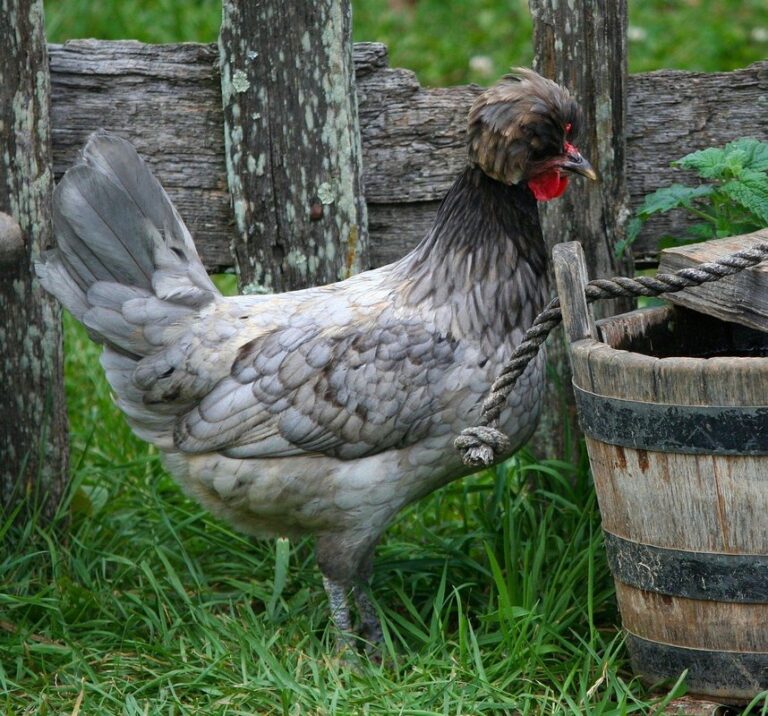
The Polish Crested hen’s physical characteristics are truly one of its most defining features. One of the most notable aspects of this breed is its crest – a stunning tuft of feathers that crowns the top of its head. But what makes this crest so unique? For starters, it’s not just a simple cluster of feathers; rather, it’s a carefully arranged fan-shaped structure that requires precise breeding to achieve. This distinctive feature is a result of selective breeding, which has honed in on the genetic traits that create this striking characteristic.
In addition to its impressive crest, the Polish Crested also boasts a small, v-shaped comb located just above its beak. While some breeds have large, showy combs, this subtle feature adds to the breed’s understated yet elegant charm. The small size of its comb means it doesn’t get in the way of the hen’s vision or eating habits, making everyday life much more manageable for these birds.
When choosing a Polish Crested, you’ll likely notice that they come in a variety of colors and patterns – from solid whites to mottled browns. Each bird is unique, with its own distinctive markings and feathering.
Coat Patterns and Colors: Variety within the Breed
When it comes to the Polish Crested hen’s coat patterns and colors, you’ll find an impressive variety that makes each bird uniquely stunning. The breed is known for its crested head, which adds a touch of elegance to their already impressive plumage.
One of the most striking aspects of the Polish Crested hen’s appearance is its wide range of color options. You can find them in various shades such as white, black, blue, buff, and even splash-patterned feathers. The latter boasts a mottled combination of white and dark-colored spots that creates an eye-catching effect.
In addition to these traditional colors, the breed also features some unique variations like Mille Fleur (a mix of brown and gold feathers) and Jubilee Gem (characterized by vibrant golden-brown hues). These extraordinary color combinations make every Polish Crested hen a one-of-a-kind gem in your backyard or farm.
Size and Build: What to Expect from a Mature Hen
As you wait for your Polish Crested Hen to mature, it’s essential to know what to expect from its size and build. Males typically weigh between 3.5 to 4.5 kg (7.7-9.9 lbs) and stand about 18-20 inches tall at the shoulder. Females are slightly smaller, weighing around 2.5-3.5 kg (5.5-7.7 lbs), with a height of approximately 16-18 inches.
The build of Polish Crested Hens is compact and sturdy, making them well-suited for small backyard flocks or even apartment living. Their broad chests and well-sprung ribs give them a robust appearance, while their short, powerful legs enable them to move efficiently around the coop or yard.
When inspecting your mature hen’s build, look for signs of good health, such as bright, shiny eyes and a clean, well-maintained plumage. Be sure to check for any signs of feather pecking or other stress-related behaviors that may impact their overall health and appearance. Regular exercise and a balanced diet will help ensure your Polish Crested Hen reaches its full potential in terms of size and build.
Temperament and Personality
When it comes to the Polish Crested hen, their temperament and personality are as unique as they are endearing. You’ll discover what makes these charming birds tick in this section.
Known for their Friendly Nature
The Polish Crested hen is renowned for its exceptionally friendly nature. Owners often describe these gentle birds as docile and affectionate around humans. They are known to form strong bonds with their keepers, frequently seeking attention and interaction.
One of the most notable characteristics of the Polish Crested’s temperament is its ability to become incredibly tame. With regular handling and socialization from a young age, these hens can be quite trusting and accepting of human presence. Many owners have reported that their Polish Cresteds will follow them around the yard or even into the house.
In addition to their friendly demeanor, Polish Crested hens are also relatively quiet birds, which makes them an excellent choice for backyard flocks where noise is a concern. Their calm and gentle nature means they can thrive in smaller spaces and are well-suited for urban settings.
If you’re considering bringing a Polish Crested hen into your life, be prepared to devote time to socializing and handling this breed from an early age. With patience and consistency, the rewards will be well worth it – a lifelong companion that will bring joy and affection to your daily routine.
Social Behavior: How They Interact with Other Chickens
Polish Crested Hens are known for their gentle and docile nature, which makes them an excellent addition to a flock. When it comes to social behavior, these chickens thrive on interaction with their human caregivers as well as other birds.
In a group setting, Polish Crested Hens tend to be calm and laid-back, rarely exhibiting aggressive behavior towards others. However, they can be sensitive and may require some time to warm up to new flock members or environments. To facilitate a smooth introduction, it’s essential to introduce them gradually, allowing them to become familiar with each other’s presence and scent.
One key aspect of Polish Crested Hens’ social dynamics is their tendency to form close bonds with specific birds within the flock. They are known to follow these “best friends” around, demonstrating a strong instinct for companionship and loyalty.
When integrating new chickens into your existing flock, be sure to monitor their interactions closely, particularly if you have any high-strung or dominant birds present. By doing so, you can minimize potential conflicts and ensure a harmonious environment for all members of the flock.
Training and Handling: Tips for Building Trust
When it comes to training and handling Polish Crested hens, building trust is crucial for a positive experience. These birds are known for their sensitive nature, so it’s essential to approach them with care and patience.
Start by getting to know your hen’s individual personality. Observe her behavior, body language, and reactions to different situations. This will help you tailor your handling style to suit her needs. For example, some Polish Crested hens may be more skittish or fearful, while others may be more confident and outgoing.
When it’s time for handling, move slowly and calmly around your hen. Avoid sudden movements or loud noises that might startle her. Instead, offer treats and rewards to encourage her to come closer. Use a gentle touch and avoid grasping or holding her too tightly, as this can cause stress and discomfort.
Some special considerations when handling Polish Crested hens include their sensitive skin and crest. Be gentle when lifting or carrying them, and avoid touching or manipulating their crest excessively, as this can be painful for the bird. With patience, consistency, and positive reinforcement, you’ll build trust with your Polish Crested hen and enjoy a strong bond over time.
Health Considerations
When considering a Polish Crested Hen as a pet, it’s essential to think about their unique health needs and potential predispositions to certain conditions. Some breeds require extra care.
Common Issues and Concerns
When it comes to owning Polish Crested hens, there are several common health issues and concerns you should be aware of. As with any poultry breed, Polish Crestes can be prone to certain health problems that may require special attention.
One issue specific to the Polish Crested breed is their crest, which can sometimes cause respiratory problems due to moisture accumulation. This can lead to conditions such as sinusitis or pneumonia. Regular cleaning and maintenance of the crest are essential to prevent this from happening.
Another common concern in poultry-keeping generally is parasites and diseases spread through contact with other birds or contaminated feed and water. Make sure to quarantine new additions, maintain clean living quarters, and monitor your birds regularly for signs of illness.
To minimize health risks, keep an eye out for any unusual behaviors or changes in appetite, droppings, or egg production. Consult a veterinarian experienced in poultry care if you notice anything suspicious, as early intervention can make all the difference in preventing the spread of disease. Regular check-ups and vaccinations will also help safeguard your flock’s overall health.
Nutrition and Diet: What They Need to Thrive
When it comes to providing the best possible care for your Polish Crested hen, nutrition and diet play a crucial role in their overall health and well-being. These birds have specific dietary needs that must be met in order for them to thrive.
Polish Crested hens require a balanced diet rich in protein, calcium, and vitamins A and D3. A good quality layer feed should form the basis of their diet, but you may also want to supplement with fresh fruits and vegetables to add variety and essential nutrients. Leafy greens such as kale and spinach are particularly beneficial, while treats like mealworms can provide a tasty source of protein.
However, it’s also essential to be aware of potential allergies or sensitivities that your Polish Crested hen may develop. Signs of an allergy can include loose droppings, lethargy, or excessive feather pecking. If you notice any of these symptoms, consult with a veterinarian who specializes in poultry care to rule out underlying health issues.
By providing a balanced diet and keeping an eye out for potential allergies, you’ll be well on your way to raising happy and healthy Polish Crested hens.
Preventative Care: Keeping Them Healthy
Maintaining a healthy flock is crucial to prevent diseases and ensure the overall well-being of your Polish Crested hens. Vaccinations are an essential part of preventative care, but it’s also important to consider parasite control.
When it comes to vaccinations, consult with a veterinarian to determine which vaccines are necessary for your flock based on their age, health, and region. Typically, young chicks receive initial vaccinations at one day old, followed by boosters every 2-4 weeks until they’re fully vaccinated. As adults, regular check-ups with a vet will help ensure they remain up-to-date on recommended vaccinations.
Parasite control is also vital to prevent diseases such as mites, lice, and internal parasites like worms. Keep your coop clean, disinfect regularly, and provide a dust bath area for your hens to help manage parasite populations. Regular deworming, typically every 6-8 weeks, can also be an effective way to maintain a healthy flock.
A balanced diet rich in nutrients is also essential to keep your hens healthy. Ensure they have access to fresh water at all times and consider supplementing with probiotics or other nutritional additives to promote gut health.
Breeding and Showing
If you’re interested in breeding or showing your Polish Crested Hen, understanding their unique characteristics is essential to producing high-quality offspring. This section will delve into the specifics of these considerations.
Where to Find Quality Breeders and Stock
When it comes to finding quality breeders and stock for your Polish Crested Hen, it’s essential to do your research. A reputable breeder will not only provide healthy birds but also offer valuable guidance on breeding and showing.
Start by asking for referrals from fellow breeders or owners in the Polish Crested community. Word of mouth is a powerful tool, and you’ll likely get recommendations that lead you to top-notch breeders. You can also check online forums, social media groups, and breeder directories like the American Bantam Association (ABA) or the Polish Crested Hen Club.
When evaluating potential breeders, look for red flags such as low prices, poor communication, and unwillingness to share health clearances or breeding records. Reputable breeders will prioritize the well-being of their birds and be transparent about their breeding practices. Some questions to ask include: What is your experience with Polish Crested Hens? Can you provide references from satisfied customers? Are your birds tested for common genetic disorders?
By doing your due diligence, you’ll increase the chances of finding quality stock that will thrive under your care.
Show Preparation: Tips for Success
When it comes to showing your Polish Crested hen, preparation is key. Grooming is an essential part of show preparation, and with these beautiful birds, it’s all about highlighting their unique features.
Start by washing and drying your hen thoroughly, paying special attention to the crests, which can be prone to matting and tangling. Use a gentle shampoo specifically designed for chickens, and avoid using human hair products or conditioners that can leave residue on the feathers. Dry your hen thoroughly with a towel, and then use a fine-tooth comb or detangling brush to gently work out any tangles.
When it comes to handling your Polish Crested hen, make sure she’s comfortable and confident in her surroundings. Practice regularly holding and manipulating her crests, wings, and tail feathers, so she becomes accustomed to the process. This will not only help you during the show but also make the experience more enjoyable for both of you.
Presentation is also crucial at a poultry show. Familiarize yourself with the breed standard, so you can accurately present your hen’s unique features. Pay attention to posture, symmetry, and overall appearance, and be prepared to confidently answer questions about your bird’s characteristics and traits.
Club Membership and Community Involvement
Joining poultry clubs or organizations is an excellent way to connect with other Polish Crested Hen enthusiasts. Not only will you gain valuable insights and knowledge from experienced breeders, but you’ll also have the opportunity to share your own experiences and learn from others.
Many breeders find that joining local or national clubs helps them stay up-to-date on the latest breeding trends, health issues, and show standards for Polish Crested Hens. By networking with fellow enthusiasts, you can tap into a wealth of knowledge and expertise that may not be readily available otherwise.
For example, some clubs offer mentorship programs where experienced breeders pair up with newcomers to provide guidance and support throughout the breeding process. Others may host seminars, workshops, or webinars on topics such as health testing, nutrition, or incubation techniques.
To get started, research local or national Polish Crested Hen clubs in your area. Look for organizations that align with your interests and goals, and consider reaching out to their members for advice or guidance. With a little effort, you’ll be well on your way to connecting with like-minded enthusiasts and taking your breeding program to the next level.
Conclusion
As we come to a close, let’s summarize the key takeaways from our journey of discovering the lovable Polish Crested Hen and what makes them such unique pets.
Recap of Key Points and Takeaways
In conclusion to our journey through the wonderful world of Polish Crested Hens, let’s recap the key points and takeaways for potential owners. These birds are known for their striking appearance, with a crest of feathers on top of their heads and a calm demeanor that makes them a great choice for backyard flocks.
Some key characteristics to consider include their friendly and social nature, making them a great addition to existing chicken collections or families with children. However, they do require regular grooming to prevent matting and tangling of their crest. This means setting aside time each week to gently brush out their feathers and check for any signs of overgrowth.
In terms of considerations for potential owners, it’s essential to note that Polish Crested Hens are a breed prone to health issues such as sinusitis and respiratory problems due to their unique physical characteristics. Regular veterinary check-ups and proper ventilation in your coop can help mitigate these risks. With the right care and attention, these charming birds will reward you with beautiful eggs, affectionate personalities, and endless entertainment.
Final Thoughts: Why Polish Crested Hens Make Great Pets
As you’ve learned more about Polish Crested Hens, it’s clear that they’re not just a unique breed, but also a wonderful addition to many families and poultry enthusiasts. Their gentle nature, beautiful crests, and adaptability make them an ideal choice for those looking to bring some feathered friends into their lives.
One of the standout qualities of Polish Crested Hens is their ability to form strong bonds with their owners. With proper handling and socialization, they can become quite tame and enjoy being around people. In fact, many owners report that their Polish Cresteds follow them around the yard or even onto the porch!
If you’re considering bringing a Polish Crested Hen into your family, remember to provide plenty of space for exercise and enrichment. A spacious coop with adequate ventilation is essential, as these birds love to roam and scratch. With the right care and attention, your new feathered friend will thrive and bring endless joy and entertainment to your life.
In summary, Polish Crested Hens make great pets due to their friendly nature, low maintenance requirements, and ability to adapt to a variety of living situations. Whether you’re an experienced poultry keeper or just starting out, these beautiful birds are sure to delight and become cherished companions.
Frequently Asked Questions
How do I determine the best environment for my Polish Crested Hens?
When introducing your new hens to their coop, consider factors like temperature control, ventilation, and adequate space for exercise. Provide a balanced diet, clean water, and regular health checks to ensure they thrive in their surroundings.
Can I mix Polish Crested Hens with other breeds in my flock?
While Polish Crested Hens are generally friendly, introducing them to existing flocks can be challenging due to their unique characteristics. It’s essential to acclimate them slowly and monitor interactions closely to avoid conflicts and stress on your birds.
How do I prevent common health issues in Polish Crested Hens?
Regular check-ups with a veterinarian, maintaining proper hygiene, providing a balanced diet rich in nutrients, and ensuring access to clean water are crucial for preventing common health concerns like respiratory problems or parasite infestations.
What’s the best way to breed and show my Polish Crested Hens?
To successfully breed Polish Crested Hens, focus on selecting birds with desirable characteristics, such as a well-formed crest and excellent egg-laying abilities. For showing, consult with experienced breeders, study breed standards, and practice handling your hens gently but firmly.
Can I keep Polish Crested Hens in small backyards or urban spaces?
Yes, Polish Crested Hens can thrive in smaller spaces due to their relatively calm nature and moderate size. Ensure you provide a secure coop, adequate space for exercise, and regular interaction with your birds to prevent boredom and stress-related issues.