
If you’re anything like me, you’ve probably fallen head over heels for those charming Polish Crested Hens. With their unique crest on top of their heads and beautiful plumage, it’s no wonder they’re a favorite among chicken enthusiasts. But did you know that these delightful birds have been around for centuries? Originating in Poland, the Polish Crested Hen has a rich history and has been prized by breeders and fanciers alike for its exceptional temperament and stunning appearance.
In this article, we’ll delve into the world of the Polish Crested Hen, covering its origins, breeding, and showing. We’ll also provide essential tips on health, housing, and care to ensure you can give these lovely birds the best possible life. Whether you’re a seasoned breeder or just starting out, our guide will help you navigate the world of Polish Cresteds and get the most out of raising them. So let’s get started on this fascinating journey together!
Origins and History of the Breed
Let’s take a step back in time and explore how the Polish Crested hen came to be, tracing its origins and fascinating history. This unique breed has a rich heritage that will surprise and delight you.
Early Development and Purpose
In Poland, where it all began, the Polish Crested Hen was first bred as an egg-layer, prized for its rich brown eggs. Initially, this breed’s primary purpose was to provide a reliable source of fresh eggs for local families and marketplaces. As early as the 17th century, Polish farmers selectively bred these birds, aiming to enhance their egg-laying capabilities.
One notable influence on the development of the Polish Crested Hen was the introduction of the French Campine breed, which arrived in Poland via trade routes with Europe. The combination of these breeds’ characteristics led to a robust and hardy bird, capable of thriving in Poland’s temperate climate. In the late 19th century, breeders began to focus on refining the Polish Crested Hen’s appearance, introducing distinctive crest feathers and other visual markers that have since become hallmarks of the breed.
Through careful selection and breeding, Polish farmers created a sturdy hen well-suited to the region’s rural landscapes. The result was a bird that excelled in both egg production and hardiness – an essential combination for farm life.
Influence of Polish Farmers on Breed Development
Polish farmers have been instrumental in developing the Polish Crested Hen breed over centuries. Their primary goal was to create a distinct and unique breed with desirable traits such as friendly temperament, high egg production, and striking appearance. To achieve this, they selectively bred birds with characteristics like crested heads, beards, and combs.
Through careful selection and breeding, Polish farmers were able to enhance the breed’s ability to thrive in harsh weather conditions and adapt to various environments. They also focused on improving the breed’s egg-laying capacity, which is now one of its most notable features. In fact, Polish Crested Hens are known to produce an impressive number of eggs per year, making them a popular choice among backyard chicken keepers.
Polish farmers’ dedication and expertise in breeding have resulted in a breed that is not only visually stunning but also hardy and productive. As a result, the Polish Crested Hen has become a beloved breed among poultry enthusiasts worldwide.
Characteristics and Traits of the Polish Crested Hen
When it comes to recognizing a true Polish Crested Hen, look for distinctive characteristics that set them apart from other breeds, such as their unique crest. Their traits and features are what make them so charming and sought after.
Physical Features and Markings
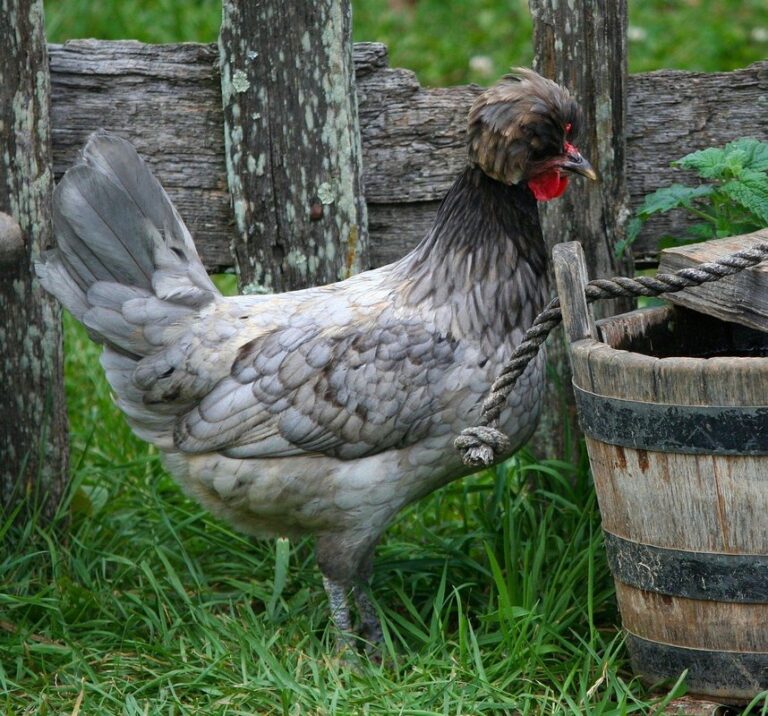
One of the most distinctive features of the Polish Crested Hen is its crest, which is a fleshy growth on top of the head that can be quite large. This unique feature requires regular care to prevent moisture buildup and skin problems. Regularly checking and maintaining the crest’s cleanliness will help prevent these issues.
In addition to the crest, Polish Crested Hens are also known for their short, stout beaks, which are well-suited for pecking at grain and other foods. Their earlobes are also a notable feature – they’re typically long and pendant-like, adding to the breed’s charm.
The plumage patterns of Polish Crested Hens can vary greatly depending on the individual bird, but common colors include white, black, blue, and gold. They may have one or multiple colors in their feathers, making each hen unique.
When keeping a Polish Crested Hen, be sure to provide regular grooming sessions to maintain its crest’s cleanliness and overall health. This includes gently lifting the crest and checking for any signs of irritation or moisture buildup. With proper care and attention, your Polish Crested Hen will thrive and remain a beloved member of your flock.
Temperament and Personality
One of the most endearing qualities of the Polish Crested Hen is their temperament and personality. These birds are renowned for their friendly nature, making them an excellent choice for backyard chicken keepers who want to build a strong bond with their flock. They are incredibly docile, which means they can easily be handled by children or individuals who have limited experience handling chickens.
Their gentle disposition allows them to thrive in various environments, from small backyards to large farms. Polish Crested Hens are adaptable and can adjust to different climates and living conditions, making them an excellent choice for farmers who want a low-maintenance yet rewarding breed. One key trait of the Polish Crested Hen is their ability to socialize well with other birds, which means they can be integrated into existing flocks without any issues.
In fact, many breeders and keepers recommend introducing young chicks to a flock as soon as possible to help them develop good social skills. This approach not only promotes harmonious relationships among the birds but also helps them become confident and well-adjusted adults. By understanding and appreciating the temperament and personality of the Polish Crested Hen, you can create a happy and healthy environment for both your birds and yourself.
Breeding and Raising Polish Crested Hens
When breeding and raising Polish Crested Hens, it’s essential to understand their unique needs and characteristics to ensure a healthy and thriving flock. This section will walk you through these critical considerations.
Selecting Breeding Stock and Planning a Flock
When it comes to breeding and raising Polish Crested Hens, selecting the right breeding stock is crucial for producing healthy, high-quality offspring. To begin with, you’ll want to consider genetics and bloodlines. Look for birds that have a good balance of temperament, egg-laying ability, and feather quality. Research the breeder’s focus on specific traits, such as crest type or comb size, and consider whether these characteristics align with your breeding goals.
In terms of health considerations, ensure that your breeding stock has been tested for common poultry diseases like Marek’s and Avian Influenza. You’ll also want to assess the overall health of the flock, including factors like beak condition, feather quality, and mobility.
When planning a flock, it’s essential to provide adequate space for your birds. A general rule of thumb is to allocate at least 3-4 square feet per bird inside the coop and 10-15 square feet per bird in an enclosed run. Don’t forget about equipment needs – you’ll require nesting boxes, roosting bars, and adequate ventilation to keep your flock happy and healthy. Consider factors like climate, predator protection, and ease of maintenance when designing your coop and run setup.
Health Considerations and Biosecurity Measures
As a breeder of Polish Crested Hens, it’s essential to prioritize their health and well-being. This breed is prone to certain health issues that can be prevented or managed with proper care and attention.
One common health issue affecting Polish Crested Hens is the respiratory tract infection, which can lead to complications such as sinusitis and bronchitis. Regular vaccination schedules should include a series of shots against these diseases from an early age. It’s also crucial to maintain a clean and well-ventilated coop to reduce the risk of disease transmission.
To prevent disease outbreaks, implement robust biosecurity measures in your flock management. This includes:
* Ensuring proper hand hygiene and footbaths when handling birds
* Disinfecting equipment and surfaces regularly
* Isolating new introductions for a period of 30 days before integrating them into the main flock
* Maintaining a clean and dry coop environment
By being proactive in health management, you can significantly reduce the risk of disease outbreaks and ensure the longevity of your Polish Crested Hens.
Housing and Environmental Requirements
When keeping Polish Crested hens, it’s essential to provide a suitable environment that meets their specific housing needs, including climate control and shelter from the elements. This involves considering unique requirements like dust-free living spaces.
Coop Design and Layout
When it comes to housing our beloved Polish Crested Hens, their coop design and layout are crucial for their health, happiness, and well-being. A well-planned coop should provide ample space, optimal ventilation, and sufficient lighting to meet the needs of these charming birds.
First and foremost, consider the space requirements for your flock. A good rule of thumb is to allocate at least 2-3 square feet per hen inside the coop. For Polish Crested Hens, this can translate to a spacious area where they can stretch their wings, move around comfortably, and engage in natural behaviors like dust bathing.
Proper ventilation is also vital to prevent ammonia buildup from droppings, which can be detrimental to your hens’ health. Ensure there are windows or vents that allow for airflow, but take care not to create drafts that may chill the birds. Adequate lighting is another essential factor – consider installing LED lights that provide a full spectrum of light, promoting healthy digestion and bone growth.
In addition to these fundamental considerations, think about incorporating features like perches, nesting boxes, and feeding areas into your coop design. This will make life easier for both you and your hens, as well as promote their overall comfort and happiness.
Outdoor Access and Foraging Opportunities
Providing outdoor access for your Polish Crested hens is essential for their physical and mental well-being. Not only will it give them space to roam and exercise, but it will also allow them to engage in natural behaviors like foraging and scratching.
Creating a safe foraging area is relatively simple. Start by clearing a section of your garden or yard of any hazardous materials, such as toxic plants or sharp objects. Next, add a layer of organic material like straw or wood shavings to create a soft surface. Then, incorporate a mix of vegetables, fruits, and grains that are safe for hens to eat.
To enrich their environment, try incorporating elements that stimulate their natural behaviors. For example, you can plant native flowers that attract beneficial insects or create a dust bath area with sand or soil. It’s also essential to rotate the foraging areas regularly to prevent over-grazing and keep your girls engaged. By doing so, you’ll provide them with a stimulating environment that promotes happiness and health.
Health Issues and Common Problems in Polish Crested Hens
When it comes to keeping your Polish Crested Hen healthy, it’s essential to be aware of common issues that may arise. We’ll explore some potential health concerns and how to address them in this section.
Recognizing Signs of Illness or Injury
As you care for your prized Polish Crested Hens, it’s essential to be vigilant about recognizing signs of illness or injury. These charming birds can be prone to certain health issues that may not always be apparent at first glance.
Respiratory problems are a common concern among Polish Cresteds. They often experience difficulties breathing due to their crest, which can become entangled in the feathers around the face. Watch for labored breathing, wheezing, or coughing fits, especially during hot weather or after physical exertion. If you notice any of these symptoms, consult a veterinarian promptly.
Feather pecking is another issue that affects Polish Cresteds. This behavior can be caused by boredom, stress, or nutritional deficiencies. Keep an eye on your hens’ behavior and provide a stimulating environment with plenty of toys and perches to keep them occupied. Regularly check for signs of feather damage or missing feathers.
Egg binding is a serious condition that requires immediate attention. Monitor your hens for symptoms such as straining, squatting, or lethargy after laying an egg. If you suspect egg binding, gently massage the hen’s abdomen and offer a warm bath to help stimulate bowel movement. Consult a veterinarian if these measures are unsuccessful.
Regular health checks and prompt action can help prevent or address these common issues in your Polish Crested Hens. Keep a close eye on their behavior and be prepared to intervene when necessary to ensure they remain happy and healthy.
Preventative Care and Treatment Options
To ensure your Polish Crested Hens live a long and healthy life, it’s essential to focus on preventative care measures. A balanced diet is crucial for maintaining their overall health. Provide high-quality layer pellets as the main staple, supplemented with fresh vegetables and fruits daily. Avoid overfeeding, as this can lead to obesity and related issues.
Regular exercise is also vital for these hens. Ensure they have adequate space to roam and engage in physical activity. A minimum of 4-6 square feet per hen inside the coop and 8-10 square feet in the run is recommended. This will not only keep them active but also reduce stress levels.
In terms of veterinary care, schedule regular check-ups with a qualified poultry veterinarian at least twice a year. This will help identify any potential health issues early on and prevent them from becoming major problems. Keep your hens’ living conditions clean, and make sure their water is always fresh to minimize the risk of disease.
In addition to preventative measures, being aware of common health issues in Polish Crested Hens can also help you take action early. Some key issues include respiratory problems, feather pecking, and cannibalism. By monitoring your hens’ behavior and maintaining a clean living environment, you can reduce the risk of these conditions arising.
Showing and Exhibiting Polish Crested Hens
When it comes time to show off your prized Polish Crested hens, there are specific rules and regulations you’ll need to follow. Understanding these guidelines is crucial for success in the poultry show circuit.
Preparation for Show Day
As show day approaches, it’s essential to put extra effort into preparing your Polish Crested Hens for the competition. Grooming is a crucial aspect of getting them ready, but it’s not just about making them look pretty. A well-groomed hen is also more comfortable and confident, which can make all the difference in the show ring.
Start by giving your hens a thorough bath a few days before the show to remove any dirt or debris that may have accumulated on their feathers. Use a mild shampoo specifically designed for poultry, and be sure to rinse them thoroughly to prevent any soap residue from affecting their appearance. Pay particular attention to the crested area, as it can be prone to oiliness.
In addition to grooming, handling is also critical. Get your hens accustomed to being handled gently but firmly, making sure they’re comfortable with being picked up and held securely. This will help them remain calm and still during the show, making a better impression on judges. Finally, make sure you have all necessary presentation materials, such as feed, water dishes, and nesting boxes, and that your hens are well-rested and hydrated before heading to the show.
Tips for Success in the Show Ring
When presenting your prized Polish Crested Hens in the show ring, it’s essential to understand what judges look for when evaluating this charming breed. One of the key characteristics that catch their eye is the bird’s crest and comb – they want to see a well-formed, balanced crown that complements the hen’s facial expression.
Movement is also crucial; Polish Crested Hens should exhibit a gentle, flowing stride with an effortless ease that showcases their agile nature. When your hen steps onto the pedestal, make sure she’s in top condition: a trim, shiny plumage and clean, well-groomed feet are essential for making a good impression.
Pay close attention to overall temperament as well – judges want to see hens that are calm, confident, and unafraid of strangers. Train your hen to be comfortable with being handled and examined by unfamiliar people; this will help her shine in the show ring.
Conclusion: The Delight of Keeping Polish Crested Hens
As you’ve learned about breeding and caring for these lovable birds, it’s time to reflect on the joy they bring to our lives. Enjoying your Polish Crested Hens is just as important as raising them.
Recap of Key Points
Breeding Polish Crested Hens requires attention to detail, as they are known for their unique crest and can be prone to respiratory issues. To minimize the risk of health problems, it’s essential to select parents with a good temperament and strong immune systems.
When raising young chicks, provide a nutritious starter feed and plenty of fresh water. Keep them warm, as Polish Crested Hens are sensitive to cold temperatures. Gradually introduce them to outdoor runs once they reach 8-10 weeks old.
For keeping Polish Crested Hens in your backyard flock, consider their social nature and housing requirements. They thrive on interaction, so ensure you spend quality time with them daily. Provide a spacious coop with adequate ventilation to prevent respiratory issues. A well-balanced diet rich in protein and calcium will also support their overall health and egg production.
To make the most of keeping Polish Crested Hens, be prepared for their curious nature and potential noise levels. With proper care and attention, these charming birds can become beloved members of your family and provide endless entertainment. By following these guidelines, you’ll be well on your way to enjoying the unique company of your very own Polish Crested Hens.
Final Thoughts and Recommendations
As you’ve fallen in love with these charming birds, it’s essential to acknowledge the joys and challenges that come with owning Polish Crested Hens. These charismatic creatures bring immense delight to many backyard farmers and breeders alike. Not only do they possess a unique and endearing appearance, but their friendly and docile nature makes them an ideal addition to any flock.
However, as we’ve explored throughout this guide, keeping Polish Crested Hens can be a rewarding yet demanding experience. New breeders and enthusiasts should be prepared to invest time and effort into learning about their specific needs, such as regular grooming and monitoring for potential health issues. Regularly schedule check-ups with a trusted veterinarian and stay informed about the latest research on this breed.
By embracing these challenges and taking proactive steps, you’ll not only ensure your Polish Crested Hens thrive but also create a lifelong bond with these incredible birds.
Frequently Asked Questions
What are the ideal living conditions for Polish Crested Hens, and how can I replicate these at home?
Polish Cresteds require a spacious coop with adequate ventilation to prevent respiratory issues. The recommended floor space per bird is 3-4 square feet. You’ll also want to ensure the coop is well-insulated, dry, and protected from predators. To mimic their natural environment, provide plenty of perches, nesting boxes, and scratching posts. Consider adding a fenced run for outdoor access and foraging opportunities.
How often should I collect eggs from my Polish Crested Hens, and what are some tips for handling them gently?
Collecting eggs daily is essential to prevent breakage and maintain cleanliness. When gathering eggs, move quietly and calmly around the coop to avoid stressing your birds. Handle eggs carefully by supporting their weight with both hands, cupping the egg gently in your palms.
Can I keep Polish Crested Hens as pets if I don’t plan to breed them, or are they too valuable for showing?
Polish Cresteds make wonderful pets due to their friendly and docile nature. They thrive on attention and interaction, making them an excellent choice for families with children. However, keep in mind that breeding stock will prioritize temperamental traits over other characteristics.
What common health issues should I watch out for in Polish Crested Hens, and how can I prevent them?
Polish Cresteds are generally hardy birds but may be prone to respiratory problems, skin conditions, and feather pecking. Monitor their behavior, diet, and living conditions closely. Provide a balanced diet rich in nutrients, ensure proper ventilation, and maintain cleanliness throughout the coop.
How do I introduce new Polish Crested Hens to my existing flock, and what are some tips for a smooth integration?
When introducing new birds, start by keeping them separate from your existing flock before gradually mixing them together under close supervision. Monitor body language and behavior closely, as even friendly breeds can experience stress during introductions. Consider starting with two or three new birds at a time to avoid overwhelming your flock.