
If you’re a chicken enthusiast or breeder looking to add some unique charm to your flock, you might want to consider the majestic Polish Crested Rooster. This stunning bird has a rich history and boasts one-of-a-kind characteristics that set it apart from other breeds. With their distinctive crest on top of their head and V-shaped comb, Polish Crested Roosters are truly a sight to behold.
But owning these magnificent birds comes with its own set of challenges. They require specialized care, including regular attention to their unique needs in terms of ventilation, temperature, and feeding. In this article, we’ll delve into the fascinating world of the Polish Crested Rooster, exploring their history, characteristics, and specific care requirements to help you decide if they’re right for you. Whether you’re a seasoned breeder or just starting out, this guide will provide valuable insights into these remarkable birds.
Section 1: Origins and History of the Breed
The Polish Crested Rooster’s rich history dates back centuries, originating from Poland where it was prized for its unique appearance. Let’s delve into its fascinating origins and evolution over time.
1.1 Early Development and Origins in Poland
The Polish Crested rooster has its roots deeply embedded in 17th-century Poland. It’s intriguing to note that this breed was highly prized for its unique crest and gentle nature, characteristics that still make it a sought-after ornamental bird today.
In those days, the Polish nobility would often keep these birds as pets due to their tranquil demeanor. They were also valued for their stunning appearance, with the distinctive crest on top of the rooster’s head adding an extra touch of elegance. The breed’s gentle nature made it an excellent choice for households with children, and its unique plumage made it a show-stopper in any farmyard.
Interestingly, the Polish Crested rooster was highly sought after by European aristocracy, who would often trade valuable commodities to get their hands on these birds. This high demand led to the breed’s spread across various parts of Europe, where it was bred and refined over time.
1.2 Evolution Over Time and Its Global Spread
The Polish Crested Rooster has undergone significant evolution over time, adapting to various environments and selective breeding for desirable traits. Originally from Europe, this breed was initially known as the “Fulmarn” but was later renamed due to its striking appearance. As poultry enthusiasts began to appreciate their unique characteristics, they were introduced to new regions.
Selective breeding played a crucial role in shaping the modern Polish Crested Rooster. Breeders sought to emphasize traits such as friendly demeanor and striking plumage patterns. This selective breeding led to distinct variations within the breed, resulting in several recognized color mutations like white, black, blue, and splash.
Today, the Polish Crested Rooster is a highly sought-after breed globally, with its popularity growing due to its low-maintenance care requirements and gentle nature. They have become a staple in backyard flocks worldwide, appreciated for their ability to thrive in various climates and living conditions. As you consider bringing a Polish Crested Rooster into your flock, understanding its adaptability and selective breeding history can help you appreciate its unique qualities and better prepare for proper care.
Section 2: Physical Characteristics of the Polish Crested Rooster
The Polish Crested Rooster’s striking appearance is one of its most notable features, and its unique physical characteristics are a major part of what makes it so recognizable. Let’s take a closer look at these distinctive traits.
2.1 Appearance – The Unique Crest and Plumage
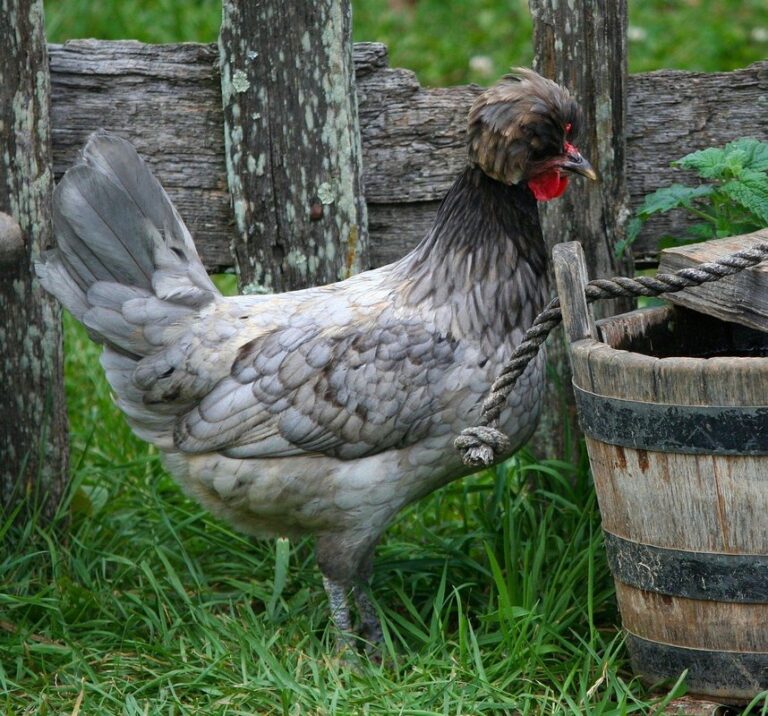
The Polish Crested Rooster’s distinctive appearance is one of its most striking features. The crest, which is a characteristic feature of this breed, is the first thing that catches the eye. It’s a majestic plume of feathers that rises from the crown of the rooster’s head, giving it an elegant and dignified look. The crest can be high or low-set, depending on the individual bird’s genetics, but its overall effect is to create a sense of drama and flair.
The plumage of the Polish Crested Rooster is another notable aspect of its appearance. Its feathers are soft and silky to the touch, with a lustrous sheen that catches the light. The breed comes in a range of colors, including white, black, blue, and buff, each with its own unique characteristics and charm. Whether you prefer a sleek and modern look or a more traditional, old-world appearance, there’s sure to be a Polish Crested Rooster to suit your taste.
When it comes to caring for your Polish Crested Rooster’s crest, it’s essential to keep the feathers clean and free of mites or other parasites. This can be done by gently brushing the crest with a soft-bristled brush and checking regularly for any signs of infestation. Regular grooming will also help prevent matting and tangling, keeping your rooster looking its best at all times.
2.2 Size and Weight Variations Among Polish Crested Roosters
When it comes to size and weight variations among Polish Crested Roosters, there’s no one-size-fits-all standard. While breed standards suggest a weight range of around 5-6 pounds (2.3-2.7 kg) for males, actual weights can vary significantly.
Some factors that contribute to these size and weight differences include genetics, nutrition, and overall health. A well-cared-for rooster may weigh more than one from a less fortunate background. For example, a rooster raised on a high-quality diet and with regular exercise might reach the upper end of the weight range, while one with limited resources may struggle to reach even half that.
This variation in size and weight can have implications for health and breeding potential. Roosters at either extreme may be more prone to health issues or have reduced fertility, so it’s essential for breeders to prioritize responsible breeding practices and provide optimal care for their birds. By understanding the normal range of sizes and weights within the breed, owners can better identify any issues early on and take steps to address them.
Section 3: Personality Traits of the Polish Crested Rooster
When it comes to their personalities, Polish Crested roosters are known for being quite charming and friendly, making them a great addition to any backyard flock. They’re also surprisingly intelligent and can be quite entertaining to watch.
3.1 Temperament – Gentle but Vigilant
When it comes to temperament, the Polish Crested Rooster stands out with its unique blend of gentleness and a strong protective instinct. On one hand, they are known for being calm and laid-back, making them an excellent choice for families with children or as companions in urban settings. Their gentle nature allows them to thrive in smaller spaces, provided they have adequate social interaction.
However, beneath this serene exterior lies a robust defensive mechanism, warning potential threats of their presence. This blend of docility and watchfulness makes the Polish Crested Rooster an excellent guardian of its flock or family. Owners often attest to their roosters sounding alarm calls to alert them of unusual activity outside their coop.
To harness this unique temperament, it’s essential to establish a strong bond with your Polish Crested Rooster. Regular interaction, providing mental and physical stimulation through activities like agility training or foraging games, will help unlock their full potential as loyal companions.
3.2 Intelligence and Trainability
The Polish Crested Rooster’s intelligence is one of its most notable characteristics. This breed excels at learning tricks and interacting with owners, making it an excellent choice for those who want a companionable bird. With patience and consistency, you can teach your Polish Crested Rooster to perform various tasks and even recognize basic commands.
One way to gauge the rooster’s trainability is by observing its reaction to new situations. If it adapts well to changes in environment or daily routine, it’s likely intelligent and trainable. To encourage learning, start with simple tricks like stepping over a rope or recognizing colors. Reward your rooster with treats and praise for successful attempts.
Some owners have reported success with clicker training their Polish Crested Roosters, which can be an effective way to teach complex behaviors. However, it’s essential to set clear boundaries and establish trust before introducing new training methods. Be sure to provide a stable environment and consistent communication to foster a strong bond between you and your Polish Crested Rooster.
Section 4: Health Considerations for Polish Crested Roosters
When it comes to owning a Polish Crested Rooster, health considerations should be at the top of your mind. Let’s discuss some essential tips for keeping your feathered friend in top shape.
4.1 Common Health Issues – Eye and Respiratory Problems
As a Polish Crested Rooster owner, it’s essential to be aware of common health concerns that can affect your bird. Two critical areas to monitor are eye and respiratory problems.
Eye issues are prevalent among Polish Crested Roosters due to their unique facial structure and skin folds. These skin folds create a warm, humid environment that’s conducive to bacterial growth, leading to conditions like conjunctivitis or eyelid dermatitis. Regular inspections of your rooster’s eyes will help you catch any signs of irritation early on. Look for redness, discharge, or squinting, and clean the area gently with a damp cloth.
Respiratory issues can arise from the same skin folds that contribute to eye problems. Moisture accumulation in these areas creates an ideal breeding ground for fungal infections like aspergillosis. Monitor your rooster’s breathing patterns closely, and consult a veterinarian if you notice labored or wheezing breaths. Maintaining a clean and well-ventilated coop is crucial to prevent respiratory complications.
By staying vigilant about eye and respiratory health, you can identify potential problems before they become serious and keep your Polish Crested Rooster happy and healthy.
4.2 Nutritional Needs and Feeding Recommendations
When it comes to feeding your Polish Crested Rooster, understanding its unique nutritional needs is crucial. These birds are prone to obesity due to their compact size and love for food. A well-balanced diet will help prevent health issues and ensure they thrive.
A good starting point is to provide a high-quality commercial pellets as the main staple of their diet. Look for a brand that specifically caters to the nutritional needs of small to medium-sized birds. You can supplement this with fresh fruits and vegetables, but be mindful of overfeeding. Dark leafy greens like kale and spinach are excellent additions.
Protein-rich foods such as mealworms or cooked eggs can also be given in moderation. Avoid giving them avocado, onions, or chocolate, as these are toxic to birds. Fresh water should always be available. It’s recommended to divide daily rations into 2-3 smaller meals to prevent gobbling and maintain a healthy weight. This will help you avoid common health issues associated with obesity in Polish Crested Roosters.
Section 5: Housing and Environment Requirements
When it comes to keeping your Polish Crested Rooster happy and healthy, providing a suitable environment is crucial, so let’s dive into their housing needs. A well-considered coop design will make all the difference in their welfare.
5.1 Space and Living Conditions – The Importance of Room to Move
When it comes to housing your Polish Crested Rooster, one of the most crucial factors is providing ample space for movement. These birds are active and love to roam, so a small coop will not suffice. In fact, the American Bantam Association recommends that each rooster have at least 2-4 square feet of floor space per bird.
A larger living area is essential for several reasons. Firstly, it allows your Polish Crested Rooster to move freely and exercise its wings, which is vital for maintaining a healthy skeleton and preventing stress-related behaviors like feather pecking. Secondly, ample space enables you to keep the coop well-ventilated, reducing the risk of respiratory problems.
When designing or choosing a coop for your rooster, consider the following: provide enough room for a roosting bar or perch, install windows for natural light and ventilation, and ensure there’s easy access for cleaning and maintenance. By prioritizing space, you’ll create a happy and healthy environment for your Polish Crested Rooster to thrive in.
5.2 Safety Considerations – Predators, Escape Risks, and Fencing
When considering housing and environment requirements for your Polish Crested Rooster, it’s essential to address safety considerations that can affect both you and your bird. Predators such as foxes, coyotes, and hawks are a significant threat to backyard chickens, including the Polish Crested breed.
To mitigate this risk, ensure your enclosure is well-constructed with sturdy fencing at least 3 feet high. Bury chicken wire or hardware cloth at least 12 inches underground to prevent burrowing predators from entering. Consider adding a roof or canopy over the coop and run for additional protection against aerial threats.
Escape risks are another crucial consideration. Polish Crested Roosters are intelligent birds that can figure out ways to escape if their enclosure isn’t secure. Regularly inspect fencing, doors, and latches to ensure they remain tight and secure. Add a few inches of overhang on the coop’s roof to prevent your rooster from getting trapped by its own wings.
Fencing is also critical in managing territorial behavior. A sturdy fence will help keep your Polish Crested Rooster contained while preventing neighboring birds or predators from entering your property.
Section 6: Breeding and Reproduction
When it comes to raising Polish Crested Roosters, understanding their breeding and reproduction habits is crucial for any serious poultry enthusiast. This section delves into these essential aspects of rooster care.
6.1 Finding a Reputable Breeder
When it comes to bringing home a new Polish Crested Rooster, finding a reputable breeder is of utmost importance. A trustworthy breeder prioritizes the health and well-being of their birds, ensuring that you’re getting a high-quality rooster that will thrive under your care.
To locate such a breeder, start by researching online directories like the American Bantam Association (ABA) or the Polish Crested Fanciers Club (PCFC). These organizations have listings for reputable breeders who specialize in raising healthy and well-cared-for birds. You can also ask fellow chicken enthusiasts or local breed clubs for recommendations.
When contacting a breeder, pay attention to their transparency about their breeding program, health testing, and vaccination protocols. A responsible breeder will provide documentation on the rooster’s ancestry, genetic testing, and any relevant health clearances. Be wary of breeders who are secretive or pushy – it’s better to trust your instincts and walk away.
Additionally, ensure that you’re buying from a breeder who is licensed by local authorities and follows humane treatment standards. A reputable breeder will also provide guidance on care and nutrition for the rooster once it’s in your possession.
6.2 Mating and Incubation – A Step-by-Step Guide
Mating Polish Crested Roosters requires attention to specific rituals. These birds are known for their unique crested heads and can be quite temperamental during courtship. Begin by introducing the rooster to a hen that has reached maturity, typically around 20-24 weeks of age. Ensure both birds have undergone a health check before commencing breeding.
During mating, observe your rooster’s behavior closely. He will often start with soft, low clucks and gentle struts towards his chosen hen. If the hen accepts him, she’ll lower her head and display her neck feathers. It’s essential to intervene if you notice any aggression or stress from either bird.
After successful mating, incubation requirements come into play. Polish Crested hens typically lay 150-200 eggs per year, but they’re not as adept at raising their own young. Consider using an artificial brooder or investing in a heat source for the nesting box to maintain a consistent temperature around 99°F (37°C).
Section 7: Tips for Keeping a Happy Polish Crested Rooster
To keep your Polish Crested Rooster happy and healthy, we’ve got some valuable tips to share on their specific care needs that’ll make you a proud rooster parent. From diet to socialization, read on for expert advice.
7.1 Socialization from an Early Age
Socialization from an early age is crucial for ensuring that your Polish Crested rooster grows into a well-adjusted and friendly companion. Start by exposing your young rooster to various environments, people, and other animals right from the time you bring it home. This will help it become confident in new situations and reduce the likelihood of aggression or fear-based behaviors.
Begin with short interactions, such as letting your rooster explore a new room or meet a family member while you’re present. Gradually increase exposure time and frequency to help it become accustomed to different sights, sounds, and smells. Introduce other birds and animals under close supervision to teach your rooster how to interact peacefully.
As your rooster grows older, continue socialization efforts through regular handling, grooming, and playtime. This will strengthen the bond between you and your bird, making it easier to handle and more receptive to training. Regular socialization is key to developing a friendly and well-adjusted Polish Crested rooster that thrives in its environment.
7.2 Fun Activities and Toys – Keeping Your Polish Crested Rooster Stimulated
A Polish Crested Rooster’s mind is a clever one, and keeping it stimulated is crucial to prevent boredom and stress. Engage your rooster with a variety of fun activities and toys that cater to its natural behaviors and instincts.
For physical exercise, consider providing your rooster with a spacious coop or enclosure where it can roam freely. You can also set up a designated “play area” outside the coop where you place some feeders and waterers to encourage foraging behavior. Additionally, try introducing perches of different heights and materials to keep your rooster active and curious.
When it comes to toys, opt for durable and safe options that won’t harm your rooster if destroyed. Some great ideas include:
* Hanging toys with moving parts or treats
* Tunnels and tents made from breathable materials
* Chew toys like wood blocks or untreated wicker balls
Rotate these toys regularly to keep things interesting and prevent boredom. For example, you can switch the hanging toy for a new one every week, while keeping the tunnels and chew toys out permanently.
Frequently Asked Questions
What are the key considerations when introducing a Polish Crested Rooster to an existing flock?
When integrating a new bird, it’s crucial to consider its unique needs, especially regarding ventilation and temperature requirements. Ensure that your coop provides enough space for the rooster to move around comfortably without stressing other birds. Introduce them gradually, allowing each bird to become familiar with the newcomer at their own pace.
Can Polish Crested Roosters adapt well to different climates, or do they have specific temperature preferences?
Polish Crested Roosters can thrive in a variety of climates, but they prefer cooler temperatures. They are sensitive to heat stress and may require additional ventilation measures in warmer environments. Ensure your coop provides adequate shade and air circulation to maintain optimal living conditions.
How often should I check on my Polish Crested Rooster’s crest for signs of health issues?
Regularly inspecting your rooster’s crest is vital, especially if you notice any changes in appearance or behavior. Look for redness, swelling, or discharge around the eyes and vents, which could indicate health problems. Consult with a veterinarian if you suspect an issue.
What are some creative ways to keep my Polish Crested Rooster stimulated and active?
Provide your rooster with a variety of toys and activities to prevent boredom. Offer puzzle feeders for mental stimulation and consider installing perches or climbing structures to promote exercise. Rotate toys regularly to ensure they remain engaging and challenging.
Can I breed Polish Crested Roosters without prior experience, or is it recommended that I work with an experienced breeder?
While it’s possible to breed Polish Crested Roosters without extensive experience, working with a reputable breeder can significantly improve your chances of success. They will provide valuable insights into breeding techniques and help you select birds with desirable traits for your program.