
Are you considering adding a unique and charming addition to your backyard flock? Look no further than the Polish Frizzle Bantam chicken! This breed has been captivating poultry enthusiasts for years with its distinctive frizzy plumage and affectionate personality. But what makes them so special, and are they right for you?
In this article, we’ll delve into the origins of the Polish Frizzle Bantam, exploring their history and characteristics that set them apart from other breeds. We’ll also cover essential care and management requirements, including diet, housing, and health considerations. Whether you’re a seasoned poultry owner or just starting out, understanding the temperament, physical traits, and potential health issues of this breed is crucial to making an informed decision about whether they’re the perfect fit for your family – as pets or show birds.
History and Origins
The Polish Frizzle Bantam’s fascinating history dates back centuries, with its unique frizzy feathers captivating breeders and enthusiasts for generations. Let’s explore where it all began!
The Origin of the Frizzle Breed
The Polish Frizzle Bantam has its roots in Europe, specifically in England and Poland. However, it’s often attributed to be a variation of the Polish breed that emerged in the 17th century. One legend suggests that a rooster with an unusual appearance was brought back from Italy by a British poultry enthusiast.
This Italian bird had a unique curl to its feathers, which became the defining characteristic of the Frizzle breed. Over time, farmers and breeders selectively bred this trait to create more birds with the signature frizzled coat. The name ‘Frizzle’ is thought to have originated from the word ‘friz’, meaning ‘curly hair’.
As the Frizzle’s popularity grew, it was introduced to Poland, where it merged with the native Polish breeds to produce the modern-day Polish Frizzle Bantam. This crossbreeding not only enhanced the breed’s unique appearance but also its temperament and egg-laying abilities.
Interestingly, the Polish Frizzle Bantam has been a staple in European poultry farms for centuries, prized for its friendly nature and striking looks. Today, enthusiasts around the world admire this breed for its rich history and charming personality.
Development into the Polish Frizzle
The Polish Frizzle’s development is an intriguing tale that spans centuries. The breed’s origin story begins with the traditional Polish crested chickens, known for their unique tuft of feathers atop their heads. Over time, fanciers experimented with these birds, attempting to create new and exciting variations.
One such experiment involved crossing Polish crested chickens with the Frizzle gene, a recessive trait that causes the bird’s feathers to twist and curl back towards its body. The result was the Polish Frizzle bantam, characterized by its diminutive size and endearing frizzy coat.
To develop your own Polish Frizzle flock, focus on selecting birds with the Frizzle gene from reputable breeders. Introduce new bloodlines carefully, as over-breeding can lead to a loss of genetic diversity. Provide plenty of space for your birds to roam, as their compact bodies are prone to obesity.
Physical Characteristics
The Polish Frizzle Bantam has a unique appearance that sets it apart from other chicken breeds, and its distinctive physical characteristics are definitely worth exploring. Let’s take a closer look at what makes this little bird so visually striking.
Unique Feathers and Plumage
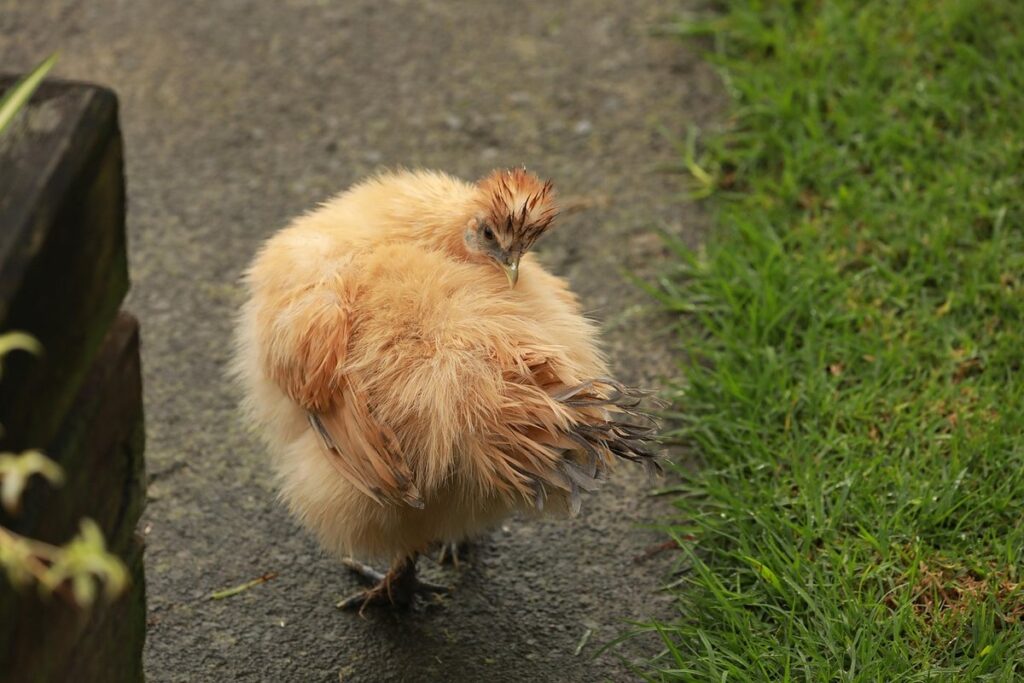
The Polish Frizzle Bantam’s unique feathers are one of its most striking features. Unlike other chicken breeds, their plumage has a distinctly curled and fluffed texture that sets them apart. This is due to the breed’s natural genetic mutation, which causes the feathers to grow inwards towards the body, resulting in a fascinating appearance.
One of the key characteristics of the Frizzle Bantam’s feathers is their ability to withstand cold weather conditions. Their tightly curved shape helps trap warm air next to the skin, providing insulation and keeping them cozy even in chilly temperatures. This unique feature makes them an excellent choice for backyard flocks in areas with harsh winters.
To maintain the health and beauty of your Polish Frizzle Bantam’s feathers, it’s essential to keep their coop clean and draft-free. A well-ventilated coop will help prevent moisture buildup, which can lead to fungal infections that can damage their feathers. Regular grooming is also crucial, as fluffed feathers can easily become matted or tangled if not properly cared for. By following these simple tips, you can ensure your Frizzle Bantam stays happy and healthy, with a stunning plumage that’s sure to impress.
Size and Build
The Polish Frizzle Bantam is renowned for its diminutive yet endearing physique. As part of this breed’s distinctive charm, they exhibit a remarkably compact build, making them an ideal choice for backyard flocks and urban homesteads alike. In terms of size, these chickens typically measure between 8-12 inches (20-30 cm) in height and weigh approximately 1.5-2 pounds (680-900 grams). Their rounded body shape contributes to their irresistible appearance, with a subtle blend of curves and soft edges that add visual appeal.
One of the standout features of the Polish Frizzle Bantam’s build is its sturdy yet delicate constitution. Despite their petite stature, they possess a robust bone structure that allows them to withstand various environmental conditions. This durability makes them well-suited for life in a range of settings – from cozy backyards to communal farms. For prospective owners, it’s essential to consider the breed’s compact size when designing coop and run spaces to ensure they have ample room to move about comfortably. By choosing the right enclosure and providing adequate space, you can help your Polish Frizzle Bantam thrive in its new surroundings.
Temperament and Personality
When it comes to owning a Polish Frizzle Bantam, understanding their temperament and personality is crucial for a harmonious relationship. Let’s dive into what you can expect from these charming little birds.
Known for Being Friendly
One of the standout characteristics of the Polish Frizzle Bantam is their incredibly friendly and outgoing nature. These little birds have a way of winning hearts with their curious and affectionate personalities. They thrive on human interaction, and it’s not uncommon for them to follow their owners around the house, eager to be part of whatever activity they’re engaged in.
Polish Frizzle Bantams are known to form strong bonds with their owners, often becoming attached to a single person or family member. They love attention and will happily perch on your lap, nuzzle their head against you, or even snuggle up next to you at night. This affectionate behavior makes them an excellent choice for families with children or for seniors who want a low-maintenance yet loving companion.
When introducing a Polish Frizzle Bantam to your family, it’s essential to socialize them well from an early age. Start by letting them get used to the sound of children playing, the noise level in your home, and the presence of other pets. With patience and gentle handling, these birds will quickly adapt to their new environment and become loyal friends for years to come.
In terms of interacting with other animals, Polish Frizzle Bantams tend to be quite tolerant and can even learn to live alongside cats and dogs if introduced properly. However, it’s crucial to supervise their interactions closely, especially in the early stages, to ensure a harmonious household. By doing so, you’ll create a happy and peaceful environment where all your pets – including your feathered friends – can thrive together.
Active but Not Flighty
Polish Frizzle Bantam chickens are known for their lively and energetic personalities, but they’re not flighty or difficult to manage. They have a unique characteristic that sets them apart from other breeds – their tendency to stay close to home. Despite their high energy levels, they’re not prone to wandering off or attempting to fly away.
If you’re an experienced chicken keeper, you’ll appreciate the Polish Frizzle Bantam’s ability to entertain themselves with minimal supervision. They love to explore and forage around the coop, but they’re just as happy to engage in activities that keep them occupied indoors, like pecking at toys or scratching posts.
To make the most of your Polish Frizzle Bantam’s energy levels, consider providing a spacious run or enclosure where they can roam freely. Add some interactive toys and obstacles to keep them engaged and active. With regular exercise and mental stimulation, these birds will thrive in your care, bringing endless joy and entertainment to your backyard flock.
In terms of daily routine, Polish Frizzle Bantams require about 2-3 hours of supervised playtime outside the coop. This can be divided into shorter sessions throughout the day, allowing for rest periods and relaxation time.
Care and Management
To keep your Polish Frizzle Bantam happy and healthy, it’s essential to understand their specific care and management needs, which we’ll cover in detail below. This includes nutrition, habitat, and daily routine requirements.
Housing Requirements
When it comes to housing your Polish Frizzle Bantams, you’ll want to prioritize their comfort and safety. These birds are small, but they still require adequate space to move around and exercise.
A good rule of thumb is to provide at least 2-3 square feet of floor space per bird inside the coop. This might not seem like a lot, but Polish Frizzle Bantams are surprisingly active, so you’ll want to make sure your coop can accommodate their need for movement. Consider a spacious run or enclosed area where they can exercise and stretch their wings.
In terms of coop design, you’ll want something sturdy and secure that can protect them from predators and harsh weather conditions. A 2×4 foot coop is a good starting point, with a sloping roof to allow snow and rain to run off. Consider adding windows for ventilation and natural light, as well as nesting boxes for egg-laying.
One important note: due to their frizzled feathers, Polish Frizzle Bantams are more susceptible to drafts and cold temperatures. Be sure to add extra insulation to your coop to keep them warm and cozy, especially during colder months.
Diet and Nutrition
As a Polish Frizzle Bantam chicken owner, providing your flock with a balanced and nutritious diet is crucial for their overall health and well-being. When it comes to feed quality, look for high-protein feeds that are specifically formulated for small breeds like the Polish Frizzle. You can choose between layer pellets or crumbles, depending on your bird’s age and needs.
In addition to commercial feed, consider incorporating foraging practices into your flock’s daily routine. This not only provides mental stimulation but also allows them to pick up essential nutrients from fresh fruits, vegetables, and insects. Some great options include offering leafy greens like kale or spinach, as well as providing a source of calcium-rich foods like crushed eggshells.
As for supplements, consult with your veterinarian before adding any new products to your flock’s diet. They may recommend vitamins or minerals that are specific to the breed’s needs. On average, you can expect to spend around $20-30 per month on supplements, depending on the size of your flock and their individual requirements. Remember to always follow proper feeding guidelines and adjust quantities according to your birds’ age, sex, and activity level.
Health Considerations
When considering bringing Polish Frizzle Bantams into your home, it’s essential to think about their specific health needs and potential challenges that come with owning these unique birds. This section will help you prepare for any potential health issues.
Potential Health Issues
As a Polish Frizzle Bantam owner, it’s essential to be aware of potential health issues that may affect your flock. Genetic conditions are a concern for this breed due to its unique characteristics. One such condition is the “fizzle” itself, which can be prone to skin problems and feather plucking. Regular grooming and monitoring can help identify these issues early on.
Parasites are another common problem in backyard flocks. Mites, lice, and fleas can infest your birds, causing discomfort and stress. Keep a close eye out for symptoms like excessive scratching, droopy wings, or visible parasites on the skin. Use a gentle, medicated shampoo to treat any infestations.
Fowl pox is another genetic condition that affects chickens worldwide, including Polish Frizzle Bantams. It’s highly contagious and can be fatal if left untreated. Vaccination is not always effective, so prevention through good hygiene practices and quarantine measures is key.
To minimize the risk of health issues in your flock, ensure they have access to clean water, a balanced diet, and regular exercise. Regularly inspect their coop for signs of pests or disease, and maintain a cleanliness routine that includes disinfecting surfaces and changing bedding frequently. By staying vigilant and proactive, you can help keep your Polish Frizzle Bantams healthy and thriving.
Breeder Selection and Support
When selecting a breeder for Polish Frizzle Bantam chickens, it’s essential to prioritize their reputation and commitment to maintaining healthy birds. Look for breeders who are transparent about the health of their stock, provide documentation on vaccinations and testing, and offer guarantees against genetic disorders.
A reputable breeding program will also have a robust support system in place for new owners. This may include access to experienced mentors, online forums or discussion groups, and resources for addressing common health issues. Some breeders even offer lifetime support and are readily available via phone or email to answer questions and provide guidance.
To evaluate a breeder’s commitment to health and support, ask about their breeding philosophy, the percentage of healthy birds they produce annually, and whether they have any genetic testing in place. A responsible breeder will also provide recommendations for local veterinarians experienced with small poultry, ensuring you’re well-equipped to care for your new flock.
Ultimately, selecting a reputable breeder is crucial to raising healthy Polish Frizzle Bantams. By doing your research and asking the right questions, you can ensure you’re working with someone who prioritizes the health of their birds – and yours.
Raising Polish Frizzle Bantams as Pets or Show Birds
If you’re considering bringing Polish Frizzle Bantam chickens into your life, whether for companionship or competitive showing, this section has valuable insights to share. We’ll cover the essential tips and tricks for raising these delightful birds successfully.
Choosing Between Pet and Show Potential
When deciding whether to raise your Polish Frizzle Bantams for companionship or competitive showing, it’s essential to consider the unique characteristics and needs of this breed. As a potential pet owner, you’ll want to focus on their affectionate nature, playful personalities, and ability to thrive in small spaces.
On the other hand, if you’re interested in competitive showing, you’ll need to prioritize breeding for specific characteristics that meet the standards set by poultry associations such as the American Bantam Association (ABA) or the British Poultry Standards. This means selecting birds with ideal plumage, feather quality, and overall conformation.
Before making a decision, consider your goals and lifestyle. If you’re looking for low-maintenance companions, Polish Frizzle Bantams make excellent pets. However, if you’re willing to invest time in training, grooming, and record-keeping, showing can be a rewarding experience. It’s also crucial to research local regulations and show rules specific to your region.
Ultimately, whether you choose to raise your Polish Frizzle Bantams for companionship or competitive showing, their charming personalities and striking appearance are sure to delight.
Tips for Successful Breeding or Showing Programs
When it comes to breeding Polish Frizzle Bantams for show or personal satisfaction, there are several key considerations. First and foremost, ensure that you have a solid understanding of the breed standard. Familiarize yourself with the American Bantam Association’s (ABA) guidelines for Polish Frizzle characteristics, including plumage quality, temperament, and overall conformation.
To establish a successful breeding program, it’s essential to focus on producing birds that meet or exceed the breed standard. This means selecting parents with desirable traits, such as lustrous frizzle feathers and a friendly disposition. You should also aim to maintain a diverse gene pool by introducing new bloodlines periodically.
For show preparation, start by acclimating your bird to the judging ring environment several weeks in advance. Practice handling and posing your bird to help it become comfortable with being handled. Additionally, make sure your bird is in top health and condition prior to competition. Regular grooming and maintenance can go a long way in showcasing your bird’s natural beauty.
When selecting show-quality birds, look for those that demonstrate exceptional frizzle quality, size, and temperament. Keep detailed records of your breeding program, including pedigrees, offspring performance, and any notable characteristics. This will help you refine your selection process over time and produce better results.
Frequently Asked Questions
What’s the best way to introduce a Polish Frizzle Bantam to my existing backyard flock?
Introducing new birds to your flock requires patience and careful planning. Start by keeping the Polish Frizzle Bantam separate from your existing birds for a few days to allow them to get accustomed to each other’s sounds, smells, and visual presence. Once you’re confident they’ll get along, release them into the same enclosure under close supervision. Monitor their behavior closely and intervene if necessary.
How can I ensure my Polish Frizzle Bantam is getting enough exercise?
Polish Frizzle Bantams are active birds that require regular exercise to maintain their physical health and mental well-being. Provide a spacious coop with adequate ventilation, as well as outdoor access to a securely fenced area where they can roam freely. Aim for at least 2-3 hours of supervised outdoor time daily, adjusting according to weather conditions.
Can I keep multiple Polish Frizzle Bantams together in the same enclosure?
While it’s tempting to keep multiple birds together, this can be challenging due to their affectionate and social nature. If you do decide to keep them together, ensure the enclosure is large enough (at least 2-3 square feet per bird) and provide separate roosting areas for each individual.
What should I look for when selecting a reputable Polish Frizzle Bantam breeder?
When searching for a reputable breeder, prioritize their experience with the breed, the health status of their birds, and their willingness to share advice on care and management. Look for breeders who are transparent about potential health issues and have a proven track record of producing high-quality, healthy Polish Frizzle Bantams.
Can I raise Polish Frizzle Bantams as pets if they’re intended for showing?
While it’s possible to raise birds with both pet and show potential, the focus and care required differ significantly. If your goal is to show your birds, prioritize their genetic quality, conformation, and presentation, which may involve more stringent care and training protocols than those used for pet birds.