
Are you ready to meet one of the most majestic breeds in the world? The Polish Rooster chicken is a stunning addition to any backyard flock or exhibition show, with its striking crest and lively personality. But beyond their looks, these birds have a rich history and unique characteristics that make them a joy to raise and care for.
In this comprehensive guide, we’ll delve into the world of Polish Rooster chickens, exploring their breeding tips, health considerations, and expert advice on how to show them off at your local poultry event. Whether you’re an experienced chicken keeper or just starting out, our article will provide you with all the information you need to fall in love with this breed. From their origins to their temperament, we’ll cover everything you need to know about raising happy, healthy Polish Rooster chickens.
Origins and History of the Polish Rooster Chicken
Let’s take a fascinating journey through time as we explore the rich history and origins of the beloved Polish Rooster chicken, a breed steeped in tradition. Its story begins centuries ago in Eastern Europe.
Characteristics of the Breed
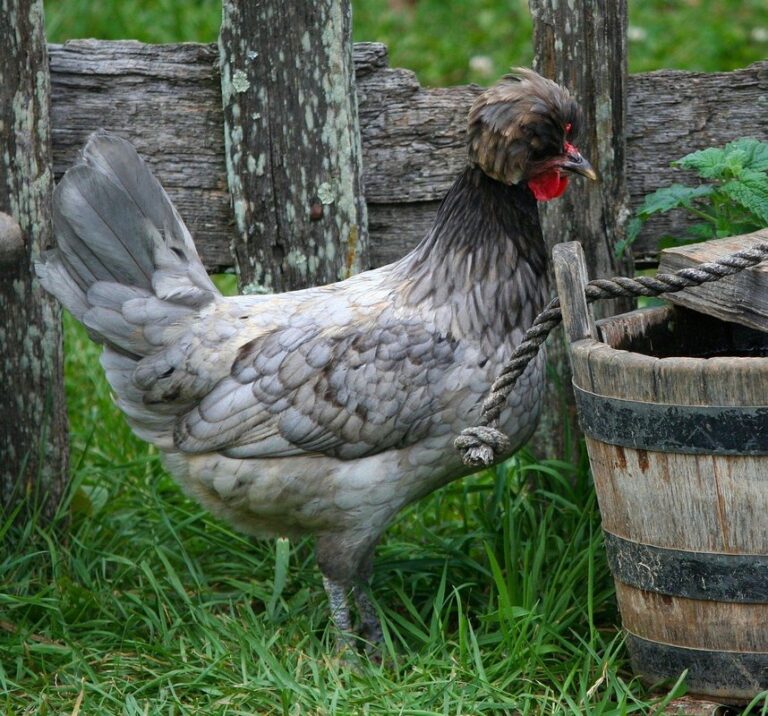
The Polish Rooster chicken breed is easily recognizable due to its distinctive physical characteristics. One of the most notable features of this breed is its beak shape. The Polish Rooster has a dished face, meaning that their beak curves slightly inward towards the eyes. This gives them a unique and endearing appearance.
Their comb type is also distinct, with a single, red comb on top of the head. However, what sets the Polish Rooster apart from other breeds is its crest. The crest is a tuft of feathers that grows on top of the head, often reaching impressive lengths in males. In fact, some Polish Roosters can grow crests so long they require regular trimming to prevent them from getting tangled or obstructing their vision.
In addition to these distinctive features, the feathering pattern of the Polish Rooster is also noteworthy. They have a predominantly white plumage with occasional patches of red or black on the wings and tail. Overall, the physical characteristics of the Polish Rooster make it a visually striking breed that is sure to turn heads in any backyard flock.
History of the Breed in Europe
The Polish Rooster’s journey to becoming one of Europe’s most beloved breeds began in its namesake country. Its origins date back to the 19th century when Polish farmers first developed this breed by crossing native birds with imported ones, primarily from Asia and Europe. The resulting bird was known for its striking appearance, robust build, and impressive comb.
The breed quickly gained popularity among European poultry enthusiasts due to its unique characteristics. By the early 20th century, the Polish Rooster had spread throughout Eastern Europe, particularly in countries such as Russia, Ukraine, and Belarus. However, it wasn’t until after World War II that the breed gained widespread recognition across Western Europe.
Notable figures played a significant role in promoting the Polish Rooster’s development. One prominent example is Henry Harris, an English poultry breeder who successfully bred the first purebred Polish Roosters in the UK in the early 20th century. His efforts helped introduce the breed to British poultry enthusiasts and contributed significantly to its international popularity.
In addition to Harris’ work, European agricultural exhibitions during this period provided a platform for breeders to showcase their finest fowl. The Polish Rooster’s impressive appearance and robust build often caught judges’ attention, solidifying its reputation as a top contender among chicken breeds.
Breeding and Raising Polish Rooster Chickens
When it comes to raising Polish rooster chickens, breeding them successfully is crucial. This section will walk you through the essential steps for breeding and raising healthy Polish rooster chicks.
Choosing the Right Breeder
When selecting a reputable breeder for Polish Rooster chickens, it’s essential to do your research and ask the right questions. First, look into the breeder’s bloodlines – you want to know if they have a history of producing high-quality birds with desirable characteristics such as feather quality, temperament, and egg-laying ability.
A good breeder should be able to provide information on the parents of the bird you’re interested in purchasing, including their lineage, health clearances, and breeding achievements. This will give you an idea of the bird’s potential and help you make a more informed decision.
In addition to bloodlines, look for breeders who offer health guarantees – this should include a guarantee against genetic disorders, as well as a commitment to providing ongoing support and advice after purchase. Ask about their breeding practices, too – a reputable breeder will prioritize the welfare of their birds above all else, ensuring they’re raised in clean, spacious conditions with access to fresh food and water.
When visiting or communicating with a potential breeder, pay attention to their knowledge and enthusiasm for the breed. A good breeder should be able to answer your questions confidently and provide guidance on caring for your new bird.
Raising Chicks and Pullets
When you bring home your new Polish Rooster chicks or pullets, it’s essential to provide them with proper care and attention from an early age. This will help them grow into healthy, robust birds that thrive under your care.
For nutrition, start by providing a high-quality starter feed specifically formulated for young chickens. You can also supplement their diet with fruits, vegetables, and grains, but be sure to introduce new foods gradually to prevent digestive upset. A good rule of thumb is to provide fresh water and food at all times, and clean the feeding area regularly to prevent disease.
When it comes to housing, ensure that your chicks have a safe and comfortable place to rest. Provide enough space for them to move around, stretch their wings, and engage in natural behaviors like scratching and dust bathing. A brooder or starter coop with adequate ventilation is ideal for young chickens.
For management, monitor the temperature closely to keep it within the optimal range of 90-100°F (32-38°C) during the first few weeks. You can also use a heat lamp or heating pad to maintain a consistent temperature.
Health Considerations for Polish Rooster Chickens
When raising Polish rooster chickens, it’s essential to be aware of their specific health needs and potential vulnerabilities to certain diseases. This is crucial for keeping your flock healthy and happy.
Common Health Issues
As a Polish Rooster chicken owner, it’s essential to be aware of the common health issues that can affect these beautiful birds. Respiratory problems are a significant concern for Polish Roosters due to their flat faces and short nasal passages, which can lead to breathing difficulties. This can be exacerbated by environmental factors such as drafts or extreme temperatures.
Another issue that can arise is parasites, particularly mites, lice, and fleas. These external pests can cause discomfort, stress, and even disease in your birds. To prevent infestations, ensure good hygiene practices, such as regular cleaning of their enclosure, removing soiled bedding, and monitoring for signs of parasites.
Feather pecking disorder is another common problem that can affect Polish Roosters. This behavior can be triggered by boredom, stress, or nutritional deficiencies. To address this issue, provide your birds with a balanced diet, plenty of space to move around, and engaging toys to stimulate their minds.
Regular check-ups with a veterinarian will help you identify any potential health issues early on, allowing for prompt treatment and minimizing the risk of long-term damage.
Preventative Measures
To minimize health issues in Polish Rooster chickens, it’s essential to prioritize proper nutrition. Provide a balanced diet that includes high-quality commercial feed, supplemented with fresh fruits and vegetables daily. Avoid overfeeding, as obesity can lead to various health problems.
A clean and well-ventilated living environment is also crucial. Ensure the coop has adequate space for your birds, and maintain it regularly by removing soiled bedding and disinfecting surfaces. Provide plenty of nesting boxes and perches to reduce stress and promote natural behavior.
Regular check-ups with a veterinarian are vital in identifying potential health issues early on. Schedule annual or bi-annual visits to monitor your flock’s health and detect any signs of disease. Keep accurate records of vaccinations, treatments, and health checks to ensure you’re providing the best care possible.
By implementing these preventative measures, you can significantly reduce the risk of health issues in your Polish Rooster chickens. Remember to always monitor their behavior, appetite, and droppings for early warning signs of illness or disease.
Feeding and Nutrition for Polish Rooster Chickens
When it comes to feeding your Polish rooster chicken, a balanced diet is crucial for their overall health and well-being. Here’s what you need to know about providing the best nutrition for these stunning birds.
Dietary Requirements
Polish Rooster chickens require a balanced diet that meets their unique nutritional needs at different stages of their life cycle. As they grow from chicks to adults, their dietary requirements change significantly.
During the growth stage, Polish Rooster chicks need a starter feed rich in protein (18-20%) and energy to support rapid growth. Ensure you provide them with adequate calcium and phosphorus for strong bone development. A good rule of thumb is to supply 1% calcium and 0.5% phosphorus in their feed.
As they mature, Polish Rooster hens require a layer feed that’s formulated to promote egg production. Aim for a feed containing 16-18% protein, 10-12% fat, and adequate vitamins and minerals like vitamin A, E, and D3. To maximize egg production, ensure access to oyster shells or crushed eggshells as a calcium source.
When breeding Polish Rooster chickens, provide them with a breeder feed rich in nutrients that support reproductive health. Include 18-20% protein, 10-12% fat, and essential vitamins and minerals like vitamin E and selenium. Monitor their diet closely to ensure they’re receiving the necessary nutrients for optimal fertility and egg production.
Sample Feeding Plans
When it comes to feeding Polish rooster chickens, understanding their nutritional needs at different life stages is crucial. Here’s a sample feeding plan for you to consider:
For Chickens Under 16 Weeks:
* Provide a starter feed with around 20-22% protein content.
* Offer 1/4 to 1/2 cup of starter feed per chicken daily, depending on their growth rate and size.
* Ensure access to fresh water at all times.
For Adult Polish Roosters (16 weeks and older):
* Switch to a layer feed with 16-18% protein content.
* Offer around 1/2 to 3/4 cup of layer feed per chicken daily, depending on their activity level and egg production (if applicable).
* Consider supplementing with fruits and vegetables during warmer months or when foraging is possible.
Remember to adjust the feeding plan according to your climate and season. For instance, if you live in a colder region, provide more calories through grain-based feeds during winter months. Conversely, opt for cooler, high-fiber feeds during summer to prevent heat stress. Always choose nutrient-rich feed options and consult with a veterinarian or poultry expert for specific recommendations tailored to your flock’s needs.
Showing and Exhibiting Polish Rooster Chickens
When it comes to showcasing your Polish rooster chicken’s unique charm, there are several ways to exhibit their beauty and characteristics in a competition setting effectively. This section will cover essential tips for doing just that.
Breed Standards and Guidelines
When showing and exhibiting Polish Rooster chickens, it’s essential to familiarize yourself with the breed standards and guidelines. These standards serve as a benchmark for evaluating the quality of your birds, ensuring that they meet the desired characteristics and traits.
The American Bantam Association (ABA) and the American Poultry Association (APA) are two prominent organizations that establish breed standards for Polish Roosters. According to these organizations, a winning Polish Rooster should possess a unique beard and mustache, with a red or blue beak. The bird’s plumage should be sleek, with a white base color and black hackle feathers on the neck.
To prepare your Polish Rooster for showing, make sure it meets the breed standard in terms of size (about 14-16 inches tall), weight (2-3 pounds), and egg-laying capacity (none or very few eggs). Ensure that your bird is clean, well-groomed, and free from any health issues. Practice handling and training to help your rooster become calm and confident in the show ring.
Tips for Success in the Show Ring
When it’s time to put your Polish Rooster chickens on display in the show ring, you’ll want to make sure they’re not only healthy and well-cared for but also exhibit their best qualities. To prepare your birds for competition, handling is key. Start by getting them accustomed to being held and handled regularly, so they become comfortable with human interaction.
When it comes to grooming, keep in mind that Polish Rooster chickens have a unique topknot of feathers on their heads. Practice gently combing through these feathers to prevent matting and tangling. Make sure to also check for any missing or damaged feathers, which can detract from your bird’s appearance.
Presentation is just as important as handling and grooming. Teach your birds to stand still and proud in front of the judges by rewarding them with treats when they remain calm and focused. Practice walking your birds around the show ring beforehand, so they become comfortable with the environment and less likely to get flustered during the actual competition.
It’s also essential to familiarize yourself with the specific breed standard for Polish Rooster chickens, which will help you identify any potential issues or areas for improvement.
Conclusion: The Rewards of Raising Polish Rooster Chickens
As we’ve explored the unique characteristics and benefits of raising Polish rooster chickens, it’s time to reflect on the rewards they bring to your backyard flock. Let’s summarize the joys of these lovable birds!
The Joy of Breeding and Showing
Breeding and showing Polish Rooster chickens can be an incredibly rewarding experience. Not only do you get to preserve the breed’s unique qualities, but you also have the opportunity to connect with like-minded enthusiasts who share your passion for this stunning bird.
One of the joys of breeding Polish Rooster chickens is witnessing the birth of new generations. With their incredible comb and feather growth rate, it’s fascinating to see how quickly they develop their signature appearance. Experienced breeders can identify potential champions early on, allowing them to carefully select and nurture the next generation of show birds.
But what makes showing Polish Roosters so special? It’s not just about winning ribbons or trophies – it’s about showcasing the beauty and uniqueness of this breed. With their compact size, colorful plumage, and lively personalities, Polish Rooster chickens are always a crowd-pleaser at shows. To get started, consider joining local poultry clubs or associations to network with other breeders and gain valuable insights into best practices for breeding and showing. With dedication and hard work, you too can become a champion breeder of this beloved breed.
Encouragement for Aspiring Breeders
As you’ve learned more about Polish Rooster chickens, we hope you’re itching to take the leap and become a part of this vibrant community. Raising these stunning birds can be a truly rewarding experience, not just for their charm and beauty but also for the skills and connections you’ll gain.
If you’re an aspiring breeder, don’t be intimidated by the prospect of caring for your first flock. Start with a small clutch of chicks and learn as you go. Join online forums or local poultry clubs to connect with experienced breeders who can offer valuable guidance and support.
Showing Polish Roosters at county fairs or local exhibitions is an excellent way to meet fellow enthusiasts, share knowledge, and gain confidence in your birds’ potential. Not only will you develop a keen eye for quality, but you’ll also learn how to prepare your birds for competition.
As you embark on this journey, remember that it’s okay to make mistakes – they’re an essential part of the learning process! With patience, dedication, and practice, you’ll soon become proficient in identifying breed characteristics, handling showmanship techniques, and understanding the intricacies of poultry judging. The rewards will be well worth the effort.
Frequently Asked Questions
Can I raise Polish Rooster chickens for their meat?
Yes, while Polish Roosters are often kept for their stunning appearance and friendly temperament, they can also be raised for meat production. However, it’s essential to note that they may not grow as quickly or heavily as other breeds, so you’ll need to adjust your expectations and feeding plans accordingly.
How do I prevent common health issues in Polish Rooster chickens?
To minimize the risk of health problems, ensure your birds have access to clean water and a balanced diet. Regular vaccinations, parasite control, and a clean living environment are also crucial. Additionally, consider keeping a flock health record to monitor your birds’ well-being and catch any potential issues early.
Can I mix Polish Rooster chickens with other breeds in my backyard flock?
Yes, but it’s essential to introduce them slowly and under close supervision to ensure a smooth transition. You’ll want to choose breeds that complement the Polish Roosters’ calm nature and avoid pairing them with aggressive or dominant birds. A balanced and harmonious flock is key to happy and healthy chickens.
What are some tips for showing and exhibiting my Polish Rooster chicken?
To increase your chances of success in the show ring, focus on presenting your bird’s best features. This may involve trimming their wings and tail feathers, as well as carefully arranging their plumage to showcase their unique crest and comb. Practice handling and restraint techniques with your bird beforehand to build trust and confidence.
Can I breed Polish Rooster chickens without prior experience in poultry breeding?
While it’s possible to learn as you go, it’s highly recommended that beginners start by working with an experienced breeder or mentor. They can provide valuable guidance on selecting the right stock, maintaining genetic diversity, and preventing inherited health issues. With proper training and support, even novice breeders can produce high-quality offspring.