
The Polish Silver-Laced chicken is a stunning breed that has captured the hearts of many backyard flock enthusiasts. But beyond its beautiful plumage, this bird has so much more to offer. As you consider adding one (or several) to your family, it’s essential to understand their unique history, temperament, and health requirements. With proper care and attention, these lovely birds can thrive in a variety of settings – from small backyards to larger farms. In this comprehensive guide, we’ll delve into the world of Polish Silver-Laced chickens, covering everything you need to know to raise and show these beautiful birds successfully. Whether you’re an experienced breeder or just starting out, our expert advice will help you navigate the ins and outs of caring for your new feathered friends.
History and Origins of the Breed
The Polish Silver-Laced Chicken has a rich history that dates back centuries, with its origins shrouded in mystery, but one thing is certain: it’s an ancient breed. Let’s take a step back and explore how this stunning bird came to be.
Early Beginnings in Poland
The origins of the Polish Silver-Laced chicken can be traced back to Poland, where they were highly valued for their exceptional egg-laying abilities and docile nature. The breed’s history dates back to the early 19th century, when chicken breeding was a popular pastime among Polish nobility. Breeders sought to create a chicken that combined the best qualities of various breeds, resulting in the development of the Polish Silver-Laced.
As with many heritage breeds, the exact details of the Polish Silver-Laced’s creation are shrouded in mystery. However, it is believed that they were bred from the Old English Game fowl and other European breeds. The breed’s distinctive silver-laced feathers were likely a result of selective breeding for this unique characteristic.
Polish farmers prized the Polish Silver-Laced for their hardiness and ability to thrive in harsh conditions. They were often used as farmyard birds, providing a steady supply of eggs and meat. Despite their rural origins, the breed was highly sought after by aristocrats and landed gentry for their impressive plumage and gentle disposition.
Introduction to Europe and Global Recognition
As the popularity of the Polish Silver-Laced Chicken breed grew, it soon caught the attention of poultry enthusiasts worldwide. In the early 20th century, this stunning bird gained recognition from several prominent poultry associations, solidifying its place on the global stage.
One notable milestone was its inclusion in the American Poultry Association’s (APA) Standard of Perfection in 1904. This marked a significant turning point for the breed, as it became one of the first Polish breeds to be recognized by a major poultry organization in the United States. The APA’s recognition helped increase the breed’s visibility and appeal to backyard chicken keepers and commercial farmers alike.
The breed’s global recognition continued with its inclusion in the British Poultry Standards (BPS) in 1909, further cementing its reputation as a premier show bird. Today, the Polish Silver-Laced Chicken is prized for its striking silver-laced feathers, gentle disposition, and excellent egg-laying abilities. Whether you’re a seasoned poultry breeder or an enthusiastic backyard chicken keeper, this breed’s unique characteristics make it an attractive choice for many enthusiasts around the world.
Physical Characteristics and Appearance
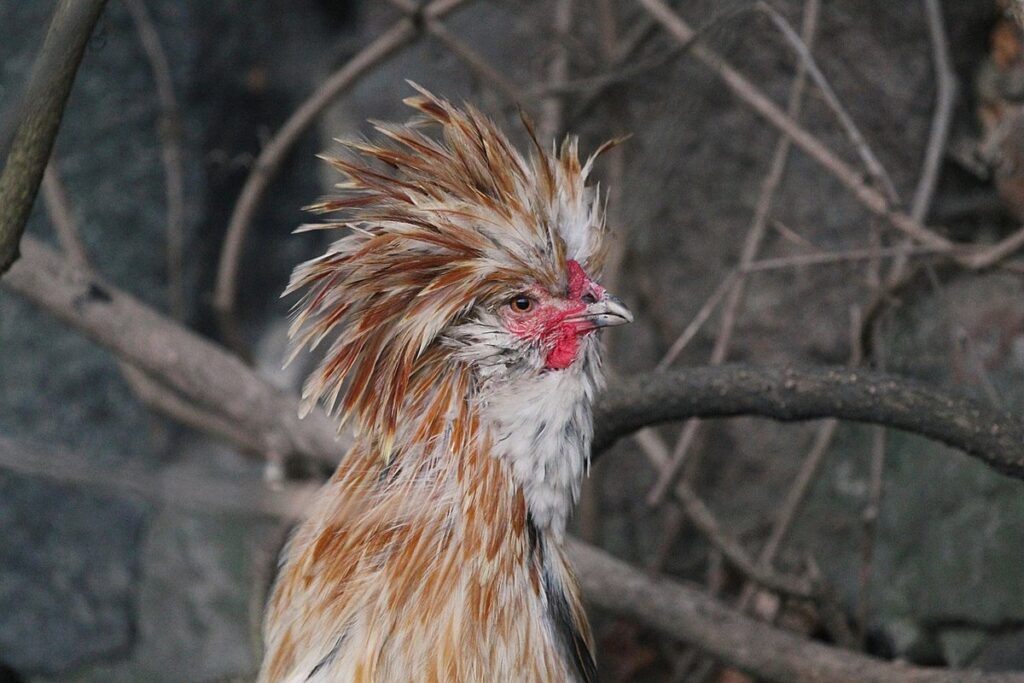
The Polish Silver-Laced Chicken is a stunning breed, known for its unique silvery-gray plumage and eye-catching lace patterns that add to its natural beauty. Let’s take a closer look at some of its distinctive physical characteristics.
Plumage and Coloration
One of the most striking features of the Polish Silver-Laced chicken is its unique and beautiful plumage. The breed’s silver-laced feathers are a distinguishing characteristic that sets it apart from other varieties. But what exactly does this mean? In simple terms, the silver-lacing refers to the intricate pattern of darker tips on the edges of each feather, creating a stunning visual effect.
The color pattern is typically described as a mixture of soft silvery-gray and pure white, with the lacing providing a delicate contrast to the overall appearance. The pattern can vary in intensity depending on the individual bird, but it’s always symmetrical and well-balanced. To maintain this striking plumage, keep an eye out for any feathers that may be getting worn or damaged – regular grooming will help preserve the breed’s signature look.
In fact, the quality of the silver-lacing is often used as a key factor in judging Polish Silver-Laced chickens at shows. So, if you’re thinking of showing your bird, make sure to pay close attention to this important aspect of its appearance.
Size, Weight, and Build
The Polish Silver-Laced chicken is a medium-sized breed, known for its compact and sturdy build. On average, roosters weigh between 3.5 to 4 pounds (1.6 to 1.8 kilograms), while hens typically weigh between 2.5 to 3 pounds (1.1 to 1.4 kilograms). The overall length of the breed is about 12-15 inches (30-38 centimeters), with a wingspan of around 20-22 inches (51-56 centimeters).
When it comes to build, Polish Silver-Laces are known for their broad, rounded chest and well-sprung ribs. Their legs are strong and sturdy, carrying them with ease on the ground. The breed’s compact size makes them an excellent choice for backyard flocks or small farms, as they don’t require a lot of space to roam.
It’s worth noting that Polish Silver-Laced chickens can come in a range of sizes, depending on their lineage and breeding history. Some individuals may be larger or smaller than the average weights mentioned above. However, in general, the breed is known for its medium size and sturdy build, making them well-suited to a variety of environments and living situations.
Temperament and Personality Traits
When it comes to owning a Polish Silver-Laced Chicken, understanding their temperament and personality traits is crucial for building a strong bond with your feathered friend. This unique breed is known for its gentle nature, making them an excellent choice for families and backyard flocks.
Friendly and Docile Nature
When it comes to temperament and personality traits, Polish Silver-Laced chickens are often described as one of the most affectionate and docile breeds around. They have a natural inclination towards humans, making them an excellent choice for families with children or for backyard chicken keepers who want a gentle companion.
Their friendly nature is evident in their behavior around people – they’ll happily follow you around the yard, eager to explore and interact. Many owners report that their Polish Silver-Laced chickens will even snuggle up next to them on the porch or on a lap while watching TV. This breed’s affectionateness makes them an excellent choice for those who want to raise chickens as pets.
One key aspect of their temperament is their ability to adapt to living with other birds and animals, including dogs and cats. However, it’s essential to socialize your Polish Silver-Laced chicken from a young age to ensure they integrate smoothly into the flock. With proper care and attention, these charming birds will reward you with years of loyal companionship and entertainment.
Social Requirements and Exercise Needs
As you consider bringing home a Polish Silver-Laced chicken, it’s essential to understand their social requirements and exercise needs. These birds are known for their friendly and outgoing personalities, making them an excellent choice for families with children or those who live in urban areas.
A Polish Silver-Laced chicken requires regular social interaction to thrive. They love human company and will often follow you around the yard or house, seeking attention and affection. In fact, they’re so social that they can become anxious if left alone for extended periods without mental and physical stimulation.
When it comes to exercise needs, Polish Silver-Laced chickens are relatively low-maintenance. They require a moderate amount of space to roam, ideally a securely fenced area where they can stretch their wings and engage in natural behaviors like foraging and dust bathing. A daily walk or playtime outside the coop is also recommended to provide them with essential physical activity and mental stimulation.
If you live in an apartment or have limited outdoor space, consider dedicating a room as a “chicken zone” where your Polish Silver-Laced can exercise, socialize, and engage in activities like scratching posts or puzzle toys. This will help keep them happy, healthy, and entertained when they’re indoors.
Health and Nutrition
To keep your Polish Silver-Laced Chickens healthy, it’s essential to understand their specific nutritional needs and health requirements. This section will cover those vital aspects of chicken care.
Common Health Issues in Polish Silver-Laced Chickens
As you embark on raising Polish Silver-Laced Chickens, it’s essential to be aware of potential health issues that may affect this breed. Research suggests that Polish chickens are prone to certain genetic and environmental factors that can impact their overall well-being.
One common issue affecting Polish Silver-Laced Chickens is respiratory problems, particularly in young birds. This can be due to their large, puffed-out chests, which can make breathing more difficult. To mitigate this risk, ensure your coop has good ventilation, and provide plenty of space for your chickens to move around.
Additionally, Polish Silver-Laced Chickens are susceptible to Marek’s disease, a viral condition that affects the nervous system. This is often caused by poor management practices, such as overcrowding or inadequate vaccination protocols. Regularly inspect your flock for signs of illness and ensure you’re following proper biosecurity measures to prevent disease transmission.
Some breeders have also reported cases of obesity in Polish Silver-Laced Chickens due to their love for treats and high-calorie feed. To maintain a healthy weight, monitor your birds’ food intake and provide plenty of exercise opportunities through free-ranging or playtime activities.
Regular health checks, proper nutrition, and a clean living environment can significantly reduce the risk of these issues. By being proactive about your flock’s health, you’ll be better equipped to identify potential problems early on and take corrective action to prevent long-term consequences.
Dietary Recommendations and Feeding Tips
Providing a balanced diet is crucial to keeping your Polish Silver-Laced chickens healthy and thriving. As a responsible owner, you want to ensure that your birds receive the necessary nutrients for optimal growth and well-being.
A good starting point is to provide a high-quality commercial chicken feed as the main staple of their diet. However, supplementing with fresh fruits and vegetables can add essential vitamins and minerals. Some recommended options include leafy greens like kale and spinach, as well as juicy fruits like apples and berries.
It’s also essential to ensure access to clean, fresh water at all times. A general rule of thumb is to provide about 1-2% of their body weight in feed per day. For example, if you have a flock of 5 birds weighing an average of 4 pounds each, you’ll need approximately 2 pounds of feed per day.
In addition to providing a balanced diet, consider offering treats like mealworms or sunflower seeds as occasional rewards for good behavior. Just be sure not to overdo it, as this can lead to obesity and other health issues.
Breeding and Raising Polish Silver-Laced Chickens
When it comes to breeding and raising Polish Silver-Laced chickens, understanding their unique needs is crucial for success. Here’s what you need to know about creating a happy, healthy flock.
Selecting Healthy Breeding Stock
When it comes to breeding Polish Silver-Laced chickens, selecting healthy breeding stock is of utmost importance. This decision can significantly impact not only the quality of your flock but also the overall success of your breeding program.
To begin with, evaluate the health of your potential breeders by observing their overall condition and noting any signs of disease or illness. Look for birds that are well-nourished, have shiny feathers, and exhibit energetic behavior. A healthy breeding stock should be free from major health issues such as Marek’s disease, coccidiosis, and respiratory problems.
In terms of temperament, choose breeders that are friendly, docile, and easy to handle. This will ensure that your offspring inherit a calm and gentle disposition. Fertility is another crucial aspect to consider when selecting breeding stock. Opt for roosters with strong sperm quality and hens that lay consistently well. You can assess fertility by monitoring the number of fertile eggs laid by the hen and the success rate of hatchlings.
Hatching and Rearing Chicks
Hatching and rearing chicks is an exciting stage of raising Polish Silver-Laced chickens. When it comes to hatching eggs, make sure you’re using fertile eggs from a reputable breeder or hatchery. Store the eggs in a cool, dry place before incubation to preserve their viability.
To start the incubation process, place the eggs in a controlled environment with consistent temperature (around 99-100°F) and humidity levels (50-60%). Keep the eggs turning regularly, either manually or through an automated turner. After 21 days, gently remove the chicks from the incubator to prevent shocking.
For rearing the chicks, provide a brooder with adequate ventilation, heat, and shelter. Use a heat source such as a heat lamp or ceramic heat emitter, but ensure it’s not too close to avoid burns. Keep an eye on temperature levels, aiming for around 90-95°F during the first week. Provide fresh water, starter feed, and adequate space for movement.
As the chicks grow, gradually introduce them to outdoor areas under close supervision. Monitor their health closely, looking out for signs of stress or disease. With proper care and attention, your Polish Silver-Laced chicks will thrive into healthy birds.
Showing and Competitions for Polish Silver-Laced Chickens
If you’re interested in breeding or showing your Polish Silver-Laced Chicken, it’s essential to understand the rules and requirements of local and national competitions. We’ll walk you through what to expect.
Preparing Your Birds for Competition
Preparing your Polish Silver-Laced chickens for competition requires careful attention to detail and a solid understanding of what judges are looking for. Training is a crucial aspect of preparing your birds, as it helps them become calm and confident in the show ring. Start training your chicks from an early age by introducing them to new environments, people, and experiences.
When it comes to grooming, make sure your Polish Silver-Laced chickens’ feathers are clean, well-maintained, and free of any mats or tangles. Trim their beaks regularly to prevent overgrowth, which can lead to health issues. Pay particular attention to the bird’s comb and wattles, as these areas require regular cleaning to prevent bacterial growth.
When selecting birds for competition, consider factors such as temperament, feather quality, and breed standard conformity. Look for birds with well-defined silver-lacing on their feathers, a sleek, compact body, and a calm demeanor. With patience, practice, and attention to detail, you can help your Polish Silver-Laced chickens excel in the show ring.
Tips for Success at Poultry Shows
When it comes to presenting your prized Polish Silver-Laced Chickens at poultry shows, there are several key characteristics that experienced breeders focus on to secure top honors. For starters, look for birds with excellent posture – they should carry themselves with confidence and poise. A well-placed comb is also essential; ideally, it should be broad and flat, with a sharp, even edge.
Pay attention to your bird’s eyes as well – they should be large, dark, and wide-set, with a bright, alert expression. The feathers of the Polish Silver-Laced chicken are one of its most distinctive features, so make sure yours have a silvery-gray sheen that catches the light. Practice regularly with your birds to get them accustomed to being handled and shown in front of a crowd.
In particular, focus on developing your bird’s ‘stop’ – the area where the beak meets the face. A well-defined stop is crucial for creating a striking visual impression.
Frequently Asked Questions
Can I raise Polish Silver-Laced chickens in a small backyard with limited space?
Yes, Polish Silver-Laced chickens can thrive in small backyards as long as they have adequate space to exercise and move around. It’s essential to provide them with enough room to roam and engage in physical activity, but even a small fenced area can work well if properly managed.
How often should I check for health issues in my Polish Silver-Laced flock?
Regular monitoring of your flock’s health is crucial. Check your birds at least once a week for signs of illness or disease, such as changes in appetite, droppings, or behavior. Keep an eye out for common health issues like respiratory problems, mites, and lice.
Can I breed Polish Silver-Laced chickens if I don’t have extensive experience with poultry breeding?
While experience is beneficial, it’s not a requirement to breed Polish Silver-Laced chickens. However, selecting healthy breeding stock is crucial to avoid passing on genetic traits that can lead to health issues in your flock. Research reputable breeders and seek guidance from experienced experts in the field.
How long does it take for a Polish Silver-Laced chicken to mature and be ready for show?
A Polish Silver-Laced chicken typically takes around 18-20 weeks to mature, but the ideal showing age is between 24 and 28 weeks. Keep in mind that preparation for competition requires consistent training and socialization from an early age.
What are some essential tips for preparing my birds for a poultry show?
To ensure your Polish Silver-Laced chickens perform well at a poultry show, focus on proper grooming, including nail trimming, beak shaping, and feather maintenance. Make sure they’re acclimated to the show environment beforehand, and consider enlisting the help of an experienced breeder or handler.