
If you’re an aspiring backyard chicken keeper or just looking to boost your farm’s productivity, choosing the right egg-laying chickens can be a daunting task. With so many breeds to choose from, it’s essential to understand their unique characteristics, temperaments, and egg-laying abilities. In this article, we’ll guide you through selecting popular egg-laying chicken breeds that fit your needs, optimizing their performance for maximum egg production, and storing eggs safely. Whether you’re a seasoned farmer or just starting out, understanding the basics of these hardworking hens will help you make informed decisions and get the most out of your backyard flock. From Leghorns to Rhode Island Reds, we’ll cover it all – so let’s dive in!
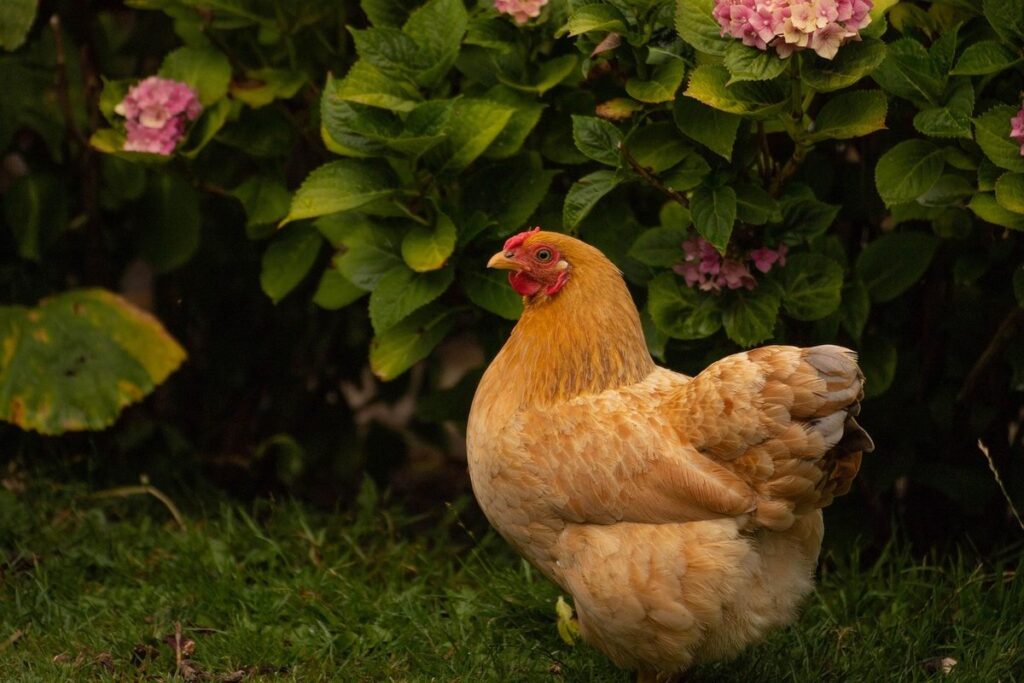
Choosing the Right Breed
When it comes to selecting the perfect egg-laying breed, there are several factors to consider, including temperament, size, and egg production. Let’s dive into what makes each breed unique.
Factors to Consider When Selecting a Breed
When selecting an egg-laying breed, it’s essential to consider several key factors to ensure you choose a chicken that thrives in your environment and meets your needs. Firstly, think about the egg production rate of the breed. Some popular egg-layers can produce up to 300 eggs per year, while others may only lay around 200. Consider how many eggs you want to collect each week and whether it’s feasible for your household.
Temperament is also crucial when choosing a breed. If you have young children or other pets in the house, a friendly and docile breed such as Leghorns or Rhode Island Reds might be an excellent choice. On the other hand, if you’re looking for a more robust and hardy breed that can withstand harsh weather conditions, a Marans or Plymouth Rock may be better suited.
Lastly, don’t forget to consider your climate. Some breeds, like Silkies, are best suited for cooler climates, while others such as Australorps excel in hot temperatures. Assess the local climate and choose a breed that can tolerate it well. This will help ensure your chickens stay healthy and happy, resulting in better egg production and overall well-being.
Top 5 Egg-Laying Breeds for Beginners
When it comes to egg-laying chickens, choosing the right breed can be overwhelming. As a beginner, you’ll want breeds that are easy to manage, produce plenty of eggs, and are relatively low-maintenance. Here are our top 5 picks for egg-laying breeds perfect for new chicken keepers.
First up is the Leghorn. Known for their high egg production (280-300 eggs per year), these birds are a popular choice among backyard chicken enthusiasts. Their friendly nature and adaptability make them an excellent breed for beginners. However, be aware that they can be quite loud, so if you live in a residential area, this might not be the best fit.
Next is the Rhode Island Red. With their rich brown eggs (200-220 per year) and gentle disposition, these birds are a favorite among many chicken owners. They’re relatively easy to care for and require minimal maintenance. Their only drawback is that they can be prone to obesity if overfed, so be sure to keep an eye on their diet.
The Barred Plymouth Rock is another excellent choice for beginners. With their egg-laying prowess (200-220 eggs per year) and friendly nature, these birds are a great addition to any backyard flock. They’re also relatively hardy and can tolerate a range of climates.
The Wyandotte is known for its striking appearance and impressive egg production (180-200 eggs per year). These birds are easy-going and relatively low-maintenance, making them an excellent choice for new chicken keepers. However, be aware that they can be prone to feather pecking if bored or under-stimulated.
Last but not least is the Golden Comet. With their golden feathers and impressive egg-laying abilities (200-220 eggs per year), these birds are a favorite among many chicken enthusiasts. They’re relatively easy to care for and require minimal maintenance, making them an excellent choice for beginners.
Unconventional Egg-Layers: Rare and Exotic Breeds
If you’re looking to add some excitement and uniqueness to your backyard flock, consider exploring rare and exotic breeds that are gaining popularity among chicken enthusiasts. One such breed is the Easter Egger, a cross between an Ameraucana or Araucana and another breed. They lay blue or green eggs due to their genetic trait for producing purple pigment in their shells.
Another unusual breed is the Marans, originating from France. Their rich, dark brown eggs are highly prized among egg collectors. Keep in mind that these birds require a bit more maintenance, as they’re sensitive to heat and need protection from extreme temperatures.
The Cream Legbar is another lesser-known breed that’s gaining traction. Hailing from England, this bird lays light blue or green eggs and excels in free-range systems due to its hardiness and foraging abilities. Consider introducing one of these breeds to your flock if you’re looking for a more distinctive addition and want to support the preservation of rare genetic lines.
When bringing home an unconventional breed, ensure you research their specific needs and requirements to ensure they thrive alongside your existing flock.
Housing and Environment
When it comes to raising egg-laying chickens, their living space and surrounding environment can significantly impact their happiness and productivity. Let’s explore some essential tips for providing a healthy home for your feathered friends.
Coop Design and Construction Requirements
When it comes to housing your egg-laying chickens, providing them with a safe and healthy coop is essential for their well-being. As a responsible chicken keeper, you’ll want to ensure that your coop meets the basic requirements of ventilation, lighting, and predator protection.
Ventilation is crucial in keeping the air fresh and preventing ammonia buildup from droppings. Aim for at least 2 square feet of ventilation space per bird, and consider adding windows or vents to provide natural airflow. Lighting is also vital, as chickens need UV light to produce vitamin D3, essential for calcium absorption and strong eggshells. Use LED lights specifically designed for chicken coops, which emit a full-spectrum light that mimics natural daylight.
When it comes to predator protection, hardware cloth or chicken wire mesh with openings of 1 inch or less will keep out raccoons, foxes, and other predators. Bury the mesh at least 12 inches underground to prevent digging, and consider adding a roof overhang to protect against aerial attacks. By prioritizing these essential components, you’ll be creating a safe haven for your egg-laying chickens to thrive in.
Perches, Nesting Boxes, and Run Considerations
When it comes to housing and environment, many chicken keepers tend to overlook some essential details that can significantly impact their hens’ health and productivity. Providing adequate perches, nesting boxes, and run space is crucial for egg-laying chickens to thrive.
A minimum of 12-18 inches of roosting bar per hen is recommended to ensure they have enough space to comfortably roost at night. This is not only a matter of comfort but also helps prevent over-crowding, which can lead to stress and health issues. Consider installing multiple levels or bars for easy access and social interaction.
Nesting boxes are another vital aspect of your flock’s housing needs. A general rule of thumb is to provide one nesting box per 3-4 hens, with an interior size of around 12×12 inches. Positioning the boxes in a quiet, draft-free area will help reduce stress and make egg-laying more comfortable for your hens.
As for run space, ensure it’s large enough to accommodate your flock comfortably, allowing them to exercise and engage in natural behaviors like scratching and foraging. Aim for at least 2-4 square feet of outdoor space per hen. This can be achieved by setting up a fenced area or converting an existing yard into a chicken-friendly zone.
Biosecurity Measures for Your Flock
When it comes to raising egg-laying chickens, one of the most crucial aspects is implementing biosecurity measures. Disease transmission among your flock and neighboring flocks can have devastating consequences, including significant losses in egg production and even death.
To prevent this from happening, make sure to follow some basic yet essential guidelines. First, keep your coop clean and well-ventilated. This means regularly removing soiled bedding material, disinfecting feeding and watering equipment, and ensuring adequate airflow within the coop. You can also consider adding a small window or vent to allow fresh air to circulate.
Another important measure is to limit visitor access to the coop. Only allow people who are necessary for caring for your flock to enter the area, and make sure they wash their hands thoroughly before handling the birds. You should also quarantine any new birds you introduce to the flock, keeping them separate from the rest of the birds for at least 30 days to ensure they’re disease-free.
Proper cleaning and disinfection of equipment and clothing can also help prevent the spread of disease. Make sure to use a good quality disinfectant that’s specifically designed for poultry applications, and follow the manufacturer’s instructions carefully.
Nutrition and Health
When it comes to raising healthy egg-laying chickens, nutrition plays a crucial role. In this section, we’ll explore the best foods for your flock’s optimal health and egg production.
Balanced Diets for Egg-Laying Hens
When it comes to egg-laying hens, their diet plays a crucial role in determining the quality and quantity of eggs produced. A well-balanced diet is essential for maintaining their health, energy levels, and reproductive cycles. As an egg layer owner, you’ll want to ensure that your flock is receiving all the necessary nutrients.
Egg-laying hens require a diet rich in protein, calcium, phosphorus, and other essential vitamins and minerals. A good starting point is to provide a mix of 16-18% protein, which can come from grains such as oats, wheat, or barley, or from high-protein ingredients like soybean meal or fishmeal.
Calcium content is particularly important for egg-laying hens, as it’s necessary for building strong eggshells. You should provide a source of calcium, such as crushed oyster shells or limestone, to ensure your flock is getting enough. The general rule of thumb is to offer 2-3% calcium in the feed.
In addition to these essential nutrients, you can also supplement with vitamins and minerals like vitamin D3, E, and B12. Fresh fruits and vegetables are a great way to provide variety and additional nutrition, but be sure not to overdo it – a balance is key.
To create a balanced diet for your egg-laying hens, consider the following:
* Provide a mix of grains, proteins, and calcium sources
* Offer supplements like oyster shells or limestone
* Add fresh fruits and vegetables in moderation
* Rotate ingredients regularly to ensure variety
* Keep an eye on your flock’s overall health and adjust their diet accordingly
Common Health Issues in Egg-Laying Flocks
As an egg farmer or enthusiast, it’s essential to be aware of common health issues that can affect egg production and impact your flock’s overall well-being. Mites, lice, and respiratory problems are some of the most prevalent concerns you may encounter.
Mites and lice are external parasites that feed on feathers, skin, and blood, causing discomfort, stress, and decreased egg production. To prevent infestations, maintain a clean coop with regular disinfection and ensure adequate ventilation. Check your birds regularly for signs of mite or lice activity, such as excessive scratching, restlessness, or visible pests.
Respiratory problems, including bronchitis and pneumonia, can be caused by factors like wet bedding, poor air quality, or bacterial infections. To prevent respiratory issues, provide dry bedding, ensure proper ventilation, and maintain a healthy weight through balanced nutrition. If you notice symptoms such as coughing, sneezing, or labored breathing, consult with a veterinarian for guidance on treatment and prevention.
Keep in mind that some breeds are more prone to specific health concerns due to their genetic makeup. Research the breed-specific needs of your flock to ensure you’re taking proactive steps towards maintaining their overall health and productivity.
Natural Ways to Boost Egg Production and Quality
When it comes to boosting egg production and quality naturally, there are several methods you can try. One of the most effective ways is through supplementation. Oyster shells and crushed eggshells are rich in calcium, a crucial mineral for strong eggshell development. You can sprinkle them on your chickens’ food or provide a shallow dish filled with shells for them to peck at.
Herbs like parsley, dandelion, and chicory also have a positive impact on egg production. Add a handful of fresh herbs to their feed daily, or make an herbal infusion by steeping the herbs in water before mixing it with their food. Another natural approach is using probiotics. Probiotics help maintain a healthy gut microbiome, which is essential for optimal egg production and quality.
To incorporate these methods into your chicken’s routine, consider the following tips: Start by gradually introducing supplements or herbs to prevent digestive upset. Monitor your chickens’ response to new additions and adjust as needed. Aim for consistency in feeding schedules and ensure access to fresh water at all times.
Egg Production and Storage
Now that you’ve chosen your flock, let’s dive into the details of egg production and storage, essential skills for any backyard chicken keeper. Proper care will reward you with fresh eggs all year round!
Understanding the Life Cycle of an Egg-Laying Hen
When you bring home an egg-laying hen, it’s natural to wonder about its age and potential. Determining a hen’s age can be tricky, but there are some signs to look out for. For example, a hen that’s around 18-24 months old will have fully grown feathers, while a younger bird may still be molting. To assess your hen’s egg-laying potential, consider its breed and size. Larger breeds tend to lay more eggs than smaller ones.
Some popular egg-laying breeds include Leghorns, which can produce up to 300 eggs per year, while Orpingtons may only lay around 200. Keep in mind that individual performance will vary depending on factors like nutrition, living conditions, and health. As hens mature, you’ll notice changes in their behavior and productivity.
Hens typically reach peak production between 2-3 years of age, but egg-laying declines after this point. Recognizing signs of declining productivity can help you make informed decisions about your flock’s management. Look for reduced egg size, fewer eggs per week, or changes in eggshell quality. By monitoring your hens’ behavior and performance, you’ll be better equipped to provide the care they need as they age.
Collecting and Storing Eggs Safely
Collecting eggs regularly is crucial to ensure their freshness and prevent breakage. It’s recommended to collect eggs at least twice a day, once in the morning and again in the late afternoon. This frequency helps you catch eggs laid during peak hours and prevents them from getting dirty or damaged.
When collecting eggs, gently scoop them up with your hands, taking care not to touch the eggshell excessively as oils from your skin can weaken it. Place the eggs carefully into a basket or container to avoid jostling them around.
After collection, wash the eggs under cold running water using a soft brush to remove any dirt or debris. Dry the eggs thoroughly with clean towels before storing them in a cool, dry place. Maintain a storage environment that’s well-ventilated and free from direct sunlight, moisture, and strong odors. Keep the storage area away from pets and pests to prevent contamination.
By following these steps, you can ensure your collected eggs remain fresh for longer and reduce the risk of spoilage or damage.
Tips for Maximizing Egg Production and Shelf Life
When it comes to maximizing egg production and extending shelf life, proper management practices are crucial. To optimize your flock’s performance, ensure they have a balanced diet rich in essential nutrients, such as protein, calcium, and vitamins A and D. Provide fresh water at all times and maintain a clean living environment to prevent stress and disease.
Regular health checks will help identify any issues early on, while regular egg collection will keep the hens motivated to continue laying. Aim for a minimum of 2-3 square feet per bird indoors or 8-10 square feet outdoors to give them enough space to move around comfortably.
Proper storage is also vital in extending shelf life. Store eggs pointy-end down in the refrigerator at a consistent temperature below 40°F (4°C). Wash your hands thoroughly before handling eggs, and avoid washing them excessively, as this can lead to moisture entering the egg and reducing shelf life. By following these tips, you’ll be able to enjoy a steady supply of fresh eggs from your flock for months to come.
Managing Your Flock
Managing a flock can be overwhelming, but having a few key strategies up your sleeve can make all the difference. Let’s dive into some practical tips for keeping your girls happy and healthy.
Handling Chickens Safely and Humanely
When it comes to managing your flock, handling chickens safely and humanely is crucial to prevent injury or stress for both you and your birds. Chickens can be skittish and unpredictable, especially if they’re not socialized properly from an early age.
To handle chickens gently, start by moving slowly and calmly around them. Avoid sudden movements that might startle them, as this can lead to feather pecking, egg eating, or even attacks on other birds. When catching a chicken, support its body and wings carefully, making sure not to constrict their movement. This will help prevent injuries to both you and the bird.
It’s also essential to get your chickens used to being handled from an early age. Begin with short sessions of gentle petting and stroking, gradually increasing handling time as they become more comfortable with human interaction. Always be mindful of a chicken’s individual temperament and personality, respecting their boundaries when necessary.
Integrating New Hens into Your Flock
When introducing new hens to your existing flock, it’s essential to do so gradually and carefully to minimize disruption and stress. Start by separating the new hens from the main group for a few days to allow them to get used to their new surroundings without feeling overwhelmed.
Begin by placing the new birds in a separate enclosure or coop near the main flock, but not directly adjacent to it. This will allow them to become familiar with each other’s sights and sounds without immediate face-to-face interaction. Make sure the new hens have access to food, water, and shelter at all times, and ensure that they’re receiving any necessary vaccinations or treatments before introducing them to the main flock.
Once the new birds seem comfortable in their separate quarters, start letting them out into a shared run or enclosed area where they can interact under close supervision. Monitor their behavior closely for signs of aggression or stress, and take steps to intervene if necessary. With patience and careful planning, integrating new hens into your existing flock can be a smooth and successful process that leads to a harmonious and thriving egg-laying community.
Breeding and Raising Chicks: A Beginner’s Guide
Breeding and raising healthy chicks is an essential part of maintaining a thriving flock. As a beginner, it’s crucial to understand the basics of chick development to ensure you’re providing optimal care for your young birds.
First things first: preparing a nursery for your chicks is vital. This dedicated area should be kept at around 90-100°F (32-38°C) and maintained with adequate ventilation to prevent disease. A heat source, such as a heat lamp or ceramic heat emitter, will also help regulate the temperature. Make sure to place a waterer and feeder in an easy-to-reach location for your chicks.
When selecting healthy embryos, look for ones that are free of visible defects, and check for firm, well-attached yolks. It’s essential to handle eggs gently and store them in a safe environment until hatching. Once the chicks arrive, monitor their growth closely, ensuring they’re reaching milestones such as standing, pecking at food, and flapping their wings by 3-4 days of age.
By following these guidelines, you’ll set your flock up for success from an early stage.
Conclusion
In conclusion, choosing the right egg-laying chicken breed can be a daunting task, but by considering factors such as climate, space, and personal preferences, you’ll be well on your way to building a thriving backyard flock. Remember that even though some breeds may excel in certain areas, they can still make great additions to any homestead or small farm. Take the time to research each breed thoroughly, read reviews from other owners, and visit local farms to get hands-on experience before making a final decision.
By doing your due diligence, you’ll be able to pick out the perfect egg-laying chicken for your needs and start enjoying fresh eggs right in your own backyard.
Frequently Asked Questions
Can I raise egg-laying chickens in small spaces like balconies or patios?
Yes, it’s possible to raise egg-laying chickens in small spaces if you provide them with a suitable coop design and adequate ventilation. Consider breeds like Leghorns or Polish hens that are more compact in size and have lower egg production rates. Ensure proper waste management and consider the noise level as well.
How often should I collect eggs from my backyard flock?
You’ll want to collect eggs daily, ideally early in the morning when they’re freshest. This will also help maintain a clean environment for your hens and prevent breakage. Store them safely in a designated area with proper ventilation to keep them fresh for up to 2 weeks.
What’s the best way to introduce new egg-laying chickens into my existing flock?
Gradual introduction is key when integrating new hens into an established flock. Start by keeping the new birds separated and allowing them to become familiar with each other through visual introductions, then gradually increase their interaction time under close supervision.
Can I breed and raise chicks on my own or do I need professional help?
With proper knowledge and resources, you can successfully breed and raise chicks. Research local laws and regulations regarding backyard chicken keeping, obtain necessary permits, and join online forums or consult with experienced breeders to ensure success.
How can I determine the ideal egg-laying breed for my specific climate and living situation?
Consider your region’s temperature range, humidity levels, and available space when selecting an egg-laying breed. Look into breeds that are specifically adapted to your local climate and have a reputation for thriving in similar conditions. For example, Rhode Island Reds perform well in temperate climates with moderate temperatures.