
Poultry farming is a significant contributor to the global food supply, but it also generates a substantial amount of waste in the form of chicken manure. If not managed properly, this waste can lead to environmental pollution and nutrient depletion in soil. However, with poultry composting, you can turn this problem into an opportunity. By converting chicken manure into a nutrient-rich compost, you can reduce your farm’s environmental impact while improving soil health. In this article, we’ll explore the benefits of using composted chicken manure as a natural fertilizer and provide a step-by-step guide on how to set up an efficient poultry composting system. Whether you’re looking to reduce waste, increase revenue, or simply adopt more sustainable farming practices, this is the perfect resource for you.
Benefits of Poultry Composting
By turning chicken manure into nutrient-rich compost, farmers can reap numerous benefits that improve their operations and contribute to a more sustainable environment. Let’s explore these advantages in detail.
Reducing Environmental Impact
When you think about reducing environmental impact, poultry composting is often overlooked as a viable solution. However, this method can significantly decrease greenhouse gas emissions from farm waste management. Composting chicken manure reduces the need for synthetic fertilizers, which are major contributors to greenhouse gas emissions. By using natural and biodegradable alternatives, farmers can minimize their carbon footprint.
In addition to reducing emissions, poultry composting conserves water by eliminating the need for irrigation during the composting process. This not only saves water but also reduces the energy required for pumping and treating wastewater. Moreover, composting chicken manure minimizes waste disposal costs associated with transporting and storing large amounts of waste. According to a study, composting can reduce waste management costs by up to 50%.
By implementing poultry composting on their farms, farmers can reduce their environmental impact while also improving soil health and fertility. To get started, farmers should first set up an efficient composting system, ensuring adequate carbon-to-nitrogen ratios and proper moisture levels. This will help create a nutrient-rich compost that reduces the need for synthetic fertilizers and supports sustainable agriculture practices.
Improving Soil Health
When you compost chicken manure, it becomes a nutrient-rich fertilizer that can significantly improve soil health. This natural byproduct is teeming with beneficial microorganisms that help break down organic matter and make essential nutrients available to plants.
Using composted chicken manure as a fertilizer has several benefits for farmers. First, it increases crop yields due to the high nitrogen content, which promotes healthy plant growth. Studies have shown that using composted manure can lead to a 20-30% increase in crop yield compared to synthetic fertilizers. This not only boosts farm revenue but also reduces the need for external inputs.
Composted chicken manure also improves soil structure by increasing its water-holding capacity and aeration. This allows roots to grow deeper, making plants more resilient to drought and pests. Furthermore, composted manure has been shown to reduce soil erosion by up to 50%, protecting valuable topsoil and preventing nutrient loss.
To maximize the benefits of using composted chicken manure, it’s essential to follow proper application rates and timing. Typically, farmers apply 1-2 inches of compost on the soil surface and till it in 1-2 weeks later. This allows the microorganisms to colonize the soil, providing a long-term boost to soil fertility.
Economic Advantages
When it comes to managing poultry farm waste, traditional methods can be not only environmentally damaging but also costly. Conventional waste disposal methods often involve transporting manure off-site for processing or burial, which requires significant resources and money.
Poultry composting offers a more cost-effective alternative. By turning chicken manure into nutrient-rich compost on-farm, farmers can significantly reduce their waste management expenses. A study by the US Environmental Protection Agency found that composting reduces disposal costs by up to 75% compared to traditional methods.
One of the key advantages of poultry composting is its ability to save time and labor. By using a simple composting process, farmers can divert valuable resources away from manual collection and transportation of manure. This not only cuts costs but also minimizes the risk of contamination and environmental damage associated with off-site disposal.
Setting Up a Poultry Composting System
To set up a poultry composting system, you’ll need to choose a suitable location and gather essential materials, such as wire mesh and compost bins. Let’s dive into the specifics of planning your system.
Choosing the Right Location
When selecting a site for your poultry composting facility, it’s essential to consider two primary factors: proximity to the poultry farm and accessibility. The closer you can place the facility to the farm, the better – not only will this reduce transportation costs, but it’ll also minimize the risk of odor complaints from nearby residents.
In an ideal scenario, choose a site that’s within walking distance or at least within easy reach by vehicle. This will make it simpler to manage waste collection and ensure that the composting process runs smoothly. Consider using existing infrastructure such as a farm road or a designated composting area.
It’s also crucial to assess the site’s accessibility in terms of water availability, electricity supply, and space for equipment storage. A location with good drainage is vital, as excess moisture can lead to unpleasant odors and create anaerobic conditions that slow down the composting process. Finally, ensure that your chosen site complies with local regulations regarding waste management and environmental protection.
Selecting Equipment and Materials
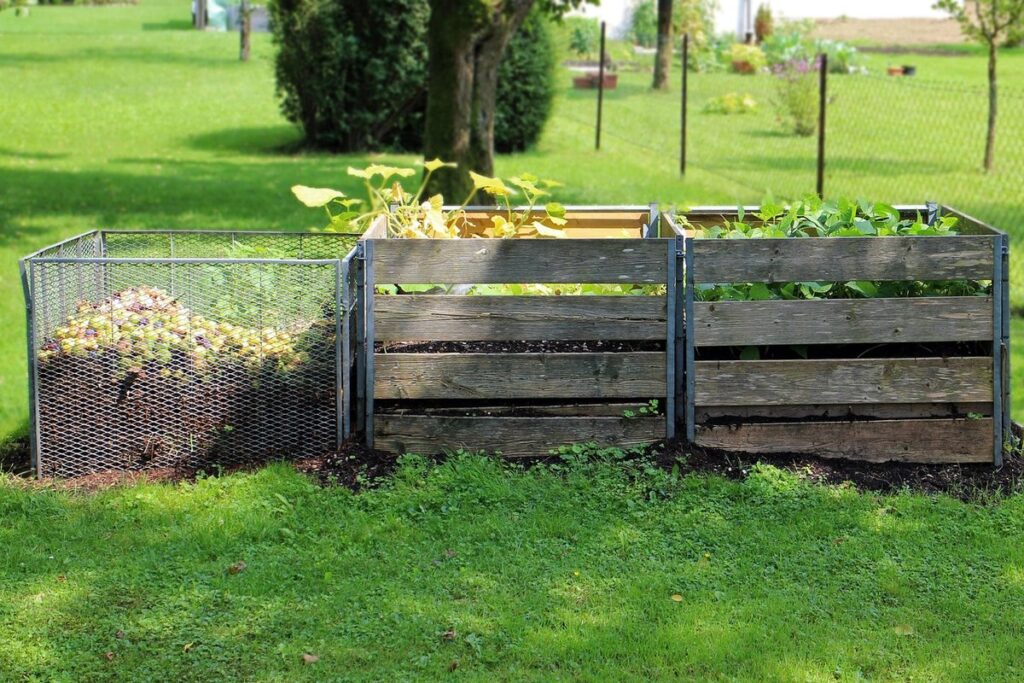
When setting up a poultry composting system, selecting the right equipment and materials is crucial for efficient composting. There are various types of composters available, including bin composters, tunnel composters, and static pile composters. Bin composters are ideal for small-scale operations as they are compact and easy to maintain. Tunnel composters, on the other hand, are better suited for larger farms as they allow for more efficient aeration and mixing.
Aeration systems are also essential for ensuring that your composting process is aerobic, which means it needs oxygen to break down organic matter efficiently. A simple windrow turner or a more advanced rotating drum aerator can be used to regularly turn the pile and introduce air. It’s essential to choose an aeration system that fits your specific setup and scale of operation.
Other important equipment includes tools for mixing, turning, and monitoring moisture levels in the compost pile. These may include pitchforks, shovels, and moisture meters.
Implementing Sanitation and Safety Protocols
When setting up a poultry composting system, it’s essential to address important health and safety considerations when handling chicken manure. This involves implementing effective sanitation measures to prevent the spread of disease and protect both humans and animals.
Chicken manure can contain pathogens such as Salmonella and E. coli, which can be transmitted through direct contact or airborne particles. To mitigate this risk, ensure that all personnel handling the composting material wear personal protective equipment (PPE) including gloves, masks, and eye protection. Regularly clean and disinfect tools, equipment, and surrounding areas to prevent contamination.
Implement a regular maintenance schedule for your composting system, including daily turning of the piles and weekly checks on moisture levels and temperature. This will help control odor emissions and prevent pest infestations.
To further minimize risks, consider implementing a biosecurity plan that includes measures such as:
• Regularly disinfecting feeders, waterers, and other equipment
• Isolating new birds for 30 days before introducing them to the main flock
• Implementing good hygiene practices among farm staff
The Composting Process
Now that we’ve covered why composting chicken manure is essential, let’s dive into the step-by-step process of turning raw waste into a valuable resource.
Understanding the Biochemical Reactions
Breaking down organic matter into nutrient-rich compost is a complex biochemical process. At its core, it involves a series of chemical reactions that rely on optimal carbon-to-nitrogen (C:N) ratios and pH levels. These conditions facilitate the activities of microorganisms like bacteria and fungi, which are responsible for decomposing the waste.
A C:N ratio between 20:1 and 30:1 is ideal for composting chicken manure. This balance ensures that carbon-rich materials, such as straw or wood shavings, supply energy to microorganisms while nitrogen-rich components, like the manure itself, provide building blocks for new cells. If the C:N ratio is too high (low in nitrogen), microbial growth will be limited by nitrogen deficiency.
Conversely, if it’s too low (high in nitrogen), ammonia production can exceed acceptable levels, causing environmental issues and potential health risks to humans. Maintaining an optimal pH range between 6.5 and 7.5 is also crucial for microbial activity. A pH above or below this range can hinder decomposition, leading to undesirable outcomes like odors, pests, or nutrient loss. By monitoring and adjusting these parameters, poultry farmers can successfully compost chicken manure and produce a valuable fertilizer for their crops.
Monitoring Temperature and Moisture Levels
Monitoring temperature and moisture levels is crucial during the composting process to ensure optimal conditions for microbial activity. Microorganisms, such as bacteria and fungi, break down organic matter into nutrient-rich compost. However, their efficiency is directly affected by temperature and moisture levels.
Temperature affects microbial growth; if it’s too low (below 130°F), decomposition slows down, while high temperatures (above 160°F) can kill off beneficial microbes. Aiming for a temperature range of 130-150°F is ideal. This optimal temperature allows microbes to work efficiently without dying off. You can use compost thermometers to track the temperature and maintain it within this range.
Moisture also impacts microbial activity; if it’s too dry, decomposition slows down, while excessive moisture leads to anaerobic conditions and unpleasant odors. The ideal moisture level is between 50-60% water content. To achieve this, you can add water or cover the compost pile with a tarp to prevent moisture loss.
Regular monitoring of temperature and moisture levels helps maintain a healthy balance for efficient decomposition. By tracking these two factors, you can ensure that your composting process runs smoothly, producing high-quality compost in no time.
Managing Odors and Pests
Minimizing odor generation and preventing pest infestations are crucial aspects of maintaining a healthy composting environment. To manage odors, it’s essential to maintain adequate moisture levels within the compost pile. Aim for a mix that’s 30-40% solids, allowing sufficient water to flow through the material without making it soggy. Regular turning of the compost pile will also help distribute heat evenly and speed up decomposition.
Another key aspect is maintaining good airflow. Avoid over-piling materials, as this can trap moisture and create anaerobic conditions that foster odor production. Instead, leave about 12-18 inches between layers for air to circulate freely. This simple technique not only reduces odors but also prevents pest infestations by drying out their habitats.
For pests like rodents, rats, and flies, keep the composting area clean and tidy. Regularly remove any finished compost that’s ready for use in the garden or fields. Seal off entry points around pipes, vents, and equipment to prevent unwanted visitors from gaining access to the compost pile.
Nutrient-Rich Compost: A Valuable Resource
Effective composting of chicken manure is essential for maximizing nutrient retention and minimizing environmental impact, making nutrient-rich compost a valuable resource.
Analyzing Compost Quality and Content
When it comes to poultry composting chicken manure, analyzing the final product’s quality and content is crucial to ensure it meets standards. One of the primary methods for determining nutrient levels is through laboratory testing, which involves sending samples to a certified lab for analysis. This process typically includes measuring nitrogen (N), phosphorus (P), and potassium (K) levels, as well as pH levels.
To give you an idea of what to expect, a typical composted chicken manure product might have the following nutrient levels: 20-30% N, 5-10% P, and 10-20% K. However, these values can vary depending on factors such as feed type, breed, and age of the birds.
To ensure your final product meets standards, it’s essential to take regular pH readings using a compost tea bag or pH meter. This will help you identify any potential issues and make adjustments as needed. For example, if the pH level is too high, you may need to add more bulking agents or carbon-rich materials to balance it out.
By following these quality control measures, you can produce a nutrient-rich compost that meets industry standards and provides valuable benefits for your farm’s soil health. Regular monitoring and adjustments will also help you optimize the composting process and reduce waste disposal costs.
Using Composted Chicken Manure as a Fertilizer
Composted chicken manure has emerged as a game-changer in agriculture and horticulture due to its exceptional nutrient-rich properties. By converting raw chicken waste into a valuable fertilizer, farmers can reduce their reliance on synthetic fertilizers while promoting soil health.
Successful applications of composted chicken manure have been reported in various sectors:
• Greenhouse gardening: Composted chicken manure has been used as a primary fertilizer for tomato and pepper plants, significantly increasing crop yields by 30%. For example, at the University of California’s Davis campus, researchers found that using composted chicken manure resulted in better growth rates and higher fruit production compared to synthetic fertilizers.
• Urban farming: Composted chicken manure has been used as a key ingredient in urban farming projects. By repurposing waste into nutrient-dense fertilizer, these initiatives not only promote sustainable agriculture practices but also provide fresh produce to underserved communities.
• Organic farming: Incorporating composted chicken manure into soil preparation before planting can improve soil structure and fertility, reducing the need for additional fertilizers and pesticides. This approach also enhances crop resilience against pests and diseases, leading to higher yields and better quality produce.
These real-world examples demonstrate the versatility of composted chicken manure as a fertilizer in various agricultural settings.
Marketing and Selling Compost Products
When it comes to marketing and selling compost products made from poultry manure, there are several strategies you can employ to tap into various revenue streams. For instance, you can approach local nurseries, gardening stores, and landscapers who cater to residential customers with a strong emphasis on sustainability.
Offering bulk sales of nutrient-rich compost to large-scale farmers, gardeners, or municipal governments can also be lucrative. Consider providing custom blends tailored to specific crop requirements or soil types. This can help you stand out from competitors and establish long-term relationships with clients.
Another potential revenue stream is selling value-added products derived from your compost, such as potting mixes, fertilizers, or even compost tea bags. To effectively market these products, highlight their benefits in terms of reduced chemical use, improved soil health, and increased crop yields. Utilize social media platforms and online advertising to reach a wider audience interested in sustainable practices.
Challenges and Limitations
While poultry composting offers many benefits, there are also some challenges and limitations to consider when implementing this sustainable solution on your farm. Let’s take a closer look at these important factors together.
Overcoming Technical Issues
When it comes to poultry composting chicken manure, technical issues can arise that hinder the process. One common problem is inadequate aeration, which can lead to unpleasant odors and even health risks for humans and animals. To mitigate this issue, ensure that your compost pile has adequate space between each layer to allow air to circulate freely.
Another challenge is excessive moisture levels, which can slow down decomposition or create anaerobic conditions. Check the moisture content regularly by inserting a stick into the pile; if it feels damp but not soggy, you’re on the right track. If the pile seems too wet, turn it more frequently to introduce oxygen and speed up evaporation.
Additionally, monitor temperature levels, as high temperatures can be detrimental to microorganisms’ health. Most composting activities take place within a moderate temperature range (50-150°F). Be sure to maintain this balance by adjusting the carbon-to-nitrogen ratio and ensuring adequate airflow.
Managing Regulatory Frameworks
When delving into poultry composting chicken manure as a sustainable solution for farm waste management, it’s essential to navigate the regulatory framework of your region. The rules and regulations surrounding this practice can vary significantly from country to country, and even within regions.
To begin with permits and licenses are often required before commencing poultry composting operations. These permits typically dictate aspects such as facility design, waste collection protocols, and environmental impact assessments. For instance, in the United States, the Environmental Protection Agency (EPA) sets guidelines for on-farm composting facilities, including requirements for monitoring emissions, managing odors, and controlling pests.
Moreover, regulatory bodies impose compliance requirements that must be met. These might include maintaining records of production levels, waste management practices, and environmental monitoring data. Failure to adhere to these regulations can result in fines or even closure of operations. Therefore, it’s crucial to engage with local authorities to understand specific requirements and ensure full compliance throughout the poultry composting process.
Addressing Public Perception and Concerns
When implementing poultry composting on farm premises, it’s natural to face concerns from neighbors and local communities. To address these concerns and educate stakeholders about the benefits of poultry composting, open communication is key.
Begin by inviting community members to visit the farm and observe the composting process firsthand. This can help alleviate fears and misconceptions about odors or pest infestations. Provide clear information on how the composting system works, including regular turnings and monitoring of temperature and moisture levels.
You should also be prepared to address specific concerns. For example, if a neighbor expresses worries about odor emissions, offer to share data on the composting process’s low ammonia levels and how they are significantly lower than those from traditional manure storage methods.
Some farmers have found success in creating community composting programs that allow neighbors to collect finished compost for their own gardens. This not only educates them about the benefits of poultry composting but also fosters a sense of shared responsibility for waste management.
Frequently Asked Questions
What are the ideal temperature ranges for composting chicken manure?
The optimal temperature range for poultry composting is between 130°F to 140°F (54°C to 60°C). Maintaining this temperature ensures that the composting process occurs efficiently, and the nutrient-rich compost is produced.
Can I use any type of equipment for poultry composting, or are there specific requirements?
You’ll need to select equipment suitable for handling and processing large volumes of chicken manure. Consider using a mechanical turner or aerator to ensure efficient mixing and oxygenation of the compost pile. This helps prevent anaerobic conditions that can lead to odor and pest issues.
How do I manage odors during the poultry composting process?
To minimize odors, maintain adequate moisture levels (around 50-60%) and ensure proper aeration within the compost pile. You can also use natural odor-controlling agents like lime or zeolites. Regular monitoring of temperature and moisture will help you address any potential issues promptly.
Can I sell the finished compost directly to consumers without any additional certifications or regulations?
Yes, but it’s essential to comply with local regulations regarding compost sales and labeling. Ensure your product meets relevant standards for nutrient content, pathogen reduction, and heavy metal levels. You may need to obtain certifications like OMRI (Organic Materials Review Institute) or Compost Quality Alliance to meet consumer expectations.
How long does it take for the finished compost to be ready for use as a fertilizer?
The time frame for maturation varies depending on factors such as temperature, moisture, and turn frequency. Typically, it takes 3-6 months for the composting process to complete, after which you can apply the nutrient-rich compost to your fields or sell it as a value-added product.